

 Zobacz w skali 1:1
 Wyślij
 Udostępnij
 Szczegóły
 Przewodnik

 Pobierz plik obrazu
 Podobne obiekty
 RTG
RTG Pokaz slajdów
 Statystyki
At The Cottage Gate

 Czytaj więcej
Ręcznie malowana reprodukcja olejowa
Ręcznie malowany obraz olejny na płótnie, wykonany na zamówienie przez naszych artystów w wybranym przez Ciebie wymiarze i oprawie. ( Przełącz na wersję drukowaną Przełącz na wersję cyfrową)




































Wybierz spośród naszych standardowych rozmiarów, które zachowują oryginalne proporcje dzieła sztuki.

Wpisz wymaganą szerokość i wysokość, aby obraz pasował do Twojej ramy lub ściany. Ponieważ jest to dzieło malowane ręcznie, w przypadku rozmiaru o innym proporcji artysta może domalować nieco więcej wokół obrazu lub przyciąć fragmenty — wybór należy do Ciebie. Przed rozpoczęciem pracy prześlemy Ci cyfrową wizualizację do zatwierdzenia. Obraz widoczny na tej stronie nie przedstawia rzeczywistego efektu — jedynie wizualizacja oddaje realny rezultat.
Po złożeniu zamówienia zespół OriginalUniqueArt.com skontaktuje się z klientem drogą mailową w celu uzyskania instrukcji i prześle wizualizację projektu
Dostawa na całym świecie () w ciągu 3–4 tygodni zamiast standardowych 5 tygodni. (22 Październik). Bez kompromisów w kwestii jakości.

Bezpłatna ekspresowa wysyłka na cały świat

Wysokiej jakości płótno lniane

Pełne ubezpieczenie transportowe

Gwarancja zwrotu należności celnych i podatków importowych

Gwarancja idealnego odwzorowania barw

100-dniowy okres na zwrot dzieła w przypadku wykrycia wad produkcyjnych

Gwarancja 100% zwrotu pieniędzy

Oferta przy zakupie wielu sztuk
 Opcja ze szkłem jest dostępna wyłącznie w rozmiarach poniżej 110 cm

At The Cottage Gate
Technika wykonania
Rozmiar reprodukcji
-


Suma do zapłaty
zł 1343
A Glimpse into Domestic Serenity: “At The Cottage Gate”
This captivating oil painting transports viewers to a tranquil rural scene, embodying the romantic ideals of family life and connection with nature. “At The Cottage Gate” depicts a mother accompanied by her two young children and their loyal dog, poised at the entrance to a charming cottage. The composition is carefully balanced, drawing the eye along a winding path that suggests journeys both literal and metaphorical. It’s a scene steeped in warmth and intimacy, evoking a sense of peaceful contentment.Style & Technique: Echoes of the Hudson River School
The artwork exhibits stylistic characteristics reminiscent of the Hudson River School, particularly its emphasis on realistic depictions of landscapes and atmospheric light. The artist, John Linnell, masterfully employs a glazing technique to create soft textures and luminous effects. Organic lines define the natural elements – trees, foliage, and figures – while shapes remain largely naturalistic.- Medium: Oil on Canvas
- Style: Romantic Realism with Hudson River School influences.
- Key Features: Layered oil paint, diffused lighting, balanced composition.
Historical Context & Symbolism
Painted during a period of increasing industrialization, “At The Cottage Gate” represents a nostalgic yearning for simpler times and the virtues of rural life. The family itself symbolizes stability, heritage, and the enduring bonds of kinship. The cottage, nestled within the natural landscape, evokes themes of innocence, pastoral beauty, and refuge from the complexities of modern society. The winding path can be interpreted as a representation of life’s journey, while the dog embodies loyalty and companionship. Linnell's work often reflects a deep appreciation for English countryside traditions.Emotional Impact & Interior Design Considerations
“At The Cottage Gate” radiates a sense of calm and emotional warmth, making it an ideal addition to homes seeking a touch of serenity. Its warm earth tones – browns, greens, and ochres, accented with subtle reds and golds – create a welcoming atmosphere. This piece would complement interiors decorated in traditional, country, or transitional styles. Consider placing it within a living room, dining area, or bedroom to foster a sense of peace and connection. The artwork’s balanced composition and inviting subject matter make it a focal point that will be cherished for years to come.Pytania i odpowiedzi
Czy mogę zamówić olejną reprodukcję "At The Cottage Gate"?
"At The Cottage Gate" jest dostępny jako ręcznie malowana reprodukcja olejowa na płótnie lnianym. Zamówienie można złożyć na stronie Ręcznie malowana reprodukcja, wybierając preferowany rozmiar.
Gdzie mogę zobaczyć podgląd dzieła "At The Cottage Gate"?
Strona podglądu Podgląd dla dzieła „At The Cottage Gate” umożliwia obejrzenie obrazu przed złożeniem zamówienia.
Jaki kolor dominuje w kompozycji „At The Cottage Gate” autorstwa Jan Linnell?
Dominującym kolorem dzieła „At The Cottage Gate” autorstwa Jan Linnell jest Espresso (#54371a).
Biografia artysty
John Linnell: A British Painter of Rural Scenes and Portraits
John Linnell, a name perhaps less familiar than those of his Romantic contemporaries, nevertheless represents a significant figure in 19th-century British art. Born in Bloomsbury, London, in 1792, he embarked on an artistic journey shaped by rigorous training and a profound appreciation for both traditional techniques and the subtle shifts of modernity. His paintings, often depicting serene rural landscapes and intimate portraits, offer a captivating glimpse into the social fabric and aesthetic sensibilities of his time. Linnell’s legacy lies not in grand revolutionary gestures but rather in a quiet mastery of observation, color, and composition – qualities that continue to resonate with viewers today.
Early Life and Artistic Foundations
Linnell's artistic path began within an environment steeped in creative influence. His father, James Linnell, was a skilled carver and gilder, providing him with an early exposure to the world of craftsmanship and visual artistry. From a remarkably young age – as early as ten years old – John demonstrated exceptional talent, quickly establishing himself as a portrait artist, sketching and selling his works in chalk and pencil. His initial formal training commenced under the guidance of Benjamin West, a prominent American-born painter who had made his home in London. This foundational period instilled in Linnell a deep understanding of classical techniques and compositional principles. Subsequently, he spent a year studying with John Varley, a water-colorist known for his innovative approach to landscape painting, absorbing valuable insights into capturing light and atmosphere.
A Blend of Tradition and Modernity
Linnell’s artistic style is characterized by a remarkable synthesis of traditional British art with subtle, yet discernible, influences from the burgeoning modern movement. He possessed an extraordinary eye for detail, meticulously rendering textures and forms with a precision that belied his seemingly effortless brushstrokes. His use of color was particularly noteworthy – often employing muted tones to evoke a sense of tranquility and realism, while strategically deploying brighter hues to draw attention to key elements within his compositions. He drew inspiration from the works of masters such as Leonardo da Vinci and Vincent van Gogh, whose innovative approaches to light, color, and emotion profoundly shaped his own artistic vision. This influence is particularly evident in his ability to capture the fleeting effects of sunlight on landscapes – a hallmark of Romanticism.
Notable Works and Artistic Themes
Linnell’s oeuvre encompasses a diverse range of subjects, reflecting both his technical skill and his personal interests. Among his most celebrated works are The Poet's Garden, a luminous depiction of nature that draws comparisons to the idyllic scenes painted by Pierre-Auguste Renoir; Westminster Abbey at Night, which masterfully captures the grandeur and solemnity of the iconic landmark under the cloak of darkness, reminiscent of George Stubbs and Arthur Hacker’s urban landscapes. The poignant portrait Baby Marcelle Roulin exemplifies his ability to convey innocence and beauty in a single image. His landscape paintings – such as Haying And Playing and Harvesting – offer serene glimpses into rural life, rendered with remarkable realism and attention to detail. Portraits like Doctor Robert Walker and Richard Trevithick showcase his talent for capturing the character and essence of his subjects, often employing dramatic lighting to create a sense of mood and atmosphere.
Historical Context and Legacy
John Linnell’s artistic career unfolded during a period of significant social and cultural transformation in Britain. His work reflects the evolving sensibilities of the 19th century, capturing both the beauty of the natural world and the complexities of human relationships. He was deeply connected to intellectual circles, befriending figures such as William Blake and Samuel Palmer, who were part of the “Ancients” group – a collective of artists dedicated to reviving classical ideals. Linnell’s legacy extends beyond his individual paintings; he represents a bridge between traditional artistic practices and the emerging trends of Romanticism and modern art. His meticulous observation, skillful technique, and quiet sensitivity continue to inspire appreciation for the beauty and complexity of British landscape and portraiture. OriginalUniqueArt.com offers a valuable opportunity to explore and acquire these remarkable works, ensuring that Linnell’s artistic contributions are accessible to a wider audience.

Jan Linnell
1959 - 1882 , Wielka Brytania
Najważniejsze informacje
- Artistic Movement Or Style: Romantyzm i Neoklasycyzm
- Artists Or Movements Influenced By This Artist: ['Benjamin West']
- Artists Who Influenced This Artist:
- Leonardo da Vinci
- Vincent van Gogh
- Date Of Birth: 1959
- Date Of Death: 1882
- Full Name: John Linnell
- Nationality: Brytyjski
- Notable Artworks:
- The Poet's Garden
- Westminster Abbey at Night
- Place Of Birth: Bloomsbury, Wielka Brytania
Zobacz także powiązane artykuły
The Hudson River School: A Definitive Guide to America's Romantic Landscape Tradition
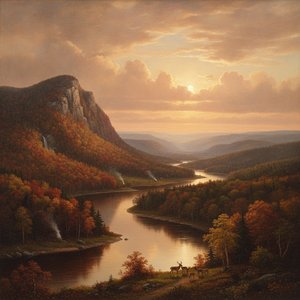
Explore the profound legacy of the Hudson River School. Discover how masters like Thomas Cole captured the American sublime through Romanticism and Luminism. A definitive guide for art historians and collectors seeking to understand America's wild beauty.

Szkoła Rzeki Hudson: 10 arcydzieł, które ukształtowały pejzaż amerykańskiej sztuki | OriginalUniqueArt
Odkryj 10 arcydzieł Szkoły Rzeki Hudson – malarstwo krajobrazowe Cole'a, Churcha i Bierstadta. Poznaj historię artystów i inspiracje romantyzmu amerykańskiego. Reprodukcje obrazów najwyższej jakości na OriginalUniqueArt.com! Eksploruj kolekcję online.

John Constable: 25 Najlepszych Obrazów Mistrza Angielskiego Krajobrazu | OriginalUniqueArt
Odkryj 25 arcydzieł Johna Constable'a – mistrza angielskiego krajobrazu! Poznaj romantyczne pejzaże, technikę malarską i inspiracje z Dedham Vale. Reprodukcje obrazów najwyższej jakości na OriginalUniqueArt.com. Eksploruj pełną kolekcję online!

Sublime Krajobrazy: Narodziny Amerykańskiej Tożsamości Artystycznej i Rola Szkoły Hudson River
Odkryj fascynującą historię Szkoły Hudson River i narodziny amerykańskiej tożsamości artystycznej. Poznaj kluczowych artystów, techniki malarskie i inspiracje. Reprodukcje najwyższej jakości na OriginalUniqueArt.com!

Romantyczny Krajobraz w Malarstwie: 10 Arcydzieł, Które Zdefiniowały Epokę | OriginalUniqueArt.com
Odkryj 10 arcydzieł romantyzmu w malarstwie! Poznaj historie Caspara Davida Friedricha, Turnera i innych mistrzów. Inspiracje wnętrzarskie & reprodukcje obrazów najwyższej jakości na OriginalUniqueArt.com. Eksploruj kolekcję online!


