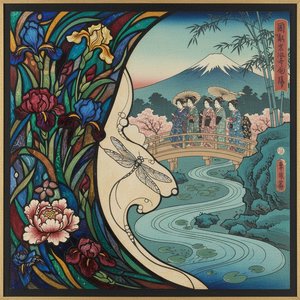
Orange Branch
Oil On Canvas
WallArt
American Colorism & Japonisme
1883
19th Century
138.0 x 30.0 cm
Metropolitan Museum of Art
Ręcznie malowana reprodukcja olejowa
Ręcznie malowany obraz olejny na płótnie, wykonany na zamówienie przez naszych artystów w wybranym przez Ciebie wymiarze i oprawie. ( Zamów wydruk
Kup obraz wysokiej rozdzielczości)
P118B $10
P118H $10
P118W $10
P438Z $10
P508JH $12
P508YH $12
P805H $10
P805Z $10
P919BZ $10
P919G $10
P919XJ $10
P959ZH $10
P968JZ $12
W106C $8
W218G $10
W218JH $8
W218Y $10
W307PJ $10
W316G $10
W316PJ $8
W316Y $10
W398PJ $8
W4111J $10
W500HY $15
W500JH $15
W692G $12
W849H $8
W940BG $15
W953PJ $8
Wybierz spośród naszych standardowych rozmiarów, które zachowują oryginalne proporcje dzieła sztuki.
Możesz wprowadzić własne wymiary, aby dopasować obraz do konkretnej ramy lub przestrzeni. Jeśli wybrany rozmiar nie będzie odpowiadał proporcjom oryginału, przytniecie dzieło sztuki lub rozszerzymy je o dodatkowe elementy, ręcznie domalowane przez artystę. Przed rozpoczęciem produkcji wyślemy projekt cyfrowy do Twojej akceptacji.
Należy pamiętać, że podgląd na ekranie nie odzwierciedla rzeczywistego przycinania ani rozszerzania obrazu. Tylko projekt dokładnie pokaże ostateczną kompozycję.
Choć oferujemy możliwość zamówienia niestandardowych rozmiarów, zalecamy wybór wymiaru z gotowej listy, aby zachować oryginalne proporcje dzieła.
Po złożeniu zamówienia zespół OriginalUniqueArt.com skontaktuje się z klientem drogą mailową w celu uzyskania instrukcji i prześle wizualizację projektu
Dostawa na całym świecie () w ciągu 3–4 tygodni zamiast standardowych 5 tygodni. (14 Sierpień). Bez kompromisów w kwestii jakości.
Bezpłatna ekspresowa wysyłka na cały świat
Wysokiej jakości płótno lniane
Pełne ubezpieczenie przesyłki
Gwarancja zwrotu należności celnych i podatków importowych
Gwarancja wiernego odwzorowania kolorów
Polityka 60-dniowego zwrotu (tylko w przypadku wad)
Gwarancja 100% zwrotu kosztów
Zniżka przy zamówieniu wielu produktów
Orange Branch
Technika reprodukcji
Wymiary reprodukcji
-
Cena całkowita
$ 300
Opis dzieła
John La Farge’s “Orange Branch”: A Symphony of Color and Japonisme
John La Farge's "Orange Branch," completed in 1883, stands as a testament to the burgeoning influence of Japanese aesthetics – Japonisme – on American Impressionism. More than just a depiction of fruit, it embodies a profound exploration of light, texture, and symbolic resonance within a meticulously crafted landscape scene. This painting captures a moment of serene beauty, inviting contemplation and reflecting La Farge’s deep fascination with Eastern artistic traditions.A Detailed Examination of Technique and Style
La Farge employed oil paints on canvas using a technique characterized by layering glazes—thin translucent washes of color applied over subsequent layers—to achieve remarkable luminosity and depth. The artist meticulously rendered the oranges themselves, capturing their golden hue with painstaking attention to detail, utilizing subtle variations in tone to convey the ripeness of the fruit. Equally impressive is his depiction of the surrounding foliage; delicate brushstrokes create a textured surface that mimics the organic forms of leaves and branches. This approach aligns perfectly with Impressionist principles, prioritizing observation and capturing fleeting effects of light rather than striving for photographic realism. The soft blue background serves as an understated counterpoint to the vibrant oranges, enhancing their visual impact and contributing to the overall harmonious composition.Historical Context: Japonisme’s Impact on American Art
The late 1880s witnessed a significant surge in interest in Japanese art within the United States following Commodore Perry's opening of Japan to Western trade. This fascination manifested itself not only in decorative arts but also profoundly impacted painting, inspiring artists like La Farge to incorporate elements of Japanese landscape painting—known as *sumi-e*—into their work. The flattened perspective characteristic of *sumi-e*, combined with the emphasis on tonal harmony and simplified forms, found its way into American canvases, resulting in a distinctive visual language. “Orange Branch” exemplifies this influence through its balanced composition and subdued palette, mirroring the aesthetic ideals prevalent during this period.Symbolism Beyond Representation
Beyond its formal qualities, "Orange Branch" carries symbolic weight. Oranges have long been associated with prosperity, warmth, and fertility—themes frequently explored in Renaissance art and folklore. In La Farge’s painting, they represent not merely edible fruit but also a celebration of the natural world and its rejuvenating power. The branch itself symbolizes growth, resilience, and connection to the earth—ideas that resonate deeply within the broader context of Victorian spirituality and optimism.Emotional Resonance: Tranquility and Beauty Captured in Paint
Ultimately, “Orange Branch” succeeds in conveying a palpable sense of tranquility and beauty. La Farge’s masterful use of color and texture invites viewers into a contemplative space, mirroring the serene landscapes depicted in Japanese art. The painting's luminous quality evokes feelings of warmth and contentment—a reflection of La Farge’s own artistic vision and his desire to capture the sublime experience of encountering nature at its finest. It remains an enduring masterpiece demonstrating the transformative power of artistic inspiration.O artyście
A Luminary of American Art: The Life and Legacy of John La Farge
John La Farge, born in New York City in 1835 to wealthy French Roman Catholic parents, emerged as a pivotal figure in the evolution of late 19th and early 20th-century American art. His journey was one of constant exploration and innovation, spanning painting, mural design, stained glass artistry, interior decoration, and insightful writing on his travels—particularly those to Asia. Raised bilingually, La Farge’s upbringing instilled in him a cosmopolitan sensibility that would profoundly shape his artistic vision. He initially pursued legal studies but soon gravitated towards the world of art, studying first at Mount St. Mary's University and then at St. John’s College (now Fordham University). A formative period followed with training under Thomas Couture in Paris, where he absorbed European artistic traditions while simultaneously developing a uniquely American aesthetic. This early exposure to both Old World mastery and his own burgeoning originality laid the foundation for a career marked by groundbreaking techniques and a distinctive style.Early Influences and Artistic Development
La Farge’s artistic trajectory was shaped by a confluence of factors. His French heritage instilled in him an appreciation for classical beauty and meticulous technique, while his American upbringing fostered a desire to forge a distinctly American artistic identity. The influence of the Hudson River School painters—particularly Frederic Church and Asher B. Durand—provided a crucial foundation, instilling in him a deep love for the American landscape and a commitment to capturing its grandeur with luminous color and dramatic light. However, La Farge’s artistic vision extended far beyond mere imitation; he sought to synthesize these influences with his own observations of European art and his growing fascination with Japanese aesthetics. His travels to Europe in 1856, during which he studied under the French master Thomas Couture, exposed him to the latest developments in painting technique and theory. He quickly recognized that while European art offered valuable lessons, it was essential to develop a unique voice—one rooted in American experience and sensibility. This period of artistic experimentation culminated in his decision to relocate to Newport, Rhode Island, where he immersed himself in the study of landscape painting under William Morris Hunt, a leading figure in the American art world.Pioneering Innovation Across Disciplines
La Farge’s artistic output was remarkably diverse, yet consistently characterized by an intense focus on color and light. He began to gain recognition with his illustrations and landscapes, but it was in the realm of mural painting that he first made a significant impact. Commissions for churches like Trinity Church in Boston (1873) and the Church of the Ascension in New York showcased his ability to create luminous, spiritually evocative spaces. These murals weren’t simply decorative; they were intended to inspire contemplation and uplift the spirits of those who beheld them. However, La Farge’s most enduring legacy lies in his revolutionary work with stained glass. Dissatisfied with the conventional methods of the time—often relying on dark, somber colors and rigid geometric designs—he pioneered a technique involving superimposing multiple layers of colored glass—a process for which he received a patent in 1880. This innovation allowed him to achieve an unprecedented richness and depth of color, transforming stained glass from a merely decorative element into a powerful medium for artistic expression. His stained-glass windows weren’t simply representations; they were immersive experiences of light and hue. Beyond these core disciplines, La Farge also excelled in interior design, creating harmonious environments that integrated his paintings, murals, and decorative arts.The Influence of the East and a Search for New Forms
A defining aspect of La Farge’s artistic development was his fascination with Japanese art and culture. His travels to Asia, beginning in the 1880s, profoundly influenced his aesthetic sensibilities. He meticulously documented his observations in writings and incorporated elements of Japanese design—such as asymmetry, flattened perspectives, and a refined sense of color—into his own work. This embrace of Eastern aesthetics was not merely imitative; La Farge synthesized these influences with his existing artistic vocabulary to create something entirely new. His studio at 51 West 10th Street in Greenwich Village became a hub for artists interested in exploring non-Western art forms, fostering a spirit of experimentation and cross-cultural exchange. He wasn’t alone in this pursuit—artists like James McNeill Whistler were also captivated by Japanese aesthetics—but La Farge distinguished himself through his ability to seamlessly integrate these influences into his diverse artistic practice. The sacred grove, a forested area in Rhode Island where he painted many mythological scenes, became a personal sanctuary reflecting his spiritual and artistic explorations.A Lasting Impact on American Art
John La Farge’s contributions extended beyond his individual artworks; he was also a dedicated advocate for the arts and a vocal critic of academic conservatism. He co-founded the Society of American Artists in 1877 as an alternative to the perceived rigidity of the National Academy of Design, championing artistic freedom and innovation. His influence can be seen in the work of subsequent generations of artists, particularly those associated with the Arts and Crafts movement and Symbolism. La Farge’s emphasis on craftsmanship, his exploration of spiritual themes, and his innovative use of color all resonated with artists seeking to break away from traditional conventions. He served as an instructor at the Metropolitan Museum of Art Schools, nurturing young talent and imparting his knowledge and passion for art. Though he faced challenges—including a protracted legal battle with Louis Comfort Tiffany over stained-glass patents—La Farge remained committed to his artistic vision until his death in 1910. His legacy endures as a testament to the power of innovation, the beauty of color, and the enduring influence of cross-cultural exchange.Beyond the Canvas: Writings and Family
- Literary Contributions: La Farge was not only a visual artist but also a gifted writer. His travelogues, particularly *An Artist’s Letters from Japan* (1897), offered insightful observations on Japanese culture and art, contributing to a growing Western appreciation for Eastern aesthetics.
- Family Legacy: The La Farge family continued to contribute to the arts and humanities. His son, Oliver Hazard Perry La Farge II, became a renowned anthropologist and writer, focusing on Native American cultures and winning a Pulitzer Prize for his novel *Laughing Boy* (1929).
- Final Years: In his later years, La Farge continued to work prolifically, creating murals even into his seventies. He died at Butler Hospital in Providence, Rhode Island, leaving behind a body of work that continues to inspire and captivate audiences today.
- His interment is at Green-Wood Cemetery in Brooklyn, New York.
John La Farge
1835 - 1910 , Stany Zjednoczone
Krótka nota
- Artistic Movement Or Style: Symbolizm, Sztuki i Rzemiosło
- Artists Or Movements Influenced By This Artist: ['Maria Oakey Dewing']
- Artists Who Influenced This Artist: ['Thomas Couture']
- Date Of Birth: 31 marca 1835
- Date Of Death: 14 listopada 1910
- Full Name: John La Farge
- Nationality: Amerykański
- Notable Artworks:
- Wizja z Góry Wysoki
- Murale w Kościele Najświętszej Trójcy
- Place Of Birth: Nowy Jork, USA

Opcja ze szkłem jest dostępna wyłącznie w rozmiarach poniżej 110 cm