

 Zobacz w skali 1:1
 Wyślij
 Udostępnij
 Szczegóły

 Pobierz plik obrazu
 Podobne obiekty
 RTG
RTG Pokaz slajdów
 Statystyki
1. Pteromys sabrinus, Severn River Flying Squirrel; 2. Pteromys alpinus, Rocky Mountain Squirrel

 Czytaj więcej
Giclée / Wydruk artystyczny
Wydruki giclée lub płótna o jakości muzealnej, szybka realizacja i szeroki wybór opcji wykończenia. ( Kup ręcznie malowany obraz Przełącz na wersję cyfrową)




P118B $10

P118H $10

P118W $10

P438Z $10

P508JH $12

P508YH $12

P805H $10

P805Z $10

P919BZ $10

P919G $10

P919XJ $10

P959ZH $10

P968JZ $12

W106C $8

W218G $10

W218JH $8

W218Y $10

W307PJ $10

W316G $10

W316PJ $8

W316Y $10

W398PJ $8

W4111J $10

W500HY $15

W500JH $15

W692G $12

W849H $8

W940BG $15

W953PJ $8




Wybierz spośród naszych standardowych rozmiarów, które zachowują oryginalne proporcje dzieła sztuki.

Możesz wprowadzić własne wymiary, aby dopasować dzieło do konkretnej ramy lub przestrzeni. Jeśli wybrany rozmiar nie będzie odpowiadał proporcjom oryginalnego obrazu, przytniecie dzieło lub rozszerzymy obraz za pomocą odbicia lustrzanego lub jednolitego wypełnienia krawędzi. Przed rozpoczęciem produkcji prześlemy cyfrową wizualizację do Twojej akceptacji.
Prosimy pamiętać, że podgląd na ekranie nie odzwierciedla faktycznego przycinania ani rozszerzania. Tylko wizualizacja dokładnie pokaże końcową kompozycję.
Mimo dostępności niestandardowych rozmiarów, zalecamy wybór wymiaru z listy zdefiniowanej, aby zachować oryginalne proporcje.
Dostawa na cały świat () w ciągu 2 tygodni zamiast standardowych 4/5 tygodni. (16 Wrzesień)

Bezpłatna ekspresowa wysyłka na cały świat

Wysokiej jakości płótno lniane

Pełne ubezpieczenie transportowe

Gwarancja zwrotu należności celnych i podatków importowych

Gwarancja idealnego odwzorowania barw

100-dniowy okres na zwrot dzieła w przypadku wykrycia wad produkcyjnych

Gwarancja 100% zwrotu pieniędzy

Oferta przy zakupie wielu sztuk
 Opcja ze szkłem jest dostępna wyłącznie w rozmiarach poniżej 110 cm

1. Pteromys sabrinus, Severn River Flying Squirrel; 2. Pteromys alpinus, Rocky Mountain Squirrel
Giclée / Wydruk artystyczny
Rozmiar reprodukcji
-


Suma do zapłaty
$ 80
A Symphony of Nature: Audubon’s “Pteromys sabrinus, Severn River Flying Squirrel; 2. Pteromys alpinus, Rocky Mountain Squirrel”
- Subject Matter: John James Audubon's masterful depiction captures two distinct North American squirrel species – the Severn River Flying Squirrel and the Rocky Mountain Squirrel – in their natural environments. The composition isn’t merely a study of animals; it’s an intimate portrait of wilderness, showcasing the remarkable diversity within the continent’s ecosystems.
- Artistic Style: The painting exemplifies Audubon's signature style, characterized by meticulous detail and a profound respect for the subject. His approach transcends simple illustration, leaning heavily into Romanticism with its emphasis on emotion, drama, and the sublime beauty of nature. The dynamic pose of the flying squirrel, coupled with the grounded stillness of the Rocky Mountain Squirrel, creates a captivating visual narrative.
The Genius of Audubon: Technique and Observation
- Oil Painting Mastery: Executed in oil on canvas, the painting demonstrates Audubon’s unparalleled skill in rendering texture and form. The fur of the squirrels is depicted with astonishing realism – each individual strand seemingly vibrating with life. The artist's use of light and shadow creates a three-dimensional effect, drawing the viewer into the scene.
- Scientific Accuracy: Audubon was far more than just an artist; he was a dedicated naturalist. His meticulous observations informed every brushstroke. The precise anatomical details, combined with accurate depictions of their habitats – a branch laden with foliage and a rugged mountain landscape – reflect his commitment to scientific documentation. This painting served as both art and a vital record for the burgeoning field of natural history.
Symbolism and Context: A Window into 19th-Century America
- Romantic Ideal: The painting embodies the Romantic movement’s fascination with untamed nature and its power to evoke awe and wonder. The squirrels, symbols of resilience and adaptability, represent humanity's connection to the natural world.
- Audubon’s Legacy: Created during a period of significant exploration and westward expansion in America, Audubon’s work played a crucial role in shaping public perception of the nation’s wildlife. His detailed illustrations helped popularize ornithology and contributed to conservation efforts – though tragically, his observations were often made within a context of exploitation and colonial ambition.
Emotional Impact and Reproduction Value
- A Timeless Masterpiece: “Pteromys sabrinus, Severn River Flying Squirrel; 2. Pteromys alpinus, Rocky Mountain Squirrel” remains a testament to Audubon’s artistic genius and his profound connection to the natural world. It evokes feelings of tranquility, wonder, and respect for the beauty and fragility of our planet.
- Hand-Painted Reproduction: OriginalUniqueArt offers a meticulously crafted hand-painted reproduction of this iconic artwork, ensuring that you experience the full richness and detail of Audubon’s original vision. This is more than just a print; it's a tangible piece of art history, perfect for enhancing any interior space or collecting enthusiast’s portfolio.
Biografia artysty
A Life Etched in Feather and Field
John James Audubon, a name synonymous with American ornithology and art, was a figure of remarkable ambition, meticulous observation, and undeniable complexity. Born Jean-Jacques Rabin in 1785 in Les Cayes, Saint-Domingue – modern-day Haiti – his origins were steeped in the contradictions of colonial life. The son of a French naval officer and plantation owner, and a mother whose identity remains shrouded in some historical debate—possibly a free woman of color—Audubon’s early years were marked by a unique perspective, shaped by both privilege and the realities of a society built on exploitation. This Caribbean landscape, vibrant with exotic birds and lush vegetation, ignited within him a lifelong fascination with the natural world, a passion that would ultimately define his legacy. Following unrest in Saint-Domingue, he was sent to France for safety and education, though formal schooling never fully captured his restless spirit. It was during this period that his artistic inclinations began to blossom, nurtured by lessons in drawing and watercolor, yet always driven by an independent streak.The Pursuit of Avian Perfection
Audubon’s path wasn't immediately directed towards art or science; he dabbled in various ventures – a shopkeeper, a taxidermist, even attempting mining and mercantile pursuits—all while relentlessly pursuing his passion for birds. These early struggles, however, were crucial in honing his observational skills and developing the resilience needed to undertake his monumental life’s work: *The Birds of America*. This wasn't merely an artistic endeavor; it was a scientific undertaking of unprecedented scope. Between 1827 and 1838, Audubon embarked on a journey across North America, meticulously documenting nearly 500 bird species in life-size detail. He didn’t simply paint birds as static specimens; he captured them in dynamic poses, engaged in flight, feeding, or interacting with their environment. This revolutionary approach—portraying birds *within* their habitats—set his work apart from previous ornithological illustrations. The sheer scale of the paintings was breathtaking, demanding immense skill and unwavering dedication. Each bird was rendered with astonishing accuracy, showcasing not only its physical characteristics but also a sense of its individual character and vitality.Technique and Collaboration: A Masterful Synthesis
Audubon’s artistic technique was as innovative as his subject matter. He primarily employed watercolor on large sheets of paper, utilizing vibrant colors and meticulous detail to bring each bird to life. His compositions were often dramatic, emphasizing the birds' energy and grace. However, *The Birds of America* wasn’t a solitary creation. While Audubon created the original watercolors, their transformation into prints relied heavily on the expertise of engravers Robert Havell Sr. and later his son, Robert Havell Jr. These skilled artisans painstakingly translated Audubon’s delicate brushstrokes into stunning aquatint engravings, ensuring that the beauty and accuracy of the originals were faithfully reproduced for a wider audience. This collaboration was essential to the project's success, demonstrating the power of combining artistic vision with technical mastery. Beyond birds, Audubon also extended his artistic focus to mammals, creating detailed depictions of animals like the American bison and various species of foxes, further showcasing his commitment to documenting North America’s diverse wildlife.A Legacy Marked by Complexity
John James Audubon's impact extends far beyond the realm of art and ornithology. His work became an invaluable resource for scientists and naturalists, providing a detailed visual record of North American birdlife at a critical time when many species faced habitat loss and decline. He pioneered a field observation-based approach to studying birds, emphasizing meticulous documentation of behavior and habitat alongside his illustrations—a departure from earlier methods reliant on preserved specimens. This dedication helped raise awareness about the importance of conservation, contributing to the growing environmental movement in the 19th century. The National Audubon Society, founded in his honor, continues this vital work today. However, it’s crucial to acknowledge a darker side to Audubon's legacy. Recent scholarship has revealed troubling aspects of his life, including his ownership of enslaved people and his problematic views on race. He also engaged in questionable scientific practices, including the theft of human remains for research purposes. These revelations force us to confront the complexities of historical figures and grapple with their contributions within the context of their time—acknowledging both their achievements and their failings.Enduring Influence and Continued Exploration
Despite these controversies, Audubon’s artistic and scientific contributions remain significant. His work continues to inspire artists, scientists, and conservationists alike. The legacy extends through his son, John Woodhouse Audubon, who continued his ornithological studies, and the skilled engravers like Robert Havell Sr. and Jr., whose craftsmanship brought his vision to life. Exploring related figures such as Alfred Tennyson Agate, a contemporary naturalist, or Theodore Roosevelt Jr., an artist captivated by the American West, provides further context for the artistic and scientific landscape of Audubon’s era. His paintings are not merely beautiful representations of birds; they are windows into a vanished world, testaments to the power of observation, and reminders of our responsibility to protect the natural heritage he so passionately documented.- Related Artists: John Woodhouse Audubon, Robert Havell Sr., Robert Havell Jr., Alfred Tennyson Agate, Theodore Roosevelt Jr.

Jan James Audubon
1785 - 1851 , Haiti
Najważniejsze informacje
- Artistic Movement Or Style: Romantyzm
- Artists Or Movements Influenced By This Artist: ['John Woodhouse Audubon']
- Date Of Birth: 26 kwietnia 1785
- Date Of Death: 27 stycznia 1851
- Full Name: John James Audubon
- Nationality: Francuusko-Ameryk.
- Notable Artworks:
- Ptaków Ameryki
- Soko amerykański
- Sroka sayjska
- Lis amerykański
- Place Of Birth: Les Cayes, Haiti
Zobacz także powiązane artykuły

The Enduring Legacy of Fine Art Prints: Technique, History & Aesthetic Impact
Explore the rich history & techniques of fine art prints. Discover investment potential, assess authenticity, and learn how to preserve your collection with expert guidance. Trusted insights for discerning collectors.

Odbitki Giclée: Jakość Archiwalna i Estetyczne Niuanse dla Wymagającego Kolekcjonera
Poznaj sekrety druku giclée – technologii zapewniającej najwyższą jakość reprodukcji sztuki i trwałość archiwalaną. Poradnik dla wymagających kolekcjonerów o wyborze papieru, tuszy i profilach kolorystycznych.

Echoes of Time: Exploring the Enduring Appeal & Historical Context of Vintage Art Prints
Explore the captivating world of vintage art prints! Discover their history, collecting tips & enduring appeal. Expert insights on chromolithography and building a legacy collection with OriginalUniqueArt.

Katsushika Hokusai: 25 Arcydzieł Sztuki Japońskiej dla Kolekcjonerów i Miłośników Dekoracji
Odkryj 25 arcydzieł Katsushika Hokusai, mistrza ukiyo-e! Poznaj historię Wielkiej Fali i innych ikonicznych drzeworytów. Inspiracje wnętrzarskie i reprodukcje obrazów najwyższej jakości na OriginalUniqueArt.com – sztuka japońska dla Twojego domu.
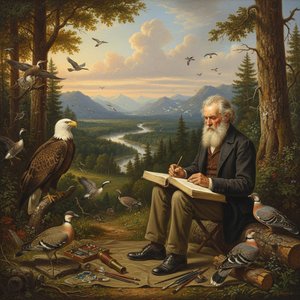
John James Audubon: A Life Immersed in Ornithological Art & the American Wilderness
Explore the life & art of John James Audubon, pioneer of ornithological illustration! Discover his stunning 'Birds of America' watercolors and complex legacy. Hand-painted reproductions available at OriginalUniqueArt.
