
 Podgląd w skali 1:1
 Wyślij jako kartkę
 Udostępnij
 Szczegóły dzieła
 Przewodnik

 Pobierz obraz
 Podobne obiekty
 RTG
RTG Pokaz slajdów
 Pytania i odpowiedzi
 Statystyki
Two Camels


 Rozwiń treść
Giclée / Wydruk artystyczny
Wydruki giclée lub płótna o jakości muzealnej, szybka realizacja i szeroki wybór opcji wykończenia. ( Zamów ręcznie malowaną reprodukcję Przejdź do wersji cyfrowej)




P118B zł10

P118H zł10

P118W zł10

P438Z zł10

P508JH zł12

P508YH zł12

P805H zł10

P805Z zł10

P919BZ zł10

P919G zł10

P919XJ zł10

P959ZH zł10

P968JZ zł12

W106C zł8

W218G zł10

W218JH zł8

W218Y zł10

W307PJ zł10

W316G zł10

W316PJ zł8

W316Y zł10

W398PJ zł8

W4111J zł10

W500HY zł15

W500JH zł15

W692G zł12

W849H zł8

W940BG zł15

W953PJ zł8




Wybierz spośród naszych standardowych rozmiarów, które zachowują oryginalne proporcje dzieła sztuki.

Wpisz wymaganą szerokość i wysokość, aby dopasować grafikę do ramy lub ściany. Wydruk można jedynie przyciąć, nigdy nie powiększając go poza oryginalny obraz, dlatego format o innych proporcjach spowoduje utratę części kompozycji. Przed rozpoczęciem druku prześlemy Ci cyfrowy podgląd do zatwierdzenia. Obraz wyświetlany na tej stronie nie pokazuje rzeczywistego przycięcia — jedynie podgląd oddaje ten efekt.
Dostawa na cały świat () w ciągu 2 tygodni zamiast standardowych 4/5 tygodni. (13 Listopad)

Bezpłatna ekspresowa wysyłka na cały świat

Wysokiej jakości płótno lniane

Pełne ubezpieczenie przesyłki

Gwarancja zwrotu należności celnych i podatków importowych

Gwarancja wiernego odwzorowania kolorów

100-dniowa polityka zwrotów (tylko w przypadku wad)

Gwarancja 100% zwrotu pieniędzy

Zniżka przy zakupie wielu sztuk
 Opcja ze szkłem jest dostępna wyłącznie w rozmiarach poniżej 110 cm

Two Camels
Giclée / Wydruk artystyczny
Wymiary reprodukcji
-


Cena całkowita
zł 317
Identification of Two Camels by John Frederick Lewis
In this 1843 watercolor, John Frederick Lewis presents Two Camels. The work captures a quiet moment within an expansive, sandy landscape. One of the animals carries a solitary figure, while the other turns its head, adding a sense of life to the composition. It is a piece that reflects the artist's deep engagement with the light and atmosphere of the East.
The artist, John Frederick Lewis, achieved a remarkable level of detail through his command of the watercolor medium. This specific work, Two Camels, relies on subtle tonal shifts to define the textures of the desert terrain and the forms of the animals. The presence of several figures in the background suggests a wider, lived-in environment beyond the immediate subjects.
Composition and Visual Elements of the Work
The composition centers on two camels moving across a sandy expanse. There is a quiet sense of movement as they walk through the frame. The camel on the left has its head turned to the side, while the other camel faces straight ahead. A solitary figure is perched atop one of the animals, adding a human presence to the desert scene. In the distance, several people are visible in the background, suggesting a wider social setting beyond the immediate subjects.
Lewis organizes the space to emphasize the rhythm of the animals' gait. The placement of the figures and the camels creates a sense of progression across the landscape. The muted palette of sandy browns and pale blues establishes a tranquil atmosphere. This color choice allows the viewer to focus on the subtle postures of the camels and the figures within the environment.
Technique and Artistic Style of the Artist
Lewis demonstrates a profound command of watercolor, utilizing the medium to achieve a remarkable tonal range. Through careful layering and subtle blending, he captures the specific quality of desert light. His brushstrokes appear delicate, yet they possess a confidence that defines the forms of the camels and the figures in the background. This technical precision allows for a high level of textural detail across the sandy expanse.
The palette is intentionally muted, relying on a harmony of sandy browns and pale blues. This choice creates a tranquil atmosphere, avoiding the heavy drama often found in other works of this period. The colors work together to suggest the heat and the vastness of the landscape without overwhelming the viewer. It is a restrained approach that emphasizes the atmosphere of the scene.
Related Works by John Frederick Lewis
To understand the breadth of Lewis’s vision, one might look toward his watercolor A Bedouin, which exemplifies his specific Orientalist style. This approach to the genre is further reflected in A Young Turkish Woman, another striking example of his interest in the people and customs of the East. These works demonstrate his ability to capture the essence of a culture through a focused, observational lens.
His technical range extends into more structured environments as well. In The Ramesseum at Thebes, his remarkable attention to architectural detail becomes the primary focus. This precision contrasts with the intimate, domestic atmosphere found in his oil painting Harem Life in Constantinople, which depicts Ottoman domestic life with a quiet, detailed hand.
Pytania i odpowiedzi
Ile lat miał John Frederick Lewis, gdy powstało dzieło „Two Camels”?
Gdy w 1843 roku powstało dzieło „Two Camels”, John Frederick Lewis – urodzony/a w 1805 – miał/a 38 lat.
Do którego etapu kariery John Frederick Lewis należy dzieło „Two Camels” (1843)?
Data powstania dzieła (1843) sytuuje "Two Camels" w Orientalist Painting rozwoju twórczości John Frederick Lewis.
Kto jest autorem i jaki styl reprezentuje "Two Camels"?
Za dziełem "Two Camels" stoi John Frederick Lewis oraz nurt Orientalist Painting.
Biografia artysty
John Frederick Lewis: A Life in Orientalist Painting
John Frederick Lewis, urodzony 14 lipca 1804 roku w Londynie, był wybitnym angielskim malarzem orientalistycznym. Syn Fredericka Christiana Lewisa, rzeźbiarza i malarza krajobrazowego, dziedziczył zamiłowanie do sztuki od rodziny. Jego edukacja artystyczna rozpoczęła się pod okiem Sir Thomas Lawrence’a, gdzie doskonalił swoje umiejętności obok innych artystów, takich jak Edwin Landseer. Ten wczesny okres zapewnił mu solidne podstawy w zakresie techniki i kompozycji.
Early Life and Artistic Beginnings
Lewis spędził dzieciństwo w Londynie, otoczony sztuką. Jego ojciec, Frederick Christian Lewis, był znanym rzeźbiarzem i malował krajobrazy, a jego brat Charles George Lewis zajmował się reprodukcjami graficznymi. W 1827 roku młody John wyjechał w podróż po Europie, gdzie zaczął eksperymentować z techniką akwarelową. Podróż do Hiszpanii i Maroka między 1832 a 1834 rokiem okazała się przełomowa – Lewis stworzył liczne litografie, które później zostały wydane jako “Sketches and Drawings of the Alhambra” (1835) i “Lewis’s Sketches of Spain and Spanish Character” (1836). Te podróże zainspirowały jego twórczość, a szczególnie zainteresował go świat islamu.
The Egyptian Period: A Masterpiece of Detail
Najbardziej produktywnym okresem w życiu Lewisa była jego pobyt w Kairze między 1841 a 1851 rokiem. W tym czasie doskonalił swój styl orientalistyczny, tworząc niezwykle szczegółowe obrazy przedstawiające realistyczne sceny z życia codziennego oraz idealizowane wnętrza egipskie. Lewis był mistrzem w oddawaniu detali – od tekstur tkanin po architekturę i ornamentykę. Jego prace, takie jak “A Young Turkish Woman” czy “The Ramesseum at Thebes”, są świadectwem jego niezwykłej precyzji i wrażliwości na piękno Orientu. Warto zauważyć, że Lewis nie malował nagości, co było rzadkością wśród orientalistów tego czasu.
Notable Works and Artistic Style
Lewis stworzył bogaty dorobek artystyczny, ceniony za niezwykłą dbałość o szczegóły i sugestywną atmosferę. Do jego najbardziej znanych dzieł należą:
- A Bedouin (Yale Center for British Art, New Haven) – Akwarela, która doskonale oddaje jego orientalistyczny styl.
- The Ramesseum at Thebes (Yale Center for British Art, New Haven) – Przemawiająca szczegółami architektoniczna kompozycja.
- A Young Turkish Woman (Yale Center for British Art, New Haven) – Kolejna sugestywna praca Lewisa, ukazująca piękno i elegancję kobiet z Orientu.
Styl Lewisa charakteryzował się dbałością o detale, bogatą paletą barw inspirowaną krajobrazami i strojami, a także skupieniem na scenach codziennego życia i intymnych wnętrzach. Jego prace odzwierciedlają fascynację kulturą islamską i orientalnym światem.
Legacy and Historical Significance
Wkład Lewisa w historię sztuki polega przede wszystkim na jego roli w rozwoju malarstwa orientalistycznego. Jego precyzyjne przedstawienia architektury, mebli i stroju arabskiego ustanowiły nowe standardy realizmu w tym gatunku. Lewis przyczynił się do popularyzacji romantyzującego, lecz szczegółowego obrazu Orientu wśród odbiorców z Zachodu. Po powrocie do Anglii w 1851 roku kontynuował twórczość aż do śmierci 15 sierpnia 1876 roku w Walton-on-Thames. Jego prace są nadal badane i cenione za artystyczną wartość oraz historyczne spojrzenie na Orient w XIX wieku.

John Frederick Lewis
1805 - 1876 , Wielka Brytania
Krótka nota
- Artistic Movement Or Style: Orientalizm
- Artists Or Movements Influenced By This Artist: ['Gérôme']
- Artists Who Influenced This Artist: ['Thomas Lawrence']
- Date Of Birth: 14 lipca 1804
- Date Of Death: 15 sierpnia 1876
- Full Name: John Frederick Lewis
- Nationality: Brytyjczyk
- Notable Artworks:
- A Bedouin
- Ramesseum
- Młoda Turczynka
- Place Of Birth: Londyn, Wielka Brytania
Powiązane artykuły

John Constable: 25 Najlepszych Obrazów Mistrza Angielskiego Krajobrazu | OriginalUniqueArt
Odkryj 25 arcydzieł Johna Constable'a – mistrza angielskiego krajobrazu! Poznaj romantyczne pejzaże, technikę malarską i inspiracje z Dedham Vale. Reprodukcje obrazów najwyższej jakości na OriginalUniqueArt.com. Eksploruj pełną kolekcję online!
John Frederick Lewis: Orientalism, Detail & Genre Painting in 19th-Century British Art
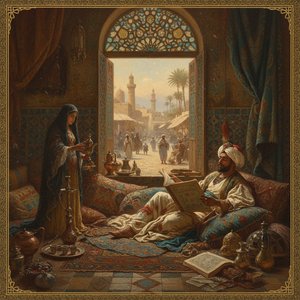
Explore the captivating Orientalist paintings of John Frederick Lewis! Discover his mastery of detail, genre scenes & influence on 19th-century British art. Learn about his life, techniques & legacy at OriginalUniqueArt.

10 Legendarnych Akwareli, Które Zmieniły Sztukę. Inspiracje do Dekoracji Domu.
Odkryj 10 legendarnych akwareli Turner'a, Monet'a i innych mistrzów! Poznaj historie, techniki i inspiracje tych ponadczasowych dzieł. Reprodukcje obrazów najwyższej jakości na OriginalUniqueArt.com – idealne do dekoracji wnętrz.

John Singer Sargent: 25 Arcydzieł Pełnych Elegancji i Światła | OriginalUniqueArt.com
Odkryj 25 arcydzieł Johna Singera Sargenta – mistrza portretu i impresjonizmu. Poznaj historie, techniki i inspiracje za jego najsłynniejszymi obrazami. Reprodukcje najwyższej jakości na OriginalUniqueArt.com. Eksploruj pełną kolekcję online!

Efemeryczne Wizje: Historia i Współczesna Praktyka Malarstwa Akwarelowego
Poznaj historię i techniki malarstwa akwarelowego! Odkryj inspiracje mistrzów, współczesne trendy oraz praktyczne porady dotyczące materiałów. Rozwiń swoją pasję z naszym przewodnikiem.