

 Podgląd w skali
 Wyślij jako kartkę
 Udostępnij
 Szczegóły dzieła

 Pobierz
 Podobne obiekty
 RTG
RTG Pokaz slajdów
 Statystyki
The Via Mala


 Rozwiń treść
Ręcznie malowana reprodukcja olejowa
Ręcznie malowany obraz olejny na płótnie, wykonany na zamówienie przez naszych artystów w wybranym przez Ciebie wymiarze i oprawie. ( Przełącz na wydruki Przełącz na obraz cyfrowy)




P118B $10

P118H $10

P118W $10

P438Z $10

P508JH $12

P508YH $12

P805H $10

P805Z $10

P919BZ $10

P919G $10

P919XJ $10

P959ZH $10

P968JZ $12

W106C $8

W218G $10

W218JH $8

W218Y $10

W307PJ $10

W316G $10

W316PJ $8

W316Y $10

W398PJ $8

W4111J $10

W500HY $15

W500JH $15

W692G $12

W849H $8

W940BG $15

W953PJ $8




Wybierz spośród naszych standardowych rozmiarów, które zachowują oryginalne proporcje dzieła sztuki.

Możesz wprowadzić własne wymiary, aby dopasować obraz do konkretnej ramy lub przestrzeni. Jeśli wybrany rozmiar nie będzie odpowiadał proporcjom oryginału, przytniecie dzieło sztuki lub rozszerzymy je o dodatkowe elementy, ręcznie domalowane przez artystę. Przed rozpoczęciem produkcji wyślemy projekt cyfrowy do Twojej akceptacji.
Należy pamiętać, że podgląd na ekranie nie odzwierciedla rzeczywistego przycinania ani rozszerzania obrazu. Tylko projekt dokładnie pokaże ostateczną kompozycję.
Choć oferujemy możliwość zamówienia niestandardowych rozmiarów, zalecamy wybór wymiaru z gotowej listy, aby zachować oryginalne proporcje dzieła.
Po złożeniu zamówienia zespół OriginalUniqueArt.com skontaktuje się z klientem drogą mailową w celu uzyskania instrukcji i prześle wizualizację projektu
Dostawa na całym świecie () w ciągu 3–4 tygodni zamiast standardowych 5 tygodni. (13 Wrzesień). Bez kompromisów w kwestii jakości.

Bezpłatna ekspresowa wysyłka na cały świat

Wysokiej jakości płótno lniane

Pełne ubezpieczenie przesyłki

Gwarancja zwrotu należności celnych i podatków importowych

Gwarancja wiernego odwzorowania kolorów

100-dniowa polityka zwrotów (tylko w przypadku wad)

Gwarancja 100% zwrotu kosztów

Zniżka przy zamówieniu wielu produktów
 Opcja ze szkłem jest dostępna wyłącznie w rozmiarach poniżej 110 cm

The Via Mala
Technika reprodukcji
Wymiary reprodukcji
-


Cena całkowita
$ 300
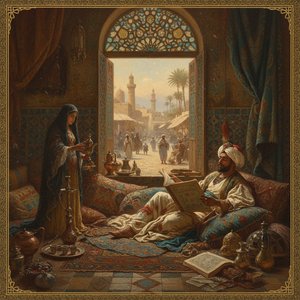
John Frederick Lewis’s “The Via Mala”: A Window into Ottoman Life
John Frederick Lewis's "The Via Mala," painted in 1827, isn’t merely a landscape; it’s a meticulously crafted portal into the world of 19th-century Orientalism. This watercolor and oil masterpiece transports us to the dramatic gorges of the Rhine Valley in Switzerland, yet its power lies not just in its topographical accuracy but in Lewis's profound understanding – and romanticized depiction – of Ottoman culture and daily life. The painting captures a pivotal moment: a group of travelers navigating a treacherous path carved into the mountainside, their figures rendered with an almost photographic realism that belies the artist’s deliberate artistic choices.
Lewis’s journey to Switzerland was part of a larger pattern – a sustained period of travel and observation across the Mediterranean and Middle East. He spent years living in Cairo, immersing himself in the sights, sounds, and customs of Ottoman society. This extended sojourn profoundly shaped his artistic vision, moving him beyond simple depictions of exotic locales towards a nuanced portrayal of human interaction within those environments. Unlike many Western artists who approached Orientalism with a sense of detached observation or even exploitation, Lewis sought to represent the people he encountered with respect and empathy, capturing their clothing, architecture, and social rituals with remarkable detail.
A Symphony of Detail: Technique and Composition
Lewis’s technical skill is immediately apparent. The painting is characterized by an extraordinary level of precision – a hallmark of his style. He meticulously rendered the rugged terrain, the weathered faces of the travelers, and the intricate details of their clothing. Notice the way he captures the play of light on the stone walls, the subtle variations in texture, and the delicate folds of fabric. This painstaking attention to detail wasn’t simply about accuracy; it was a deliberate strategy for conveying depth and realism. The composition itself is carefully balanced, drawing the eye along the winding path towards the distant horizon. The placement of figures creates a sense of movement and drama, while the use of atmospheric perspective – softening details in the distance – adds to the painting’s overall spatial coherence.
Lewis's choice of medium—watercolor and oil combined—further enhances the work’s impact. The watercolor provides a luminous quality, capturing the vibrancy of the natural landscape, while the oil lends richness and depth to the figures and architectural elements. This hybrid approach allowed him to achieve both delicate detail and bold color contrasts, creating a visually arresting effect.
Symbolism and Narrative
“The Via Mala” is rich in symbolic meaning. The treacherous path itself represents the challenges and uncertainties of life’s journey – a metaphor that resonates deeply with the travelers depicted within the scene. Their clothing—a mix of practical travel attire and elements suggestive of Ottoman influence—hints at their origins and destinations. The presence of a small, ornate tent suggests a temporary refuge amidst the harsh landscape, perhaps symbolizing the fleeting nature of encounters and the transient quality of life in foreign lands.
Interestingly, Lewis’s work connects to a contemporary novel, “Via Mala,” by John Knittel, which explored themes of guilt, betrayal, and moral ambiguity within a Swiss village. The painting can be seen as an artistic echo of this narrative, reflecting the complexities and hidden tensions that often lie beneath the surface of seemingly idyllic settings. The title itself, "The Via Mala," directly references this literary work, suggesting a shared exploration of difficult paths and shadowed secrets.
A Legacy of Orientalist Vision
John Frederick Lewis’s “The Via Mala” stands as a testament to his exceptional talent and his profound engagement with the cultures he encountered. It exemplifies the Romantic ideal of the artist as an explorer, observer, and interpreter of the world. His meticulous detail, evocative composition, and nuanced understanding of Ottoman life have secured his place as one of the most important figures in Orientalist painting. Reproductions of this captivating work offer a unique opportunity to bring this window into another era and culture into your own home, inviting contemplation on themes of travel, identity, and the enduring power of art to transcend time and distance.
O artyście
John Frederick Lewis: A Life in Orientalist Painting
John Frederick Lewis, urodzony 14 lipca 1804 roku w Londynie, był wybitnym angielskim malarzem orientalistycznym. Syn Fredericka Christiana Lewisa, rzeźbiarza i malarza krajobrazowego, dziedziczył zamiłowanie do sztuki od rodziny. Jego edukacja artystyczna rozpoczęła się pod okiem Sir Thomas Lawrence’a, gdzie doskonalił swoje umiejętności obok innych artystów, takich jak Edwin Landseer. Ten wczesny okres zapewnił mu solidne podstawy w zakresie techniki i kompozycji.
Early Life and Artistic Beginnings
Lewis spędził dzieciństwo w Londynie, otoczony sztuką. Jego ojciec, Frederick Christian Lewis, był znanym rzeźbiarzem i malował krajobrazy, a jego brat Charles George Lewis zajmował się reprodukcjami graficznymi. W 1827 roku młody John wyjechał w podróż po Europie, gdzie zaczął eksperymentować z techniką akwarelową. Podróż do Hiszpanii i Maroka między 1832 a 1834 rokiem okazała się przełomowa – Lewis stworzył liczne litografie, które później zostały wydane jako “Sketches and Drawings of the Alhambra” (1835) i “Lewis’s Sketches of Spain and Spanish Character” (1836). Te podróże zainspirowały jego twórczość, a szczególnie zainteresował go świat islamu.
The Egyptian Period: A Masterpiece of Detail
Najbardziej produktywnym okresem w życiu Lewisa była jego pobyt w Kairze między 1841 a 1851 rokiem. W tym czasie doskonalił swój styl orientalistyczny, tworząc niezwykle szczegółowe obrazy przedstawiające realistyczne sceny z życia codziennego oraz idealizowane wnętrza egipskie. Lewis był mistrzem w oddawaniu detali – od tekstur tkanin po architekturę i ornamentykę. Jego prace, takie jak “A Young Turkish Woman” czy “The Ramesseum at Thebes”, są świadectwem jego niezwykłej precyzji i wrażliwości na piękno Orientu. Warto zauważyć, że Lewis nie malował nagości, co było rzadkością wśród orientalistów tego czasu.
Notable Works and Artistic Style
Lewis stworzył bogaty dorobek artystyczny, ceniony za niezwykłą dbałość o szczegóły i sugestywną atmosferę. Do jego najbardziej znanych dzieł należą:
- A Bedouin (Yale Center for British Art, New Haven) – Akwarela, która doskonale oddaje jego orientalistyczny styl.
- The Ramesseum at Thebes (Yale Center for British Art, New Haven) – Przemawiająca szczegółami architektoniczna kompozycja.
- A Young Turkish Woman (Yale Center for British Art, New Haven) – Kolejna sugestywna praca Lewisa, ukazująca piękno i elegancję kobiet z Orientu.
Styl Lewisa charakteryzował się dbałością o detale, bogatą paletą barw inspirowaną krajobrazami i strojami, a także skupieniem na scenach codziennego życia i intymnych wnętrzach. Jego prace odzwierciedlają fascynację kulturą islamską i orientalnym światem.
Legacy and Historical Significance
Wkład Lewisa w historię sztuki polega przede wszystkim na jego roli w rozwoju malarstwa orientalistycznego. Jego precyzyjne przedstawienia architektury, mebli i stroju arabskiego ustanowiły nowe standardy realizmu w tym gatunku. Lewis przyczynił się do popularyzacji romantyzującego, lecz szczegółowego obrazu Orientu wśród odbiorców z Zachodu. Po powrocie do Anglii w 1851 roku kontynuował twórczość aż do śmierci 15 sierpnia 1876 roku w Walton-on-Thames. Jego prace są nadal badane i cenione za artystyczną wartość oraz historyczne spojrzenie na Orient w XIX wieku.

Jan Frederick Lewiś
1804 - 1876 , Wielka Brytania
Krótka nota
- Artistic Movement Or Style: Orientalizm
- Artists Or Movements Influenced By This Artist: ['Gérôme']
- Artists Who Influenced This Artist: ['Thomas Lawrence']
- Date Of Birth: 14 lipca 1804
- Date Of Death: 15 sierpnia 1876
- Full Name: John Frederick Lewis
- Nationality: Brytyjczyk
- Notable Artworks:
- A Bedouin
- Ramesseum
- Młoda Turczynka
- Place Of Birth: Londyn, Wielka Brytania
Powiązane artykuły

John Singer Sargent: 25 Arcydzieł Pełnych Elegancji i Światła | OriginalUniqueArt.com
Odkryj 25 arcydzieł Johna Singera Sargenta – mistrza portretu i impresjonizmu. Poznaj historie, techniki i inspiracje za jego najsłynniejszymi obrazami. Reprodukcje najwyższej jakości na OriginalUniqueArt.com. Eksploruj pełną kolekcję online!

10 Legendarnych Akwareli, Które Zmieniły Sztukę. Inspiracje do Dekoracji Domu.
Odkryj 10 legendarnych akwareli Turner'a, Monet'a i innych mistrzów! Poznaj historie, techniki i inspiracje tych ponadczasowych dzieł. Reprodukcje obrazów najwyższej jakości na OriginalUniqueArt.com – idealne do dekoracji wnętrz.
John Frederick Lewis: Orientalism, Detail & Genre Painting in 19th-Century British Art
Explore the captivating Orientalist paintings of John Frederick Lewis! Discover his mastery of detail, genre scenes & influence on 19th-century British art. Learn about his life, techniques & legacy at OriginalUniqueArt.

John Constable: 25 Najlepszych Obrazów Mistrza Angielskiego Krajobrazu | OriginalUniqueArt
Odkryj 25 arcydzieł Johna Constable'a – mistrza angielskiego krajobrazu! Poznaj romantyczne pejzaże, technikę malarską i inspiracje z Dedham Vale. Reprodukcje obrazów najwyższej jakości na OriginalUniqueArt.com. Eksploruj pełną kolekcję online!

Efemeryczne Wizje: Historia i Współczesna Praktyka Malarstwa Akwarelowego
Poznaj historię i techniki malarstwa akwarelowego! Odkryj inspiracje mistrzów, współczesne trendy oraz praktyczne porady dotyczące materiałów. Rozwiń swoją pasję z naszym przewodnikiem.