
 Podgląd w skali
 Wyślij jako kartkę
 Udostępnij
 Szczegóły dzieła

 Pobierz
 Podobne obiekty
 RTG
RTG Pokaz slajdów
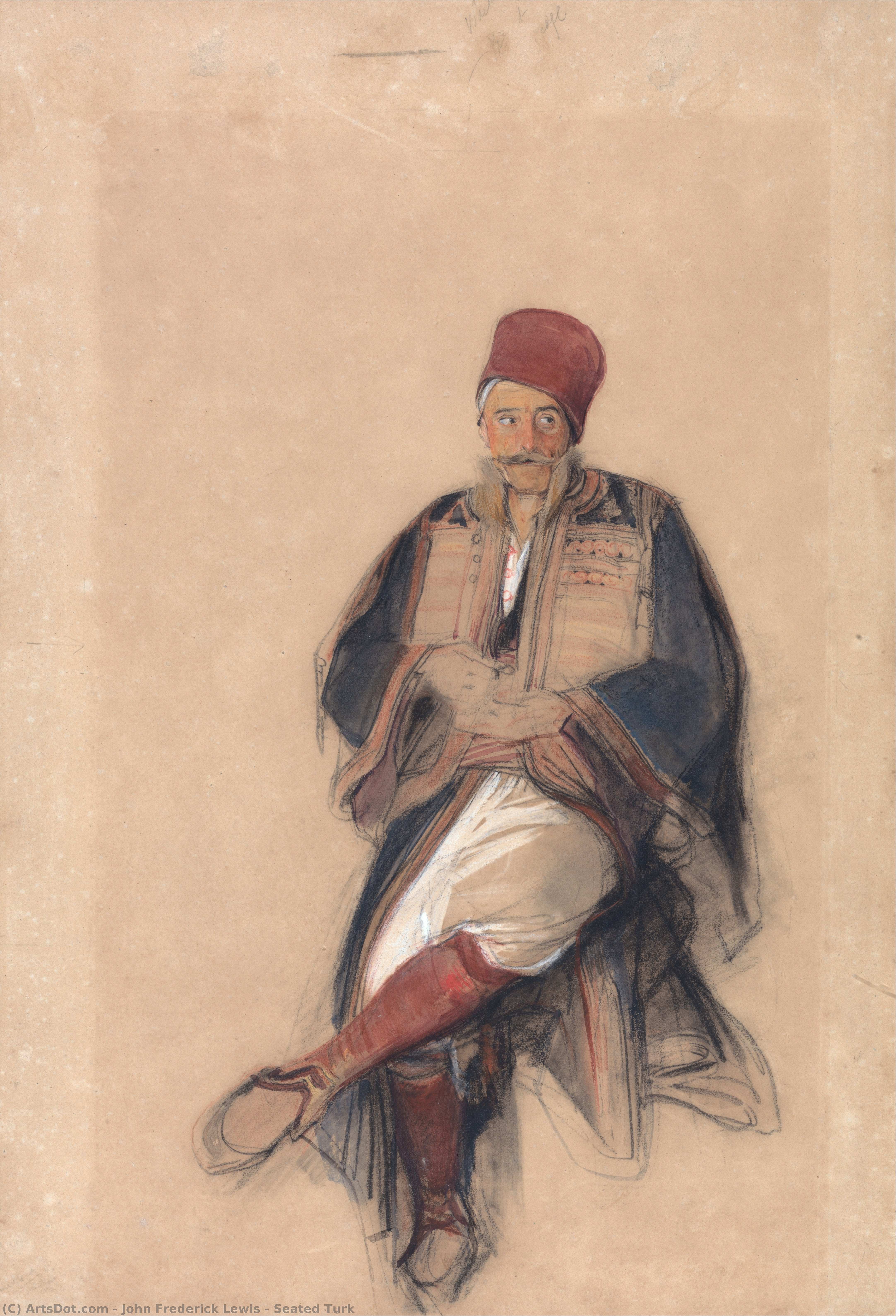
Seated Turk


 Rozwiń treść
Ręcznie malowana reprodukcja olejowa
Ręcznie malowany obraz olejny na płótnie, wykonany na zamówienie przez naszych artystów w wybranym przez Ciebie wymiarze i oprawie. ( Zamów wydruk Przełącz na obraz)




P118B $10

P118H $10

P118W $10

P438Z $10

P508JH $12

P508YH $12

P805H $10

P805Z $10

P919BZ $10

P919G $10

P919XJ $10

P959ZH $10

P968JZ $12

W106C $8

W218G $10

W218JH $8

W218Y $10

W307PJ $10

W316G $10

W316PJ $8

W316Y $10

W398PJ $8

W4111J $10

W500HY $15

W500JH $15

W692G $12

W849H $8

W940BG $15

W953PJ $8




Wybierz spośród naszych standardowych rozmiarów, które zachowują oryginalne proporcje dzieła sztuki.

Możesz wprowadzić własne wymiary, aby dopasować obraz do konkretnej ramy lub przestrzeni. Jeśli wybrany rozmiar nie będzie odpowiadał proporcjom oryginału, przytniecie dzieło sztuki lub rozszerzymy je o dodatkowe elementy, ręcznie domalowane przez artystę. Przed rozpoczęciem produkcji wyślemy projekt cyfrowy do Twojej akceptacji.
Należy pamiętać, że podgląd na ekranie nie odzwierciedla rzeczywistego przycinania ani rozszerzania obrazu. Tylko projekt dokładnie pokaże ostateczną kompozycję.
Choć oferujemy możliwość zamówienia niestandardowych rozmiarów, zalecamy wybór wymiaru z gotowej listy, aby zachować oryginalne proporcje dzieła.
Po złożeniu zamówienia zespół OriginalUniqueArt.com skontaktuje się z klientem drogą mailową w celu uzyskania instrukcji i prześle wizualizację projektu
Dostawa na całym świecie () w ciągu 3–4 tygodni zamiast standardowych 5 tygodni. (11 Sierpień). Bez kompromisów w kwestii jakości.

Bezpłatna ekspresowa wysyłka na cały świat

Wysokiej jakości płótno lniane

Pełne ubezpieczenie przesyłki

Gwarancja zwrotu należności celnych i podatków importowych

Gwarancja wiernego odwzorowania kolorów

Polityka 60-dniowego zwrotu (tylko w przypadku wad)

Gwarancja 100% zwrotu kosztów

Zniżka przy zamówieniu wielu produktów
 Opcja ze szkłem jest dostępna wyłącznie w rozmiarach poniżej 110 cm

Seated Turk
Technika reprodukcji
Wymiary reprodukcji
-


Cena całkowita
$ 300
Opis dzieła
A Portrait of Dignified Mystery: John Frederick Lewis’s “Seated Turk”
John Frederick Lewis's "Seated Turk," painted in 1841, is more than just a portrait; it’s a meticulously crafted tableau vivant—a frozen moment imbued with an air of quiet dignity and subtle melancholy. This watercolor study, now housed at the Yale Center for British Art, offers a captivating glimpse into the burgeoning field of Orientalism within 19th-century European art, revealing both the artist's technical mastery and his engagement with exotic cultures.
The subject himself is an enigmatic figure, a man seated in what appears to be a richly appointed interior. His attire—a vibrant red headpiece, a flowing robe adorned with intricate patterns, and a delicately embroidered vest—immediately transports the viewer to the world of the Ottoman Empire. However, Lewis doesn’t simply depict a literal representation; instead, he captures an essence, a character. The man's gaze is direct yet contemplative, hinting at a life lived beyond the confines of the canvas. The composition itself is carefully balanced, with the figure occupying a significant portion of the frame while leaving ample space around him—a deliberate choice that emphasizes his importance and isolates him within a world of quiet contemplation.
Technique and Style: A Romantic Orientalist Vision
Lewis’s technique is characterized by a remarkable blend of observation and artistic license. He was famously stationed in Cairo for several years, immersing himself in the sights and sounds of Egyptian life. This firsthand experience informed his meticulous attention to detail—the textures of fabrics, the patterns on carpets, the play of light and shadow within the room. Yet, he wasn’t simply aiming for photographic realism; rather, he employed a distinctly Romantic style, prioritizing emotional impact over strict accuracy.
The watercolor medium itself is crucial to the painting's effect. Lewis masterfully utilizes layering washes—thin, translucent applications of pigment that build up gradually to create depth and luminosity. Dry brush techniques are then applied to define form and add textural interest, particularly in the folds of the clothing and the man’s hair. The muted color palette—dominated by earthy tones and rich reds—contributes to the painting's overall atmosphere of quiet contemplation. The flattened perspective, a common feature of Orientalist paintings at the time, further enhances this sense of timelessness and distance, suggesting that the scene exists outside of conventional Western notions of space and reality.
Historical Context: The Rise of Orientalism
“Seated Turk” is a product of its time—a period marked by increasing European interest in the Ottoman Empire and the broader Middle East. The 1830s and 40s witnessed a surge in travel to these regions, fueled by scientific expeditions, diplomatic missions, and, increasingly, artistic exploration. This “Orientalist” movement sought to depict the cultures of the East with a mixture of fascination and exoticism, often romanticizing them while simultaneously perpetuating stereotypes.
Lewis’s work reflects this complex dynamic. While he undoubtedly admired the beauty and sophistication of Ottoman culture, his painting also reveals a certain degree of detachment—a sense that he is observing from a position of privileged distance. Notably, Lewis deliberately avoided depicting overtly sensual or provocative scenes, choosing instead to focus on portraying dignified figures engaged in everyday activities. This approach distinguished him from some of his contemporaries who were more interested in exploiting the perceived exoticism and sensuality associated with Eastern cultures.
Symbolism and Emotional Resonance
Beyond its technical merits, “Seated Turk” possesses a subtle but powerful emotional resonance. The man’s expression—a mixture of serenity and perhaps a hint of melancholy—suggests a life lived in contemplation, far removed from the bustle of Western society. The painting invites us to consider themes of identity, cultural difference, and the complexities of human experience.
The inclusion of details such as the long pipe—a symbol of leisure and philosophical reflection—further reinforces this sense of quiet introspection. “Seated Turk” is not merely a portrait; it’s an invitation to pause, reflect, and contemplate the mysteries of another culture and the enduring questions of human existence. It remains a testament to John Frederick Lewis's skill as an artist and his profound engagement with the world beyond Europe.
O artyście
John Frederick Lewis: A Life in Orientalist Painting
John Frederick Lewis, urodzony 14 lipca 1804 roku w Londynie, był wybitnym angielskim malarzem orientalistycznym. Syn Fredericka Christiana Lewisa, rzeźbiarza i malarza krajobrazowego, dziedziczył zamiłowanie do sztuki od rodziny. Jego edukacja artystyczna rozpoczęła się pod okiem Sir Thomas Lawrence’a, gdzie doskonalił swoje umiejętności obok innych artystów, takich jak Edwin Landseer. Ten wczesny okres zapewnił mu solidne podstawy w zakresie techniki i kompozycji.
Early Life and Artistic Beginnings
Lewis spędził dzieciństwo w Londynie, otoczony sztuką. Jego ojciec, Frederick Christian Lewis, był znanym rzeźbiarzem i malował krajobrazy, a jego brat Charles George Lewis zajmował się reprodukcjami graficznymi. W 1827 roku młody John wyjechał w podróż po Europie, gdzie zaczął eksperymentować z techniką akwarelową. Podróż do Hiszpanii i Maroka między 1832 a 1834 rokiem okazała się przełomowa – Lewis stworzył liczne litografie, które później zostały wydane jako “Sketches and Drawings of the Alhambra” (1835) i “Lewis’s Sketches of Spain and Spanish Character” (1836). Te podróże zainspirowały jego twórczość, a szczególnie zainteresował go świat islamu.
The Egyptian Period: A Masterpiece of Detail
Najbardziej produktywnym okresem w życiu Lewisa była jego pobyt w Kairze między 1841 a 1851 rokiem. W tym czasie doskonalił swój styl orientalistyczny, tworząc niezwykle szczegółowe obrazy przedstawiające realistyczne sceny z życia codziennego oraz idealizowane wnętrza egipskie. Lewis był mistrzem w oddawaniu detali – od tekstur tkanin po architekturę i ornamentykę. Jego prace, takie jak “A Young Turkish Woman” czy “The Ramesseum at Thebes”, są świadectwem jego niezwykłej precyzji i wrażliwości na piękno Orientu. Warto zauważyć, że Lewis nie malował nagości, co było rzadkością wśród orientalistów tego czasu.
Notable Works and Artistic Style
Lewis stworzył bogaty dorobek artystyczny, ceniony za niezwykłą dbałość o szczegóły i sugestywną atmosferę. Do jego najbardziej znanych dzieł należą:
- A Bedouin (Yale Center for British Art, New Haven) – Akwarela, która doskonale oddaje jego orientalistyczny styl.
- The Ramesseum at Thebes (Yale Center for British Art, New Haven) – Przemawiająca szczegółami architektoniczna kompozycja.
- A Young Turkish Woman (Yale Center for British Art, New Haven) – Kolejna sugestywna praca Lewisa, ukazująca piękno i elegancję kobiet z Orientu.
Styl Lewisa charakteryzował się dbałością o detale, bogatą paletą barw inspirowaną krajobrazami i strojami, a także skupieniem na scenach codziennego życia i intymnych wnętrzach. Jego prace odzwierciedlają fascynację kulturą islamską i orientalnym światem.
Legacy and Historical Significance
Wkład Lewisa w historię sztuki polega przede wszystkim na jego roli w rozwoju malarstwa orientalistycznego. Jego precyzyjne przedstawienia architektury, mebli i stroju arabskiego ustanowiły nowe standardy realizmu w tym gatunku. Lewis przyczynił się do popularyzacji romantyzującego, lecz szczegółowego obrazu Orientu wśród odbiorców z Zachodu. Po powrocie do Anglii w 1851 roku kontynuował twórczość aż do śmierci 15 sierpnia 1876 roku w Walton-on-Thames. Jego prace są nadal badane i cenione za artystyczną wartość oraz historyczne spojrzenie na Orient w XIX wieku.

Jan Frederick Lewiś
1804 - 1876 , Wielka Brytania
Krótka nota
- Artistic Movement Or Style: Orientalizm
- Artists Or Movements Influenced By This Artist: ['Gérôme']
- Artists Who Influenced This Artist: ['Thomas Lawrence']
- Date Of Birth: 14 lipca 1804
- Date Of Death: 15 sierpnia 1876
- Full Name: John Frederick Lewis
- Nationality: Brytyjczyk
- Notable Artworks:
- A Bedouin
- Ramesseum
- Młoda Turczynka
- Place Of Birth: Londyn, Wielka Brytania
Powiązane artykuły
Carl Haag: Orientalist Visions & Victorian Spirituality in Watercolor
Explore the captivating Orientalist paintings of Carl Haag (1820-1915). Discover his detailed watercolors, Victorian landscapes & spiritual themes. Expert insights for collectors and art enthusiasts at OriginalUniqueArt.
The Allure of Detail: Precision & Narrative Resonance in Art History
Explore the captivating history of detail in art – from Renaissance masterpieces to modern movements like Precisionism. Discover how specificity shapes narrative, value & collector appeal. Expert insights at OriginalUniqueArt.

Przemiana Fotografii w Ukojającą Estetykę Akwareli: Sztuczna Inteligencja jako Medium Personalnej Spokoju i Refleksji
Przemień swoje zdjęcia w unikalne akwarelowe arcydzieła z OriginalUniqueArt! Ręcznie malowane portrety, gwarancja jakości i trwałości. Stwórz rodzinną pamiątkę na lata dzięki sztucznej inteligencji i mistrzowskim umiejętnościom artystów.

Ewolucja portretów rodzinnych: Personalizowane dzieła sztuki jako kronika życia przez pokolenia
Odkryj historię portretu rodzinnego i zamów spersonalizowane dzieło sztuki! Profesjonalne malarstwo portretowe, od renesansu po współczesność. Inwestycja w emocje i trwałą pamiątkę dla przyszłych pokoleń.

10 Legendarnych Akwareli, Które Zmieniły Sztukę. Inspiracje do Dekoracji Domu.
Odkryj 10 legendarnych akwareli Turner'a, Monet'a i innych mistrzów! Poznaj historie, techniki i inspiracje tych ponadczasowych dzieł. Reprodukcje obrazów najwyższej jakości na OriginalUniqueArt.com – idealne do dekoracji wnętrz.

