

 Zobacz w skali 1:1
 Wyślij
 Udostępnij
 Szczegóły
 Przewodnik

 Pobierz plik obrazu
 Podobne obiekty
 RTG
RTG Pokaz slajdów
 Statystyki
On the Scent

 Czytaj więcej
Giclée / Wydruk artystyczny
Wydruki giclée lub płótna o jakości muzealnej, szybka realizacja i szeroki wybór opcji wykończenia. ( Kup ręcznie malowany obraz Przełącz na wersję cyfrową)




































Wybierz spośród naszych standardowych rozmiarów, które zachowują oryginalne proporcje dzieła sztuki.

Wpisz wymaganą szerokość i wysokość, aby dopasować grafikę do ramy lub ściany. Wydruk można jedynie przyciąć, nigdy nie powiększając go poza oryginalny obraz, dlatego format o innym proporcji spowoduje utratę części kompozycji. Przed rozpoczęciem druku prześlemy Ci cyfrowy podgląd do zatwierdzenia. Obraz wyświetlany na tej stronie nie pokazuje rzeczywistego przycięcia — jedynie podgląd oddaje ten efekt.
Dostawa na cały świat () w ciągu 2 tygodni zamiast standardowych 4/5 tygodni. (24 Październik)

Bezpłatna ekspresowa wysyłka na cały świat

Wysokiej jakości płótno lniane

Pełne ubezpieczenie transportowe

Gwarancja zwrotu należności celnych i podatków importowych

Gwarancja idealnego odwzorowania barw

100-dniowy okres na zwrot dzieła w przypadku wykrycia wad produkcyjnych

Gwarancja 100% zwrotu pieniędzy

Oferta przy zakupie wielu sztuk
 Opcja ze szkłem jest dostępna wyłącznie w rozmiarach poniżej 110 cm

On the Scent
Giclée / Wydruk artystyczny
Rozmiar reprodukcji
-


Suma do zapłaty
zł 308
On the Scent: A Dynamic Hunting Scene by John Frederick Herring Senior
- Artist: John Frederick Herring Senior
- Date: Unknown
- Medium: Oil on Canvas
A Lively Depiction of 19th-Century Sporting Life
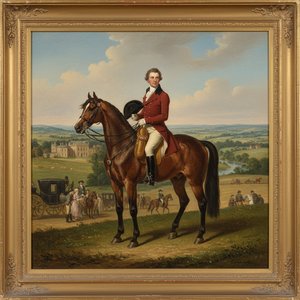
“On the Scent” by John Frederick Herring Senior captures a vibrant moment during a fox hunt, a popular pastime in 19th-century England. The artwork pulsates with energy as a mounted huntsman, distinguished by his striking red coat, leads a pack of hounds across an open field. The composition is skillfully arranged to draw the viewer's eye directly to the rider and his horse, while the surrounding landscape provides a naturalistic backdrop. Two additional figures on horseback are visible in the distance, hinting at the larger group participating in the chase. Herring’s keen observation of animal anatomy and movement brings this scene to life with remarkable realism.
Style and Technique: British Sporting Art at its Finest
Herring Senior was a leading figure in British sporting art, known for his realistic depictions of animals and landscapes. This painting exemplifies the style of the era, characterized by meticulous detail and an emphasis on capturing the excitement of outdoor pursuits. The artist’s technique involves visible brushstrokes that contribute to a textured appearance, adding depth and dynamism to the scene. The use of oil paints allows for rich color saturation and subtle gradations in tone, enhancing the overall visual impact. Notice how Herring uses strong vertical lines in the trees to contrast with the diagonal movement of the horse and hounds, creating a sense of forward momentum.
Symbolism and Emotional Impact
Beyond its depiction of a sporting event, "On the Scent" carries symbolic weight. The bright red coat worn by the huntsman signifies authority and leadership within the hunting party – he is the one guiding the chase. The hounds themselves represent loyalty and determination in pursuit of their quarry. The painting evokes feelings of energy, movement, and the thrill of the hunt—a reflection of the Victorian era’s fascination with outdoor activities and displays of skill. The natural lighting, with highlights on the horse and rider, further enhances the sense of immediacy and excitement.
Historical Context and the Herring Family Legacy
John Frederick Herring Senior (1795-1865) was born in London and later moved to Doncaster, where he established himself as a prominent artist. He is particularly celebrated for his depictions of horses and hunting scenes, often capturing the essence of rural life in 19th-century England. Remarkably, Herring Senior’s sons – John Frederick Herring Jr., Charles Herring, and Benjamin Herring – also became artists, contributing to a family legacy within the art world. His daughter Ann married Harrison Weir, further cementing the family's connection to artistic circles. This painting offers a glimpse into a period of significant social and cultural change in England, where sporting events like fox hunting were both a recreational pursuit and a symbol of status.
Pytania i odpowiedzi
W jaki sposób mogę uzyskać plik cyfrowy dzieła „On the Scent” autorstwa John Frederick Herring Senior?
„On the Scent” jest dostępny jako wysokiej rozdzielczości cyfrowe zdjęcie do pobrania, można go nabyć bezpośrednio na stronie Obraz cyfrowy.
W jaki sposób tematyka dzieła "On the Scent" odnosi się do typowych motywów twórczości John Frederick Herring Senior?
Powracające motywy w twórczości John Frederick Herring Senior obejmują british sporting art traditions, realistic animal depiction focus, typical of herring's animal paintings, demonstrates skill in capturing movement, represents a key subject for the artist, popular 19th-century english pastime, celebration of rural life & sport, reflects aristocratic pursuits; „On the Scent” koncentruje się na hunting, horses, fox hunt, british art, animal painting, landscape, equestrian, red coat.
Jak mogę odkryć dzieła zbliżone do „On the Scent” autorstwa John Frederick Herring Senior?
Dzieła podobne do „On the Scent” autorstwa John Frederick Herring Senior zostały zgromadzone na stronie Podobne dzieła danego dzieła.
Biografia artysty
John Frederick Herring Sr.: A Life in Art and Sport
Born September 12, 1795, London, United Kingdom, John Frederick Herring Sr., was a British painter, sign maker, and coachman whose legacy endures as one of the most celebrated equine artists of the Victorian era. From an early age, he possessed a profound aversion to urban life—a preference fueled by an innate fascination for horses—influencing his entire artistic trajectory. His father’s mercantile endeavors in Amsterdam instilled within him a cosmopolitan outlook alongside a deep appreciation for craftsmanship and observation.Early Life and Career
Herring's formative years were spent amidst the bustling streets of London, where he honed his drawing skills and cultivated an unwavering passion for equestrian pursuits. Recognizing this talent early on, local gentry swiftly commissioned portraits of hunters and racehorses—a pivotal step in establishing his reputation as a skilled animal painter. Notably, he commenced his professional life as a night coachman and painter of inn signs, roles that afforded him invaluable firsthand experience of the horse trade and provided unparalleled opportunities for detailed anatomical study. This meticulous attention to detail would become a hallmark of his artistic style.Development as an Artist
Seeking formal instruction, Herring briefly studied under Abraham Cooper—a respected figure in animal painting—further refining his technique and broadening his artistic horizons. In 1836, he proudly added “Sr.” to his signature, differentiating himself from his son, John Frederick Herring Jr., who was embarking on his own artistic journey—a testament to the enduring influence of familial creativity. His work gained considerable acclaim thanks to royal patronage; commissions from Queen Victoria and the Duchess of Kent solidified his position as a leading artist of the time. Furthermore, Herring’s travels extended beyond Britain, culminating in a visit to Paris in 1840-1841 at the invitation of the Duc d’Orleans—a period during which he produced several captivating canvases for his patron. Expanding his artistic repertoire beyond equine subjects, Herring embraced agricultural scenes and narrative paintings, demonstrating versatility and capturing the essence of British rural life.Major Achievements and Style
Herring's prolific output graced prestigious institutions such as the Royal Academy (1818–1865), the British Institution (1830–1865), and the Society of British Artists (1836-1852)—a remarkable feat for an artist operating during a period of artistic innovation. His paintings achieved widespread dissemination through engravings, dramatically elevating his popularity among the public—a testament to both his artistic skill and the effectiveness of Victorian printmaking techniques. Herring’s distinctive style was characterized by its unwavering realism, meticulous attention to detail, and dynamic portrayal of horses in motion. He captured not merely their physical appearance but also their spirit and movement with breathtaking precision—a characteristic that distinguishes him from many contemporaries. His canvases pulsate with life, conveying a palpable sense of energy and immediacy.Historical Significance
John Frederick Herring Sr.’s contribution to British art transcends mere aesthetic beauty; he served as a recorder of sporting life—capturing the thrill and grandeur of horse racing and hunting events with unparalleled artistry. He stands alongside Sir Edwin Landseer as one of the foremost animal painters of his era, embodying the Victorian fascination for observing and documenting the natural world. Moreover, Herring’s artistic lineage extended beyond himself—his sons and daughters pursued careers in art, perpetuating a family tradition of creativity and establishing a lasting legacy within British cultural history. His enduring popularity speaks to the universal appeal of his subject matter and the masterful execution of his artistic vision.
John Frederick Herring Senior
1795 - 1865 , Wielka Brytania
Najważniejsze informacje
- Artistic Movement Or Style: Victorian art
- Artists Who Influenced This Artist: ['Abraham Cooper']
- Date Of Birth: September 12, 1795
- Full Name: John Frederick Herring Sr.
- Nationality: British
- Notable Artworks:
- Mazeppa Pursued by Wolves
- The Start of the Goodwood Gold Cup
- Sir Mark Wood with his filly Vespa
- Place Of Death: Tonbridge
Zobacz także powiązane artykuły
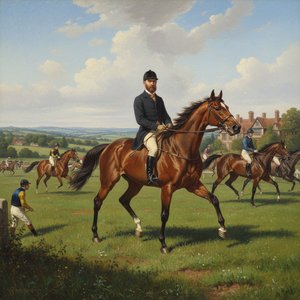
John Frederick Herring Sr.: Equestrian Mastery & the Rise of Sporting Art in Victorian England
Explore the life & work of John Frederick Herring Sr., a leading Victorian equestrian artist. Discover his masterpieces, patronage, techniques & investment potential. Expert insights for collectors.
The Noble Steed on Canvas: A Historical & Artistic Exploration of Horse Painting Across Cultures
Explore the rich history of horse painting! Discover masterpieces from Stubbs to Munnings & learn about symbolism, techniques & artists. Find museum-quality reproductions at OriginalUniqueArt.
Zwierzęta w Sztuce: Wprowadzanie Życia do Twojej Przestrzeni
Odkryj fascynujący świat zwierząt w sztuce! Poznaj symbolikę, historię i współczesne interpretacje. Znajdź idealny obraz ze zwierzęciem do swojego wnętrza z .
Beastly Brushstrokes: A Historical Journey Through Animal Painting & Aesthetic Movements
Explore the rich history of animal painting across cultures & movements. Discover iconic artists, symbolism, collecting trends & expert art consultation at OriginalUniqueArt.com.
Sr. John E. Ferneley: Equestrian Portraiture & England's Social Fabric
Explore the captivating world of Sr. John E. Ferneley, a master of British sporting art. Discover his exquisite equestrian paintings & insights into 19th-century society. Invest in timeless masterpieces with OriginalUniqueArt.