Text size

() ·

A painting made for you, by hand

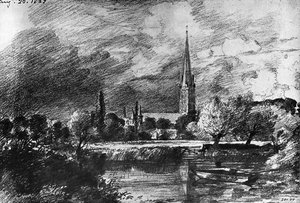
Widok w stronę plebanii, East Bergholt

Ręcznie malowana reprodukcja olejowa

Ręcznie malowany obraz olejny na płótnie, wykonany na zamówienie przez naszych artystów w wybranym przez Ciebie wymiarze i oprawie. ( Przełącz na wydania drukowane Przejdź do wersji cyfrowej)

Opis obiektu

Poznaj „Widok w stronę plebanii” Johna Constabla, urzekający pejzaż East Bergholt. Ten obraz olejny z 1813 roku ukazuje jego unikalny styl i więź z naturą; znajduje się obecnie w Yale University.

Biografia artysty

John Constable (1776-1837) – brytyjski malarz krajobrazowy, rewolucjonista gatunku. Jego emocjonalne obrazy z Suffolku, takie jak 'Wagon na siano', inspirują do podziwiania piękna natury.

from ·

Chapter 1

How large should it be?

Slide to change the size; the picture on the left shows the frame at its real width. The proportions of the original are kept.

Standardowy format
personalizowane
CM
INCH

Wybierz spośród naszych standardowych rozmiarów, które zachowują oryginalne proporcje dzieła sztuki.

szerokość
wysokość

Wpisz wymaganą szerokość i wysokość, aby obraz pasował do Twojej ramy lub ściany. Ponieważ jest to dzieło malowane ręcznie, w przypadku rozmiaru o innych proporcjach artysta może domalować nieco więcej wokół obrazu lub przyciąć jego fragmenty — wybór należy do Ciebie. Przed rozpoczęciem pracy prześlemy Ci cyfrową wizualizację do zatwierdzenia. Obraz widoczny na tej stronie nie przedstawia rzeczywistego efektu — jedynie wizualizacja oddaje realny rezultat.

Chapter 2

How should it arrive?

Choose the edges of the stretched canvas

Choose your frame

Corner sample of the WhiteWrap canvas edge finish, stretched on lite drewno bars
White zł1
Corner sample of the BlurSideWrap canvas edge finish, stretched on lite drewno bars
Blurside zł1
Corner sample of the ExtendedWrap canvas edge finish, stretched on lite drewno bars
Extended zł1
Corner sample of the P118B picture frame: polistyren formowany, 5 cm wide and 3 cm thick
P118B zł10
Corner sample of the P118H picture frame: polistyren formowany, 5 cm wide and 3 cm thick
P118H zł10
Corner sample of the P118W picture frame: polistyren formowany, 5 cm wide and 3 cm thick
P118W zł10
Corner sample of the P438Z picture frame: polistyren formowany, 5.5 cm wide and 3.5 cm thick
P438Z zł10
Corner sample of the P508JH picture frame: polistyren formowany, 7 cm wide and 3.5 cm thick
P508JH zł12
Corner sample of the P508YH picture frame: polistyren formowany, 7 cm wide and 3.5 cm thick
P508YH zł12
Corner sample of the P805H picture frame: polistyren formowany, 5 cm wide and 3.5 cm thick
P805H zł10
Corner sample of the P805Z picture frame: polistyren formowany, 5 cm wide and 3.5 cm thick
P805Z zł10
Corner sample of the P919BZ picture frame: polistyren formowany, 7 cm wide and 3.5 cm thick
P919BZ zł10
Corner sample of the P919G picture frame: polistyren formowany, 7 cm wide and 3.5 cm thick
P919G zł10
Corner sample of the P919XJ picture frame: polistyren formowany, 7 cm wide and 3.5 cm thick
P919XJ zł10
Corner sample of the P959ZH picture frame: polistyren formowany, 5 cm wide and 3 cm thick
P959ZH zł10
Corner sample of the P968JZ picture frame: polistyren formowany, 6 cm wide and 4 cm thick
P968JZ zł12
Corner sample of the W106C picture frame: lite drewno, 5 cm wide and 3 cm thick
W106C zł8
Corner sample of the W218G picture frame: lite drewno, 5 cm wide and 3 cm thick
W218G zł10
Corner sample of the W218JH picture frame: lite drewno, 5 cm wide and 3 cm thick
W218JH zł8
Corner sample of the W218Y picture frame: lite drewno, 5 cm wide and 3 cm thick
W218Y zł10
Corner sample of the W307PJ picture frame: lite drewno, 6 cm wide and 3 cm thick
W307PJ zł10
Corner sample of the W316G picture frame: lite drewno, 6 cm wide and 3 cm thick
W316G zł10
Corner sample of the W316PJ picture frame: lite drewno, 6 cm wide and 3 cm thick
W316PJ zł8
Corner sample of the W316Y picture frame: lite drewno, 6 cm wide and 3 cm thick
W316Y zł10
Corner sample of the W398PJ picture frame: lite drewno, 5 cm wide and 3 cm thick
W398PJ zł8
Corner sample of the W4111J picture frame: lite drewno, 6.5 cm wide and 3.5 cm thick
W4111J zł10
Corner sample of the W500HY picture frame: lite drewno, 7 cm wide and 5 cm thick
W500HY zł15
Corner sample of the W500JH picture frame: lite drewno, 7 cm wide and 5 cm thick
W500JH zł15
Corner sample of the W692G picture frame: lite drewno, 8 cm wide and 4 cm thick
W692G zł12
Corner sample of the W849H picture frame: lite drewno, 5 cm wide and 3 cm thick
W849H zł8
Corner sample of the W940BG picture frame: lite drewno, 7.5 cm wide and 4.5 cm thick
W940BG zł15
Corner sample of the W953PJ picture frame: lite drewno, 6 cm wide and 3.5 cm thick
W953PJ zł8
Corner sample of the H24-GOLD picture frame: rzeźbione drewno pokryte gipsem, 10 cm wide and 6 cm thick
H24-GOLD zł30
Corner sample of the H24-SILVER picture frame: rzeźbione drewno pokryte gipsem, 10 cm wide and 6 cm thick
H24-SILVER zł30
Corner sample of the H36-GOLD picture frame: rzeźbione drewno pokryte gipsem, 15 cm wide and 6.5 cm thick
H36-GOLD zł45
Corner sample of the H36-SILVER picture frame: rzeźbione drewno pokryte gipsem, 15 cm wide and 6.5 cm thick
H36-SILVER zł45

Moulding: . Overall size with the frame: .

Chapter 3

Who paints it, and should anything change?

Examples of what can be changed: Replace face with customer photo; Add pet (e.g., replace cat with dog); Include hidden message in background; Change background landscape or elements.
After order, OriginalUniqueArt.com team will email client for instructions and provide a mockup preview

Dostawa na całym świecie () w ciągu 3–4 tygodni zamiast standardowych 5 tygodni. (2 Listopad). Bez kompromisów w kwestii jakości.

Chapter 4

The finishing touches

A nameplate, as in a museum?

Szczegóły grawerowanej brązowej tabliczki

This elegant plaque features the artist's name and the title of the artwork, finely engraved for a timeless presentation.

It is made from bronze with a refined, elegant finish. The text is precisely laser-engraved for a sharp and permanent result. Measuring 9x2 cm, the plaque is compact yet easy to read. It's built to be durable and scratch-resistant, offering a professional, museum-quality look. Mounting is simple thanks to the included adhesive backing.

Szczegóły przezroczystej tabliczki akrylowej

The plaque includes essential engraved details such as the artist's name, the title of the artwork, the date it was created, the type of media used-like oil on canvas or watercolor-a brief description of the piece, and a QR code that links to the complete artwork information.

It is crafted from clear acrylic, offering a sleek, modern appearance. The text is UV-engraved in black to ensure strong visual contrast. With a size of 10x15 cm, it ensures optimal readability. It comes equipped with two metal hooks for secure wall mounting. The plaque is designed to be weather-resistant, making it suitable for various environments, and it includes interactive features that work seamlessly with smartphone scanning.

Szczegóły czarnej tabliczki akrylowej

This elegant plaque includes engraved information such as the artist's name, the title of the artwork, the date it was created, the type of media used (like oil on canvas or watercolor), a short description of the artwork, and a QR code for quick access to more information.

The plaque itself is made from refined black acrylic with a premium finish. The text is laser-engraved in white for high contrast and readability. Its size is 10x15 cm, designed to be easy to read. It comes with two metal hooks for professional mounting. The design is sleek and fits any interior style. It is also weather-resistant and durable, with built-in digital integration for mobile compatibility.

A protective varnish?

When do you need it?

Chapter 5

Your painting, as you ordered it

Widok w stronę plebanii, East Bergholt

Technika reprodukcji

Wymiary reprodukcji

-

Wybitny mistrz artystyczny

Większa szczegółowość, finezja i dodatkowy czas na realizację

-

Opcje oprawy reprodukcji

-

-

W przypadku dzieł sztuki lub reprodukcji, których którykolwiek z boków przekracza 105 cm (około 41 cali), rama zostanie wysłana w formie zestawu do samodzielnego montażu. Metoda ta zapewnia bezpieczną dostawę i zapobiega uszkodzeniom podczas transportu.

Wymagany profesjonalny montaż – nie jest to produkt typu DIY.
Zestaw musi zostać złożony, a płótno naciągnięte przez doświadczonego profesjonalnego ramiarza, przy użyciu kleju do drewna (brak w zestawie), kleszczy do naciągania płótna oraz ścisków, które utrzymają krosna w równej pozycji podczas schnięcia kleju. Nieprawidłowy montaż lub nierównomierne napięcie płótna może trwale uszkodzić dzieło sztuki i nie podlega naszej gwarancji.

  • W zestawie znajdują się wszystkie listwy z litego drewna, precyzyjnie docięte do wymiarów.

  • Montaż odbywa się przy użyciu dołączonych wkrętów oraz kleju do drewna do łączenia narożników, którego zestaw nie zawiera i który musi zostać dostarczony przez ramiarza.

  • Wymagane są profesjonalne narzędzia, których nie ma w zestawie: kleszcze do naciągania płótna (napinacz) oraz zaciski, które pozwolą utrzymać listwy w równej pozycji podczas schnięcia kleju.

Ważne:
Do połączenia narożników niezbędny jest klej do drewna, listwy należy unieruchomić za pomocą ścisków do momentu całkowitego wyschnięcia kleju, a naciągnięcie płótna na złożoną ramę wymaga użycia kleszczy do naciągania płótna. Żaden z tych elementów nie jest dołączony do zestawu. Przed zamówieniem tego rozmiaru zalecamy konsultację z doświadczonym ramiarzem.

Etykieta obiektu

-

-

Lakier ochronny

Lakier z połyskiem (pogłębia kolory, chroni przed światłem i wilgocią)

-

Personalizacja dzieła

Przykłady możliwości personalizacji: zastąp twarz zdjęciem klienta; dodaj zwierzę domowe (np. zamień kota na psa); umieść ukrytą wiadomość w tle; zmień krajobraz lub elementy tła.

-

Ekspresowa

Dostawa na cały świat () w ciągu 3–4 tygodni zamiast standardowych 5 tygodni. (2 Listopad). Bez kompromisów w kwestii jakości.

-

Przesyłka ekspresowa

Dostawa na cały świat () w ciągu 5 tygodni. (9 Listopad).

W cenie

Cena całkowita

zł 1168

Suma całkowita zł 1168

Opcja ze szkłem jest dostępna wyłącznie w rozmiarach poniżej 110 cm

Included with every order

  • Bezpłatna ekspresowa wysyłka na cały świat
  • Wysokiej jakości płótno lniane
  • Pełne ubezpieczenie przesyłki
  • Gwarancja zwrotu należności celnych i podatków importowych
  • Gwarancja wiernego odwzorowania kolorów
  • 100-dniowa polityka zwrotów (tylko w przypadku wad)
  • Gwarancja 100% zwrotu pieniędzy
  • Zniżka przy zakupie wielu sztuk

Chwila zatrzymana w czasie: „Widok w stronę plebanii w East Bergholt” Johna Constabla

„Widok w stronę plebanii w East Bergholt” autorstwa Johna Constabla, namalowany w 1813 roku, to coś znacznie więcej niż zwykły pejzaż; to starannie skonstruowana esencja pamięci, emocji oraz głębokiej więzi łączącej artystę z jego tematem. Ten olej na płótnie, o wymiarach nieco ponad 11 x 14 centymetrów, znajduje się obecnie w prestiżowym Yale Center for British Art, jednak jego oddziaływanie wykracza daleko poza skromny format, oferując okno na rewolucyjne podejście Constabla do przedstawiania natury oraz jego niezwykle osobistą relację z wiejskim krajobrazkiem Suffolk. Obraz natychmiast przyciąga wzrok swoją spokojną kompozycją – łagodnie falujące pole, którego punktem odniesienia jest odległa sylwetka plebanii, ukrytej wśród kępy drzew zdających się oddychać wraz z samym powietrzem. Nad całością rozpościera się niebo ciężkie od chmur, zapowiadające nadchodzącą burzę, co stanowi dramatyczny kontrapunkt dla naturalnego spokoju sceny.

Geniusz Constabla nie polegał na niewolniczym naśladowaniu rzeczywistości, lecz na uchwyceniu jej odczucia. Artysta nie malował jedynie tego, co widział; on przekazywał atmosferę, światło i emocjonalny rezonans tej konkretnej chwili. Zastosowanie swobodnych pociągnięć pędzla, charakterystycznych dla jego stylu, tworzy wrażenie ruchu i bezpośredniości – niemal można poczuć powiew wiatru szumiący w trawie i usłyszeć beczenie owiec pasących się spokojnie na pierwszym planie. Warto zwrócić uwagę, jak malarz wykorzystuje subtelne różnice w kolorystyce, by zasugerować głębię i odległość; zielenie pola stopniowo łagodnieją, wycofując się w głąb tła, podczas gdy odległe drzewa nabierają zamglonego, błękitnego odcienia. Ta mistrzowska manipulacja światłem i cieniem jest znakiem rozpoznawczym techniki Constabla, odróżniającym go od wcześniejszych pejzażystów, którzy preferowali bardziej sztywne, idealizowane przedstawienia.

Serce malarza: Kontekst i inspiracje

Aby w pełni docenić „Widok w stronę plebanii”, kluczowe jest zrozumienie jego kontekstu historycznego. Constable był postacią przełomową w procesie przejścia między klasycyzmem a romantyzmem w sztuce. Choć początkowo kształcił się w tradycji akademickiej, pod wpływem takich mistrzów jak Claude Lorrain czy Jacob van Ruisdael, szybko wypracował własny, unikalny styl – taki, który przedkładał osobistą obserwację i ekspresję emocjonalną nad formalne reguły. Ta zmiana była szczególnie istotna w Anglii, gdzie malarstwo pejzażowe było wówczas spychane na boczny tor wzglęرem tematów historycznych i mitologicznych. Dzieło Constabla rzuciło wyzwanie tej konwencji, podnosząc skromny angielski krajobraz do rangi tematu godnego poważnej uwagi artystycznej.

Jego skupienie na ukochanym domu – dolinie Dedham Vale, która służyła jako inspiracja dla wielu jego płócien – było rewolucyjne. Nie tworzył on jedynie malowniczej sceny; nasycał ją własnymi wspomnieniami, emocjami i doświadczeniami. To niezwykle osobiste podejście głęboko poruszyło odbiorców, którzy coraz bardziej szukali w sztuce odzwierciedlenia własnego życia i otoczenia. Wpływ Constabla wykraczał daleko poza granice Anglii, kształtując rozwój romantyzmu we Francji, gdzie artyści tacy jak Eugène Delacroix przyjęli jego nacisk na emocje, naturę i indywidualne przeżycia.

Warstwy symboliczne: Interpretacja detali

Poza technicznym kunsztem, „Widok w stronę plebanii” jest nasycony znaczeniem symbolicznym. Sama plebania, będąca centralnym elementem kompozycji, reprezentuje stabilność, tradycję, a być może nawet pewną tęsknotę za przeszłością. Owce pasące się na polu to nie tylko elementy dekoracyjne; symbolizują one niewinność, prostotę i obfitość natury. Rozproszone nad głową chmury sugerują zarówno piękno, jak i potencjalne zakłócenie spokoju – co stanowi lustrzane odbicie złożoności ludzkiego życia. Nawet ptaki szybujące wysoko w górze dodają obrazowi dynamicznej energii, wprowadzając do sceny poczucie ruchu i wolności.

Obecność East Bergholt House w tle ma szczególne znaczenie, gdyż zakotwicza obraz w osobistej historii samego artysty. Dom ten był miejscem jego narodzin, a widok z jego okien stał się źródłem inspiracji na całe życie. To właśnie w tym otoczeniu kształtowała się jego wizja artystyczna i budowała trwała więź z angielską wsią. Obraz ten nie jest zatem tylko pejzażem; to wizualne świadectwo głębokiej miłości Constabla do ojczyzny oraz jego niezłomnego dążenia do uwiecznienia jej istoty na płótnie.

Przenieś Constabla do swojego domu: Reprodukcje OriginalUniqueArt

OriginalUniqueArt oferuje pieczołowicie wykonane, ręcznie malowane reprodukcje olejowe dzieła Johna Constabla „Widok w stronę plebanii w East Bergholt”. Każda replika jest tworzona przez wykwalifikowanych rzemieślników, którzy z niezwykłą starannością odtwarzają pociągnięcia pędzla i paletę barw mistrza, zapewniając niespotykany poziom autentyczności. Używamy wyłącznie materiałów najwyższej jakości archiwalnej, aby zagwarantować, że Twoja reprodukcja przetrwa pokolenia. Bez względu na to, czy jesteś doświadczonym kolekcjonerem sztuki, projektantem wnętrz szukającym nuty ponadczasowej elegancji, czy po prostu miłośnikiem geniuszu Constabla, nasze reprodukcje stanowią piękną i przystępną drogę do obcowania z tym ikonicznym dziełem we własnym domu.

Odkryj pełnię detali i skali tego arcydzieła dzięki naszym obrazom o wysokiej rozdzielczości. Przekonaj się, jak mały obraz może nieść tak głęboki ładunek emocjonalny – i wprowadź to samo piękno do swojej przestrzeni dzięki reprodukcji „Widok w stronę plebanii w East Bergholt” od OriginalUniqueArt.

Pytania i odpowiedzi

Jaki nastrój wprowadzi Widok w stronę plebanii, East Bergholt do wnętrza?

Dzięki swojemu Romantyczny nastrojowi, "Widok w stronę plebanii, East Bergholt" idealnie sprawdzi się w Salon lub strefa dzienna.

Jaki jest format oraz wymiary dzieła „Widok w stronę plebanii, East Bergholt” – John Constable?

Format dzieła "Widok w stronę plebanii, East Bergholt" to Pozioma, a wymiary oryginału wynoszą 11 x 14 cm. Obie te informacje są przydatne przy planowaniu reprodukcji.

Czy "Widok w stronę plebanii, East Bergholt" charakteryzuje się silnym kontrastem światłocienia?

Poziom kontrastu dzieła „Widok w stronę plebanii, East Bergholt” – John Constable wynosi Zrównoważony kontrast.

More about this painting

Podgląd w skali 1:1 Podgląd AR Przełącz na wydania drukowane Przejdź do wersji cyfrowej Wyślij jako kartkę
Szczegóły dzieła Przewodnik Dodaj do ulubionych Pobierz obraz Podobne obiekty RTG Pokaz slajdów Q&A Statystyki

In numbers

  • 1813the year it was painted
  • 29frames to choose from
  • standard sizes, in its own proportions
  • 5weeks to paint and deliver it
John Constable

John Constable

1776 - 1837, Wielka Brytania

Quick facts about John Constable

  • Artistic Movement Or Style: Romanticizm
  • Artists Or Movements Influenced By This Artist: ['Barbizon School']
  • Artists Who Influenced This Artist:
    • Claude Lorrain
    • Ruisdael
  • Date Of Birth: 11 czerwca 1776
  • Date Of Death: 31 marca 1837
  • Full Name: John Constable
  • Nationality: Brytyjski
  • Notable Artworks:
    • The Hay Wain
    • Hadleigh Castle
    • Salisbury Cathedral
  • Place Of Birth: East Bergholt, UK

Biografia artysty

A Life Rooted in the English Landscape

John Constable, born in 1776 in the idyllic Suffolk village of East Bergholt, wasn’t merely a painter of landscapes; he was a poet of the land, translating its subtle moods and enduring beauty onto canvas with an unprecedented emotional depth. His father, a prosperous corn merchant who owned both Dedham Vale and mills along the River Stour, provided not only financial security but also the very subject matter that would define Constable’s artistic life. This early immersion in the rural world – the slow rhythm of agricultural life, the ever-changing light on fields and water, the intimate details of nature – became indelibly etched into his sensibility. While initially destined to follow his father into business, a burgeoning passion for art, nurtured by local patrons like George Beaumont who introduced him to the works of Claude Lorrain, ultimately steered him toward a different path. Constable’s artistic journey wasn’t immediate; it was a gradual unfolding, shaped by careful observation and a persistent desire to capture not just *what* he saw, but *how* it felt to be present within the landscape.

Breaking with Convention: A New Vision of Nature

Constable’s artistic development was marked by a deliberate rejection of prevailing academic conventions. Dissatisfied with the idealized and often theatrical landscapes favored by the Royal Academy, he sought instead a truthful representation of nature, imbued with personal feeling. He wasn't interested in grand historical narratives or mythological scenes; his focus remained steadfastly on the familiar countryside surrounding him. This commitment to depicting ordinary subjects – hay wains, farm buildings, village life – was initially met with resistance from critics who deemed his work too commonplace and lacking in ambition. However, Constable persevered, driven by a conviction that beauty resided in the everyday. He pioneered a technique of *plein air* painting, venturing outdoors to directly observe and capture the fleeting effects of light and weather. This direct engagement with nature allowed him to infuse his canvases with an immediacy and vitality previously unseen in British landscape art. His brushwork became increasingly loose and expressive, employing impasto – thick layers of paint – to create texture and convey a sense of movement and atmosphere. He wasn’t simply recording what he saw; he was translating his emotional response to the land into visual form.

Iconic Works and Lasting Influence

Constable's most celebrated works stand as testaments to his unique vision. The Hay Wain (1821), perhaps his most recognizable painting, depicts a quintessential rural scene on the River Stour, capturing the tranquility and harmony of agricultural life. Hadleigh Castle (1829) showcases his dramatic use of light and atmospheric effects, transforming a crumbling ruin into a powerful symbol of time’s passage. The series of paintings depicting Salisbury Cathedral from the Meadows (1823) demonstrates his ability to evoke different moods and times of day, revealing the cathedral as an integral part of the natural landscape. Netley Abbey (1824), with its evocative depiction of architectural grandeur amidst encroaching nature, exemplifies his skill in blending human creation with the wild beauty of the countryside. Despite facing initial struggles for recognition in England, Constable achieved considerable acclaim in France, where his innovative techniques and emotional depth resonated deeply with artists seeking a more naturalistic approach to landscape painting. He influenced the Barbizon School, a group of French painters who shared his commitment to *plein air* painting and direct observation of nature.

Personal Life & Final Years

Constable’s personal life was marked by both joy and sorrow. He married Maria Bicknell in 1816, and they had seven children, though sadly several did not survive infancy. His marriage provided him with emotional support but also financial strain. Elected a Royal Academician in 1829, he continued to face criticism from some quarters, particularly regarding his unconventional techniques. His later years were shadowed by Maria’s declining health and eventual death in 1828, an event that deeply affected him. Despite these hardships, Constable remained dedicated to his art, continuing to paint until his own passing on March 31, 1837. He left behind a rich artistic legacy—a testament to his unwavering commitment to capturing the beauty and emotional resonance of the English countryside. His paintings remain powerful evocations of a bygone era, inviting viewers to experience the landscape through his uniquely sensitive eyes.

Influences & Artistic Development

Constable’s artistic journey was shaped by several key influences. Initially, he was drawn to the works of Gainsborough, a fellow Suffolk painter known for his depictions of rural life and portraits. He also deeply admired the landscapes of 17th-century Dutch masters, particularly Jacob Ruisdael, whose atmospheric effects and use of light resonated with Constable’s own artistic sensibilities. The introduction to Claude Lorrain by George Beaumont proved pivotal, exposing him to the idealized beauty of classical landscapes and influencing his early compositions. However, Constable quickly moved beyond mere imitation, developing a distinctly personal style characterized by loose brushwork, vibrant colors, and an intense emotional response to nature. He was a keen observer of light and weather, meticulously studying how these elements transformed the landscape throughout the day. His dedication to *plein air* painting—working directly from nature—was revolutionary for his time, challenging the established conventions of academic art.

A Legacy of Emotional Resonance

John Constable’s historical significance lies not only in his artistic innovations but also in his profound impact on the development of landscape painting. He challenged academic conventions, elevated the status of ordinary subjects, and paved the way for a more personal and emotionally expressive approach to art. His emphasis on direct observation, atmospheric effects, and truthful representation of nature anticipated many of the concerns of later Impressionist painters. He demonstrated that landscape could be a vehicle for profound emotional expression, capable of evoking feelings of nostalgia, tranquility, and awe. Though he faced financial hardship throughout much of his career, and died relatively young in 1837, his legacy endures. Today, Constable is celebrated as one of Britain’s greatest artists, whose paintings continue to captivate audiences with their beauty, sincerity, and enduring power. His work serves as a poignant reminder of the profound connection between humanity and the natural world, and the transformative potential of art to capture its essence.

Najważniejsze informacje

  • Wpływy:
    • Claude Lorrain
    • Van Ruisdael
  • Wymiary: 11 x 14 cm
  • Artysta: John Constable
  • Temat lub motyw: Krajobraz, wieś
  • Lokalizacja: Yale Center for British Art