John Constable
View on the Stour (John Constable)
John Constable (1776–1837) stworzył View on the Stour. Należy do nurtu John Constable. Wykonano w technice Acrylic On Canvas.
- Acrylic On Canvas

 Podgląd w skali 1:1

 Ręcznie malowany obraz olejny
 Wyślij jako kartkę
 Udostępnij
 Karta informacyjna


 Pobierz obraz
 Podobne obiekty
 RTG
 Pokaz slajdów
 Pytania i odpowiedzi

 Statystyki
View on the Stour w skrócie
- Tytuł
- View on the Stour
- Artysta
- John Constable (1776–1837)
- Miejsce urodzenia artysty
- East Bergholt, Wielka Brytania
- Technika wykonania
- Acrylic On Canvas
- Ruch
- John Constable
- Temat
- landscape, river, nature, england, pastoral, trees
Co przedstawia View on the Stour?
A Glimpse into Constable’s England: The Serenity of “View on the Stour”
John Constable's “View on the Stour” is more than just a landscape; it’s an intimate portrait of a cherished place and a pivotal moment in the evolution of British painting. Executed around 1822, this work encapsulates the artist’s lifelong dedication to capturing the beauty and emotional resonance of the Suffolk countryside – specifically, the area surrounding his home known today as “Constable Country.” The scene unfolds with a gentle tranquility, inviting the viewer into a world where the river Stour meanders through lush meadows, framed by mature trees that stand as silent witnesses to the passage of time. It’s a composition built on observation and affection, a deliberate departure from the grand historical narratives favored by many of his contemporaries.
The Romantic Embrace of Nature
Constable emerged during a period of significant artistic transition, bridging the gap between the Neoclassical tradition and the burgeoning Romantic movement. While he received formal training at the Royal Academy, he found its emphasis on idealized forms and classical compositions restrictive. Instead, he sought inspiration in the works of 17th-century Dutch masters like Jacob van Ruisdael and Claude Lorrain, admiring their ability to convey atmosphere and light with remarkable sensitivity. However, Constable wasn’t simply imitating these artists; he was forging his own path, grounding his landscapes in direct observation and personal experience. “View on the Stour” exemplifies this approach – it's not a picturesque fantasy but a faithful rendering of a specific place, imbued with the artist’s deep emotional connection to the land. The subtle interplay of light and shadow across the water, the delicate rendering of foliage, and the inclusion of everyday figures engaged in simple activities all contribute to a sense of authenticity and immediacy.
Technique and Atmosphere: A Masterclass in Observation
Constable’s technique was revolutionary for its time. He rejected the highly finished, polished surfaces favored by many academic painters, opting instead for a more painterly approach characterized by loose brushwork and visible texture. In “View on the Stour,” this is evident in the way he renders the clouds – not as solid forms but as shifting masses of light and air. This technique wasn’t merely stylistic; it was integral to his goal of capturing the fleeting effects of weather and atmosphere. He often worked on paintings over extended periods, returning to them repeatedly to refine details and capture subtle changes in light. The result is a painting that feels alive, breathing with the same energy as the natural world it depicts. The composition itself is carefully balanced, drawing the eye through the scene along the winding river, while the strategically placed trees create depth and frame the view.
A Legacy of Landscape Painting
“View on the Stour” wasn’t an immediate success upon its exhibition at the Royal Academy in 1822. Critics were initially puzzled by Constable's focus on seemingly mundane subjects, accustomed as they were to more grandiose themes. However, his work gradually gained recognition, influencing a generation of artists both in England and abroad. The painting’s impact extended beyond the art world, contributing to a growing appreciation for the beauty of the English countryside and inspiring a sense of national identity. Today, “View on the Stour” is celebrated as a masterpiece of Romantic landscape painting, a testament to Constable's skill, vision, and unwavering commitment to capturing the essence of nature. A reproduction of this work brings not only a beautiful image into a space but also a piece of art history—a window into a world where tranquility reigns and the beauty of the natural world is celebrated with profound sincerity.
Zdjęcia w wysokiej rozdzielczości dzieła View on the Stour

Domena publiczna: artysta zmarł w 1837.
Inne rozmiary, kadrowanie i cytowanie →John Constable, View on the Stour. Domena publiczna
Odpowiedzi na pytania dotyczące View on the Stour
Z jakiej techniki wykorzystano "View on the Stour"?
„View on the Stour” wykonano w technice Acrylic On Canvas.
Co przedstawia „View on the Stour” – John Constable?
Tematyka obecna w „View on the Stour” – John Constable obejmuje landscape, river, nature, england, pastoral, trees, countryside, tranquility. Razem stanowią one podsumowanie tematyki dzieła.
Czy obraz „View on the Stour” – John Constable można swobodnie reprodukować?
Status praw autorskich dla „View on the Stour” – John Constable: dzieło znajduje się w należy do domeny publicznej – autorskie prawa majątkowe wygasły. Określa to, czy reprodukcje obrazu mogą być sporządzane swobodnie.
Kto stworzył "View on the Stour"?
„View on the Stour” zostało stworzone przez John Constable. Informacje na tej stronie dotyczą oryginalnego dzieła autorstwa John Constable.
Do jakiego nurtu w sztuce należy „View on the Stour” – John Constable?
„View on the Stour” – John Constable należy do nurtu John Constable. Nurt ten stanowi stylistyczny kontekst dzieła.
Do którego okresu twórczości John Constable należy dzieło „View on the Stour”?
"View on the Stour" reprezentuje Mature Period twórczości John Constable.
Czy dzieło „View on the Stour” autorstwa John Constable znajduje się w domenie publicznej i dlaczego?
Status praw autorskich do dzieła „View on the Stour” – należy do domeny publicznej – autorskie prawa majątkowe wygasły – wynika z faktu, że artysta zmarł w 1837.
W jaki sposób "View on the Stour" wpisuje się w tematykę i styl twórczości John Constable?
"View on the Stour" wpisuje się w nurt John Constable w twórczości John Constable, której charakterystyczne motywy obejmują influenced by lorrain & ruisdael, romantic era landscape ideals, celebration of english countryside, part of 'six-footers' series, showcases constable’s naturalism, reflects industrial revolution context.
W jaki sposób tematyka dzieła "View on the Stour" odnosi się do typowych motywów twórczości John Constable?
„View on the Stour” przedstawia landscape, river, nature, england, pastoral, trees, countryside, tranquility, podczas gdy powracające motywy u John Constable to influenced by lorrain & ruisdael, romantic era landscape ideals, celebration of english countryside, part of 'six-footers' series, showcases constable’s naturalism, reflects industrial revolution context. Porównanie tych dwóch elementów ukazuje, jak dzieło nawiązuje do typowej dla tego artysty tematyki.
O artyście: John Constable
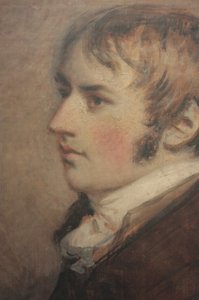
1776–1837, Wielka Brytania
John Constable
Wczesne lata, rodzina i kształcenie John Constable przyszedł na świat w 1776 roku w malowniczej wiosce East Bergholt w hrabstwie Suffolk. Był drugim synem Goldinga i Anny (Watts) Constable. Jego ojciec, zamożny handlarz zbożem i węglem, był właścicielem Flatford Mill. To nierozerwalne połączenie z rzeką i lokalnym handlem sprawiło, że rytm płynącej wody oraz nieustanny ruch towarów stały się integralną częścią codzienności jego domu.
Inne prace John Constable
 Wóz na rzece1821
 Widok na katedrę w Salisbury z terenów biskupich1823
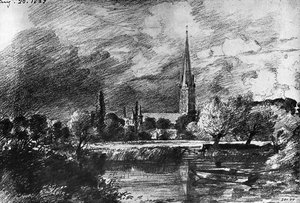 Salisbury cathedral
 Wóz ze sianem (szczegół)1821
Eseje o View on the Stour
 Mastering the English Landscape: The Top 25 Artworks by John ConstableImmerse yourself in the soul of the English countryside with our curated guide to John Constable's top 25 masterpieces. Explore the emotive…
 British artworks of the 1820sBritish Romanticism in the 1820s features the iconic works of J.M.W. Turner, John Constable, and William Blake. View the full collection at…
 Capturing the English Landscape: The Timeless Mastery and Romantic Legacy of John ConstableExplore the profound legacy of John Constable. Discover how his mastery of light, atmosphere, and the English landscape redefined Romantici…