Romantic Landscape Painting · 1824
The Lock (John Constable, 1824)
John Constable (1776–1837) stworzył The Lock. Dzieło pochodzi z 1824. Należy do nurtu Romantic Landscape Painting. Wykonano w technice Oil On Canvas. Przechowywane jest w Thyssen-Bornemisza Museum w Madryt, Hiszpania. Wymiary to 142 × 120 cm.
- 1824
- Oil On Canvas
- 142 × 120 cm
- Thyssen-Bornemisza Museum, Madryt

 Podgląd w skali 1:1

 Ręcznie malowany obraz olejny
 Wyślij jako kartkę
 Udostępnij
 Karta informacyjna


 Pobierz obraz
 Podobne obiekty
 RTG
 Pokaz slajdów
 Pytania i odpowiedzi

 Statystyki
The Lock w pigułce
- Tytuł
- The Lock
- Artysta
- John Constable (1776–1837)
- Miejsce urodzenia artysty
- East Bergholt, Wielka Brytania
- Data powstania
- 1824
- Technika wykonania
- Oil On Canvas
- Wymiary
- 142 × 120 cm
- Gdzie można je zobaczyć
- Thyssen-Bornemisza Museum, Madryt, Hiszpania
- Epoka
- 19th Century
- Temat
- river landscape, rural scene, fishing boat, english countryside, light and shadow, atmospheric perspective
Co przedstawia The Lock?
A Symphony of Light and Labor: Revisiting Constable’s The Lock
In the quiet, rhythmic pulse of the English countryside, there exists a moment of profound stillness captured forever in John Constable’s The Lock. Completed in 1824, this masterpiece is far more than a mere depiction of a riverside scene; it is a poetic meditation on the relationship between humanity and the natural world. As one gazes upon the canvas, the viewer is transported to the banks of the River Stour, where the air feels heavy with the moisture of the Dedham Vale and the sunlight filters through a hazy, atmospheric sky. The painting captures a fleeting moment—perhaps a summer afternoon—where the mechanical necessity of the canal lock meets the eternal, tranquil flow of nature.
The composition centers on a scene of quiet industry. A solitary figure, caught in a moment of physical exertion, works diligently to operate the canal mechanism, his presence anchoring the landscape within the realm of human experience. Alongside him, a small boat laden with cargo rests upon the water, serving as an emblem of rural labor and the vital arteries of trade that once defined the English landscape. This tableau of daily life is enriched by the subtle presence of other figures scattered throughout the midground, adding layers of depth and a sense of a living, breathing community. For the collector or interior designer, this painting offers a window into a lost era of pastoral grace, making it an exquisite focal point for spaces that seek to evoke peace and historical depth.
Mastery of Atmosphere and Romantic Idealism
Constable’s technique in The Lock exemplifies the height of the Romantic movement. Eschewing the rigid, scientific clarity of the Enlightenment, he embraced a style defined by emotion and the sensory experience of nature. He was a master of what is known as atmospheric perspective, a method through which he skillfully blended colors and tonal gradations to create a breathtaking illusion of distance. Through delicate brushwork, he captures the way light interacts with the humid air of the Suffolk riverbanks, creating a luminous quality that seems to vibrate on the canvas. This ability to paint not just what he saw, but how he felt when confronted by the grandeur of his homeland, is what elevates this work from a landscape to a spiritual experience.
The emotional impact of the piece lies in its balance between the monumental and the intimate. While the distant view may hint at the vastness of the English countryside, the focus remains on the tactile reality of the water, the wood, and the earth. For those looking to adorn a home with high-quality reproductions, The Lock provides an unparalleled opportunity to introduce a sense of "Constable Country" into a modern interior. The painting’s palette—rich with earthy greens, soft blues, and golden highlights—complements a variety of decor styles, from traditional manor aesthetics to contemporary minimalist settings, offering a timeless connection to the sublime beauty of the natural world.
W którym muzeum znajduje się The Lock?
Thyssen-Bornemisza Museum
Madryt, Hiszpania
Historia Thyssen-Bornemisza Museum Korzenie Thyssen-Bornemisza Museum sięgają daleko poza obecną siedzibę w Madrycie, w Hiszpanii. Kolekcja ta narodziła się w Lugano w Szwajcarii, gdzie baron Heinrich Thyssen-Bornemisza rozpoczął swoją pasjonującą wędrówkę ku europejskim osiągnięciom artystycznym. Jego dążenie było świadomym aktem ochrony, próbą zabezpieczenia dziedzictwa sztuki europejskiej przed niepokojami i wygnaniem, jakie niosła ze sobą pierwsza wojna światowa.


Zdjęcia w wysokiej rozdzielczości dzieła The Lock
Domena publiczna: artysta zmarł w 1837.
John Constable, The Lock (1824), Thyssen-Bornemisza Museum. Domena publiczna
Kolory dopasowane do oryginału przez cyfrowego eksperta, plik poddany precyzyjnej retuszy, wierny pociągnięciom pędzla artysty.
Kup plik w wysokiej rozdzielczościOdpowiedzi na pytania dotyczące The Lock
Gdzie można obecnie zobaczyć dzieło „The Lock” – John Constable?
Oryginał dzieła „The Lock” – John Constable znajduje się w Thyssen-Bornemisza Museum, Madryt, Hiszpania. Reprodukcja pozwala na eksponowanie pracy w domu.
W którym roku powstało „The Lock” – John Constable?
Powstanie „The Lock” – John Constable datuje się na 1824.
Z jakiej techniki wykorzystano "The Lock"?
John Constable wykorzystał/a technikę Oil On Canvas w pracy „The Lock”. Technika ta definiuje materię oryginalnego dzieła.
Jakie są rzeczywiste wymiary dzieła „The Lock” – John Constable?
Wymiary dzieła „The Lock” – John Constable to 142 x 120 cm. Reprodukcje można zamówić w innych rozmiarach, zachowując te same proporcje.
Co przedstawia „The Lock” – John Constable?
Tematyka dzieła "The Lock" to river landscape, rural scene, fishing boat, english countryside, light and shadow, atmospheric perspective, quiet reflection.
Czy obraz „The Lock” – John Constable można swobodnie reprodukować?
Jeśli chodzi o prawa autorskie, "The Lock" znajduje się w należy do domeny publicznej – autorskie prawa majątkowe wygasły.
Kto jest autorem dzieła "The Lock"?
Autorem dzieła „The Lock” jest John Constable. Praca ta figuruje w katalogu pod nazwiskiem John Constable.
Do jakiego nurtu należy "The Lock"?
„The Lock” – John Constable należy do nurtu Romantic Landscape Painting. Nurt ten stanowi stylistyczny kontekst dzieła.
Do którego okresu twórczości John Constable należy dzieło „The Lock”?
W dorobku artystycznym John Constable dzieło „The Lock” przypada na Mature Landscape Style. Ten etap pozwala zestawić je z innymi pracami twórcy.
O artyście: John Constable
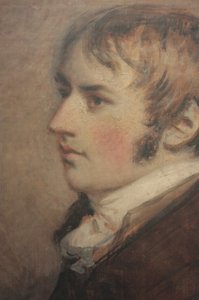
1776–1837, Wielka Brytania
John Constable
Wczesne lata, rodzina i kształcenie John Constable przyszedł na świat w 1776 roku w malowniczej wiosce East Bergholt w hrabstwie Suffolk. Był drugim synem Goldinga i Anny (Watts) Constable. Jego ojciec, zamożny handlarz zbożem i węglem, był właścicielem Flatford Mill. To nierozerwalne połączenie z rzeką i lokalnym handlem sprawiło, że rytm płynącej wody oraz nieustanny ruch towarów stały się integralną częścią codzienności jego domu.
Inne prace John Constable
 Wóz na rzece1821
 Widok na katedrę w Salisbury z terenów biskupich1823
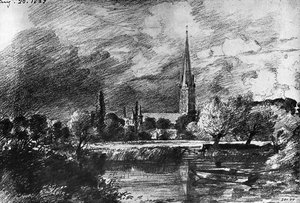 Salisbury cathedral
 Wóz ze sianem (szczegół)1821
Eseje o The Lock
 Mastering the English Landscape: The Top 25 Artworks by John ConstableImmerse yourself in the soul of the English countryside with our curated guide to John Constable's top 25 masterpieces. Explore the emotive…
 25 Must-See Masterpieces at the Yale Center for British ArtExplore 25 iconic works from Turner to Hogarth at Yale Center for British Art. Discover museum-quality art on OriginalUniqueArt.com.
 10 Iconic Masterpieces That Defined Romantic Landscape PaintingJourney through the sublime beauty of Romantic landscape painting. Explore 10 iconic masterpieces by legends like Friedrich and Turner that…