- Strona główna

- Obraz cyfrowy
- John Constable
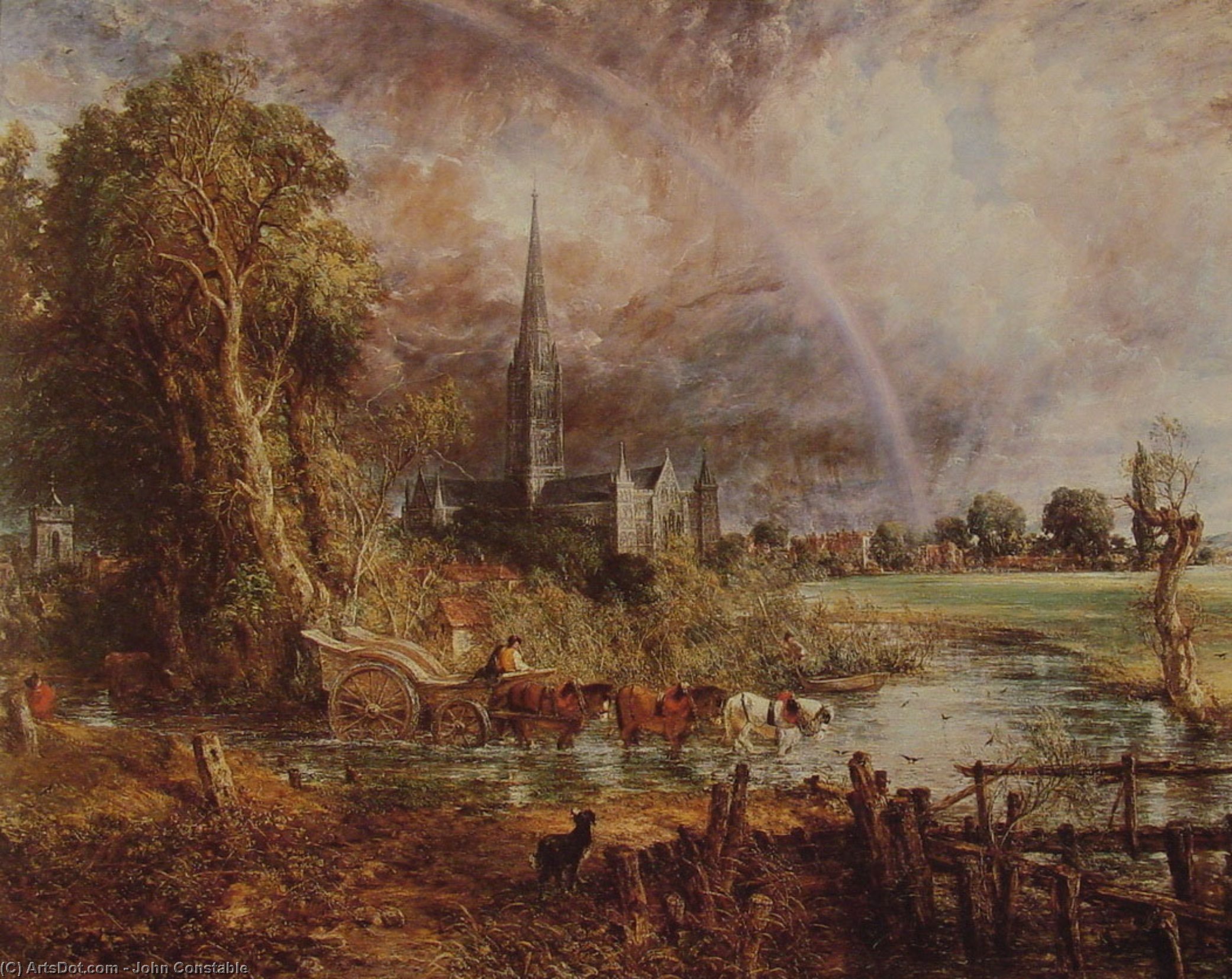
- Salisbury Cathedral from the Meadows
 Preview
 Udostępnij
 Udostępnij
 Szczegóły dzieła

 Pobierz
 Podobne obiekty
 RTG
RTG Pokaz slajdów
Salisbury Cathedral from the Meadows


 Rozwiń treść
Kup wysokiej rozdzielczości, ulepszony obraz cyfrowy, znacznie lepszy niż podgląd online.
Każdy plik jest starannie przygotowywany przez naszych specjalistów przy użyciu zaawansowanych narzędzi oraz profesjonalnej, ręcznej retuszy. Dbamy o to, aby każdy obraz cechował się wyjątkową ostrością, precyzyjnym odwzorowaniem kolorów i subtelnymi detalami.
Ostateczny plik dostarczany jest drogą mailową w ciągu 72 godzin, zoptymalizowany do natychmiastowego wykorzystania w profesjonalnych zastosowaniach redakcyjnych i poligraficznych. To ta sama jakość, której ufają czołowe studia projektowe, wydawnictwa oraz galerie sztuki.
Obraz cyfrowy
Pobierz plik o wysokiej rozdzielczości do osobistego wyświetlania, druku oraz projektów kreatywnych. ( Switch to Print Switch to hand made Painting)
Zawarte w każdym zamówieniu na obraz cyfrowy
Profesjonalna dostawa cyfrowa, gwarantowana
Wybierając OriginalUniqueArt.com, nie otrzymujesz jedynie obrazu – otrzymujesz profesjonalnie udoskonalone cyfrowe dzieło sztuki, stworzone z najwyższą precyzją i objęte gwarancją satysfakcji. Oto wszystko, co automatycznie dołączane jest do Twojego zamówienia:

Błyskawiczna wysyłka e-mailowa
Plik z obrazem cyfrowym w wysokiej rozdzielczości zostanie przesłany na Twój adres e-mail w ciągu 72 godzin od złożenia zamówienia – gotowy do natychmiastowego użycia.

Plik cyfrowy wzbogacony przez AI
Twoja grafika została profesjonalnie zoptymalizowana przy użyciu zaawansowanych narzędzi AI oraz ręcznej edycji, co zapewnia maksymalną szczegółowość, klarowność i wierność kolorów.

Dożywotnia darmowa ponowna dostawa
Przypadkowo usunąłeś lub zgubiłeś swój plik? Bez obaw – prześlemy go Tobie ponownie w dowolnym momencie, bez żadnych opłat.

Bez opłat importowych – zawsze
Ciesz się swoją sztuką natychmiast, bez żadnych opłat celnych, należności ani kosztów dostawy – pliki cyfrowe są zawsze wolne od podatku.

Gwarancja wierności kolorów
Dzięki zastosowaniu profesjonalnych narzędzi i procesów zarządzania barwą zapewniamy, że Twoje cyfrowe zdjęcie odzwierciedla oryginalne kolory tak wiernie, jak to tylko możliwe.

60-dniowa gwarancja satysfakcji
Jeśli nie będziesz zadowolony ze swojego cyfrowego obrazu, poprawimy go lub zwrócimy 100% kosztów w ciągu 60 dni – bez żadnych pytań.

100% Gwarancja zwrotu pieniędzy
Nie zadowoleni? Otrzymaj pełny zwrot kosztów w ciągu 60 dni od otrzymania pliku cyfrowego – bez zbędnych pytań.

Rabaty na zamówienia hurtowe
Kup 3 obrazy, oszczędź 10% - Kup 5, oszczędź 15% - Kup 10+, oszczędź 20%. Idealne do projektów kreatywnych, galerii i agencji.
Opis obiektu kolekcjonerskiego
A Symphony of Light and Faith: John Constable’s Salisbury Cathedral from the Meadows
Salisbury Cathedral from the Meadows, painted in 1831 by the celebrated English Romantic artist John Constable, is more than just a landscape; it's an emotional testament to faith, hope, and the sublime power of nature. This large-scale oil painting captures the iconic Salisbury Cathedral rising majestically above the lush meadows and tranquil riverbanks of Wiltshire, England. Currently housed at Tate Britain, this work represents a culmination of Constable’s artistic vision and remains one of his most beloved masterpieces.Subject & Composition
The scene unfolds with a masterful balance between architectural grandeur and pastoral serenity. The cathedral spire dominates the right side of the canvas, drawing the eye upwards towards the heavens. Below, a vibrant landscape teeming with life – grazing livestock, figures crossing a river, and quaint village structures – grounds the composition and provides depth. Constable’s careful arrangement creates a harmonious interplay between man-made structure and natural beauty, emphasizing their interconnectedness. The dramatic sky, punctuated by a radiant rainbow, serves as a powerful backdrop, enveloping the scene in an atmosphere of both awe and tranquility.Style & Technique
Constable was a pivotal figure in Romantic landscape painting, and this work exemplifies his signature style. He rejected the highly finished, idealized landscapes prevalent at the time, opting instead for a more naturalistic and emotionally resonant approach. His technique is characterized by loose, expressive brushstrokes and a somewhat blurred effect, conveying movement, atmosphere, and the fleeting qualities of light. Impasto – the thick application of paint – is particularly evident in the sky and foliage, adding texture and dimensionality to the canvas. Constable’s use of atmospheric perspective—rendering distant elements paler and less distinct—further enhances the sense of depth and realism.Historical Context & Symbolism
Painted three years after the death of his wife, Maria, Salisbury Cathedral from the Meadows is deeply personal work imbued with symbolic meaning. Constable himself added nine lines from James Thomson’s poem *The Seasons* to the painting, revealing its underlying narrative: the rainbow represents hope and divine intervention following a storm—a metaphor for finding solace after loss. The cathedral itself symbolizes faith and spiritual resilience, while the surrounding landscape evokes themes of nature's restorative power. Some scholars also suggest political undertones, interpreting the scene as a commentary on the clash between industrialization and the enduring beauty of the natural world.Emotional Impact & Legacy
This painting is not merely a visual representation of a place; it’s an evocation of feeling. The dramatic lighting, vibrant colors, and dynamic composition create a powerful emotional response in the viewer. It inspires feelings of awe, tranquility, and hope—a testament to Constable's ability to capture the sublime beauty of nature and its profound impact on the human spirit. Constable’s influence extended far beyond England, profoundly impacting French artists like those of the Barbizon School who embraced his naturalistic approach and emotional depth.For Collectors & Designers
- A timeless piece that brings a sense of serenity and grandeur to any space.
- Its rich color palette complements both traditional and contemporary interiors.
- High-quality reproductions capture the texture and luminosity of Constable’s original brushwork, making it an accessible masterpiece for art enthusiasts.
- The painting's symbolic depth adds layers of meaning and intellectual engagement to any collection.
Biografia artysty
A Life Rooted in the English Landscape
John Constable, born in 1776 in the idyllic Suffolk village of East Bergholt, wasn’t merely a painter of landscapes; he was a poet of the land, translating its subtle moods and enduring beauty onto canvas with an unprecedented emotional depth. His father, a prosperous corn merchant who owned both Dedham Vale and mills along the River Stour, provided not only financial security but also the very subject matter that would define Constable’s artistic life. This early immersion in the rural world – the slow rhythm of agricultural life, the ever-changing light on fields and water, the intimate details of nature – became indelibly etched into his sensibility. While initially destined to follow his father into business, a burgeoning passion for art, nurtured by local patrons like George Beaumont who introduced him to the works of Claude Lorrain, ultimately steered him toward a different path. Constable’s artistic journey wasn’t immediate; it was a gradual unfolding, shaped by careful observation and a persistent desire to capture not just *what* he saw, but *how* it felt to be present within the landscape.Breaking with Convention: A New Vision of Nature
Constable’s artistic development was marked by a deliberate rejection of prevailing academic conventions. Dissatisfied with the idealized and often theatrical landscapes favored by the Royal Academy, he sought instead a truthful representation of nature, imbued with personal feeling. He wasn't interested in grand historical narratives or mythological scenes; his focus remained steadfastly on the familiar countryside surrounding him. This commitment to depicting ordinary subjects – hay wains, farm buildings, village life – was initially met with resistance from critics who deemed his work too commonplace and lacking in ambition. However, Constable persevered, driven by a conviction that beauty resided in the everyday. He pioneered a technique of *plein air* painting, venturing outdoors to directly observe and capture the fleeting effects of light and weather. This direct engagement with nature allowed him to infuse his canvases with an immediacy and vitality previously unseen in British landscape art. His brushwork became increasingly loose and expressive, employing impasto – thick layers of paint – to create texture and convey a sense of movement and atmosphere. He wasn’t simply recording what he saw; he was translating his emotional response to the land into visual form.Iconic Works and Lasting Influence
Constable's most celebrated works stand as testaments to his unique vision. The Hay Wain (1821), perhaps his most recognizable painting, depicts a quintessential rural scene on the River Stour, capturing the tranquility and harmony of agricultural life. Hadleigh Castle (1829) showcases his dramatic use of light and atmospheric effects, transforming a crumbling ruin into a powerful symbol of time’s passage. The series of paintings depicting Salisbury Cathedral from the Meadows (1823) demonstrates his ability to evoke different moods and times of day, revealing the cathedral as an integral part of the natural landscape. Netley Abbey (1824), with its evocative depiction of architectural grandeur amidst encroaching nature, exemplifies his skill in blending human creation with the wild beauty of the countryside. Despite facing initial struggles for recognition in England, Constable achieved considerable acclaim in France, where his innovative techniques and emotional depth resonated deeply with artists seeking a more naturalistic approach to landscape painting. He influenced the Barbizon School, a group of French painters who shared his commitment to *plein air* painting and direct observation of nature.Personal Life & Final Years
Constable’s personal life was marked by both joy and sorrow. He married Maria Bicknell in 1816, and they had seven children, though sadly several did not survive infancy. His marriage provided him with emotional support but also financial strain. Elected a Royal Academician in 1829, he continued to face criticism from some quarters, particularly regarding his unconventional techniques. His later years were shadowed by Maria’s declining health and eventual death in 1828, an event that deeply affected him. Despite these hardships, Constable remained dedicated to his art, continuing to paint until his own passing on March 31, 1837. He left behind a rich artistic legacy—a testament to his unwavering commitment to capturing the beauty and emotional resonance of the English countryside. His paintings remain powerful evocations of a bygone era, inviting viewers to experience the landscape through his uniquely sensitive eyes.Influences & Artistic Development
Constable’s artistic journey was shaped by several key influences. Initially, he was drawn to the works of Gainsborough, a fellow Suffolk painter known for his depictions of rural life and portraits. He also deeply admired the landscapes of 17th-century Dutch masters, particularly Jacob Ruisdael, whose atmospheric effects and use of light resonated with Constable’s own artistic sensibilities. The introduction to Claude Lorrain by George Beaumont proved pivotal, exposing him to the idealized beauty of classical landscapes and influencing his early compositions. However, Constable quickly moved beyond mere imitation, developing a distinctly personal style characterized by loose brushwork, vibrant colors, and an intense emotional response to nature. He was a keen observer of light and weather, meticulously studying how these elements transformed the landscape throughout the day. His dedication to *plein air* painting—working directly from nature—was revolutionary for his time, challenging the established conventions of academic art.A Legacy of Emotional Resonance
John Constable’s historical significance lies not only in his artistic innovations but also in his profound impact on the development of landscape painting. He challenged academic conventions, elevated the status of ordinary subjects, and paved the way for a more personal and emotionally expressive approach to art. His emphasis on direct observation, atmospheric effects, and truthful representation of nature anticipated many of the concerns of later Impressionist painters. He demonstrated that landscape could be a vehicle for profound emotional expression, capable of evoking feelings of nostalgia, tranquility, and awe. Though he faced financial hardship throughout much of his career, and died relatively young in 1837, his legacy endures. Today, Constable is celebrated as one of Britain’s greatest artists, whose paintings continue to captivate audiences with their beauty, sincerity, and enduring power. His work serves as a poignant reminder of the profound connection between humanity and the natural world, and the transformative potential of art to capture its essence.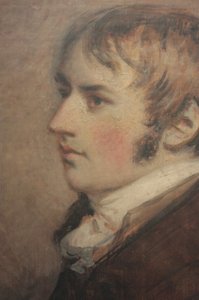
John Constable
1776 - 1837 , Wielka Brytania
Krótka nota
- Artistic Movement Or Style: Romanticizm
- Artists Or Movements Influenced By This Artist: ['Barbizon School']
- Artists Who Influenced This Artist:
- Claude Lorrain
- Ruisdael
- Date Of Birth: 11 czerwca 1776
- Date Of Death: 31 marca 1837
- Full Name: John Constable
- Nationality: Brytyjski
- Notable Artworks:
- The Hay Wain
- Hadleigh Castle
- Salisbury Cathedral
- Place Of Birth: East Bergholt, UK

