Romanticism
Netley Abbey (John Constable)
John Constable (1776–1837) stworzył Netley Abbey. Należy do nurtu Romanticism. Wykonano w technice Oil On Canvas. Przechowywane jest w Herbert F. Johnson Museum of Art w Ithaca, Stany Zjednoczone Ameryki.
- Oil On Canvas
- Herbert F. Johnson Museum of Art, Ithaca

 Podgląd w skali 1:1

 Ręcznie malowany obraz olejny
 Wyślij jako kartkę
 Udostępnij
 Przewodnik


 Pobierz obraz
 Podobne obiekty
 RTG
 Pokaz slajdów
 Pytania i odpowiedzi

 Statystyki
Netley Abbey: najważniejsze informacje
- Tytuł
- Netley Abbey
- Artysta
- John Constable (1776–1837)
- Miejsce urodzenia artysty
- East Bergholt, Wielka Brytania
- Technika wykonania
- Oil On Canvas
- Gdzie można je zobaczyć
- Herbert F. Johnson Museum of Art, Ithaca, Stany Zjednoczone Ameryki
- Ruch
- Romanticism
- Epoka
- 19th Century
- Temat
- netley abbey, ruins, landscape, constable, england, river
Co przedstawia Netley Abbey?
The Serene Majesty of Netley Abbey
John Constable’s “Netley Abbey,” painted in 1817, isn't merely a depiction of ruins; it’s a profound meditation on time, memory, and the enduring beauty of nature. This oil painting captures a pivotal moment in English Romanticism – a movement that prioritized feeling and individual experience over rigid academic rules. Constable, a key figure within this burgeoning artistic philosophy, sought to translate his deeply personal connection with the landscape onto canvas, and “Netley Abbey” stands as a testament to his remarkable ability to do just that. The scene unfolds within the crumbling remains of Netley Abbey, a Cistercian monastery nestled on the banks of the River Itchen near Southampton. Yet, it’s not simply an architectural study; Constable imbues the decaying stones with a palpable sense of life and tranquility. The painting is bathed in a soft, diffused light – characteristic of Constable's technique – that seems to emanate from within the scene itself, softening harsh edges and lending an ethereal quality to the weathered walls and overgrown vegetation. The composition draws the eye towards the central structure, its intricate details rendered with meticulous precision, yet subtly obscured by layers of atmospheric haze. This deliberate blurring creates a sense of mystery and invites the viewer to contemplate the abbey’s past – a time of monastic devotion now replaced by the quiet solitude of nature reclaiming its territory.A Painter's Intimate Vision
Constable’s approach to landscape painting was revolutionary for his time. He rejected the idealized, polished surfaces favored by earlier generations and instead embraced a more direct, observational style. He worked *en plein air* – outdoors – frequently, allowing him to capture the fleeting effects of light and atmosphere with unparalleled accuracy. “Netley Abbey” exemplifies this commitment to immediacy. The brushstrokes are loose and expressive, conveying not just the appearance of the scene but also Constable’s own emotional response to it. Notice how he uses color—muted greens, browns, and greys—to create a sense of depth and atmosphere, subtly shifting tones to suggest variations in light and shadow. His technique involved layering thin glazes of paint, building up the image gradually over multiple sessions, allowing each layer to dry before adding the next. This painstaking process resulted in a remarkable luminosity and richness of color that is rarely achieved by other painters. The inclusion of figures – a gentleman and his companion strolling along the riverbank – adds a human element to the scene, suggesting a connection between the individual and the enduring landscape. These figures are not dominant; rather, they serve as a counterpoint to the grandeur of the ruins, reminding us of our own fleeting presence within the vastness of time.The Legacy of a Ruined Monastery
Netley Abbey itself holds a fascinating history. Founded in 1239, it served as a significant religious center for centuries before being dissolved during the Dissolution of the Monasteries under Henry VIII. Its subsequent abandonment led to its gradual decay and eventual transformation into a picturesque ruin – a subject that had captivated artists and writers for generations. Constable’s painting taps directly into this romantic fascination with ruins, but he elevates it beyond mere aesthetic appreciation. He doesn't simply depict the crumbling walls; he captures the *spirit* of the place—a sense of melancholy beauty, of forgotten grandeur, and of nature’s inexorable power to reclaim what was once lost. The painting reflects a broader cultural shift during Constable’s time – a growing interest in the past, in folklore, and in the sublime qualities of the natural world. The abbey's setting, with its riverbank and surrounding countryside, further enhances this sense of tranquility and connection to nature.A Masterpiece for the Home
Today, “Netley Abbey” resides at the Salisbury Museum Guildhall, a testament to Constable’s enduring legacy. OriginalUniqueArt is proud to offer meticulously crafted reproductions that faithfully capture every nuance and detail of this iconic masterpiece. Our artisans employ only the finest archival-quality materials – traditional oil paints on canvas – ensuring that your reproduction will retain its vibrancy and beauty for generations to come. Whether you're an avid art collector, a design enthusiast seeking to infuse your home with timeless elegance, or simply someone who appreciates the profound beauty of Constable’s vision, our “Netley Abbey” reproduction is a stunning addition to any space. It’s more than just a print; it’s a window into a bygone era—a reminder of the enduring power of art and nature to inspire and uplift the soul. Explore the collection today at OriginalUniqueArt and bring the serenity of Constable's "Netley Abbey" into your world.W którym muzeum znajduje się Netley Abbey?
Herbert F. Johnson Museum of Art
Ithaca, Stany Zjednoczone Ameryki
Arcydzieło Formy i Światła Majestatycznie wznosząc się na zielonych, falujących wzgórzach kampusu Uniwersytetu Cornell, Herbert F. Johnson Museum of Art to znacznie więcej niż tylko sanktuarium antyku; to zapierający dech w piersiach dialog między ziemią a niebem. Zaprojektowane przez wizjonerskiego architekta I.M.


Netley Abbey w wysokiej rozdzielczości
Domena publiczna: artysta zmarł w 1837.
John Constable, Netley Abbey, Herbert F. Johnson Museum of Art. Domena publiczna
Ekspert ds. cyfrowych weryfikuje kolory względem oryginału i retuszuje plik, zachowując wierność pociągnięciom pędzla artysty.
Kup obraz w wysokiej rozdzielczościPytania o Netley Abbey
Czy istnieją dzieła podobne do „Netley Abbey”?
Dzieła podobne do „Netley Abbey” – John Constable można znaleźć na stronie Podobne dzieła danego dzieła.
Do jakiego pomieszczenia polecane jest dzieło „Netley Abbey” – John Constable?
Dzieło „Netley Abbey” – John Constable jest rekomendowane do Living Room. Sugestia ta opiera się na tematyce, kolorystyce oraz nastroju pracy.
Czy mogę obejrzeć "Netley Abbey" w formie pełnoekranowej prezentacji slajdów?
Prezentację slajdów utworu "Netley Abbey" można obejrzeć na stronie Prezentacja slajdów tego dzieła.
Czy mogę użyć rozszerzonej rzeczywistości, aby zobaczyć „Netley Abbey” – John Constable w swoim pokoju?
Dzieło „Netley Abbey” – John Constable możesz zobaczyć na własnej ścianie dzięki stronie Podgląd w AR, wykorzystując rozszerzoną rzeczywistość na kompatybilnym urządzeniu.
Czy mogę zobaczyć podgląd „Netley Abbey” – John Constable przed złożeniem zamówienia?
Strona Podgląd w pomieszczeniu dzieła „Netley Abbey” pozwala na podgląd obrazu przed złożeniem zamówienia.
Jaka technika i styl charakteryzują „Netley Abbey” – John Constable?
W "Netley Abbey" technika Oil On Canvas łączy się z nurtem Romanticism.
Dlaczego „Netley Abbey” – John Constable jest polecane jako prezent?
"Netley Abbey" emanuje Nostalgic nastrojem, a zarekomendowanym pomysłem na prezent jest Birthday.
Czy mogę przyjrzeć się bliżej dziełu "Netley Abbey"?
"Netley Abbey" można badać warstwa po warstwie na stronie Analiza rentgenowska, która oferuje interaktywny podgląd inspirowany stołem świetlnym konserwatora, prezentujący jedenaście optycznych odczytów obrazu.
Gdzie można obecnie zobaczyć dzieło „Netley Abbey” – John Constable?
Oryginał dzieła „Netley Abbey” – John Constable znajduje się w Herbert F. Johnson Museum of Art, Ithaca, Stany Zjednoczone Ameryki. Reprodukcja pozwala na eksponowanie pracy w domu.
O artyście: John Constable
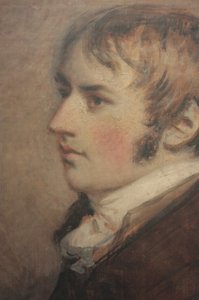
1776–1837, Wielka Brytania
John Constable
Wczesne lata, rodzina i kształcenie John Constable przyszedł na świat w 1776 roku w malowniczej wiosce East Bergholt w hrabstwie Suffolk. Był drugim synem Goldinga i Anny (Watts) Constable. Jego ojciec, zamożny handlarz zbożem i węglem, był właścicielem Flatford Mill. To nierozerwalne połączenie z rzeką i lokalnym handlem sprawiło, że rytm płynącej wody oraz nieustanny ruch towarów stały się integralną częścią codzienności jego domu.
Inne prace John Constable
 Wóz na rzece1821
 Widok na katedrę w Salisbury z terenów biskupich1823
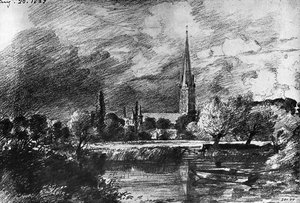 Salisbury cathedral
 Wóz ze sianem (szczegół)1821
Eseje o Netley Abbey
 Capturing the English Landscape: The Timeless Mastery and Romantic Legacy of John ConstableExplore the profound legacy of John Constable. Discover how his mastery of light, atmosphere, and the English landscape redefined Romantici…
 British artworks of the 1830s1830s British masterpieces by J.M.W. Turner, John Constable, and William Etty. View the full collection online at OriginalUniqueArt.com.
 Mastering the English Landscape: The Top 25 Artworks by John ConstableImmerse yourself in the soul of the English countryside with our curated guide to John Constable's top 25 masterpieces. Explore the emotive…