Romantic Landscape Painting
Flatford Mill (John Constable)
John Constable (1776–1837) stworzył Flatford Mill. Należy do nurtu Romantic Landscape Painting. Wykonano w technice Acrylic On Canvas. Przechowywane jest w Tate Britain w Londyn, Wielka Brytania.
- Acrylic On Canvas
- Tate Britain, Londyn

 Podgląd w skali 1:1

 Ręcznie malowany obraz olejny
 Wyślij jako kartkę
 Udostępnij
 Karta informacyjna


 Pobierz obraz
 Podobne obiekty
 RTG
 Pokaz slajdów
 Pytania i odpowiedzi

 Statystyki
Flatford Mill w skrócie
- Tytuł
- Flatford Mill
- Artysta
- John Constable (1776–1837)
- Miejsce urodzenia artysty
- East Bergholt, Wielka Brytania
- Technika wykonania
- Acrylic On Canvas
- Gdzie można je zobaczyć
- Tate Britain, Londyn, Wielka Brytania
- Temat
- landscape painting, rural scene, river mill, british art, light & shadow, pastoral imagery
Co przedstawia Flatford Mill?
Flatford Mill: A Symphony of Light and Rural Tranquility
John Constable’s Flatford Mill, completed in 1816-17, stands as a cornerstone of Romantic landscape painting—a testament to the burgeoning fascination with capturing the sublime beauty of the English countryside. More than just a depiction of a riverside scene, it embodies a profound philosophical stance: Constable sought not merely to represent what he saw but to convey the very essence of rural life and its connection to the divine.
Composition and Observation
The painting’s visual arrangement is deceptively simple yet meticulously crafted. Constable expertly utilizes perspective—a technique pioneered by Leonardo da Vinci—to create a convincing illusion of depth, drawing viewers into the tranquil expanse of the River Stour. At its heart lies a modest boat moored on the bank, anchoring the eye and establishing a sense of stillness. Scattered around are figures – notably a gentleman on horseback – adding movement against the backdrop of rolling hills and a sky brimming with fluffy cumulus clouds. The inclusion of a bird perched atop a tree branch subtly reinforces the painting’s connection to nature, mirroring Constable's belief that art should aspire to reflect God’s creation.
The Language of Light and Color
Constable’s artistic brilliance resides primarily in his masterful manipulation of light. He employs atmospheric perspective—a technique where distant objects appear paler and less detailed—to heighten the sense of depth and convey the ethereal quality of dawn or dusk. The dominant hues are soft golds and muted blues, reflecting the golden glow of sunrise and the cool serenity of the river water. These colors aren’t merely decorative; they communicate emotion – warmth, peace, and contemplation. Constable's brushstrokes are loose and expressive, capturing the fleeting effects of light on foliage and water surfaces with remarkable accuracy.
Historical Context and Artistic Significance
Painted during a period marked by intellectual ferment—the Romantic movement—Flatford Mill reflects the broader artistic preoccupation with emotion and imagination. Influenced by thinkers like Rousseau and Wordsworth, Constable sought to elevate landscape painting beyond mere topographical representation. He aimed to evoke feelings of awe and wonder, prompting viewers to contemplate the grandeur of God’s universe and their own place within it. This ambition aligns perfectly with the prevailing ethos of the time—a rejection of Enlightenment rationalism in favor of subjective experience.
A Legacy Enduring Through Reproduction
OriginalUniqueArt.com recognizes Flatford Mill's enduring appeal, offering meticulously crafted oil painting reproductions that faithfully preserve Constable’s artistic vision. These reproductions utilize archival-quality pigments and canvases, guaranteeing longevity and ensuring that the painting’s luminous colors and textural nuances remain vibrant for generations to come. It’s a chance to bring home a piece of Romantic art history—a timeless symbol of beauty and tranquility.
W którym muzeum znajduje się Flatford Mill?
Tate Britain
Londyn, Wielka Brytania
Początki i historia Tate Britain Fundamenty Tate Britain zostały położone przez sir Henry'ego Tate, którego wizja pozwoliła stworzyć dedykowaną przestrzeń dla artystycznych dokonań narodu. Instytucja otworzyła swoje podwoje 21 lipca 1897 roku, funkcjonując początkowo pod nazwą National Gallery of British Art. Ten wczesny okres koncentrował się na zapewnieniu stałego domu dla wizualnej historii kraju, budując kolekcję, która miała rozwijać się wraz ze zmieniającym się krajobrazem brytyjskiej kreatywności.


Zdjęcia w wysokiej rozdzielczości dzieła Flatford Mill

Domena publiczna: artysta zmarł w 1837.
Inne rozmiary, kadrowanie i cytowanie →John Constable, Flatford Mill, Tate Britain. Domena publiczna
Kolory dopasowane do oryginału przez cyfrowego eksperta, plik poddany precyzyjnej retuszy, wierny pociągnięciom pędzla artysty.
Kup plik w wysokiej rozdzielczościOdpowiedzi na pytania dotyczące Flatford Mill
Gdzie można zobaczyć oryginał „Flatford Mill” – John Constable?
Oryginał dzieła „Flatford Mill” można zobaczyć w Tate Britain, Londyn, Wielka Brytania.
W jakiej technice wykonano „Flatford Mill” – John Constable?
„Flatford Mill” wykonano w technice Acrylic On Canvas.
Co przedstawia „Flatford Mill” – John Constable?
Tematyka dzieła "Flatford Mill" to landscape painting, rural scene, river mill, british art, light & shadow, pastoral imagery, romanticism, constable.
Czy „Flatford Mill” – John Constable znajduje się w domenie publicznej?
„Flatford Mill” – John Constable znajduje się w domenie publicznej (należy do domeny publicznej – autorskie prawa majątkowe wygasły). Status ten określa zasady reprodukcji obrazu tego dzieła.
Któremu artyście przypisuje się "Flatford Mill"?
Autorstwo dzieła "Flatford Mill" przypisuje się John Constable.
Do jakiego nurtu w sztuce należy „Flatford Mill” – John Constable?
„Flatford Mill” – John Constable należy do nurtu Romantic Landscape Painting. Nurt ten stanowi stylistyczny kontekst dzieła.
Do którego okresu twórczości John Constable należy dzieło "Flatford Mill"?
„Flatford Mill” pochodzi z okresu Mature Period w twórczości John Constable. Klasyfikacja ta wiąże dzieło z rozwojem artysty.
Z czego wynika obecny status praw autorskich dzieła "Flatford Mill"?
Dzieło "Flatford Mill" autorstwa John Constable znajduje się w należy do domeny publicznej – autorskie prawa majątkowe wygasły. Okres ochrony praw autorskich liczony jest od daty śmierci artysty, a John Constable zmarł(a) w 1837.
Czy dzieło "Flatford Mill" znajduje się w kraju swojego twórcy?
Tak – dzieło znajduje się w kraju pochodzenia artysty. John Constable urodził(a) się w Wielka Brytania, a oryginał dzieła „Flatford Mill” znajduje się w muzeum w Wielka Brytania.
O artyście: John Constable
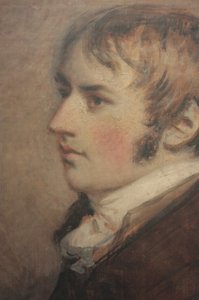
1776–1837, Wielka Brytania
John Constable
Wczesne lata, rodzina i kształcenie John Constable przyszedł na świat w 1776 roku w malowniczej wiosce East Bergholt w hrabstwie Suffolk. Był drugim synem Goldinga i Anny (Watts) Constable. Jego ojciec, zamożny handlarz zbożem i węglem, był właścicielem Flatford Mill. To nierozerwalne połączenie z rzeką i lokalnym handlem sprawiło, że rytm płynącej wody oraz nieustanny ruch towarów stały się integralną częścią codzienności jego domu.
Inne prace John Constable
 Wóz na rzece1821
 Widok na katedrę w Salisbury z terenów biskupich1823
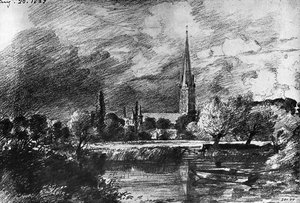 Salisbury cathedral
 Wóz ze sianem (szczegół)1821

Eseje o Flatford Mill
 Capturing the English Landscape: The Timeless Mastery and Romantic Legacy of John ConstableExplore the profound legacy of John Constable. Discover how his mastery of light, atmosphere, and the English landscape redefined Romantici…
 10 Iconic Masterpieces That Defined Romantic Landscape PaintingJourney through the sublime beauty of Romantic landscape painting. Explore 10 iconic masterpieces by legends like Friedrich and Turner that…
 Mastering the English Landscape: The Top 25 Artworks by John ConstableImmerse yourself in the soul of the English countryside with our curated guide to John Constable's top 25 masterpieces. Explore the emotive…