Romantic Landscape Painting · 1813
East Bergholt (John Constable, 1813)
John Constable (1776–1837) stworzył East Bergholt. Dzieło pochodzi z 1813. Należy do nurtu Romantic Landscape Painting. Wykonano w technice Acrylic On Canvas. Przechowywane jest w Yale Center for British Art w New Haven, Stany Zjednoczone Ameryki.
- 1813
- Acrylic On Canvas
- Yale Center for British Art, New Haven

 Podgląd w skali 1:1

 Ręcznie malowany obraz olejny
 Wyślij jako kartkę
 Udostępnij
 Karta informacyjna


 Pobierz obraz
 Podobne obiekty
 RTG
 Pokaz slajdów
 Pytania i odpowiedzi

 Statystyki
East Bergholt w skrócie
- Tytuł
- East Bergholt
- Artysta
- John Constable (1776–1837)
- Miejsce urodzenia artysty
- East Bergholt, Wielka Brytania
- Data powstania
- 1813
- Technika wykonania
- Acrylic On Canvas
- Gdzie można je zobaczyć
- Yale Center for British Art, New Haven, Stany Zjednoczone Ameryki
- Temat
- suffolk countryside, rural england, constable, landscape, pastoral, light and shadow
Co przedstawia East Bergholt?
A Breath of Suffolk: John Constable’s ‘East Bergholt’
John Constable's “East Bergholt,” painted in 1813, isn’t simply a depiction of a rural English landscape; it’s a profound meditation on light, atmosphere, and the very essence of place. Born in East Bergholt itself – a fact that imbued his work with an unparalleled intimacy – Constable captured not just what he saw, but how he *felt* about the world around him. The painting unfolds as a quiet drama, a tableau vivant of everyday life set against the backdrop of Dedham Vale, the valley that would become inextricably linked to his artistic legacy. The muted palette, dominated by shades of grey and green, immediately establishes a mood of contemplative melancholy – a subtle tension between beauty and something almost melancholic. This isn’t a vibrant celebration of pastoral bliss; rather, it's an exploration of the land’s inherent complexity, its capacity for both serenity and shadowed introspection.
The Language of Light: Constable’s Revolutionary Technique
Constable was a revolutionary figure in landscape painting. He rejected the idealized, polished surfaces favored by his predecessors, opting instead for a technique that prioritized direct observation and the fleeting effects of light. “East Bergholt” exemplifies this perfectly. Notice how he employs broken brushstrokes – tiny, almost hesitant marks – to build up layers of color and texture. This method, known as ‘optical mixing,’ allowed him to capture the subtle shifts in illumination across the fields and trees with astonishing accuracy. The sky isn’t a uniform blue; it's a complex interplay of greys, whites, and hints of purple, reflecting the diffused light of an overcast day. He meticulously rendered the way sunlight filters through the branches, creating dappled patterns on the grass – a technique that would later become central to his style. This commitment to capturing the *truth* of natural light was groundbreaking and profoundly influenced generations of artists.
Figures Within the Landscape: Symbolism and Human Connection
The inclusion of figures within the vast landscape is crucial to understanding the painting’s deeper meaning. These aren't merely decorative elements; they are integral to Constable’s exploration of humanity’s relationship with nature. The group gathered in the field, engaged in some unspecified activity – perhaps farming or simply enjoying a moment together – represents a connection to the land and its rhythms. They are small, almost anonymous, yet their presence anchors the scene, reminding us that this is not just an abstract representation of nature but a lived experience. The horse grazing peacefully suggests a harmony between man and beast, further reinforcing the theme of rural life and its inherent beauty. The placement of these figures subtly directs our gaze across the landscape, inviting us to contemplate the relationship between human activity and the natural world.
A Window into a Time: Historical Context and Constable’s Vision
“East Bergholt” was painted during a period of significant social and artistic change in England. The early 19th century witnessed a growing interest in the English countryside, fueled by Romanticism's emphasis on emotion, imagination, and the sublime. Constable’s work aligns perfectly with this movement, capturing not just the physical beauty of the landscape but also its emotional resonance. He was deeply influenced by Claude Lorrain, whose idealized landscapes provided a foundation for his own explorations. However, Constable moved beyond Lorrain's static perfection, imbuing his paintings with a sense of immediacy and psychological depth. “East Bergholt” is more than just a record of a place; it’s a testament to Constable’s unique vision – a vision rooted in the soil of East Bergholt and imbued with a profound understanding of the English landscape.
OriginalUniqueArt offers exquisite, hand-painted reproductions of “East Bergholt,” allowing you to bring this iconic work into your home or office. Each reproduction is created using traditional techniques and archival quality materials, ensuring that it will retain its beauty and vibrancy for generations to come. Explore our collection today and experience the magic of Constable’s Suffolk.
W którym muzeum znajduje się East Bergholt?
Yale Center for British Art
New Haven, Stany Zjednoczone Ameryki
Historia Yale Center for British Art Założony w 1966 roku, Yale Center for British Art zajmuje wyjątkowe miejsce w Nowym Havenie w stanie Connecticut, w Stanach Zjednoczonych. Instytucja ta narodziła się z niezwykłego darowizny w postaci fenomenalnej kolekcji zgromadzonej przez Paula Mellona. To właśnie ten fundament trwale przekształcił krajobraz badań nad sztuką brytyjską w tym regionie, zapewniając stały dom dziełom, które śledzą ewolucję wizualnej tożsamości narodu.


Zdjęcia w wysokiej rozdzielczości dzieła East Bergholt

Domena publiczna: artysta zmarł w 1837.
Inne rozmiary, kadrowanie i cytowanie →John Constable, East Bergholt (1813), Yale Center for British Art. Domena publiczna
Odpowiedzi na pytania dotyczące East Bergholt
Gdzie można obecnie zobaczyć dzieło „East Bergholt” – John Constable?
„East Bergholt” – John Constable znajduje się w zbiorach Yale Center for British Art, New Haven, Stany Zjednoczone Ameryki. Informacja o muzeum dotyczy oryginału, a nie reprodukcji.
W którym roku powstało dzieło "East Bergholt"?
„East Bergholt” – John Constable powstało w 1813.
Z jakiej techniki wykorzystano "East Bergholt"?
John Constable wykorzystał/a technikę Acrylic On Canvas w pracy „East Bergholt”. Technika ta definiuje materię oryginalnego dzieła.
Co przedstawia "East Bergholt"?
Tematyka dzieła "East Bergholt" to suffolk countryside, rural england, constable, landscape, pastoral, light and shadow, figures.
Czy obraz „East Bergholt” – John Constable można swobodnie reprodukować?
Status praw autorskich dla „East Bergholt” – John Constable: dzieło znajduje się w należy do domeny publicznej – autorskie prawa majątkowe wygasły. Określa to, czy reprodukcje obrazu mogą być sporządzane swobodnie.
Kto stworzył "East Bergholt"?
Autorem dzieła „East Bergholt” jest John Constable. Praca ta figuruje w katalogu pod nazwiskiem John Constable.
Do jakiego nurtu artystycznego należy „East Bergholt” – John Constable?
„East Bergholt” – John Constable należy do nurtu Romantic Landscape Painting. Nurt ten stanowi stylistyczny kontekst dzieła.
Do którego okresu twórczości John Constable należy dzieło „East Bergholt”?
„East Bergholt” pochodzi z okresu Mature Period w twórczości John Constable. Klasyfikacja ta wiąże dzieło z rozwojem artysty.
Ile lat miał(a) John Constable, tworząc "East Bergholt" w 1813 roku?
John Constable miał 37 lat w momencie powstania „East Bergholt” w 1813. Wiek ten obliczono na podstawie roku urodzenia artysty, 1776.
O artyście: John Constable
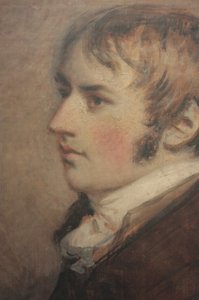
1776–1837, Wielka Brytania
John Constable
Wczesne lata, rodzina i kształcenie John Constable przyszedł na świat w 1776 roku w malowniczej wiosce East Bergholt w hrabstwie Suffolk. Był drugim synem Goldinga i Anny (Watts) Constable. Jego ojciec, zamożny handlarz zbożem i węglem, był właścicielem Flatford Mill. To nierozerwalne połączenie z rzeką i lokalnym handlem sprawiło, że rytm płynącej wody oraz nieustanny ruch towarów stały się integralną częścią codzienności jego domu.
Inne prace John Constable
 Wóz na rzece1821
 Widok na katedrę w Salisbury z terenów biskupich1823
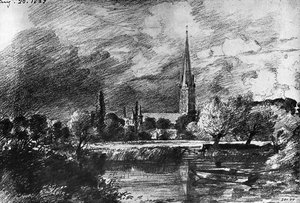 Salisbury cathedral
 Wóz ze sianem (szczegół)1821

Eseje o East Bergholt
 The Language of Brushstrokes: How Texture and Technique Reveal the Soul of ArtDiscover the profound connection between texture and emotion in Impressionist art. Explore how masterful brushstrokes by Renoir and Monet c…
 25 Must-See Masterpieces at the Yale Center for British ArtExplore 25 iconic British masterpieces from Turner to Hogarth. Discover museum-quality art at OriginalUniqueArt.com.
 Mastering the English Landscape: The Top 25 Artworks by John ConstableImmerse yourself in the soul of the English countryside with our curated guide to John Constable's top 25 masterpieces. Explore the emotive…