Podgląd w skali 1:1
 Wyślij jako kartkę
 Udostępnij
 Szczegóły dzieła
 Przewodnik

 Pobierz obraz
 Podobne obiekty
 RTG
RTG Pokaz slajdów
 Q&A
Q&A Statystyki
dedham vale - oil on canvas -


 Rozwiń treść
Giclée / Wydruk artystyczny
Wydruki giclée lub płótna o jakości muzealnej, szybka realizacja i szeroki wybór opcji wykończenia. ( Zamów ręcznie malowaną reprodukcję Przejdź do wersji cyfrowej)




P118B zł10

P118H zł10

P118W zł10

P438Z zł10

P508JH zł12

P508YH zł12

P805H zł10

P805Z zł10

P919BZ zł10

P919G zł10

P919XJ zł10

P959ZH zł10

P968JZ zł12

W106C zł8

W218G zł10

W218JH zł8

W218Y zł10

W307PJ zł10

W316G zł10

W316PJ zł8

W316Y zł10

W398PJ zł8

W4111J zł10

W500HY zł15

W500JH zł15

W692G zł12

W849H zł8

W940BG zł15

W953PJ zł8




Wybierz spośród naszych standardowych rozmiarów, które zachowują oryginalne proporcje dzieła sztuki.

Wpisz wymaganą szerokość i wysokość, aby dopasować grafikę do ramy lub ściany. Wydruk można jedynie przyciąć, nigdy nie powiększając go poza oryginalny obraz, dlatego format o innych proporcjach spowoduje utratę części kompozycji. Przed rozpoczęciem druku prześlemy Ci cyfrowy podgląd do zatwierdzenia. Obraz wyświetlany na tej stronie nie pokazuje rzeczywistego przycięcia — jedynie podgląd oddaje ten efekt.
Dostawa na cały świat () w ciągu 2 tygodni zamiast standardowych 4/5 tygodni. (29 Październik)

Bezpłatna ekspresowa wysyłka na cały świat

Wysokiej jakości płótno lniane

Pełne ubezpieczenie przesyłki

Gwarancja zwrotu należności celnych i podatków importowych

Gwarancja wiernego odwzorowania kolorów

100-dniowa polityka zwrotów (tylko w przypadku wad)

Gwarancja 100% zwrotu pieniędzy

Zniżka przy zakupie wielu sztuk
 Opcja ze szkłem jest dostępna wyłącznie w rozmiarach poniżej 110 cm

dedham vale - oil on canvas -
Giclée / Wydruk artystyczny
Wymiary reprodukcji
-


Cena całkowita
zł 308
A Glimpse into England’s Soul: John Constable's *Dedham Vale* (1802)
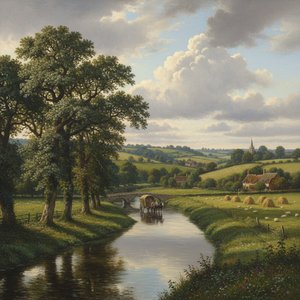
John Constable’s *Dedham Vale*, painted in 1802, is more than just a landscape; it’s an intimate portrait of the English countryside and a cornerstone of Romanticism. This oil on canvas transports viewers to the tranquil heart of Suffolk, offering a serene escape steeped in natural beauty and emotional resonance. The painting isn't simply *of* Dedham Vale – it *is* Dedham Vale, captured with an artist’s profound love and meticulous observation.Subject & Composition: A Harmony of Nature
The scene unfolds as a gently rolling valley bisected by the River Stour. Lush greenery dominates, punctuated by mature trees that frame the vista. In the distance, a church spire subtly emerges, hinting at human presence without disrupting the overwhelming sense of natural harmony. Constable masterfully employs atmospheric perspective – details soften and colors cool with distance – creating a convincing illusion of depth and space. The composition isn’t dramatic or imposing; rather, it's balanced and inviting, drawing the eye into the peaceful heart of the landscape. The river acts as a leading line, guiding our gaze through the scene and emphasizing the sense of flow and tranquility.Style & Technique: A Pioneer of English Landscape Painting
Constable’s style is characterized by his loose, expressive brushwork and vibrant yet naturalistic color palette. He rejected the highly finished, idealized landscapes favored by earlier generations, opting instead for a more direct and emotionally honest representation of nature. His technique involved layering paint to create texture and capture the fleeting effects of light and atmosphere. This approach, while initially underappreciated in England, profoundly influenced French Impressionism – artists like Eugène Delacroix lauded Constable as “the most English of the English painters.” The visible brushstrokes aren’t a flaw; they are integral to the painting's vitality and sense of immediacy.Historical Context: Romanticism & National Identity
*Dedham Vale* emerged during the height of Romanticism, a movement that celebrated emotion, individualism, and the sublime power of nature. In contrast to the Enlightenment’s emphasis on reason and order, Romantics sought inspiration in the wildness and beauty of the natural world. Constable's work also reflects a growing sense of English national identity – a pride in the unique character of the countryside and its pastoral traditions. He wasn’t merely painting landscapes; he was celebrating England itself.Symbolism & Emotional Impact: A Pastoral Ideal
While seemingly straightforward, *Dedham Vale* carries subtle symbolic weight. The river represents life's journey, flowing onward through time. The church spire suggests faith and community, anchoring the landscape within a human context. However, the painting’s primary impact is emotional. It evokes feelings of peace, tranquility, and nostalgia – a longing for a simpler, more harmonious existence. Constable doesn’t impose a narrative; he invites us to *feel* the beauty and serenity of the scene. It's an invitation to pause, breathe, and reconnect with nature.For Collectors & Designers
- A Timeless Investment: John Constable remains one of England’s most beloved artists, and his works consistently command high prices in the art market. A reproduction of *Dedham Vale* offers a beautiful and enduring addition to any collection.
- Interior Harmony: The painting's muted color palette and serene composition make it exceptionally versatile for interior design. It complements both traditional and contemporary settings, adding a touch of English elegance and pastoral charm.
- Evoking Atmosphere: *Dedham Vale* is particularly well-suited for spaces intended for relaxation and contemplation – libraries, living rooms, or bedrooms. Its calming presence can transform a room into a sanctuary.
Pytania i odpowiedzi
Jak emocje i okazja do obdarowania łączą się w przypadku „dedham vale - oil on canvas -” – John Constable?
Dzięki swojemu Tranquil wydźwiękowi emocjonalnemu, „dedham vale - oil on canvas -” – John Constable jest polecane jako prezent dla Anniversary.
Do którego okresu twórczości John Constable należy dzieło "dedham vale - oil on canvas -"?
„dedham vale - oil on canvas -” pochodzi z okresu Mature Period w twórczości John Constable. Klasyfikacja ta wiąże dzieło z rozwojem artysty.
Jakie miejsce zajmuje „dedham vale - oil on canvas -” wśród powracających motywów w twórczości John Constable?
Wśród motywów charakterystycznych dla twórczości John Constable – takich jak romantic nature's beauty, english pastoral life, constable's homeland", landscapes as emotion, traditional british art, rural idealism shown, key early landscape work, exploring light & form – dzieło „dedham vale - oil on canvas -” wprowadza własne skupienie na english countryside, valley landscape, river scene, rural england, atmospheric painting, cloudy skies, constable’s work.
Biografia artysty
A Life Rooted in the English Landscape
John Constable, born in 1776 in the idyllic Suffolk village of East Bergholt, wasn’t merely a painter of landscapes; he was a poet of the land, translating its subtle moods and enduring beauty onto canvas with an unprecedented emotional depth. His father, a prosperous corn merchant who owned both Dedham Vale and mills along the River Stour, provided not only financial security but also the very subject matter that would define Constable’s artistic life. This early immersion in the rural world – the slow rhythm of agricultural life, the ever-changing light on fields and water, the intimate details of nature – became indelibly etched into his sensibility. While initially destined to follow his father into business, a burgeoning passion for art, nurtured by local patrons like George Beaumont who introduced him to the works of Claude Lorrain, ultimately steered him toward a different path. Constable’s artistic journey wasn’t immediate; it was a gradual unfolding, shaped by careful observation and a persistent desire to capture not just *what* he saw, but *how* it felt to be present within the landscape.Breaking with Convention: A New Vision of Nature
Constable’s artistic development was marked by a deliberate rejection of prevailing academic conventions. Dissatisfied with the idealized and often theatrical landscapes favored by the Royal Academy, he sought instead a truthful representation of nature, imbued with personal feeling. He wasn't interested in grand historical narratives or mythological scenes; his focus remained steadfastly on the familiar countryside surrounding him. This commitment to depicting ordinary subjects – hay wains, farm buildings, village life – was initially met with resistance from critics who deemed his work too commonplace and lacking in ambition. However, Constable persevered, driven by a conviction that beauty resided in the everyday. He pioneered a technique of *plein air* painting, venturing outdoors to directly observe and capture the fleeting effects of light and weather. This direct engagement with nature allowed him to infuse his canvases with an immediacy and vitality previously unseen in British landscape art. His brushwork became increasingly loose and expressive, employing impasto – thick layers of paint – to create texture and convey a sense of movement and atmosphere. He wasn’t simply recording what he saw; he was translating his emotional response to the land into visual form.Iconic Works and Lasting Influence
Constable's most celebrated works stand as testaments to his unique vision. The Hay Wain (1821), perhaps his most recognizable painting, depicts a quintessential rural scene on the River Stour, capturing the tranquility and harmony of agricultural life. Hadleigh Castle (1829) showcases his dramatic use of light and atmospheric effects, transforming a crumbling ruin into a powerful symbol of time’s passage. The series of paintings depicting Salisbury Cathedral from the Meadows (1823) demonstrates his ability to evoke different moods and times of day, revealing the cathedral as an integral part of the natural landscape. Netley Abbey (1824), with its evocative depiction of architectural grandeur amidst encroaching nature, exemplifies his skill in blending human creation with the wild beauty of the countryside. Despite facing initial struggles for recognition in England, Constable achieved considerable acclaim in France, where his innovative techniques and emotional depth resonated deeply with artists seeking a more naturalistic approach to landscape painting. He influenced the Barbizon School, a group of French painters who shared his commitment to *plein air* painting and direct observation of nature.Personal Life & Final Years
Constable’s personal life was marked by both joy and sorrow. He married Maria Bicknell in 1816, and they had seven children, though sadly several did not survive infancy. His marriage provided him with emotional support but also financial strain. Elected a Royal Academician in 1829, he continued to face criticism from some quarters, particularly regarding his unconventional techniques. His later years were shadowed by Maria’s declining health and eventual death in 1828, an event that deeply affected him. Despite these hardships, Constable remained dedicated to his art, continuing to paint until his own passing on March 31, 1837. He left behind a rich artistic legacy—a testament to his unwavering commitment to capturing the beauty and emotional resonance of the English countryside. His paintings remain powerful evocations of a bygone era, inviting viewers to experience the landscape through his uniquely sensitive eyes.Influences & Artistic Development
Constable’s artistic journey was shaped by several key influences. Initially, he was drawn to the works of Gainsborough, a fellow Suffolk painter known for his depictions of rural life and portraits. He also deeply admired the landscapes of 17th-century Dutch masters, particularly Jacob Ruisdael, whose atmospheric effects and use of light resonated with Constable’s own artistic sensibilities. The introduction to Claude Lorrain by George Beaumont proved pivotal, exposing him to the idealized beauty of classical landscapes and influencing his early compositions. However, Constable quickly moved beyond mere imitation, developing a distinctly personal style characterized by loose brushwork, vibrant colors, and an intense emotional response to nature. He was a keen observer of light and weather, meticulously studying how these elements transformed the landscape throughout the day. His dedication to *plein air* painting—working directly from nature—was revolutionary for his time, challenging the established conventions of academic art.A Legacy of Emotional Resonance
John Constable’s historical significance lies not only in his artistic innovations but also in his profound impact on the development of landscape painting. He challenged academic conventions, elevated the status of ordinary subjects, and paved the way for a more personal and emotionally expressive approach to art. His emphasis on direct observation, atmospheric effects, and truthful representation of nature anticipated many of the concerns of later Impressionist painters. He demonstrated that landscape could be a vehicle for profound emotional expression, capable of evoking feelings of nostalgia, tranquility, and awe. Though he faced financial hardship throughout much of his career, and died relatively young in 1837, his legacy endures. Today, Constable is celebrated as one of Britain’s greatest artists, whose paintings continue to captivate audiences with their beauty, sincerity, and enduring power. His work serves as a poignant reminder of the profound connection between humanity and the natural world, and the transformative potential of art to capture its essence.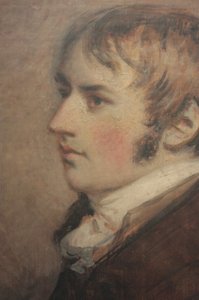
John Constable
1776 - 1837 , Wielka Brytania
Krótka nota
- Artistic Movement Or Style: Romanticizm
- Artists Or Movements Influenced By This Artist: ['Barbizon School']
- Artists Who Influenced This Artist:
- Claude Lorrain
- Ruisdael
- Date Of Birth: 11 czerwca 1776
- Date Of Death: 31 marca 1837
- Full Name: John Constable
- Nationality: Brytyjski
- Notable Artworks:
- The Hay Wain
- Hadleigh Castle
- Salisbury Cathedral
- Place Of Birth: East Bergholt, UK
Powiązane artykuły

Romantyczny Krajobraz w Malarstwie: 10 Arcydzieł, Które Zdefiniowały Epokę | OriginalUniqueArt.com
Odkryj 10 arcydzieł romantyzmu w malarstwie! Poznaj historie Caspara Davida Friedricha, Turnera i innych mistrzów. Inspiracje wnętrzarskie & reprodukcje obrazów najwyższej jakości na OriginalUniqueArt.com. Eksploruj kolekcję online!
John Constable: Nature, Light & the Romantic Vision of Rural England
Explore the life & art of John Constable, the Romantic painter who revolutionized landscape with emotive scenes of rural England. Discover his techniques, legacy, and key works – perfect for collectors & enthusiasts.

Capturing the English Landscape: The Timeless Mastery and Romantic Legacy of John Constable
Explore the profound legacy of John Constable. Discover how his mastery of light, atmosphere, and the English landscape redefined Romanticism through timeless, museum-quality oil reproductions for discerning collectors.

John Constable: 25 Najlepszych Obrazów Mistrza Angielskiego Krajobrazu | OriginalUniqueArt
Odkryj 25 arcydzieł Johna Constable'a – mistrza angielskiego krajobrazu! Poznaj romantyczne pejzaże, technikę malarską i inspiracje z Dedham Vale. Reprodukcje obrazów najwyższej jakości na OriginalUniqueArt.com. Eksploruj pełną kolekcję online!

John Singer Sargent: 25 Arcydzieł Pełnych Elegancji i Światła | OriginalUniqueArt.com
Odkryj 25 arcydzieł Johna Singera Sargenta – mistrza portretu i impresjonizmu. Poznaj historie, techniki i inspiracje za jego najsłynniejszymi obrazami. Reprodukcje najwyższej jakości na OriginalUniqueArt.com. Eksploruj pełną kolekcję online!