

 Podgląd w skali
 Wyślij jako kartkę
 Udostępnij
 Szczegóły dzieła

 Pobierz
 Podobne obiekty
 RTG
RTG Pokaz slajdów
Klosterstrasse
 Oil On Canvas
- WallArt
- Romantic Urbanism
 1830
1830- 19th Century
 32.0 x 44.0 cm
 Nationalgalerie
 Rozwiń treść
Giclée / Wydruk artystyczny
Druk giclée lub płótno o jakości muzealnej, szybka realizacja i szeroki wybór opcji wykończenia. ( Zamów ręcznie malowaną reprodukcję Kup obraz wysokiej rozdzielczości)




P118B $10

P118H $10

P118W $10

P438Z $10

P508JH $12

P508YH $12

P805H $10

P805Z $10

P919BZ $10

P919G $10

P919XJ $10

P959ZH $10

P968JZ $12

W106C $8

W218G $10

W218JH $8

W218Y $10

W307PJ $10

W316G $10

W316PJ $8

W316Y $10

W398PJ $8

W4111J $10

W500HY $15

W500JH $15

W692G $12

W849H $8

W940BG $15

W953PJ $8




Wybierz spośród naszych standardowych rozmiarów, które zachowują oryginalne proporcje dzieła sztuki.

Możesz wprowadzić własne wymiary, aby dopasować dzieło do konkretnej ramy lub przestrzeni. Jeśli wybrany rozmiar nie będzie odpowiadał proporcjom oryginalnego obrazu, przytniecie dzieło lub rozszerzymy obraz za pomocą odbicia lustrzanego lub jednolitego wypełnienia krawędzi. Przed rozpoczęciem produkcji prześlemy cyfrową wizualizację do Twojej akceptacji.
Prosimy pamiętać, że podgląd na ekranie nie odzwierciedla faktycznego przycinania ani rozszerzania. Tylko wizualizacja dokładnie pokaże końcową kompozycję.
Mimo dostępności niestandardowych rozmiarów, zalecamy wybór wymiaru z listy zdefiniowanej, aby zachować oryginalne proporcje.
Dostawa na cały świat () w ciągu 2 tygodni zamiast standardowych 4/5 tygodni. (26 Sierpień)

Bezpłatna ekspresowa wysyłka na cały świat

Wysokiej jakości płótno lniane

Pełne ubezpieczenie przesyłki

Gwarancja zwrotu należności celnych i podatków importowych

Gwarancja wiernego odwzorowania kolorów

Polityka 60-dniowego zwrotu (tylko w przypadku wad)

Gwarancja 100% zwrotu kosztów

Zniżka przy zamówieniu wielu produktów
 Opcja ze szkłem jest dostępna wyłącznie w rozmiarach poniżej 110 cm

Klosterstrasse
Giclée / Wydruk artystyczny
Wymiary reprodukcji
-


Cena całkowita
$ 80
Opis kolekcjonerski
A Window Into Prussian Life: Johann Philipp Eduard Gaertner’s Klosterstrasse
The painting Klosterstrasse by Johann Philipp Eduard Gaertner stands as a testament to the meticulous observation of urban landscapes that characterized the Biedermeier era—a period marked by quiet introspection and an appreciation for the tangible beauty of everyday life in Prussia. Created in 1830, this oil on canvas masterpiece measuring 32 x 44 cm resides within the Nationalgalerie in Berlin, offering visitors a rare glimpse into a pivotal moment in German artistic history. As an art expert specializing in historical reproductions at OriginalUniqueArt.com, I can confidently assert that Klosterstrasse transcends mere depiction; it embodies a profound understanding of its time and place.- Subject Matter: Gaertner’s focus isn't on grand narratives or heroic figures but rather on the commonplace—a busy Berlin street scene bathed in diffused light. The composition skillfully captures the dynamism of urban activity, presenting pedestrians navigating cobblestone streets amidst towering buildings adorned with ornate facades. Notably, a prominent church steeple punctuates the skyline, symbolizing faith and civic pride – elements deeply ingrained within Prussian society at the time.
- Style & Technique: Gaertner’s approach aligns perfectly with Biedermeier aesthetics—characterized by realism tempered with subtle tonal harmonies. He employs meticulous brushwork to render textures convincingly, capturing the weathered stone of buildings and the folds of clothing with remarkable accuracy. The subdued lighting contributes significantly to the painting's atmosphere, casting shadows that deepen the sense of depth and creating a contemplative mood.
- Historical Context: Klosterstrasse emerged during a period of significant social and political transformation in Prussia—the aftermath of Napoleon’s defeat and the burgeoning industrial revolution. Gaertner’s depiction reflects the anxieties and aspirations of his contemporaries, capturing both the grandeur of Prussian architecture and the everyday realities of urban life. It serves as invaluable documentation for historians studying the visual culture of 1830s Berlin.
- Symbolism: Beyond its realistic portrayal, Klosterstrasse carries symbolic weight. The church steeple represents spiritual solace amidst the bustle of the city—a common motif in Biedermeier art reflecting a desire for moral grounding and stability. Furthermore, the architectural details convey Prussia’s ambition to modernize while preserving its heritage.
- Emotional Impact: Viewing Klosterstrasse evokes a feeling of quiet contemplation—drawing the viewer into a scene frozen in time. The artist's masterful use of light and color creates an immersive experience that transports us back to 19th-century Berlin, prompting reflection on themes of urban life, faith, and artistic precision.
O artyście
A Chronicler of Prussian Grandeur: The Life and Art of Johann Philipp Eduard Gaertner
Johann Philipp Eduard Gaertner, born in Berlin in 1801, occupies a unique niche in the annals of 19th-century German painting. He wasn’t driven by grand historical narratives or romanticized landscapes, but rather by an almost architectural precision and affection for his urban surroundings—specifically, the evolving cityscape of Prussia. His name might not resonate with the same immediate recognition as some of his contemporaries, yet Gaertner's detailed depictions of Berlin and its surrounding areas offer invaluable visual documentation of a pivotal era, bridging the gap between Biedermeier sensibilities and the burgeoning modern world. His journey began modestly enough; after an early relocation to Kassel with his mother in 1806 where he received initial drawing instruction, Gaertner returned to Berlin in 1813 and embarked on a six-year apprenticeship at the Royal Porcelain Factory. While this provided foundational skills, he found its constraints stifling, supplementing it with formal studies at the Academy of Arts. This early experience instilled within him a meticulous attention to detail that would become a hallmark of his mature style.From Decorative Painter to Vedutist: A Parisian Awakening
Gaertner’s path took a decisive turn in 1821 when he secured a position as a decorative painter in the studios of Carl Wilhelm Gropius, the royal court theater painter. This role allowed him to hone his skills and observe the interplay of light and shadow—essential elements for any aspiring architectural painter. A pivotal moment arrived with the sale of a portrait of King Friedrich Wilhelm III to the royal family, providing the financial means for a transformative study trip to Paris. This sojourn proved crucial in shaping Gaertner’s artistic vision. Immersed in the Parisian art scene, he was captivated by the magnificent vistas of medieval buildings and inspired by the *vedute* tradition—detailed cityscapes that celebrated architectural grandeur. He absorbed techniques for manipulating light and atmosphere, learning to capture not just the physical structures but also their emotional resonance. Upon his return to Berlin in 1828, Gaertner dedicated himself primarily to painting these evocative urban scenes, establishing himself as a freelance artist and beginning a family—eventually fathering twelve children.Documenting a Changing Berlin: Patronage and Panoramic Visions
The following decade witnessed Gaertner diligently documenting the Biedermeier-style buildings of Berlin, catering to royal patrons with depictions of castles in Bellevue, Charlottenburg, and Glienicke. In 1833, his recognition was formalized with admission to the Academy as a “Perspective Painter.” However, it was the commission for a six-panel panorama of Berlin in 1834 that cemented his reputation. Painted from the roof of the Friedrichswerder Church—a location offering unparalleled panoramic views—this ambitious project garnered significant acclaim. Both King Friedrich Wilhelm III and his daughter, Tsarina Alexandra Feodorovna, acquired versions, demonstrating the prestige and demand for Gaertner’s work. This period represents the zenith of his career, fueled by royal patronage and a growing appreciation for his ability to capture the essence of Prussian architecture. It is believed that he utilized a camera obscura to aid in sketching the layouts of his paintings, a testament to his commitment to accuracy and detail.- Medieval Architecture: Gaertner’s fascination with medieval buildings, particularly those encountered during his time in Paris, profoundly influenced his artistic direction.
- Parisian Vedute Painting: The tradition of detailed cityscapes, exemplified by French *vedutisti*, provided a crucial framework for his approach to architectural representation.
- Camera Obscura: It is believed Gaertner utilized this device to aid in accurately sketching the layouts and perspectives of his paintings.
- Meticulous Detail: His training at the Royal Porcelain Factory instilled a commitment to precision and accuracy that permeated his work.
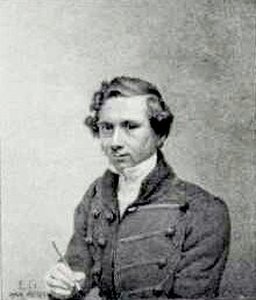
Johann Philipp Eduard Gaertner
1801 - 1877 , Niemcy
Krótka nota
- Artistic Movement Or Style: Biedermeier, Vedute
- Artists Who Influenced This Artist:
- Medieval architecture
- Parisian vedute painting
- Date Of Birth: 1801
- Full Name: Johann Philipp Eduard Gaertner
- Nationality: German
- Notable Artworks:
- The Neue Wache in Berlin
- Klosterstrasse
- Belvedere on Havel landscape
- Place Of Birth: Berlin, Germany
Powiązane artykuły

Trwała Spuścizna Malarstwa Olejnego: Technika, Historia i Estetyczny Wpływ
Poznaj historię i technikę malarstwa olejnego! Eksperckie artykuły o konserwacji, renowacji oraz współczesnych zastosowaniach. Dowiedz się więcej o mistrzach i trwałości obrazów olejnych.

Olej na płótnie: Historia, techniki i ponadczasowy urok malarskiego medium
Poznaj historię i techniki malarstwa olejowego! Od renesansowych mistrzów po współczesne zastosowania – wszystko o oleju na płótnie. Poradniki, konserwacja i inspiracje dla pasjonatów sztuki.

Trwała Spuścizna Malarstwa Olejnego: Technika, Historia i Współczesna Praktyka
Poznaj historię i techniki malarstwa olejnego. Poradniki dla artystów, informacje o konserwacji oraz możliwość zamówienia wysokiej jakości reprodukcji obrazów. Ekspercka wiedza i gwarancja trwałości dzieł sztuki.

The Soul of Impressionism: Why Oil on Canvas Captures Eternal Light and Timeless Emotion
Discover the enchanting alchemy of Impressionism. Explore how the mastery of oil on canvas, through glazing and impasto, captures eternal light and emotion. Perfect for lovers of Monet and Van Gogh seeking the profound depth of hand-painted fine art.
10 arcydzieł malarstwa olejnego, które na zawsze zmieniły sztukę | OriginalUniqueArt.com
Poznaj 10 arcydzieł malarstwa olejowego, które zrewolucjonizowały świat sztuki! Van Gogh, Monet, Picasso i inni – odkryj historie, techniki i emocje w słynnych obrazach. Reprodukcje najwyższej jakości na OriginalUniqueArt.com. Eksploruj kolekcję online!

