
 Podgląd w skali
 Wyślij jako kartkę
 Udostępnij
 Szczegóły dzieła

 Pobierz
 Podobne obiekty
 RTG
RTG Pokaz slajdów
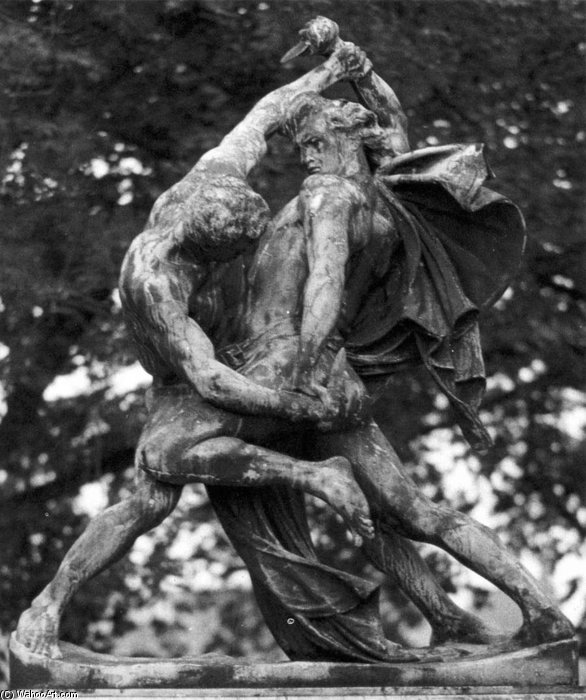
Knife Fight
 Rozwiń treść
Ręcznie malowana reprodukcja olejowa
Ręcznie malowany obraz olejny na płótnie, wykonany na zamówienie przez naszych artystów w wybranym przez Ciebie wymiarze i oprawie. ( Zamów wydruk Przełącz na obraz)




































Wybierz spośród naszych standardowych rozmiarów, które zachowują oryginalne proporcje dzieła sztuki.

Możesz wprowadzić własne wymiary, aby dopasować obraz do konkretnej ramy lub przestrzeni. Jeśli wybrany rozmiar nie będzie odpowiadał proporcjom oryginału, przytniecie dzieło sztuki lub rozszerzymy je o dodatkowe elementy, ręcznie domalowane przez artystę. Przed rozpoczęciem produkcji wyślemy projekt cyfrowy do Twojej akceptacji.
Należy pamiętać, że podgląd na ekranie nie odzwierciedla rzeczywistego przycinania ani rozszerzania obrazu. Tylko projekt dokładnie pokaże ostateczną kompozycję.
Choć oferujemy możliwość zamówienia niestandardowych rozmiarów, zalecamy wybór wymiaru z gotowej listy, aby zachować oryginalne proporcje dzieła.
Po złożeniu zamówienia zespół OriginalUniqueArt.com skontaktuje się z klientem drogą mailową w celu uzyskania instrukcji i prześle wizualizację projektu
Dostawa na całym świecie () w ciągu 3–4 tygodni zamiast standardowych 5 tygodni. (7 Sierpień). Bez kompromisów w kwestii jakości.

Bezpłatna ekspresowa wysyłka na cały świat

Wysokiej jakości płótno lniane

Pełne ubezpieczenie przesyłki

Gwarancja zwrotu należności celnych i podatków importowych

Gwarancja wiernego odwzorowania kolorów

Polityka 60-dniowego zwrotu (tylko w przypadku wad)

Gwarancja 100% zwrotu kosztów

Zniżka przy zamówieniu wielu produktów
 Opcja ze szkłem jest dostępna wyłącznie w rozmiarach poniżej 110 cm

Knife Fight
Technika reprodukcji
Wymiary reprodukcji
-


Cena całkowita
$ 325
O artyście
A Sculptor of Viking Spirit and Parisian Elegance
Born into the humble warmth of a baker’s family in Gothenburg in 1814, Johann Peter Molin possessed an innate talent that would eventually transcend the flour-dusted streets of his youth to define the monumental landscape of 19th-century Sweden. His journey from the Swedish coast to the artistic epicenters of Europe is a testament to a profound creative drive. In 1843, driven by a burgeoning passion for form and figure, Molin traveled to Copenhagen to study under the esteemed Herman Wilhelm Bissen. This period was foundational, as Bissen’s mastery of national identity and classical narrative provided Molin with the technical vocabulary necessary to translate historical myth into tangible bronze and marble. However, it was his subsequent immersion in the vibrant, pulsating atmosphere of Paris that truly refined his vision, allowing him to absorb the burgeoning naturalism and emotional depth that would later breathe life into his most iconic works.
Molin’s artistic evolution was a delicate dance between the rigorous discipline of classical training and the evocative power of Romanticism. While his roots remained firmly planted in the academic traditions of Copenhagen, his years in Paris exposed him to a world where movement, psychology, and atmosphere were beginning to take precedence over static perfection. This duality created a unique sculptural language—one that could capture the muscular tension of a combatant or the ethereal grace of a mythological figure with equal precision. His work often sought to bridge the gap between the ancient Norse legends and the sophisticated aesthetic of the modern era, creating a dialogue between the rugged spirit of the Viking past and the refined elegance of 19th-century European art.
Masterpieces of Myth and Monarchy
The legacy of Molin is most vibrantly felt in the public squares of Stockholm, where his sculptures serve as silent narrators of Swedish history and folklore. Perhaps his most enduring contribution to the visual identity of his nation is The Knife Wrestlers (Bältespännarna), completed in 1859. This dramatic depiction of Nordic combat, characterized by its intense physical struggle and raw energy, remains a masterpiece of genre sculpture. It captures a moment of visceral tension that resonates with the Romantic fascination for primal human conflict. Similarly, his equestrian statue of King Karl XII, unveiled in 1868 in Kungsträdgården, stands as a powerful symbol of national pride, portraying the monarch in a dynamic battle pose that commands the viewer's attention through its sheer sculptural force.
Beyond the martial and the heroic, Molin demonstrated a remarkable ability to weave elements of folklore into the very fabric of urban design. The Molin Fountain, located in the same Kungsträdgården, serves as a lyrical counterpart to his more aggressive works. Featuring allegorical figures and nods to Swedish legends—such as the elusive Näcken—the fountain celebrates the arts and sciences through a lens of enchantment. His ability to move between the monumental scale of royal monuments and the intimate, storytelling nature of decorative fountains showcases an artist of immense versatility.
A Legacy Carved in Bronze
Molin’s career was marked by significant professional triumphs that solidified his status within the European artistic hierarchy. His appointment as a professor at the Royal Swedish Academy of Fine Arts in 1855 allowed him to shape the next generation of sculptors, ensuring that his technical precision and narrative sensibility would endure. His international acclaim was further cemented by prestigious decorations, including:
- The Order of Vasa
- The Order of the Polar Star
- The Order of St. Olav
- The Prussian Pour le Mérite
Though he passed away in 1873 near Vaxholm, Molin’s influence remains etched into the stone and bronze of the cities he helped beautify. He was more than a mere craftsman; he was a storyteller who used the permanence of sculpture to immortalize the legends, heroes, and cultural identity of his homeland. Through his hands, the rugged myths of the North were transformed into an enduring classical elegance that continues to inspire awe in all who encounter them.

johann peter molin
1814 - 1873 , Sweden
Krótka nota
- Artistic Movement Or Style: Genre painting, Landscape paintings
- Artists Or Movements Influenced By This Artist: ['']
- Artists Who Influenced This Artist: ['']
- Date Of Birth: 1814
- Full Name: Johann Peter Molin
- Nationality: Swedish
- Notable Artworks:
- Fountain
- Knife Fight
- Place Of Death: Ekudden near Vaxholm

