

 Podgląd w skali
 Wyślij jako kartkę
 Udostępnij
 Szczegóły dzieła

 Pobierz
 Podobne obiekty
 RTG
RTG Pokaz slajdów
Aeneas's Sacrifice


 Rozwiń treść
Ręcznie malowana reprodukcja olejowa
Ręcznie malowany obraz olejny na płótnie, wykonany na zamówienie przez naszych artystów w wybranym przez Ciebie wymiarze i oprawie. ( Zamów wydruk Kup obraz wysokiej rozdzielczości)




































Wybierz spośród naszych standardowych rozmiarów, które zachowują oryginalne proporcje dzieła sztuki.

Możesz wprowadzić własne wymiary, aby dopasować obraz do konkretnej ramy lub przestrzeni. Jeśli wybrany rozmiar nie będzie odpowiadał proporcjom oryginału, przytniecie dzieło sztuki lub rozszerzymy je o dodatkowe elementy, ręcznie domalowane przez artystę. Przed rozpoczęciem produkcji wyślemy projekt cyfrowy do Twojej akceptacji.
Należy pamiętać, że podgląd na ekranie nie odzwierciedla rzeczywistego przycinania ani rozszerzania obrazu. Tylko projekt dokładnie pokaże ostateczną kompozycję.
Choć oferujemy możliwość zamówienia niestandardowych rozmiarów, zalecamy wybór wymiaru z gotowej listy, aby zachować oryginalne proporcje dzieła.
Po złożeniu zamówienia zespół OriginalUniqueArt.com skontaktuje się z klientem drogą mailową w celu uzyskania instrukcji i prześle wizualizację projektu
Dostawa na całym świecie () w ciągu 3–4 tygodni zamiast standardowych 5 tygodni. (22 Sierpień). Bez kompromisów w kwestii jakości.

Bezpłatna ekspresowa wysyłka na cały świat

Wysokiej jakości płótno lniane

Pełne ubezpieczenie przesyłki

Gwarancja zwrotu należności celnych i podatków importowych

Gwarancja wiernego odwzorowania kolorów

Polityka 60-dniowego zwrotu (tylko w przypadku wad)

Gwarancja 100% zwrotu kosztów

Zniżka przy zamówieniu wielu produktów
 Opcja ze szkłem jest dostępna wyłącznie w rozmiarach poniżej 110 cm

Aeneas's Sacrifice
Technika reprodukcji
Wymiary reprodukcji
-


Cena całkowita
$ 300
O artyście
Johann Michael Rottmayr (1654-1730): Austrian Baroque Master
Johann Michael Rottmayr, born in the charming Bavarian town of Lauf an der Pegnitz around 1654 (sources vary between 1654 and 1656), stands as a pivotal figure in the transition from the High Baroque to the Rococo styles in Central Europe. He wasn’t merely a painter; he was a conduit, skillfully channeling the vibrant energy of Italian Renaissance masters through the lens of burgeoning Austrian artistic sensibilities. Rottmayr's journey began within a family already touched by artistry, providing fertile ground for his innate talents to blossom. His formal training commenced under Johann Carl Loth in Venice – a formative experience that would indelibly shape his aesthetic vision. Loth’s tutelage wasn’t simply about technique; it was an immersion into the world of Titian, Veronese, and Tintoretto, instilling within Rottmayr a deep appreciation for coloristic richness, dramatic composition, and the masterful use of light and shadow. This Venetian influence would remain a cornerstone of his style throughout his career. He wasn’t alone in absorbing Italian influences; Hans Adam Weissenkircher, a contemporary from Lauf, also played a crucial role in bringing these artistic currents northwards, fostering a shared aesthetic dialogue that enriched the region's art scene.Early Influences and Venetian Training
Rottmayr’s formative years were marked by exposure to artistic excellence. His father, Friedrich, was a craftsman and organist, nurturing an appreciation for visual arts from a young age. Recognizing his son’s prodigious talent, Rottmayr received instruction from Johann Carl Loth in Venice – a decision that would prove transformative. Loth wasn't merely imparting technical skills; he instilled within Rottmayr a profound understanding of the Venetian Renaissance masters, specifically Titian, Veronese, and Tintoretto. These artists championed luminosity, masterful perspective, and an expressive handling of light and shadow—principles that profoundly impacted Rottmayr’s artistic sensibilities. This Venetian immersion solidified his stylistic trajectory, establishing a bedrock of Italian Renaissance ideals.Salzburg Service and Architectural Collaboration
Rottmayr swiftly gained recognition for his abilities, securing the prestigious role of general painter to the Prince-Bishop of Salzburg in 1689. This patronage afforded him consistent commissions and elevated his reputation amongst influential ecclesiastical circles. He flourished under Salzberg’s auspices, producing both secular and religious artworks that showcased his burgeoning mastery. Notably, he partnered with Johann Bernhard Fischer von Erlach—a leading architect of the time—embarking on ambitious projects designed to harmonize architecture and painting. Their collaboration culminated in breathtaking frescoes adorning Schloss Frain an der Thaya (now Vranov nad Dyjí), where Rottmayr’s skill in illusionistic ceiling painting reached its zenith. The compositions weren't merely decorative; they actively engaged with the architectural structure, creating a unified and dynamic visual experience—a testament to Rottmayr’s innovative approach.Melk Abbey Dome: A Triumph of Illusion
Rottmayr’s magnum opus resides in the monumental fresco adorning the central dome of Melk Abbey – a masterpiece that embodies the apex of Baroque artistry. Completed with unparalleled precision, this expansive depiction portrays a sublime vision of heaven—a swirling vortex of luminous figures and vibrant hues that seemingly defies gravity. The sheer scale of the work combined with Rottmayr’s masterful command of perspective and illusionistic techniques generates an overwhelming sensation of awe and spiritual transcendence. It stands as a definitive demonstration of his capacity to transform architectural space into a realm of divine beauty—a legacy cemented in 2007 when it was chosen as the central motif for an Austrian commemorative coin.Beyond Melk: Artistic Versatility and Legacy
Despite focusing on monumental frescoes, Rottmayr demonstrated remarkable versatility across various mediums. His paintings for Karlskirche in Vienna – including *Intercession of Charles Borromeo supported by the Virgin Mary* – exemplify his continued exploration of dramatic composition and rich color palettes. Furthermore, a solitary work titled “Vulcan” underscores his technical prowess and artistic vision. Rottmayr’s influence extended beyond individual artworks; he served as a crucial bridge between Italian Renaissance traditions and the burgeoning Rococo style in Central Europe. His oeuvre embodies a harmonious blend of Baroque dynamism and Rococo elegance—a testament to his enduring contribution to Austrian art history. He died peacefully in Vienna on October 25th, 1730.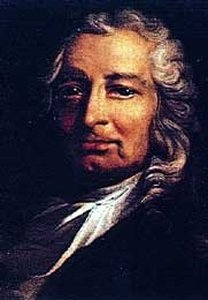
Johann Michael Rottmayer
1654 - 1730 , Niemcy
Krótka nota
- Artistic Movement Or Style: Baroque
- Artists Or Movements Influenced By This Artist: ['Italian Renaissance']
- Artists Who Influenced This Artist: ['Johann Carl Loth']
- Date Of Birth: 1654
- Date Of Death: 1730
- Full Name: Johann Michael Rottmayr
- Nationality: Austrian
- Notable Artworks:
- Melk Abbey Dome
- Intercession of Charles Borromeo
- Vulcan
- Place Of Birth: Laufen an der Pegnitz, Germany


