
 Podgląd w skali 1:1
 Wyślij jako kartkę
 Udostępnij
 Szczegóły dzieła
 Przewodnik

 Pobierz obraz
 Podobne obiekty
 RTG
RTG Pokaz slajdów
 Pytania i odpowiedzi
 Statystyki
Cold Spring

- 37.0 x 48.0 cm


 Rozwiń treść
Giclée / Wydruk artystyczny
Wydruki giclée lub płótna o jakości muzealnej, szybka realizacja i szeroki wybór opcji wykończenia. ( Zamów ręcznie malowaną reprodukcję Przejdź do wersji cyfrowej)




P118B zł10

P118H zł10

P118W zł10

P438Z zł10

P508JH zł12

P508YH zł12

P805H zł10

P805Z zł10

P919BZ zł10

P919G zł10

P919XJ zł10

P959ZH zł10

P968JZ zł12

W106C zł8

W218G zł10

W218JH zł8

W218Y zł10

W307PJ zł10

W316G zł10

W316PJ zł8

W316Y zł10

W398PJ zł8

W4111J zł10

W500HY zł15

W500JH zł15

W692G zł12

W849H zł8

W940BG zł15

W953PJ zł8




Wybierz spośród naszych standardowych rozmiarów, które zachowują oryginalne proporcje dzieła sztuki.

Wpisz wymaganą szerokość i wysokość, aby dopasować grafikę do ramy lub ściany. Wydruk można jedynie przyciąć, nigdy nie powiększając go poza oryginalny obraz, dlatego format o innych proporcjach spowoduje utratę części kompozycji. Przed rozpoczęciem druku prześlemy Ci cyfrowy podgląd do zatwierdzenia. Obraz wyświetlany na tej stronie nie pokazuje rzeczywistego przycięcia — jedynie podgląd oddaje ten efekt.
Dostawa na cały świat () w ciągu 2 tygodni zamiast standardowych 4/5 tygodni. (15 Listopad)

Bezpłatna ekspresowa wysyłka na cały świat

Wysokiej jakości płótno lniane

Pełne ubezpieczenie przesyłki

Gwarancja zwrotu należności celnych i podatków importowych

Gwarancja wiernego odwzorowania kolorów

100-dniowa polityka zwrotów (tylko w przypadku wad)

Gwarancja 100% zwrotu pieniędzy

Zniżka przy zakupie wielu sztuk
 Opcja ze szkłem jest dostępna wyłącznie w rozmiarach poniżej 110 cm

Cold Spring
Giclée / Wydruk artystyczny
Wymiary reprodukcji
-


Cena całkowita
zł 315
Biografia artysty
The Atmospheric Vision of Johann Hermann Carmiencke
Born in the historic port city of Hamburg in 1810, Johann Hermann Carmiencke emerged as a profound voice in the nineteenth-century landscape tradition, bridging the gap between European Romanticism and the American Hudson River School. His early life was marked by hardship; having lost both parents by the age of eight, his artistic destiny was preserved by the keen eye of a teacher who recognized his burgeoning talent and secured the sponsorship necessary for his formal education. This early resilience perhaps contributed to the depth and emotional gravity found in his later works, where the grandeur of nature often meets a quiet, contemplative stillness.
Carmiencke’s artistic lineage is a tapestry of Europe's most significant landscape traditions. His journey began in Dresden, where he studied under the Norwegian master Johann Christian Dahl. From Dahl, Carmiencke inherited a devotion to the Romantic ideal of the sublime—the ability to capture the overwhelming power and breathtaking scale of the natural world. This foundation was further refined at the Royal Danish Academy of Fine Arts in Copenhagen, under the tutelage of Christoffer Wilhelm Eckersberg. While Dahl provided the soul of his landscape work, Eckersberg instilled a rigorous commitment to realism and tonal harmony, teaching Carmiencke how to translate the fleeting nuances of light and atmosphere into permanent, masterful compositions.
A Journey Through Light and Terrain
The evolution of Carmiencke’s style was deeply intertwined with his physical travels across the continent. As a wandering artist, he sought out the most dramatic terrains Europe had to offer, embarking on extensive expeditions through Sweden, Bavaria, and the Tyrol. These journeys were more than mere sightseeing; they were essential components of his creative process. In the rugged mountains of the Alps and the sweeping vistas of Scandinavia, he practiced the art of tonal painting, learning to use subtle color gradations to evoke the misty breath of a mountain morning or the golden glow of a setting sun. His time in Italy between 1845 and 1846 further enriched his palette, adding a classical clarity to his atmospheric sensibilities.
His technical mastery reached a pinnacle through his ability to blend meticulous detail with the ethereal qualities of Luminism. This is perhaps most evident in his celebrated works such as Hudson River at Cold Spring, where he utilizes glowing, romantic lighting to create a sense of profound peace. In these compositions, the viewer is not merely looking at a landscape but is invited into a sacred space where the water, sky, and earth exist in perfect, luminous equilibrium. His ability to render the texture of rock, the translucency of water, and the weight of clouds allowed him to capture the very essence of the natural world's spirit.
Legacy and the American Horizon
A transformative chapter in Carmiencke’s life began in 1851 when he emigrated to New York City. This move placed him at the epicenter of a burgeoning art movement, allowing his European training to merge with the American fascination with the untamed wilderness. As a figure within the Hudson River School circle, his work resonated with the American zeitgeist—a period defined by an intense, almost spiritual connection to the landscape. His presence in America brought a sophisticated European sensibility to the depiction of New York’s natural wonders, contributing to the rich visual history of the Hudson River Valley.
Though his life was relatively short, ending in Brooklyn in 1867, Carmiencke left behind a legacy of breathtaking panoramas and evocative etchings. His achievements include:
- Mastery of Atmosphere: The ability to translate complex meteorological phenomena into emotive, tonal landscapes.
- Cross-Cultural Synthesis: Successfully merging the precision of Danish realism with the dramatic Romanticism of the German and American traditions.
- Institutional Recognition: His early success was marked by his appointment as a court painter to Christian VIII of Denmark, signifying his high standing in the European artistic hierarchy.
Today, Carmiencke’s works reside in prestigious collections such as the Smithsonian American Art Museum, serving as enduring testaments to a life spent chasing the light across continents and capturing the eternal beauty of the earth's most majestic landscapes.

Johann Hermann Carmiencke
1810 - 1867
Krótka nota
- Full Name: Johann Hermann Carmiencke
- Nationality: German
- Date Of Birth: 1810
- Date Of Death: 1867
- Place Of Birth: Hamburg, Germany
- Notable Artworks: ['Villa Malta with St. Peter’s Basilica']
- Artistic Movement Or Style: Hudson River School
- Artists Who Influenced This Artist: ['Johan Christian Dahl']
- Artists Or Movements Influenced By This Artist: ['Frederic Edwin Church']
Powiązane artykuły
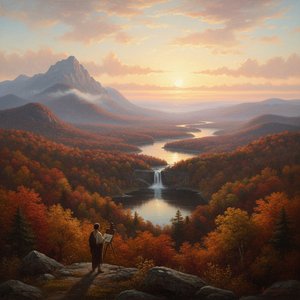
Sublime Krajobrazy: Narodziny Amerykańskiej Tożsamości Artystycznej i Rola Szkoły Hudson River
Odkryj fascynującą historię Szkoły Hudson River i narodziny amerykańskiej tożsamości artystycznej. Poznaj kluczowych artystów, techniki malarskie i inspiracje. Reprodukcje najwyższej jakości na OriginalUniqueArt.com!

The Hudson River School: American Landscape Painting and the Spirit of the Wild
Explore the history of the Hudson River School and its masters. Discover the evolution of American landscape painting now.

The Hudson River School: A Definitive Guide to America's Romantic Landscape Tradition
Explore the profound legacy of the Hudson River School. Discover how masters like Thomas Cole captured the American sublime through Romanticism and Luminism. A definitive guide for art historians and collectors seeking to understand America's wild beauty.

Epic Landscapes & Wild Nature: The Power of the Hudson River School's Sublime Artistry
Explore the breathtaking power of the Hudson River School. Journey through epic American landscapes, from Thomas Cole's sublime vistas to Luminist light, and discover how these timeless masterpieces continue to inspire modern collectors and art lovers worldwide.
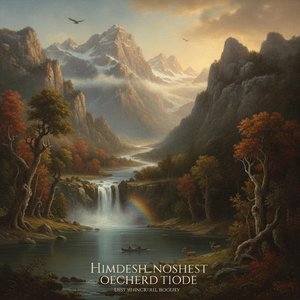
10 Iconic Hudson River School Masterpieces That Changed Landscape Art Forever
Journey through the sublime landscapes of the Hudson River School. Explore 10 iconic masterpieces by legends like Thomas Cole and Frederic Church. Find inspiration for your decor with museum-quality art reproductions. Discover all masterpieces on OriginalUniqueArt.com.