

 Zobacz w skali 1:1
 Wyślij
 Udostępnij
 Szczegóły
 Przewodnik

 Pobierz plik obrazu
 Podobne obiekty
 RTG
RTG Pokaz slajdów
 Statystyki
Laurids Engelstoft


 Czytaj więcej
Giclée / Wydruk artystyczny
Wydruki giclée lub płótna o jakości muzealnej, szybka realizacja i szeroki wybór opcji wykończenia. ( Kup ręcznie malowany obraz Przełącz na wersję cyfrową)




































Wybierz spośród naszych standardowych rozmiarów, które zachowują oryginalne proporcje dzieła sztuki.

Możesz wprowadzić własne wymiary, aby dopasować dzieło do konkretnej ramy lub przestrzeni. Jeśli wybrany rozmiar nie będzie odpowiadał proporcjom oryginalnego obrazu, przytniecie dzieło lub rozszerzymy obraz za pomocą odbicia lustrzanego lub jednolitego wypełnienia krawędzi. Przed rozpoczęciem produkcji prześlemy cyfrową wizualizację do Twojej akceptacji.
Prosimy pamiętać, że podgląd na ekranie nie odzwierciedla faktycznego przycinania ani rozszerzania. Tylko wizualizacja dokładnie pokaże końcową kompozycję.
Mimo dostępności niestandardowych rozmiarów, zalecamy wybór wymiaru z listy zdefiniowanej, aby zachować oryginalne proporcje.
Dostawa na cały świat () w ciągu 2 tygodni zamiast standardowych 4/5 tygodni. (26 Wrzesień)

Bezpłatna ekspresowa wysyłka na cały świat

Wysokiej jakości płótno lniane

Pełne ubezpieczenie transportowe

Gwarancja zwrotu należności celnych i podatków importowych

Gwarancja idealnego odwzorowania barw

100-dniowy okres na zwrot dzieła w przypadku wykrycia wad produkcyjnych

Gwarancja 100% zwrotu pieniędzy

Oferta przy zakupie wielu sztuk
 Opcja ze szkłem jest dostępna wyłącznie w rozmiarach poniżej 110 cm

Laurids Engelstoft
Giclée / Wydruk artystyczny
Rozmiar reprodukcji
-


Suma do zapłaty
$ 80
Biografia artysty
Johan Vilhelm Gertner (1818 – 1871): The Master of Photorealistic Portraiture
Johan Vilhelm Gertner, born in Copenhagen in 1818 to a craftsman at the Holmen Naval Base, stands as one of the most celebrated Danish painters of his era—a figure inextricably linked to the waning years of the Golden Age of Danish Painting. His artistic trajectory was profoundly shaped by the tutelage of Christoffer Wilhelm Eckersberg, considered the father of this movement, who instilled in Gertner a foundational commitment to naturalistic observation and meticulous detail – principles that would propel him far beyond the stylistic confines of his teacher’s vision. Gertner's career unfolded against a backdrop of burgeoning artistic innovation, particularly the influence of French Realism and the transformative potential of photography, marking him as an artist acutely attuned to the shifting intellectual landscape of the mid-19th century.- Early Life & Education: Gertner’s formative years were spent honing his craft at the Royal Danish Academy of Fine Arts (1831–1837), where Eckersberg championed a style prioritizing direct observation and capturing the essence of reality. This approach contrasted sharply with prevailing academic conventions, fostering Gertner's desire to transcend mere imitation and strive for genuine artistic expression.
- Influences & Artistic Style: Gertner’s artistic sensibilities were undeniably molded by French Realism—particularly Gustave Courbet—whose unflinching depiction of everyday life served as a powerful counterpoint to idealized Romantic narratives. Simultaneously, he embraced the emerging techniques of photography, recognizing its ability to reproduce textures and tonal gradations with unprecedented accuracy. This fascination with photographic realism would become a defining characteristic of his oeuvre.
Notable Portraits & Artistic Achievements
Gertner’s reputation rests primarily upon his extraordinary skill in portraiture—a medium he mastered with breathtaking precision. He produced an astonishing array of portraits, capturing the likenesses of prominent figures across Danish society, including Bertel Thorvaldsen (Thorvaldsens Museum), C.W. Eckersberg, and King Christian VIII. What distinguished Gertner’s work from its contemporaries was not merely technical proficiency; it was his ability to imbue each portrait with a palpable sense of psychological depth—revealing character traits and emotional nuances that transcended mere visual representation. His meticulous attention to detail extended beyond facial features, encompassing fabrics, textures, and lighting conditions, creating immersive scenes that transported viewers into the subject’s world.- Key Commissions: Gertner undertook numerous prestigious commissions throughout his life, securing patronage from royal families and influential intellectuals. These projects demanded exceptional artistic skill and unwavering dedication—qualities Gertner possessed in abundance.
- Recognition & Critical Acclaim: Gertner’s work garnered considerable acclaim during his lifetime, particularly from art historians like Niels Lauritz Høyen, who nevertheless acknowledged the undeniable brilliance of his technique. His reputation endured beyond his death in 1871, cementing his place as a cornerstone of Danish artistic heritage.
Legacy & Historical Significance
Gertner’s contribution to Danish art history extends far beyond his individual portraits. He served as Professor at the Academy from 1858, shaping the artistic sensibilities of generations of aspiring painters and fostering a continuing dialogue with the stylistic innovations of his time. His unwavering commitment to naturalistic observation—combined with his pioneering exploration of photographic realism—established him as a pivotal figure in bridging the gap between Romantic idealism and Modernist experimentation. Today, Gertner’s paintings continue to inspire admiration for their technical virtuosity and profound psychological insight—testaments to an artist who captured the spirit of his era with unparalleled artistry.
johan vilhelm gertner
1818 - 1871
Najważniejsze informacje
- Artistic Movement Or Style: Realism
- Artists Or Movements Influenced By This Artist: ['French Realism']
- Artists Who Influenced This Artist: ['Christoffer Wilhelm Eckersberg']
- Date Of Death: 1871
- Full Name: Johan Vilhelm Gertner
- Nationality: Danish
- Notable Artworks:
- Thorvaldsen in his studio
- Eckersberg
- Place Of Birth: Holmen Naval Base, Denmark
Zobacz także powiązane artykuły

Trwała Spuścizna Malarstwa Olejnego: Technika, Historia i Estetyczny Wpływ
Poznaj historię i technikę malarstwa olejnego! Eksperckie artykuły o konserwacji, renowacji oraz współczesnych zastosowaniach. Dowiedz się więcej o mistrzach i trwałości obrazów olejnych.

The Enduring Power of Painting: A Historical & Contemporary Exploration of Form and Emotion
Explore the rich history & enduring techniques of oil painting with OriginalUniqueArt. Discover masterpieces, learn about art collecting, and find authentic handmade reproductions crafted by skilled artists.
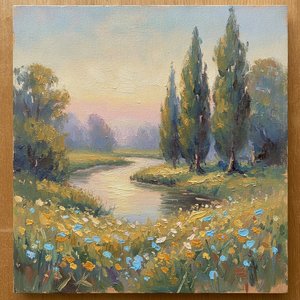
The Timeless Charm of Oil on Board: Reimagining Texture and Light through the Impressionist Lens
Discover the profound intimacy of oil on panel. Explore how Impressionist masters used rigid supports to capture light, texture, and impasto depth through exquisite, handmade oil reproductions for discerning collectors.

Olej na płótnie: Historia, techniki i ponadczasowy urok malarskiego medium
Poznaj historię i techniki malarstwa olejowego! Od renesansowych mistrzów po współczesne zastosowania – wszystko o oleju na płótnie. Poradniki, konserwacja i inspiracje dla pasjonatów sztuki.

Trwała Spuścizna Malarstwa Olejnego: Technika, Historia i Współczesna Praktyka
Poznaj historię i techniki malarstwa olejnego. Poradniki dla artystów, informacje o konserwacji oraz możliwość zamówienia wysokiej jakości reprodukcji obrazów. Ekspercka wiedza i gwarancja trwałości dzieł sztuki.