

 Podgląd w skali 1:1
 Wyślij jako kartkę
 Udostępnij
 Szczegóły dzieła
 Przewodnik

 Pobierz obraz
 Podobne obiekty
 RTG
RTG Pokaz slajdów
 Statystyki
Bathers
 Expressionism
 1990
1990 34.0 x 46.0 cm
 Kerala Museum
 Rozwiń treść
Dzieło sztuki prezentowane na tej stronie podlega ochronie prawem autorskim, co oznacza, że nie mamy prawa do tworzenia ani sprzedaży jego identycznej reprodukcji. Ochrona ta jest egzekwowana na mocy umów międzynarodowych, takich jak Konwencja berneńska oraz przez przepisy prawa krajowego, w tym te określone w Prawo autorskie USA – Tytuł 17.
Metoda ta jest w pełni zgodna z przepisami prawa autorskiego, ponieważ nie polega na kopiowaniu ani powielaniu chronionego dzieła. Stanowi ona kreatywną reinterpretację – nowy obraz, który czerpie inspirację z oryginału, ale nie jest z nim tożsamy.
Giclée / Wydruk artystyczny
Wydruki giclée lub płótna o jakości muzealnej, szybka realizacja i szeroki wybór opcji wykończenia. ( Zamów ręcznie malowaną reprodukcję Przejdź do wersji cyfrowej)




































Wybierz spośród naszych standardowych rozmiarów, które zachowują oryginalne proporcje dzieła sztuki.

Wpisz wymaganą szerokość i wysokość, aby dopasować grafikę do ramy lub ściany. Wydruk można jedynie przyciąć, nigdy nie powiększając go poza oryginalny obraz, dlatego format o innych proporcjach spowoduje utratę części kompozycji. Przed rozpoczęciem druku prześlemy Ci cyfrowy podgląd do zatwierdzenia. Obraz wyświetlany na tej stronie nie pokazuje rzeczywistego przycięcia — jedynie podgląd oddaje ten efekt.
Dostawa na cały świat () w ciągu 2 tygodni zamiast standardowych 4/5 tygodni. (26 Październik)

Bezpłatna ekspresowa wysyłka na cały świat

Wysokiej jakości płótno lniane

Pełne ubezpieczenie przesyłki

Gwarancja zwrotu należności celnych i podatków importowych

Gwarancja wiernego odwzorowania kolorów

100-dniowa polityka zwrotów (tylko w przypadku wad)

Gwarancja 100% zwrotu pieniędzy

Zniżka przy zakupie wielu sztuk
 Opcja ze szkłem jest dostępna wyłącznie w rozmiarach poniżej 110 cm

Bathers
Giclée / Wydruk artystyczny
Wymiary reprodukcji
-


Cena całkowita
zł 307
Biografia artysty
Jogen Chowdhury: A Life in Lines and Forms
Early Life and Education
Born in 1939 in Kamalpur, Tripura, India, Jogen Chowdhury is a distinguished Indian painter considered one of the most significant artists of the 21st century. His early life was shaped by the cultural landscape of Northeast India. He received his formal artistic training at the Government College of Art & Craft in Kolkata, laying the foundation for his future explorations in art. Furthering his education, Chowdhury pursued studies at the École Nationale Supérieure des Beaux-Arts in Paris in 1967, exposing him to Western artistic traditions and broadening his perspectives.
Artistic Style and Technique
Chowdhury’s style is uniquely characterized by his masterful use of lines and curves to create figures and forms. His art represents a compelling fusion of Indian tradition with Western influences, resulting in a distinctive aesthetic. While he has experimented with various mediums including oil paints, his most celebrated works are executed using ink, watercolor, and pastel. The line serves as a fundamental element in his artistic process; he employs it to generate textures and patterns that imbue his paintings with depth and complexity. His use of color is equally expressive and emotive, allowing him to convey a wide range of feelings and emotions through his work.
Influences and Artistic Development
Jogen Chowdhury’s artistic journey has been profoundly influenced by the rich tradition of Indian art, alongside exposure to Western artistic movements. He draws inspiration from various sources, including folk art, classical Indian sculpture, and European Expressionism. This synthesis of influences is evident in his unique style, which blends indigenous motifs with modern techniques. Over time, Chowdhury developed a distinctive figurative language that reflects both personal experiences and broader social concerns.
Themes and Subject Matter
Chowdhury’s work often explores themes of human vulnerability, societal inequalities, and the complexities of contemporary life. He frequently depicts figures in intimate settings, capturing their emotions and inner lives with sensitivity and empathy. Animals, particularly tigers, also feature prominently in his paintings, serving as symbolic representations of power, grace, and the natural world. His art invites viewers to contemplate the human condition and engage with pressing social issues.
Major Achievements and Recognition
Throughout his career, Jogen Chowdhury has received widespread recognition for his artistic contributions. His paintings are exhibited in museums and galleries worldwide, including the National Gallery of Modern Art in New Delhi. He has been honored with numerous awards and accolades, solidifying his position as one of India’s most important contemporary artists. His work is highly sought after by collectors and continues to inspire generations of artists.
Historical Significance and Legacy
Jogen Chowdhury's legacy lies in his ability to bridge the gap between tradition and modernity, creating a unique artistic language that resonates with audiences across cultures. He has played a pivotal role in shaping the landscape of contemporary Indian art, influencing countless artists with his innovative techniques and thought-provoking themes. His work serves as a testament to the power of art to reflect, challenge, and transform society.
Key Characteristics of His Work
- Unique line work creating texture and form
- Fusion of Indian and Western artistic styles
- Exploration of human emotion and social issues
- Use of expressive color palettes
- Recurring motifs of figures and animals

Jogen Chowdhury
1939 - , India
Krótka nota
- Name: Jogen Chowdhury
- Movement:
- Contemporary Indian art
- Figurative art
- Birth Date: 1939
- Birth Place: Kamrup, India
- Nationality: Indian
- Date Of Birth: 1939
- Influenced By:
- Indian artistic tradition
- Western art
- Notable Works:
- Tiger in the Moonlit Night
- Bathers
- Place Of Birth: Kamrup, India
Powiązane artykuły

Top 10 arcydzieł ekspresjonizmu abstrakcyjnego – inspiracje dla Twojego wnętrza | OriginalUniqueArt.com
Odkryj 10 arcydzieł ekspresjonizmu abstrakcyjnego – Pollock, Rothko, de Kooning i inni. Poznaj historie artystów, techniki i inspiracje dla Twojego wnętrza. Reprodukcje najwyższej jakości na OriginalUniqueArt.com!

Geometria Sztuki: 10 Arcydzieł Abstrakcji Geometrycznej | OriginalUniqueArt.com
Odkryj 10 arcydzieł abstrakcji geometrycznej! Poznaj historię Mondriana, Kandinskiego i Maleвича. Inspiracje wnętrzarskie z malarstwem abstrakcyjnym – reprodukcje najwyższej jakości na OriginalUniqueArt.com. Eksploruj kolekcję online!
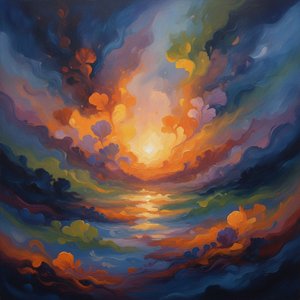
The Soul of Color: A Journey into the Emotional Resonance of Lyrical Abstraction
Embark on a cultural journey through Lyrical Abstraction. Explore how masters like Kandinsky used color and motion to translate emotion into visual poetry. Discover the profound beauty of abstract expressionism and learn to curate emotional resonance in your own art collection.

25 Arcydzieł Kandinskiego: Kolor, Duchowość i Abstrakcja w Twoim Domu | OriginalUniqueArt.com
Odkryj 25 arcydzieł Wassily Kandinskiego – pioniera abstrakcji i ekspresjonizmu! Poznaj historie, techniki i emocje kryjące się za jego kolorowymi kompozycjami. Reprodukcje obrazów najwyższej jakości na OriginalUniqueArt.com. Eksploruj pełną kolekcję online!

Ekspresjonizm Abstrakcyjny: Emocjonalny Krajobraz Nowojorskiej Awangardy
Poznaj fascynujący świat ekspresjonizmu abstrakcyjnego! Analiza kluczowych artystów, nurtów i wpływu na współczesną sztukę. Ekskluzywne informacje dla kolekcjonerów i miłośników.