

 Podgląd w skali
 Wyślij jako kartkę
 Udostępnij
 Szczegóły dzieła

 Pobierz
 Podobne obiekty
 RTG
RTG Pokaz slajdów
Nocturno

 Rozwiń treść
Kup wysokiej rozdzielczości, ulepszony obraz cyfrowy o znacznie wyższej jakości niż podgląd online.
Każdy plik jest starannie przygotowywany przez naszych specjalistów przy użyciu zaawansowanych narzędzi oraz profesjonalnej, ręcznej retuszy. Dbamy o to, aby każdy obraz cechował się wyjątkową ostrością, precyzyjnym odwzorowaniem kolorów i subtelnymi detalami.
Ostateczny plik dostarczany jest drogą mailową w ciągu 72 godzin, zoptymalizowany do natychmiastowego wykorzystania w profesjonalnych zastosowaniach redakcyjnych i poligraficznych. To ta sama jakość, której ufają czołowe studia projektowe, wydawnictwa oraz galerie sztuki.
Obraz cyfrowy
Pobierz plik o wysokiej rozdzielczości do osobistego wyświetlania, druku oraz projektów kreatywnych. ( Zamów wydruk Zamów ręcznie malowaną reprodukcję)
W każdym zamówieniu na obraz cyfrowy znajduje się
Profesjonalna dostawa cyfrowa z gwarancją
Wybierając OriginalUniqueArt.com, nie otrzymujesz jedynie obrazu – otrzymujesz profesjonalnie udoskonalone cyfrowe dzieło sztuki, stworzone z najwyższą precyzją i objęte gwarancją satysfakcji. Oto wszystko, co automatycznie dołączane jest do Twojego zamówienia:

Błyskawiczna wysyłka e-mailowa
Plik z obrazem cyfrowym w wysokiej rozdzielczości zostanie przesłany na Twój adres e-mail w ciągu 72 godzin od złożenia zamówienia – gotowy do natychmiastowego użycia.

Plik cyfrowy wzbogacony przez AI
Twoja grafika została profesjonalnie zoptymalizowana przy użyciu zaawansowanych narzędzi AI oraz ręcznej edycji, co zapewnia maksymalną szczegółowość, klarowność i wierność kolorów.

Dożywotnia darmowa ponowna dostawa
Przypadkowo usunąłeś lub zgubiłeś swój plik? Bez obaw – prześlemy go Tobie ponownie w dowolnym momencie, bez żadnych opłat.

Bez opłat importowych – zawsze
Ciesz się swoją sztuką natychmiast, bez żadnych opłat celnych, należności ani kosztów dostawy – pliki cyfrowe są zawsze wolne od podatku.

Gwarancja wierności kolorów
Dzięki zastosowaniu profesjonalnych narzędzi i procesów zarządzania barwą zapewniamy, że Twoje cyfrowe zdjęcie odzwierciedla oryginalne kolory tak wiernie, jak to tylko możliwe.

60-dniowa gwarancja satysfakcji
Jeśli nie będziesz zadowolony ze swojego cyfrowego obrazu, dokonamy jego poprawki lub zwrócimy 100% kosztów w ciągu 60 dni – bez żadnych pytań.

100% Gwarancja zwrotu pieniędzy
Nie jesteś zadowolony? Otrzymaj pełny zwrot kosztów w ciągu 60 dni od otrzymania pliku cyfrowego – bez zbędnych pytań.

Rabaty przy zamówieniach hurtowych
Kup 3 obrazy, oszczędź 10% - Kup 5, oszczędź 15% - Kup 10+, oszczędź 20%. Idealne do projektów kreatywnych, galerii i agencji.
A Catalan Visionary: The Life and Art of Joan Miró
The painting “Nocturno,” attributed to Joan Miró (1893-1983), stands as a testament to the artist’s singular ability to distill complex emotions into striking visual forms. Created in 1936, just before the eruption of the Spanish Civil War, it embodies the anxieties and surrealist impulses that characterized Miró's artistic output during this turbulent period—a reflection of Barcelona itself grappling with imminent conflict.- Subject Matter & Composition: The artwork depicts a woman fleeing toward a man positioned on the right side of the canvas. This dynamic duo is framed by an imposing cylindrical shape, hinting at the destructive potential of weaponry and mirroring the looming threat of war. Scattered throughout the scene are smaller figures—a man with outstretched arms—adding to the overall sense of disorientation and urgency.
- Style & Technique: Miró’s style is undeniably surrealist, prioritizing dreamlike imagery over realistic representation. He employs a bold palette dominated by vibrant hues – yellows, reds, blues – applied in an unconventional manner. Notably, Miró utilized the technique of applying oil paint over copper rather than canvas, resulting in a distinctive sheen and enhancing the intensity of color saturation.
Symbolism & Surrealist Influences
The cylindrical form is laden with symbolic significance, representing not merely cannon barrels but also the oppressive force of authoritarian regimes. The woman’s desperate flight embodies vulnerability and fear—universal themes explored extensively by Miró throughout his oeuvre. Furthermore, the scattered figures contribute to a feeling of fragmentation and instability, mirroring the psychological landscape of individuals confronting existential crises during times of upheaval. Miró's work draws heavily from Surrealist principles championed by André Breton, prioritizing subconscious associations and liberating imagination from rational constraints.Historical Context & Gaudí’s Legacy
“Nocturno” emerged against the backdrop of Spain’s descent into civil war—a conflict that profoundly impacted Miró's artistic sensibilities. Like Antoni Gaudí, whose architectural designs incorporated organic forms and defied conventional aesthetics, Miró sought to transcend representational accuracy, aiming instead for a visceral connection with the viewer’s emotions. Gaudí’s influence is palpable in Miró’s embrace of flowing lines and textured surfaces—a deliberate departure from academic traditions.Emotional Impact & Artistic Significance
Ultimately, “Nocturno” transcends its historical context to deliver a powerful emotional resonance. The painting compels contemplation on themes of fear, resilience, and the confrontation with impending doom. It serves as an enduring emblem of Miró’s artistic genius—his ability to transform personal anxieties into universally relatable visual narratives. Its striking colors, dynamic composition, and symbolic depth solidify its place among the masterpieces of 20th-century art.Biografia artysty
A Catalan Visionary: The Life and Art of Joan Miró
Joan Miró i Ferrà, born in Barcelona in 1893, stands as one of the most significant figures in 20th-century art. His journey was not merely a progression through styles but an exploration of inner worlds, translating dreams, memories, and Catalan identity onto canvas with a uniquely poetic visual language. From humble beginnings marked by illness and initial parental reservations about his artistic pursuits, Miró persevered, driven by an innate need to express the intangible—the emotions, sensations, and subconscious currents that lie beneath the surface of reality. His early life was steeped in the traditions of Barcelona, a city brimming with architectural marvels thanks to Antoni Gaudí, whose organic forms would subtly influence Miró’s later abstractions. The goldsmithing profession of his father instilled an appreciation for meticulous craftsmanship, while the rugged Catalan landscape became a recurring motif and source of inspiration throughout his career.Early Influences and the Path to Surrealism
Miró's formal artistic training began at La Llotja in Barcelona, where he honed his skills in traditional techniques. However, it was exposure to the avant-garde movements sweeping through Paris that truly ignited his creative evolution. The vibrant colors of Fauvism and the fragmented forms of Cubism resonated deeply, prompting him to move to Paris in 1920. This period proved pivotal as he encountered artists like Pablo Picasso and began experimenting with increasingly abstract compositions. Yet, Miró didn’t simply adopt these styles; he synthesized them, forging a path toward his own distinctive aesthetic. He sought to distill forms to their essence, stripping away representational details in favor of symbolic shapes and evocative colors. This exploration led him to the Surrealist group in 1924, aligning him with artists such as Max Ernst and Salvador Dalí. While embracing the Surrealist interest in the subconscious, Miró maintained a unique sensibility—his work was less about shocking imagery or Freudian symbolism than it was about creating a world of playful forms and poetic suggestion. He famously recounted that he returned to his Parisian studio at Rue Blomet without dinner and began sketching in his notebook, stating: “Those shapes appeared to me on the ceiling.”The Language of Symbols: Key Works and Artistic Innovations
Throughout the 1920s and 30s, Miró developed his signature visual vocabulary—a universe populated by biomorphic shapes, floating forms, and vibrant colors. The Farm (1922) exemplifies this transition. It’s not merely a depiction of rural life but an evocation of Catalan identity and a symbolic representation of the natural world. His collaborative spirit led to innovative techniques like *grattage*, pioneered with Max Ernst in 1926 for designs intended for Sergei Diaghilev's ballet, where textures were revealed by scraping paint across canvas. The Dutch Interiors (1928) series demonstrated his ability to reinterpret the Old Masters through a distinctly modern lens, transforming domestic scenes into dreamlike abstractions. Painting (1933) encapsulates Miró’s exploration of the subconscious and his rejection of conventional artistic boundaries—bold colors and simplified forms conveying a profound emotional resonance. Beyond painting, Miró fearlessly experimented with sculpture, ceramics, and printmaking, expanding his creative horizons and demonstrating a remarkable versatility.Legacy and Enduring Influence
Joan Miró's impact on 20th-century art is undeniable. He wasn’t simply a painter; he was a visionary who challenged the very definition of artistic expression. His work paved the way for abstract expressionism and continues to inspire artists across disciplines. He established two foundations—the Fundació Joan Miró in Barcelona (1975) and the Fundació Pilar i Joan Miró in Palma de Mallorca (1981)—ensuring that his legacy would endure, providing spaces for artistic exploration and education. Throughout his long career, he remained committed to pushing boundaries, questioning conventions, and exploring the depths of human imagination. Miró’s art is a testament to the power of abstraction, symbolism, and poetic expression—a vibrant celebration of life, dreams, and the enduring spirit of Catalan culture. His work continues to resonate with audiences worldwide, inviting us to enter a world where anything is possible and the boundaries between reality and fantasy blur into a captivating dance of color and form.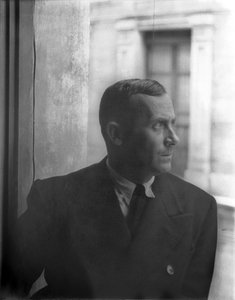
Joan Miró
1893 - 1983 , Hiszpania
Krótka nota
- Artistic Movement Or Style: Surrealizm
- Artists Who Influenced This Artist:
- Pablo Picasso
- Wasilij Kandinskij
- Date Of Birth: 20 kwietnia 1893
- Date Of Death: 25 grudnia 1983
- Full Name: Joan Miró i Ferrà
- Nationality: Hiszpanka
- Notable Artworks:
- Farm
- Dutch Interiors
- Painting
- Place Of Birth: Barcelona, Hiszpania

