 Podgląd w skali 1:1
 Wyślij jako kartkę
 Udostępnij
 Szczegóły dzieła
 Przewodnik

 Pobierz obraz
 Podobne obiekty
 RTG
RTG Pokaz slajdów
 Pytania i odpowiedzi
 Statystyki
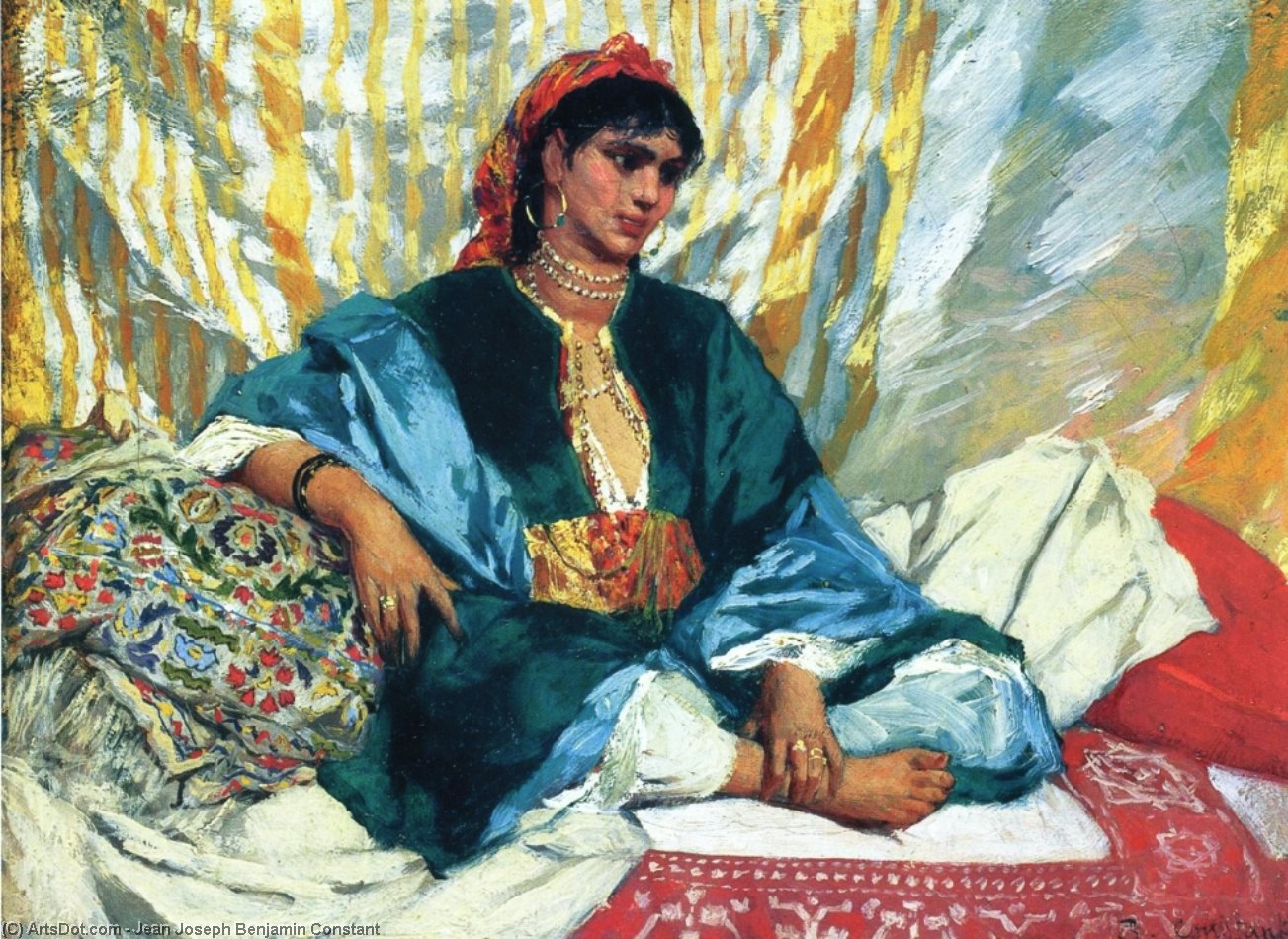
Odalisque


 Rozwiń treść
Otrzymaj plik gotowy do druku, którego jakość znacznie przewyższa podgląd internetowy. Każdy sprzedawany przez nas obraz cyfrowy pochodzi z wysokorozdzielczego pliku wzorcowego w naszej bazie — zazwyczaj o szerokości od 5 000 do 15 000 pikseli — dzięki czemu możesz drukować w dużym formacie, mocno kadrować lub z pełnym przekonaniem odwzorowywać najdrobniejsze detale.
Żaden plik nie opuszcza naszego studia bez odpowiedniej obróbki. Ekspert ds. cyfrowej edycji sprawdza zgodność kolorów z oryginałem i w razie potrzeby je koryguje, a następnie za pomocą profesjonalnych narzędzi do retuszu poprawia ostrość oraz szczegółowość — zawsze zachowując wierność pociągnięciom pędzla i stylowi artysty. Rezultatem jest obraz, który wygląda jak prawdziwe dzieło, a nie jak przefiltrowany skan.
Zatwierdzasz przed finalizacją zamówienia: nasz ekspert prześle obraz drogą mailową w ciągu 72 godzin do Twojego wglądu. Nie jesteś zadowolony? Poproś o poprawki lub korektę, bądź o zwrot kosztów, jeśli jakość nie spełnia oczekiwań.
To jakość, na której polegają wydawcy, studia projektowe, galerie oraz drukarnie.
Obraz cyfrowy
Pobierz plik o wysokiej rozdzielczości do osobistego użytku, druku oraz projektów kreatywnych. ( Przełącz na wydania drukowane Zamów ręcznie malowaną reprodukcję)
W każdym zamówieniu na obraz cyfrowy znajduje się
Profesjonalna dostawa cyfrowa z gwarancją
Wybierając OriginalUniqueArt.com, nie otrzymujesz jedynie obrazu – otrzymujesz profesjonalnie udoskonalone cyfrowe dzieło sztuki, stworzone z najwyższą precyzją i objęte gwarancją satysfakcji. Oto wszystko, co automatycznie dołączane jest do Twojego zamówienia:

Błyskawiczna wysyłka e-mailowa
Plik z obrazem cyfrowym w wysokiej rozdzielczości zostanie przesłany na Twój adres e-mail w ciągu 72 godzin od złożenia zamówienia – gotowy do natychmiastowego użycia.

Plik cyfrowy wzbogacony przez AI
Twoja grafika została profesjonalnie zoptymalizowana przy użyciu zaawansowanych narzędzi AI oraz ręcznej edycji, co zapewnia maksymalną szczegółowość, klarowność i wierność kolorów.

Darmowe ponowne przesyłki dożywotnio
Przypadkowo usunąłeś lub zgubiłeś swój plik? Bez obaw – prześlemy go Tobie ponownie w dowolnym momencie, bez żadnych opłat.

Bez opłat importowych – zawsze
Ciesz się swoją sztuką natychmiast, bez żadnych opłat celnych, należności ani kosztów dostawy – pliki cyfrowe są zawsze wolne od podatku.

Gwarancja wierności kolorów
Dzięki zastosowaniu profesjonalnych narzędzi i procesów zarządzania barwą zapewniamy, że Twoje cyfrowe zdjęcie odzwierciedla oryginalne kolory tak wiernie, jak to tylko możliwe.

Gwarancja satysfakcji przez 100 dni
Jeśli nie będziesz zadowolony ze swojego cyfrowego obrazu, dokonamy jego poprawki lub zwrócimy 100% kosztów w ciągu 100 dni – bez zbędnych pytań.

100% Gwarancja zwrotu pieniędzy
Nie jesteś zadowolony? Otrzymaj pełny zwrot kosztów w ciągu 100 dni od otrzymania pliku cyfrowego – bez zbędnych pytań.

Rabaty przy zamówieniach hurtowych
Kup 3 obrazy, oszczędź 10% - Kup 5, oszczędź 15% - Kup 10+, oszczędź 20%. Idealne do projektów kreatywnych, galerii i agencji.
A Vision of Exotic Grace: Jean-Joseph Benjamin Constant’s Odalisque
The painting “Odalisque” by Jean-Joseph Benjamin-Constant stands as a quintessential emblem of Orientalism—a movement that captivated European artists and intellectuals throughout the late 19th century. More than just a depiction of beauty, it embodies a complex interplay of artistic convention and Romantic fascination with the sensual allure of Ottoman culture. Created in 1880, this masterpiece resides within the Baltimore Museum of Art’s collection, offering visitors an opportunity to immerse themselves in Constant's masterful execution and profound artistic vision.- Artist’s Background: Jean-Joseph Benjamin-Constant (1845–1902) emerged from the École des Beaux-Arts in Toulouse, where he honed his skills under Alexandre Cabanel—a lineage steeped in classical tradition. However, Constant's artistic trajectory took an extraordinary turn during his voyage to Morocco in 1872, sparking a lifelong devotion to capturing the exotic splendor of the Orient.
- Style and Technique: Employing oil on canvas, Constant skillfully blended academic precision with Romantic sensibilities. His brushstrokes are deliberate yet fluid, conveying both textural detail and an ethereal quality that elevates the scene beyond mere representation. The artist’s meticulous attention to light and shadow creates a palpable atmosphere of intimacy and contemplation.
- Subject Matter: At its core, “Odalisque” portrays a woman reclining gracefully on a bed or couch—a motif prevalent in Orientalist art. This pose harkens back to depictions of Venus and Aphrodite in classical sculpture, symbolizing feminine beauty and idealized repose. The woman is adorned in a sumptuous blue dress accented by a vibrant red scarf, reflecting the opulent fabrics favored in Ottoman harems.
- Symbolism: Beyond its aesthetic appeal, “Odalisque” carries symbolic weight. The gold necklace encircling her neck represents wealth and status—a visual shorthand for the privileged lifestyle enjoyed by women within the harem. Furthermore, the subtle gaze of the woman suggests a quiet confidence and awareness, hinting at themes of desire and contemplation.
- Historical Context: Produced during a period of intense European interest in Ottoman culture, “Odalisque” reflects broader anxieties about sexuality and exoticism. It exemplifies the Romantic movement’s preoccupation with emotion and imagination—transforming historical observation into evocative artistic expression.
OriginalUniqueArt.’s Reproduction Expertise
Recognizing the enduring allure of Constant's “Odalisque,” OriginalUniqueArt.com specializes in crafting exceptional handmade oil paintings that faithfully reproduce this iconic artwork. Utilizing premium pigments and meticulous techniques—inherited from a tradition spanning centuries—our artisans meticulously recreate the painting’s luminous colors and intricate details, ensuring that collectors and enthusiasts alike experience its original splendor.Discover More About Jean-Joseph Benjamin Constant
To delve deeper into the life and artistic legacy of Jean-Joseph Benjamin-Constant, visit OriginalUniqueArt.com. Explore his broader oeuvre—spanning portraits, landscapes, and genre scenes—to appreciate the breadth of his creative vision. Furthermore, explore the Baltimore Museum of Art’s collection on OriginalUniqueArt.com to gain invaluable insight into “Odalisque” within its artistic context.A Timeless Masterpiece
“Odalisque” transcends mere visual representation; it embodies a profound exploration of beauty, desire, and the transformative power of art. Its captivating composition—combined with Constant’s masterful command of technique—continues to inspire admiration and provoke contemplation decades after its creation. Experience the artistry of Jean-Joseph Benjamin Constant through OriginalUniqueArt.’s exquisite reproductions—a testament to enduring artistic excellence.Pytania i odpowiedzi
Jaki jest format dzieła "Odalisque"?
„Odalisque” – Jean-Joseph Benjamin-Constant to kompozycja w formacie Landscape. Warto sprawdzić proporcje przed wyborem rozmiaru wydruku.
Jakie emocje przekazuje „Odalisque” – Jean-Joseph Benjamin-Constant?
Emocjonalny ton przypisany do „Odalisque” – Jean-Joseph Benjamin-Constant to Melancholic. Oddaje on emocje, jakie wyraża to dzieło.
Jak nasycone są kolory w „Odalisque” – Jean-Joseph Benjamin-Constant?
„Odalisque” – Jean-Joseph Benjamin-Constant charakteryzuje się Vivid intensywnością kolorów.
Biografia artysty
Jean-Joseph Benjamin-Constant: A Master of Orientalism and Academic Precision
Jean-Joseph Benjamin-Constant, a name synonymous with the captivating allure of the Orient and the rigorous discipline of academic art, stands as a pivotal figure in 19th-century French painting. Born in Paris in 1845, his artistic journey began within the hallowed halls of the École des Beaux-Arts in Toulouse, under the tutelage of Alexandre Cabanel – an experience that instilled within him a profound respect for classical techniques and a meticulous attention to detail. This foundational training shaped his early works, which initially reflected a dedication to historical painting, showcasing a talent for dramatic composition rooted in established artistic traditions. However, it was a transformative voyage to Morocco in 1872 that irrevocably altered the course of Benjamin-Constant’s artistic vision, igniting an enduring passion for the exotic and setting him on a path toward becoming one of the most celebrated Orientalist painters of his time. This journey wasn't merely a change of scenery; it was an immersive experience—a plunge into a world brimming with vibrant colors, unfamiliar customs, and a unique, captivating light – elements that would forever inform his artistic expression.The Allure of the Orient: Capturing Moroccan Life
Upon returning from Morocco, Benjamin-Constant’s artistic focus underwent a dramatic shift. He began to produce a series of paintings that transcended mere documentation; they were evocative interpretations of Moroccan life and culture. These weren't simply depictions of landscapes or individuals; they were attempts to capture the *feeling* of being immersed in this new world – the scent of spices hanging heavy in the air, the warmth of the North African sun on skin, the intricate patterns woven into textiles. Paintings such as “Last Rebels,” “Justice in the Harem,” and “Moroccan Prisoners” quickly garnered attention, not just for their technical brilliance but also for their ability to transport viewers to a distant land. He possessed an extraordinary gift for translating the sensory richness of Morocco onto canvas – a remarkable feat achieved through his masterful use of color, light, and composition. Beyond these intimate scenes of daily life, Benjamin-Constant also demonstrated his capacity for grand historical narratives, as evidenced by his monumental painting “The Entrance of Mahomet II into Constantinople,” a work that secured his place within the Parisian art world and solidified his reputation. His Orientalist works weren’t merely about portraying a different culture; they were explorations of universal themes – power, justice, and the human condition – set against a backdrop of breathtaking beauty and profound mystery.Influences and Artistic Development
Benjamin-Constant's artistic development was shaped by a confluence of influences. His early training under Alexandre Cabanel provided him with a solid foundation in academic techniques—a mastery of perspective, anatomy, and color theory. However, it was his exposure to the art of Eugène Delacroix, a Romantic painter known for his dramatic compositions and vibrant use of color, that profoundly impacted his artistic sensibilities. Benjamin-Constant’s work began to incorporate elements of Romanticism – heightened emotion, dynamic movement, and an emphasis on subjective experience—while retaining the precision and control characteristic of academic painting. He also drew inspiration from Rubens and Watteau, masters of classical composition and elegant rendering. These influences combined to create a unique artistic style that was both technically proficient and emotionally resonant. His early works demonstrate a clear debt to these predecessors, but he quickly developed his own distinctive voice—one characterized by a romantic sensibility tempered by academic rigor.A Versatile Hand: From Murals to Portraiture
Around 1880, Benjamin-Constant’s artistic trajectory underwent a significant shift. While his Orientalist paintings had established him as a rising star, he began to dedicate himself increasingly to mural decorations and portraiture, demonstrating an impressive versatility and adaptability. This transition wasn't a departure from his core artistic principles but rather an expansion of them—a testament to his intellectual curiosity and willingness to embrace new challenges. He brought the same meticulous attention to detail and dramatic flair that characterized his earlier work to these new endeavors. His large-scale paintings, such as “Paris Convening the World,” exhibited at the Musée de la Ville, showcased his skill in depicting complex scenes with numerous figures, creating dynamic compositions that drew viewers into a world of bustling activity and civic pride. This ability to handle grand scale and intricate detail led to commissions from some of the most prominent figures of the era—including Pope Leo XIII, Queen Alexandra of the United Kingdom, and Lord John Lumley-Savile – further cementing his reputation as a skilled portraitist capable of capturing not just physical likeness but also the essence of his subjects’ personalities.Recognition and Legacy: A Lasting Impression
Throughout his career, Benjamin-Constant received numerous accolades for his artistic achievements. He was awarded a medal of honor at the Salon in 1896 for “Mons Fils André,” a testament to his enduring skill and innovation. His election to the Institute in 1893 and subsequent appointment as a Commander of the Legion of Honor further underscored his standing within the French art establishment. Today, his work is represented in prestigious collections worldwide—including the Metropolitan Museum of Art, the Musée des Augustins in Toulouse, and the U.S. National Gallery of Art in Washington D.C.—ensuring that his artistic vision continues to inspire and captivate audiences for generations to come. Benjamin-Constant’s legacy lies not only in his technical mastery but also in his ability to synthesize academic training with a romantic sensibility. He created compelling works that captured both the grandeur of historical narratives and the alluring mystique of distant lands, establishing himself as an important figure in 19th-century French art. He remains celebrated for his evocative depictions of Orientalist themes and his remarkable versatility as an artist.
Jean-Joseph Benjamin-Constant
1845 - 1902 , Francja
Krótka nota
- Artistic Movement Or Style: Orientalizm, Akademicka sztuka
- Artists Or Movements Influenced By This Artist:
- Rubens
- Watteau
- Artists Who Influenced This Artist:
- Delacroix
- Cabanel
- Date Of Birth: 10 czerwca 1845
- Date Of Death: 26 maja 1902
- Full Name: Jean-Joseph Benjamin-Constant
- Nationality: Francuz
- Notable Artworks:
- Ostatni rebeli
- Sprawiedliwość w haremie
- Marokański więzień
- Place Of Birth: Paryż, Francja