

 Zobacz w skali 1:1
 Wyślij
 Udostępnij
 Szczegóły
 Przewodnik

 Pobierz plik obrazu
 Podobne obiekty
 RTG
RTG Pokaz slajdów
 Statystyki
Wodospad
 Rococo
 1775
1775 29.0 x 24.0 cm
 Metropolitan Museum of Art
 Czytaj więcej
Ręcznie malowana reprodukcja olejowa
Ręcznie malowany obraz olejny na płótnie, wykonany na zamówienie przez naszych artystów w wybranym przez Ciebie wymiarze i oprawie. ( Przełącz na wersję drukowaną Przełącz na wersję cyfrową)




P118B zł10

P118H zł10

P118W zł10

P438Z zł10

P508JH zł12

P508YH zł12

P805H zł10

P805Z zł10

P919BZ zł10

P919G zł10

P919XJ zł10

P959ZH zł10

P968JZ zł12

W106C zł8

W218G zł10

W218JH zł8

W218Y zł10

W307PJ zł10

W316G zł10

W316PJ zł8

W316Y zł10

W398PJ zł8

W4111J zł10

W500HY zł15

W500JH zł15

W692G zł12

W849H zł8

W940BG zł15

W953PJ zł8




Wybierz spośród naszych standardowych rozmiarów, które zachowują oryginalne proporcje dzieła sztuki.

Możesz wprowadzić własne wymiary, aby dopasować obraz do konkretnej ramy lub przestrzeni. Jeśli wybrany rozmiar nie będzie odpowiadał proporcjom oryginału, przytniecie dzieło sztuki lub rozszerzymy je o dodatkowe elementy, ręcznie domalowane przez artystę. Przed rozpoczęciem produkcji wyślemy projekt cyfrowy do Twojej akceptacji.
Należy pamiętać, że podgląd na ekranie nie odzwierciedla rzeczywistego przycinania ani rozszerzania obrazu. Tylko projekt dokładnie pokaże ostateczną kompozycję.
Choć oferujemy możliwość zamówienia niestandardowych rozmiarów, zalecamy wybór wymiaru z gotowej listy, aby zachować oryginalne proporcje dzieła.
Po złożeniu zamówienia zespół OriginalUniqueArt.com skontaktuje się z klientem drogą mailową w celu uzyskania instrukcji i prześle wizualizację projektu
Dostawa na całym świecie () w ciągu 3–4 tygodni zamiast standardowych 5 tygodni. (2 Październik). Bez kompromisów w kwestii jakości.

Bezpłatna ekspresowa wysyłka na cały świat

Wysokiej jakości płótno lniane

Pełne ubezpieczenie transportowe

Gwarancja zwrotu należności celnych i podatków importowych

Gwarancja idealnego odwzorowania barw

100-dniowy okres na zwrot dzieła w przypadku wykrycia wad produkcyjnych

Gwarancja 100% zwrotu pieniędzy

Oferta przy zakupie wielu sztuk
 Opcja ze szkłem jest dostępna wyłącznie w rozmiarach poniżej 110 cm

Wodospad
Technika wykonania
Rozmiar reprodukcji
-


Suma do zapłaty
zł 1215
Witajcie w Świecie Rozkoszy i Tajemnic: “The Cascade” Jean-Honoré’a Fragonarda
„The Cascade” to więcej niż tylko malowidło ruin starożytnego sanktuarium; to podróż w głąb umysłu, manifestacja romantycznego zmysłu i hołd dla epoki rozkoszy. Ten obraz, wraz ze swoim bliźniaczym dziełem, stanowi fascynujący przykład artystycznej wizji Jean-Honoré’a Fragonarda, mistrza francuskiego rokokizmu, który w 1775 roku stworzył ten niezwykle sugestywny pejzaż.
Fragonard, ukształtowany przez wpływ Françoisa Bouchera i inspirowany Antoine Watteau, nie ograniczał się do wiernego odwzorowania rzeczywistości. Zamiast tego, w „The Cascade” zdołał uchwycić esencję romantycznego ogrodu – miejsce, gdzie natura splata się z architekturą, a czas zdaje się płynąć w dół wodospadu. Obraz ten, powstały na zamówienie dla kolekcjonera sztuki, to nie tylko wizja krajobrazu, ale i odzwierciedlenie podróży artysty po Włoszech i Europie – jego fascynacji antykiem, włoską architekturą i wpływem Tiepolo. Zauważmy, że obraz został wykonany na drewnie, co pozwala Fragonardowi na niezwykłą precyzję i intensywność kolorów, a także na oddanie bogactwa faktur.
Kolor i Światło: Technika Malarska Mistrza
Zwróć uwagę na sposób, w jaki Fragonard operuje światłem i cieniem. Mroczny, wilgotny krajobraz jest oświetlony przez tajemnicze źródło, które podkreśla monumentalność kolumn i tworzy głębię. Wodospad, płynący z dachu ruin, nie tylko dodaje dynamiki obrazowi, ale także symbolizuje przepływ czasu – elementu kluczowego dla rokokowej estetyki. Fragonard, znany ze swojej umiejętności oddawania subtelnych odcieni i bogatych faktur, wykorzystuje tutaj techniki olejne na drewnie w sposób niezwykle efektywny. Zauważmy również, że obraz charakteryzuje się wyraźnymi pociągnięciami pędzla, które dodają mu żywotności i ruchu.
- Kolory: Dominują głębokie zielenie, brązy i szarości, tworzące atmosferę tajemnicy i melancholii.
- Światło: Kontrast między ciemnością ruin a jasnością wodospadu jest niezwykle sugestywny.
- Tekstura: Drewno, na którym został namalowany obraz, dodaje mu faktury i podkreśla jego wiek.
Symbolika i Interpretacja
„The Cascade” to nie tylko malowidło krajobrazu; to również głębsza metafora. Ruiny sanktuarium symbolizują przemijanie, kruchość ludzkich ambicji i upływ czasu. Wodospad może być interpretowany jako symbol przepływu czasu, a także emocji – jak strumień wody, który nieustannie płynie w dół. Obraz ten zaprasza do refleksji nad naturą piękna, przemijania i relacji między człowiekiem a światem przyrody.
Dodatkowo, warto zauważyć, że obraz ten jest częścią pary – jego bliźniaczego dzieła, „A Shaded Avenue”. Oba obrazy, prawdopodobnie od początku tworzone jako całość, wzajemnie się uzupełniają i tworzą spójną wizję. Ich obecność w zbiorach Metropolitan Museum of Art świadczy o ich wyjątkowej wartości artystycznej.
Współczesne Odkrycia i Inspiracje
Badania nad „The Cascade” ujawniły, że obraz ten jest wynikiem wyobraźni Fragonarda, który łączył w sobie wrażenia z podróży po Włoszech i Europie. Zauważono również wpływ dzieł Watteau’a, a także antycznych rzeźb i architektonicznych detali, które Fragonard widział podczas swoich podróży. Obraz ten jest więc nie tylko wyrazem indywidualnego talentu artysty, ale także świadectwem epoki, w której żył i tworzył.
Biografia artysty
A Life Bathed in Light: The World of Jean-Honoré Fragonard
Born amidst the fragrant fields of Grasse, France, in 1732, Jean-Honoré Fragonard’s artistic journey began not with grand ambition but a quiet relocation to Paris with his family. It was there, under the initial guidance of Jean Siméon Chardin – a master of everyday life and subtle observation – that young Fragonard first encountered the possibilities of paint and canvas. However, it was within the atelier of François Boucher, the celebrated painter to the court of Louis XV, that his true stylistic foundations were laid. Boucher’s influence instilled in Fragonard a love for graceful forms, delicate colors, and the playful spirit that would come to define his oeuvre. Winning the prestigious Prix de Rome in 1752 marked a pivotal moment, affording him the opportunity to immerse himself in the classical world of Italy for several years. This period wasn’t merely about copying ancient masters; it was an awakening – a chance to absorb the vibrancy and sensuality that would later infuse his own unique vision.The Rococo Master: A Celebration of Pleasure and Intrigue
Upon returning to Paris, Fragonard swiftly established himself as a leading figure in the burgeoning Rococo movement. This wasn’t simply about adopting a style; it was about embodying an entire worldview – one that celebrated pleasure, intimacy, and the fleeting beauty of life. His paintings weren't intended for grand public display but rather for the private salons of aristocrats seeking works that whispered secrets and hinted at hidden desires. The Swing, perhaps his most iconic creation, perfectly encapsulates this spirit. A young woman playfully kicks off her shoe as a bishop pushes her swing, while a hidden lover gazes up from below – it’s a scene brimming with mischievous energy and veiled eroticism. Other works like The Bolt and Love Vow continue this exploration of clandestine encounters and the delicate dance between attraction and restraint. Fragonard didn't merely depict scenes of love; he created an atmosphere, a mood – one that was both alluring and slightly dangerous. His brushwork became increasingly fluid and spontaneous, capturing not just appearances but also the very essence of fleeting moments.Beyond the Salon: Experimentation and Evolving Styles
While Fragonard achieved considerable success within the established art world, he wasn’t one to remain confined by its conventions. He experimented with different genres and techniques throughout his career, demonstrating a remarkable versatility. His early attempts at history painting, though initially praised, didn't fully satisfy him; he found greater freedom in exploring more intimate and personal subjects. A brief flirtation with Neoclassicism – evident in portraits like that of Denis Diderot – showcased his willingness to engage with contemporary artistic trends, but it was the Rococo sensibility that ultimately defined his legacy. He also excelled as a draftsman, producing countless sketches and drawings that reveal his masterful command of line and form. These weren’t merely preparatory studies; they were often works of art in their own right, capturing fleeting impressions and intimate moments with remarkable sensitivity.Influences and Artistic Development
Fragonard's artistic development was shaped by a confluence of influences. The meticulous observation of Jean Siméon Chardin instilled in him an appreciation for detail and the subtleties of everyday life. However, it was François Boucher’s emphasis on elegance, color, and theatricality that truly ignited his creative spirit. His time in Italy exposed him to the grandeur of classical antiquity, but more importantly, he absorbed the vibrant colors and sensual themes of Italian masters like Tiepolo. Returning to France, he continued to study under Boucher, refining his technique and developing his distinctive style. The Prix de Rome provided him with invaluable experience and access to a wider artistic community, while his subsequent years in Paris allowed him to hone his skills and establish himself as a leading figure in the Rococo movement.A Legacy Enduring Through Time
The French Revolution brought a dramatic shift in artistic tastes, and Fragonard’s lighthearted, aristocratic style fell out of favor. He retreated to his hometown of Grasse for a time, returning to Paris only after the political turmoil subsided. Though he held administrative positions at the Louvre during this period, his creative output diminished. However, his influence continued to resonate through subsequent generations of artists. His emphasis on color, light, and sensuality paved the way for Impressionism, while his playful spirit and rejection of academic constraints inspired a more liberated approach to artmaking. Today, Fragonard’s works are celebrated in museums around the world – from the Louvre in Paris to the National Gallery of Art in Washington D.C. His paintings continue to captivate audiences with their beauty, wit, and enduring appeal, reminding us of a time when life was meant to be savored, and pleasure was considered an art form itself.Notable Works & Collections
- The Swing (L'Escarpolette): Wallace Collection, London – A quintessential example of Rococo exuberance.
- The Bolt: View on OriginalUniqueArt - A captivating scene of domestic intrigue and playful tension.
- Love Vow: Discover more about Fragonard’s works on OriginalUniqueArt – A tender depiction of romantic commitment.
- Young Girl Reading: Featured in artworks databases, showcasing his mastery of portraiture and light.
- Works are also prominently displayed at the Musée du Louvre, Grasse Cathedral, The Metropolitan Museum of Art, and The Frick Collection.

Jean-Honoré Fragonard
1732 - 1806 , Francja
Najważniejsze informacje
- Artistic Movement Or Style: Rokoko
- Artists Or Movements Influenced By This Artist: ['Późniejsze ruchy artystyczne']
- Artists Who Influenced This Artist:
- Chardin
- Boucher
- Date Of Birth: 5 kwietnia 1732
- Date Of Death: 22 sierpnia 1806
- Full Name: Jean-Honoré Fragonard
- Nationality: Francuz
- Notable Artworks:
- Huśtawka
- Bolt
- Obietnica
- Place Of Birth: Grasse, Francja
Zobacz także powiązane artykuły

Rokokowy przepych: Bunt i rozkosz w sztuce XVIII wieku
Poznaj fascynujący świat rokoka – stylu pełnego wdzięku i przepychu! Odkryj historię, charakterystykę oraz wpływ tego nurtu na sztukę XVIII wieku. Ekspercka analiza i inspiracje dla miłośników historii sztuki.

Top 10 arcydzieł epoki rokoka: artyści, historia i dekoracje wnętrz | OriginalUniqueArt.com
Odkryj 10 arcydzieł epoki rokoka! Poznaj Watteau, Boucher’a i Fragonarda – artystów, którzy zdefiniowali ten styl. Inspiracje wnętrzarskie, pastelowe kolory i reprodukcje obrazów najwyższej jakości na OriginalUniqueArt.com. Eksploruj kolekcję online!

Illuminating the Enlightenment: A Comprehensive Exploration of 18th-Century Painting
Explore the captivating world of 18th-century painting! Discover Rococo's playful elegance & Neoclassicism’s Enlightenment ideals with expert insights into Fragonard, David, and more. A comprehensive guide for art enthusiasts.
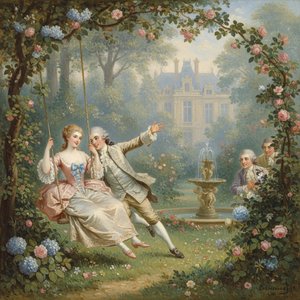
The Rococo Reverie of Fragonard: Love, Leisure & Pleasure in 18th-Century France
Explore the captivating world of Jean-Honoré Fragonard! Discover his Rococo masterpieces, intimate portraits & the allure of 18th-century French art. Learn about 'The Progress of Love' and more at OriginalUniqueArt.
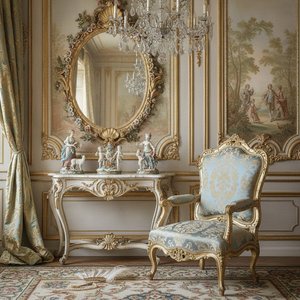
The Elegance of Rococo: A Curated Guide to France's Most Ornate Art Movement
Discover the exquisite allure of Rococo art. Explore a curated guide to 18th-century French masterpieces, from Watteau to Fragonard, and learn how hand-painted oil reproductions can bring timeless elegance and luxury to your sophisticated interior design collection.


