S
Ręcznie malowana reprodukcja olejowa
Ręcznie malowany obraz olejny na płótnie, wykonany na zamówienie przez naszych artystów w wybranym przez Ciebie wymiarze i oprawie. ( Zamów wydruk
Kup obraz wysokiej rozdzielczości)
P118B $10
P118H $10
P118W $10
P438Z $10
P508JH $12
P508YH $12
P805H $10
P805Z $10
P919BZ $10
P919G $10
P919XJ $10
P959ZH $10
P968JZ $12
W106C $8
W218G $10
W218JH $8
W218Y $10
W307PJ $10
W316G $10
W316PJ $8
W316Y $10
W398PJ $8
W4111J $10
W500HY $15
W500JH $15
W692G $12
W849H $8
W940BG $15
W953PJ $8
Wybierz spośród naszych standardowych rozmiarów, które zachowują oryginalne proporcje dzieła sztuki.
Możesz wprowadzić własne wymiary, aby dopasować obraz do konkretnej ramy lub przestrzeni. Jeśli wybrany rozmiar nie będzie odpowiadał proporcjom oryginału, przytniecie dzieło sztuki lub rozszerzymy je o dodatkowe elementy, ręcznie domalowane przez artystę. Przed rozpoczęciem produkcji wyślemy projekt cyfrowy do Twojej akceptacji.
Należy pamiętać, że podgląd na ekranie nie odzwierciedla rzeczywistego przycinania ani rozszerzania obrazu. Tylko projekt dokładnie pokaże ostateczną kompozycję.
Choć oferujemy możliwość zamówienia niestandardowych rozmiarów, zalecamy wybór wymiaru z gotowej listy, aby zachować oryginalne proporcje dzieła.
Po złożeniu zamówienia zespół OriginalUniqueArt.com skontaktuje się z klientem drogą mailową w celu uzyskania instrukcji i prześle wizualizację projektu
Dostawa na całym świecie () w ciągu 3–4 tygodni zamiast standardowych 5 tygodni. (17 Sierpień). Bez kompromisów w kwestii jakości.
Bezpłatna ekspresowa wysyłka na cały świat
Wysokiej jakości płótno lniane
Pełne ubezpieczenie przesyłki
Gwarancja zwrotu należności celnych i podatków importowych
Gwarancja wiernego odwzorowania kolorów
Polityka 60-dniowego zwrotu (tylko w przypadku wad)
Gwarancja 100% zwrotu kosztów
Zniżka przy zamówieniu wielu produktów
S
Technika reprodukcji
Wymiary reprodukcji
-
Cena całkowita
$ 300
Opis dzieła
A Dance of Light and Desire: Jean-Honoré Fragonard’s *The Swing*
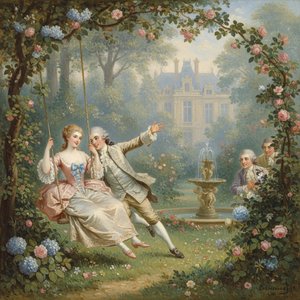
Jean-Honoré Fragonard's The Swing, painted around 1769, isn’t merely a depiction of a leisurely afternoon; it’s an exquisite distillation of the Rococo era’s intoxicating blend of pleasure, secrecy, and aristocratic indulgence. More than just a beautiful painting, it’s a carefully constructed narrative brimming with subtle symbolism and a palpable sense of youthful abandon. The scene unfolds within a lush, overgrown garden – a space deliberately chosen to evoke both natural beauty and the hidden corners of private life. The composition is masterfully balanced, drawing the eye through a series of interconnected gestures and glances, creating an immediate feeling of intimacy and intrigue.
Fragonard’s signature style shines brilliantly here. He employs a loose, painterly technique, prioritizing atmosphere and emotion over precise detail. Notice how he uses dappled light to create a sense of shimmering warmth, bathing the figures in a golden glow. The brushstrokes are quick and confident, conveying a feeling of spontaneity and delight. The color palette is rich and vibrant – deep greens, rosy pinks, and creamy yellows—reflecting the opulence associated with the French court. This isn’t a formal portrait; it's an intimate snapshot capturing a fleeting moment of flirtation and youthful exuberance.
The Secret Language of Gesture
At first glance, the painting appears to depict a simple scene: a young woman is being swung by her lover on a swing suspended from a tree branch. However, closer observation reveals a complex web of unspoken desires and veiled intentions. The central figure, elegantly draped in a flowing gown, leans back with an expression of blissful surrender, while her husband, oblivious to the clandestine affair, reads a book at a nearby table. The young man, clearly the woman’s lover, is positioned strategically to capture her attention, his hand playfully reaching towards her dress.
Fragonard brilliantly utilizes gesture and body language to convey this hidden drama. The woman's relaxed posture and upward gaze suggest both pleasure and a degree of complicity. The young man’s playful touch hints at the forbidden nature of their encounter. Even the dog, playfully leaping into the scene, seems to be caught up in the game of seduction. These subtle cues invite the viewer to become an active participant in deciphering the painting's narrative.
Rococo Sensuality and Aristocratic Life
The Swing is a quintessential example of Rococo art—a style that flourished during the reign of Louis XV, characterized by its emphasis on elegance, grace, and sensual pleasure. Rococo paintings often depicted scenes from aristocratic life, portraying themes of love, leisure, and social gatherings. However, unlike the more formal portraits of the Baroque period, Rococo works were typically informal and intimate, reflecting a shift in values towards greater freedom and enjoyment.
The painting’s setting—a lavish garden filled with fountains, statues, and exotic plants—further reinforces its connection to aristocratic life. These gardens were not merely decorative spaces; they were carefully designed retreats where the wealthy could indulge in their passions and escape the constraints of courtly etiquette. Fragonard expertly captures this atmosphere of luxurious indulgence, creating a world of beauty, pleasure, and hidden secrets.
A Timeless Masterpiece
The Swing remains one of Fragonard’s most celebrated works, admired for its exquisite beauty, masterful technique, and captivating narrative. It's a painting that continues to resonate with viewers today, evoking a sense of nostalgia for a bygone era of elegance and indulgence. Its enduring appeal lies in its ability to capture the fleeting moments of human connection—the unspoken desires, the playful flirtations, and the hidden dramas that shape our lives. Reproductions of this iconic work offer a chance to bring this exquisite scene into your own home, adding a touch of Rococo charm and timeless allure.
O artyście
A Life Bathed in Light: The World of Jean-Honoré Fragonard
Born amidst the fragrant fields of Grasse, France, in 1732, Jean-Honoré Fragonard’s artistic journey began not with grand ambition but a quiet relocation to Paris with his family. It was there, under the initial guidance of Jean Siméon Chardin – a master of everyday life and subtle observation – that young Fragonard first encountered the possibilities of paint and canvas. However, it was within the atelier of François Boucher, the celebrated painter to the court of Louis XV, that his true stylistic foundations were laid. Boucher’s influence instilled in Fragonard a love for graceful forms, delicate colors, and the playful spirit that would come to define his oeuvre. Winning the prestigious Prix de Rome in 1752 marked a pivotal moment, affording him the opportunity to immerse himself in the classical world of Italy for several years. This period wasn’t merely about copying ancient masters; it was an awakening – a chance to absorb the vibrancy and sensuality that would later infuse his own unique vision.The Rococo Master: A Celebration of Pleasure and Intrigue
Upon returning to Paris, Fragonard swiftly established himself as a leading figure in the burgeoning Rococo movement. This wasn’t simply about adopting a style; it was about embodying an entire worldview – one that celebrated pleasure, intimacy, and the fleeting beauty of life. His paintings weren't intended for grand public display but rather for the private salons of aristocrats seeking works that whispered secrets and hinted at hidden desires. The Swing, perhaps his most iconic creation, perfectly encapsulates this spirit. A young woman playfully kicks off her shoe as a bishop pushes her swing, while a hidden lover gazes up from below – it’s a scene brimming with mischievous energy and veiled eroticism. Other works like The Bolt and Love Vow continue this exploration of clandestine encounters and the delicate dance between attraction and restraint. Fragonard didn't merely depict scenes of love; he created an atmosphere, a mood – one that was both alluring and slightly dangerous. His brushwork became increasingly fluid and spontaneous, capturing not just appearances but also the very essence of fleeting moments.Beyond the Salon: Experimentation and Evolving Styles
While Fragonard achieved considerable success within the established art world, he wasn’t one to remain confined by its conventions. He experimented with different genres and techniques throughout his career, demonstrating a remarkable versatility. His early attempts at history painting, though initially praised, didn't fully satisfy him; he found greater freedom in exploring more intimate and personal subjects. A brief flirtation with Neoclassicism – evident in portraits like that of Denis Diderot – showcased his willingness to engage with contemporary artistic trends, but it was the Rococo sensibility that ultimately defined his legacy. He also excelled as a draftsman, producing countless sketches and drawings that reveal his masterful command of line and form. These weren’t merely preparatory studies; they were often works of art in their own right, capturing fleeting impressions and intimate moments with remarkable sensitivity.Influences and Artistic Development
Fragonard's artistic development was shaped by a confluence of influences. The meticulous observation of Jean Siméon Chardin instilled in him an appreciation for detail and the subtleties of everyday life. However, it was François Boucher’s emphasis on elegance, color, and theatricality that truly ignited his creative spirit. His time in Italy exposed him to the grandeur of classical antiquity, but more importantly, he absorbed the vibrant colors and sensual themes of Italian masters like Tiepolo. Returning to France, he continued to study under Boucher, refining his technique and developing his distinctive style. The Prix de Rome provided him with invaluable experience and access to a wider artistic community, while his subsequent years in Paris allowed him to hone his skills and establish himself as a leading figure in the Rococo movement.A Legacy Enduring Through Time
The French Revolution brought a dramatic shift in artistic tastes, and Fragonard’s lighthearted, aristocratic style fell out of favor. He retreated to his hometown of Grasse for a time, returning to Paris only after the political turmoil subsided. Though he held administrative positions at the Louvre during this period, his creative output diminished. However, his influence continued to resonate through subsequent generations of artists. His emphasis on color, light, and sensuality paved the way for Impressionism, while his playful spirit and rejection of academic constraints inspired a more liberated approach to artmaking. Today, Fragonard’s works are celebrated in museums around the world – from the Louvre in Paris to the National Gallery of Art in Washington D.C. His paintings continue to captivate audiences with their beauty, wit, and enduring appeal, reminding us of a time when life was meant to be savored, and pleasure was considered an art form itself.Notable Works & Collections
- The Swing (L'Escarpolette): Wallace Collection, London – A quintessential example of Rococo exuberance.
- The Bolt: View on OriginalUniqueArt - A captivating scene of domestic intrigue and playful tension.
- Love Vow: Discover more about Fragonard’s works on OriginalUniqueArt – A tender depiction of romantic commitment.
- Young Girl Reading: Featured in artworks databases, showcasing his mastery of portraiture and light.
- Works are also prominently displayed at the Musée du Louvre, Grasse Cathedral, The Metropolitan Museum of Art, and The Frick Collection.
Jean-Honoré Fragonard
1732 - 1806 , Francja
Krótka nota
- Artistic Movement Or Style: Rokoko
- Artists Or Movements Influenced By This Artist: ['Późniejsze ruchy artystyczne']
- Artists Who Influenced This Artist:
- Chardin
- Boucher
- Date Of Birth: 5 kwietnia 1732
- Date Of Death: 22 sierpnia 1806
- Full Name: Jean-Honoré Fragonard
- Nationality: Francuz
- Notable Artworks:
- Huśtawka
- Bolt
- Obietnica
- Place Of Birth: Grasse, Francja


Opcja ze szkłem jest dostępna wyłącznie w rozmiarach poniżej 110 cm