() ·

A painting made for you, by hand

Blind-Mans Buff

Ręcznie malowana reprodukcja olejowa

Ręcznie malowany obraz olejny na płótnie, wykonany na zamówienie przez naszych artystów w wybranym przez Ciebie wymiarze i oprawie. ( Przełącz na wydania drukowane Przejdź do wersji cyfrowej)

Opis obiektu

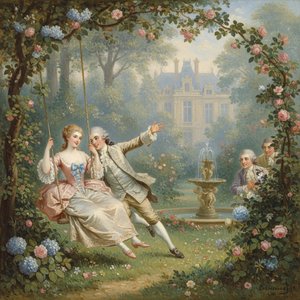
Explore Jean-Honoré Fragonard’s ‘Blind Man’s Buff,’ a playful depiction of youthful romance and flirtation set within an idyllic Provençal garden, capturing the fleeting beauty of love.

Biografia artysty

Jean-Honoré Fragonard (1732–1806) – francuski malarz romantyczny, twórca ikonicznych obrazów takich jak „Zawarcie Miłości” i „Eskarpolette”, które uchwyciły elegancję i sensualność XVIII wieku. Sztuka Rocoko! Znajdziesz jego dzieła w muzeach Europy!

from ·

Chapter 1

How large should it be?

Slide to change the size; the picture on the left shows the frame at its real width. The proportions of the original are kept.

Standardowy format
personalizowane
CM
INCH

Wybierz spośród naszych standardowych rozmiarów, które zachowują oryginalne proporcje dzieła sztuki.

szerokość
wysokość

Wpisz wymaganą szerokość i wysokość, aby obraz pasował do Twojej ramy lub ściany. Ponieważ jest to dzieło malowane ręcznie, w przypadku rozmiaru o innych proporcjach artysta może domalować nieco więcej wokół obrazu lub przyciąć jego fragmenty — wybór należy do Ciebie. Przed rozpoczęciem pracy prześlemy Ci cyfrową wizualizację do zatwierdzenia. Obraz widoczny na tej stronie nie przedstawia rzeczywistego efektu — jedynie wizualizacja oddaje realny rezultat.

Chapter 2

How should it arrive?

Choose the edges of the stretched canvas

Choose your frame

Corner sample of the WhiteWrap canvas edge finish, stretched on lite drewno bars
White zł1
Corner sample of the BlurSideWrap canvas edge finish, stretched on lite drewno bars
Blurside zł1
Corner sample of the ExtendedWrap canvas edge finish, stretched on lite drewno bars
Extended zł1
Corner sample of the P118B picture frame: polistyren formowany, 5 cm wide and 3 cm thick
P118B zł10
Corner sample of the P118H picture frame: polistyren formowany, 5 cm wide and 3 cm thick
P118H zł10
Corner sample of the P118W picture frame: polistyren formowany, 5 cm wide and 3 cm thick
P118W zł10
Corner sample of the P438Z picture frame: polistyren formowany, 5.5 cm wide and 3.5 cm thick
P438Z zł10
Corner sample of the P508JH picture frame: polistyren formowany, 7 cm wide and 3.5 cm thick
P508JH zł12
Corner sample of the P508YH picture frame: polistyren formowany, 7 cm wide and 3.5 cm thick
P508YH zł12
Corner sample of the P805H picture frame: polistyren formowany, 5 cm wide and 3.5 cm thick
P805H zł10
Corner sample of the P805Z picture frame: polistyren formowany, 5 cm wide and 3.5 cm thick
P805Z zł10
Corner sample of the P919BZ picture frame: polistyren formowany, 7 cm wide and 3.5 cm thick
P919BZ zł10
Corner sample of the P919G picture frame: polistyren formowany, 7 cm wide and 3.5 cm thick
P919G zł10
Corner sample of the P919XJ picture frame: polistyren formowany, 7 cm wide and 3.5 cm thick
P919XJ zł10
Corner sample of the P959ZH picture frame: polistyren formowany, 5 cm wide and 3 cm thick
P959ZH zł10
Corner sample of the P968JZ picture frame: polistyren formowany, 6 cm wide and 4 cm thick
P968JZ zł12
Corner sample of the W106C picture frame: lite drewno, 5 cm wide and 3 cm thick
W106C zł8
Corner sample of the W218G picture frame: lite drewno, 5 cm wide and 3 cm thick
W218G zł10
Corner sample of the W218JH picture frame: lite drewno, 5 cm wide and 3 cm thick
W218JH zł8
Corner sample of the W218Y picture frame: lite drewno, 5 cm wide and 3 cm thick
W218Y zł10
Corner sample of the W307PJ picture frame: lite drewno, 6 cm wide and 3 cm thick
W307PJ zł10
Corner sample of the W316G picture frame: lite drewno, 6 cm wide and 3 cm thick
W316G zł10
Corner sample of the W316PJ picture frame: lite drewno, 6 cm wide and 3 cm thick
W316PJ zł8
Corner sample of the W316Y picture frame: lite drewno, 6 cm wide and 3 cm thick
W316Y zł10
Corner sample of the W398PJ picture frame: lite drewno, 5 cm wide and 3 cm thick
W398PJ zł8
Corner sample of the W4111J picture frame: lite drewno, 6.5 cm wide and 3.5 cm thick
W4111J zł10
Corner sample of the W500HY picture frame: lite drewno, 7 cm wide and 5 cm thick
W500HY zł15
Corner sample of the W500JH picture frame: lite drewno, 7 cm wide and 5 cm thick
W500JH zł15
Corner sample of the W692G picture frame: lite drewno, 8 cm wide and 4 cm thick
W692G zł12
Corner sample of the W849H picture frame: lite drewno, 5 cm wide and 3 cm thick
W849H zł8
Corner sample of the W940BG picture frame: lite drewno, 7.5 cm wide and 4.5 cm thick
W940BG zł15
Corner sample of the W953PJ picture frame: lite drewno, 6 cm wide and 3.5 cm thick
W953PJ zł8
Corner sample of the H24-GOLD picture frame: rzeźbione drewno pokryte gipsem, 10 cm wide and 6 cm thick
H24-GOLD zł30
Corner sample of the H24-SILVER picture frame: rzeźbione drewno pokryte gipsem, 10 cm wide and 6 cm thick
H24-SILVER zł30
Corner sample of the H36-GOLD picture frame: rzeźbione drewno pokryte gipsem, 15 cm wide and 6.5 cm thick
H36-GOLD zł45
Corner sample of the H36-SILVER picture frame: rzeźbione drewno pokryte gipsem, 15 cm wide and 6.5 cm thick
H36-SILVER zł45

Moulding: . Overall size with the frame: .

Chapter 3

Who paints it, and should anything change?

Examples of what can be changed: Replace face with customer photo; Add pet (e.g., replace cat with dog); Include hidden message in background; Change background landscape or elements.
After order, OriginalUniqueArt.com team will email client for instructions and provide a mockup preview

Dostawa na całym świecie () w ciągu 3–4 tygodni zamiast standardowych 5 tygodni. (1 Listopad). Bez kompromisów w kwestii jakości.

Chapter 4

The finishing touches

A nameplate, as in a museum?

Szczegóły grawerowanej brązowej tabliczki

This elegant plaque features the artist's name and the title of the artwork, finely engraved for a timeless presentation.

It is made from bronze with a refined, elegant finish. The text is precisely laser-engraved for a sharp and permanent result. Measuring 9x2 cm, the plaque is compact yet easy to read. It's built to be durable and scratch-resistant, offering a professional, museum-quality look. Mounting is simple thanks to the included adhesive backing.

Szczegóły przezroczystej tabliczki akrylowej

The plaque includes essential engraved details such as the artist's name, the title of the artwork, the date it was created, the type of media used-like oil on canvas or watercolor-a brief description of the piece, and a QR code that links to the complete artwork information.

It is crafted from clear acrylic, offering a sleek, modern appearance. The text is UV-engraved in black to ensure strong visual contrast. With a size of 10x15 cm, it ensures optimal readability. It comes equipped with two metal hooks for secure wall mounting. The plaque is designed to be weather-resistant, making it suitable for various environments, and it includes interactive features that work seamlessly with smartphone scanning.

Szczegóły czarnej tabliczki akrylowej

This elegant plaque includes engraved information such as the artist's name, the title of the artwork, the date it was created, the type of media used (like oil on canvas or watercolor), a short description of the artwork, and a QR code for quick access to more information.

The plaque itself is made from refined black acrylic with a premium finish. The text is laser-engraved in white for high contrast and readability. Its size is 10x15 cm, designed to be easy to read. It comes with two metal hooks for professional mounting. The design is sleek and fits any interior style. It is also weather-resistant and durable, with built-in digital integration for mobile compatibility.

A protective varnish?

When do you need it?

Chapter 5

Your painting, as you ordered it

Blind-Mans Buff

Technika reprodukcji

Wymiary reprodukcji

-

Wybitny mistrz artystyczny

Większa szczegółowość, finezja i dodatkowy czas na realizację

-

Opcje oprawy reprodukcji

-

-

W przypadku dzieł sztuki lub reprodukcji, których którykolwiek z boków przekracza 105 cm (około 41 cali), rama zostanie wysłana w formie zestawu do samodzielnego montażu. Metoda ta zapewnia bezpieczną dostawę i zapobiega uszkodzeniom podczas transportu.

Wymagany profesjonalny montaż – nie jest to produkt typu DIY.
Zestaw musi zostać złożony, a płótno naciągnięte przez doświadczonego profesjonalnego ramiarza, przy użyciu kleju do drewna (brak w zestawie), kleszczy do naciągania płótna oraz ścisków, które utrzymają krosna w równej pozycji podczas schnięcia kleju. Nieprawidłowy montaż lub nierównomierne napięcie płótna może trwale uszkodzić dzieło sztuki i nie podlega naszej gwarancji.

  • W zestawie znajdują się wszystkie listwy z litego drewna, precyzyjnie docięte do wymiarów.

  • Montaż odbywa się przy użyciu dołączonych wkrętów oraz kleju do drewna do łączenia narożników, którego zestaw nie zawiera i który musi zostać dostarczony przez ramiarza.

  • Wymagane są profesjonalne narzędzia, których nie ma w zestawie: kleszcze do naciągania płótna (napinacz) oraz zaciski, które pozwolą utrzymać listwy w równej pozycji podczas schnięcia kleju.

Ważne:
Do połączenia narożników niezbędny jest klej do drewna, listwy należy unieruchomić za pomocą ścisków do momentu całkowitego wyschnięcia kleju, a naciągnięcie płótna na złożoną ramę wymaga użycia kleszczy do naciągania płótna. Żaden z tych elementów nie jest dołączony do zestawu. Przed zamówieniem tego rozmiaru zalecamy konsultację z doświadczonym ramiarzem.

Etykieta obiektu

-

-

Lakier ochronny

Lakier z połyskiem (pogłębia kolory, chroni przed światłem i wilgocią)

-

Personalizacja dzieła

Przykłady możliwości personalizacji: zastąp twarz zdjęciem klienta; dodaj zwierzę domowe (np. zamień kota na psa); umieść ukrytą wiadomość w tle; zmień krajobraz lub elementy tła.

-

Ekspresowa

Dostawa na cały świat () w ciągu 3–4 tygodni zamiast standardowych 5 tygodni. (1 Listopad). Bez kompromisów w kwestii jakości.

-

Przesyłka ekspresowa

Dostawa na cały świat () w ciągu 5 tygodni. (8 Listopad).

W cenie

Cena całkowita

zł 1167

Suma całkowita zł 1167

Opcja ze szkłem jest dostępna wyłącznie w rozmiarach poniżej 110 cm

Included with every order

  • Bezpłatna ekspresowa wysyłka na cały świat
  • Wysokiej jakości płótno lniane
  • Pełne ubezpieczenie przesyłki
  • Gwarancja zwrotu należności celnych i podatków importowych
  • Gwarancja wiernego odwzorowania kolorów
  • 100-dniowa polityka zwrotów (tylko w przypadku wad)
  • Gwarancja 100% zwrotu pieniędzy
  • Zniżka przy zakupie wielu sztuk

A Dance of Delight: Exploring Jean-Honoré Fragonard’s “Blind Man’s Buff”

The painting "Blind Man's Buff," completed in 1752 by Jean-Honoré Fragonard, transcends mere depiction; it embodies the very essence of Rococo artistry – a celebration of sensual pleasure and fleeting romance. More than just a charming pastoral scene, this artwork speaks volumes about the social conventions and artistic sensibilities of eighteenth-century France, offering a captivating glimpse into the courtship rituals of its aristocratic patrons.
  • Subject Matter: At its core lies an intimate tableau capturing a playful moment between lovers in a sunlit garden. A woman playfully engages with her infant child while another man observes, creating a dynamic interplay of gestures and glances that underscores the central theme – the deceptive allure of appearances.
  • Style & Technique: Fragonard’s signature style is characterized by its airy lightness and exquisite delicacy. Employing pastel hues—primarily pinks, greens, and yellows—he achieves a luminous effect that captures the vibrancy of springtime blossoms. The brushstrokes are loose and fluid, prioritizing expressive movement over meticulous detail, reflecting the Rococo penchant for illusionistic textures and shimmering surfaces.

Historical Context: Courtly Love and Artistic Patronage

“Blind Man’s Buff” emerged during a period defined by opulent aristocratic life and an obsession with idealized beauty. The game itself served as a metaphor for courtship, where deception and flirtation were considered acceptable strategies to win affection. Fragonard's painting directly addresses this cultural preoccupation, mirroring the tastes of Louis XV’s court who favored scenes depicting pastoral idylls brimming with romantic symbolism. Boucher’s influence is palpable in the composition’s graceful forms and harmonious color palette—a testament to the artistic standards upheld during that era.
  • Symbolism: The artwork is replete with symbolic gestures designed to heighten its emotional impact. The playful tickling of the woman's cheek by a straw symbolizes flirtation and distraction, while Cupid’s infant brushing her hand represents divine intervention guiding affections. Even the woman’s attire—elaborate gowns adorned with opulent bows—represents the extravagance and sophistication valued within aristocratic circles.
  • Emotional Impact: Fragonard masterfully captures the ephemeral nature of youthful passion. The subtle gaze exchanged between lovers hints at unspoken desires and vulnerabilities, inviting viewers to contemplate the complexities of human relationships. Ultimately, “Blind Man’s Buff” evokes a feeling of carefree joy mingled with wistful longing—a timeless portrayal of love's captivating power.

A Reproduction Worth Admiring

A high-quality reproduction of "Blind Man’s Buff" offers an exceptional opportunity to bring this masterpiece into your home. OriginalUniqueArt.com’s meticulous printing process ensures that the painting's luminous colors and delicate brushstrokes are faithfully reproduced, allowing you to appreciate Fragonard’s artistic vision with stunning clarity. Consider framing it in a neutral tone to complement its ethereal beauty—a beautiful addition to any interior space.

Pytania i odpowiedzi

Czy „Blind-Mans Buff” – Jean-Honoré Fragonard znajduje się w domenie publicznej?

Status praw autorskich dla „Blind-Mans Buff” – Jean-Honoré Fragonard: dzieło znajduje się w należy do domeny publicznej – autorskie prawa majątkowe wygasły. Określa to, czy reprodukcje obrazu mogą być sporządzane swobodnie.

Jakie emocje przekazuje „Blind-Mans Buff” – Jean-Honoré Fragonard?

Emocjonalny ton przypisany do „Blind-Mans Buff” – Jean-Honoré Fragonard to Romantic. Oddaje on emocje, jakie wyraża to dzieło.

Jaki rozmiar i orientacja są zalecane dla wydruku dzieła „Blind-Mans Buff” – Jean-Honoré Fragonard?

Zalecany rozmiar wydruku dzieła „Blind-Mans Buff” – Jean-Honoré Fragonard to Large w orientacji Portrait.

More about this painting

Podgląd w skali 1:1 Podgląd AR Przełącz na wydania drukowane Przejdź do wersji cyfrowej Wyślij jako kartkę
Szczegóły dzieła Przewodnik Dodaj do ulubionych Pobierz obraz Podobne obiekty RTG Pokaz slajdów Q&A Statystyki

In numbers

  • 1752the year it was painted
  • 29frames to choose from
  • standard sizes, in its own proportions
  • 5weeks to paint and deliver it
Jean-Honoré Fragonard

Jean-Honoré Fragonard

1732 - 1806, Francja

Quick facts about Jean-Honoré Fragonard

  • Artistic Movement Or Style: Rokoko
  • Artists Or Movements Influenced By This Artist: ['Późniejsze ruchy artystyczne']
  • Artists Who Influenced This Artist:
    • Chardin
    • Boucher
  • Date Of Birth: 5 kwietnia 1732
  • Date Of Death: 22 sierpnia 1806
  • Full Name: Jean-Honoré Fragonard
  • Nationality: Francuz
  • Notable Artworks:
    • Huśtawka
    • Bolt
    • Obietnica
  • Place Of Birth: Grasse, Francja

Biografia artysty

A Life Bathed in Light: The World of Jean-Honoré Fragonard

Born amidst the fragrant fields of Grasse, France, in 1732, Jean-Honoré Fragonard’s artistic journey began not with grand ambition but a quiet relocation to Paris with his family. It was there, under the initial guidance of Jean Siméon Chardin – a master of everyday life and subtle observation – that young Fragonard first encountered the possibilities of paint and canvas. However, it was within the atelier of François Boucher, the celebrated painter to the court of Louis XV, that his true stylistic foundations were laid. Boucher’s influence instilled in Fragonard a love for graceful forms, delicate colors, and the playful spirit that would come to define his oeuvre. Winning the prestigious Prix de Rome in 1752 marked a pivotal moment, affording him the opportunity to immerse himself in the classical world of Italy for several years. This period wasn’t merely about copying ancient masters; it was an awakening – a chance to absorb the vibrancy and sensuality that would later infuse his own unique vision.

The Rococo Master: A Celebration of Pleasure and Intrigue

Upon returning to Paris, Fragonard swiftly established himself as a leading figure in the burgeoning Rococo movement. This wasn’t simply about adopting a style; it was about embodying an entire worldview – one that celebrated pleasure, intimacy, and the fleeting beauty of life. His paintings weren't intended for grand public display but rather for the private salons of aristocrats seeking works that whispered secrets and hinted at hidden desires. The Swing, perhaps his most iconic creation, perfectly encapsulates this spirit. A young woman playfully kicks off her shoe as a bishop pushes her swing, while a hidden lover gazes up from below – it’s a scene brimming with mischievous energy and veiled eroticism. Other works like The Bolt and Love Vow continue this exploration of clandestine encounters and the delicate dance between attraction and restraint. Fragonard didn't merely depict scenes of love; he created an atmosphere, a mood – one that was both alluring and slightly dangerous. His brushwork became increasingly fluid and spontaneous, capturing not just appearances but also the very essence of fleeting moments.

Beyond the Salon: Experimentation and Evolving Styles

While Fragonard achieved considerable success within the established art world, he wasn’t one to remain confined by its conventions. He experimented with different genres and techniques throughout his career, demonstrating a remarkable versatility. His early attempts at history painting, though initially praised, didn't fully satisfy him; he found greater freedom in exploring more intimate and personal subjects. A brief flirtation with Neoclassicism – evident in portraits like that of Denis Diderot – showcased his willingness to engage with contemporary artistic trends, but it was the Rococo sensibility that ultimately defined his legacy. He also excelled as a draftsman, producing countless sketches and drawings that reveal his masterful command of line and form. These weren’t merely preparatory studies; they were often works of art in their own right, capturing fleeting impressions and intimate moments with remarkable sensitivity.

Influences and Artistic Development

Fragonard's artistic development was shaped by a confluence of influences. The meticulous observation of Jean Siméon Chardin instilled in him an appreciation for detail and the subtleties of everyday life. However, it was François Boucher’s emphasis on elegance, color, and theatricality that truly ignited his creative spirit. His time in Italy exposed him to the grandeur of classical antiquity, but more importantly, he absorbed the vibrant colors and sensual themes of Italian masters like Tiepolo. Returning to France, he continued to study under Boucher, refining his technique and developing his distinctive style. The Prix de Rome provided him with invaluable experience and access to a wider artistic community, while his subsequent years in Paris allowed him to hone his skills and establish himself as a leading figure in the Rococo movement.

A Legacy Enduring Through Time

The French Revolution brought a dramatic shift in artistic tastes, and Fragonard’s lighthearted, aristocratic style fell out of favor. He retreated to his hometown of Grasse for a time, returning to Paris only after the political turmoil subsided. Though he held administrative positions at the Louvre during this period, his creative output diminished. However, his influence continued to resonate through subsequent generations of artists. His emphasis on color, light, and sensuality paved the way for Impressionism, while his playful spirit and rejection of academic constraints inspired a more liberated approach to artmaking. Today, Fragonard’s works are celebrated in museums around the world – from the Louvre in Paris to the National Gallery of Art in Washington D.C. His paintings continue to captivate audiences with their beauty, wit, and enduring appeal, reminding us of a time when life was meant to be savored, and pleasure was considered an art form itself.

Notable Works & Collections

  • The Swing (L'Escarpolette): Wallace Collection, London – A quintessential example of Rococo exuberance.
  • The Bolt: View on OriginalUniqueArt - A captivating scene of domestic intrigue and playful tension.
  • Love Vow: Discover more about Fragonard’s works on OriginalUniqueArt – A tender depiction of romantic commitment.
  • Young Girl Reading: Featured in artworks databases, showcasing his mastery of portraiture and light.
  • Works are also prominently displayed at the Musée du Louvre, Grasse Cathedral, The Metropolitan Museum of Art, and The Frick Collection.

Najważniejsze informacje

  • Influences: François Boucher
  • Notable elements or techniques: Playful eroticism; Spring flowers
  • Artistic style: Graceful forms; Delicate colors
  • Year: 1752
  • Artist: Jean-Honoré Fragonard
  • Location: Toledo Museum of Art

Quiz o sztuce

Do każdego pytania dotyczy tylko jedna poprawna odpowiedź.

Pytanie 1:
What is the primary theme explored in Jean-Honoré Fragonard’s painting ‘Blind Man’s Buff’?
Pytanie 2:
Where was Jean-Honoré Fragonard initially trained as an artist?
Pytanie 3:
What stylistic influence is evident in Fragonard’s work due to his time studying at the Prix de Rome?
Pytanie 4:
The painting utilizes pastel techniques known for their luminosity and delicacy. What is a characteristic feature of pastel paintings?
Pytanie 5:
The scene is set in a garden, reflecting the popular artistic genre of pastoralism during the 18th century. What does pastoral art generally represent?