
 Podgląd w skali 1:1
 Wyślij jako kartkę
 Udostępnij
 Szczegóły dzieła
 Przewodnik

 Pobierz obraz
 Podobne obiekty
 RTG
RTG Pokaz slajdów
 Pytania i odpowiedzi
 Statystyki
Summer Scene (Bathers)

 Rozwiń treść
Giclée / Wydruk artystyczny
Wydruki giclée lub płótna o jakości muzealnej, szybka realizacja i szeroki wybór opcji wykończenia. ( Zamów ręcznie malowaną reprodukcję Przejdź do wersji cyfrowej)




P118B zł10

P118H zł10

P118W zł10

P438Z zł10

P508JH zł12

P508YH zł12

P805H zł10

P805Z zł10

P919BZ zł10

P919G zł10

P919XJ zł10

P959ZH zł10

P968JZ zł12

W106C zł8

W218G zł10

W218JH zł8

W218Y zł10

W307PJ zł10

W316G zł10

W316PJ zł8

W316Y zł10

W398PJ zł8

W4111J zł10

W500HY zł15

W500JH zł15

W692G zł12

W849H zł8

W940BG zł15

W953PJ zł8




Wybierz spośród naszych standardowych rozmiarów, które zachowują oryginalne proporcje dzieła sztuki.

Wpisz wymaganą szerokość i wysokość, aby dopasować grafikę do ramy lub ściany. Wydruk można jedynie przyciąć, nigdy nie powiększając go poza oryginalny obraz, dlatego format o innych proporcjach spowoduje utratę części kompozycji. Przed rozpoczęciem druku prześlemy Ci cyfrowy podgląd do zatwierdzenia. Obraz wyświetlany na tej stronie nie pokazuje rzeczywistego przycięcia — jedynie podgląd oddaje ten efekt.
Dostawa na cały świat () w ciągu 2 tygodni zamiast standardowych 4/5 tygodni. (5 Listopad)

Bezpłatna ekspresowa wysyłka na cały świat

Wysokiej jakości płótno lniane

Pełne ubezpieczenie przesyłki

Gwarancja zwrotu należności celnych i podatków importowych

Gwarancja wiernego odwzorowania kolorów

100-dniowa polityka zwrotów (tylko w przypadku wad)

Gwarancja 100% zwrotu pieniędzy

Zniżka przy zakupie wielu sztuk
 Opcja ze szkłem jest dostępna wyłącznie w rozmiarach poniżej 110 cm

Summer Scene (Bathers)
Giclée / Wydruk artystyczny
Wymiary reprodukcji
-


Cena całkowita
zł 315
A Moment of Provençal Bliss: Jean Frédéric Bazille’s "Summer Scene (Bathers)"
Jean Frédéric Bazille's “Summer Scene (Bathers)” captures a quintessential moment of leisure and joy, transporting the viewer to the sun-drenched landscapes of Provence. Painted in 1873, just months before his untimely death at the age of thirty-two, this work represents a pivotal point in Bazille’s artistic development and exemplifies the burgeoning Impressionist style that would soon revolutionize the art world. The scene unfolds with remarkable realism – yet imbued with an ethereal quality characteristic of the movement – depicting a group of individuals enjoying a carefree afternoon by the water's edge. It is a painting brimming with light, color, and a palpable sense of serenity.
Subject Matter and Composition
- The central focus is undeniably the group of bathers, both men and women, engaged in various activities – swimming, sunbathing, and simply relaxing.
- Bazille masterfully employs a pyramidal composition, drawing the eye upwards from the figures at the bottom to the shaded umbrella providing respite above.
- The inclusion of details like the scattered chairs and the carefully placed umbrella adds to the sense of domestic tranquility and reinforces the theme of an idyllic summer day.
Impressionist Technique and Color Palette
Bazille’s technique is a hallmark of Impressionism, prioritizing the immediate sensation of light and color over meticulous detail. He utilizes broken brushstrokes – short, choppy strokes of pure pigment – to capture the shimmering reflections on the water and the dappled sunlight filtering through the trees. The palette is dominated by vibrant greens, blues, and yellows, creating a luminous effect that evokes the warmth of the Provençal sun. Note the subtle gradations in color, particularly in the rendering of the figures’ skin tones, which contribute to the painting's overall sense of realism.
Historical Context and Artistic Influences
"Summer Scene (Bathers)" was created during a period of immense artistic experimentation. Bazille was deeply influenced by the works of Gustave Courbet, whose commitment to depicting everyday life with honesty and naturalism paved the way for Impressionist innovation. However, unlike Courbet’s often stark realism, Bazille infused his paintings with a delicate lyricism and an emphasis on capturing fleeting moments of beauty. The painting reflects the broader artistic trends of the time – a move away from academic conventions towards a more subjective and expressive approach to art.
Symbolism and Emotional Impact
Beyond its technical brilliance, “Summer Scene (Bathers)” resonates with profound emotional depth. The scene evokes a sense of nostalgia for simpler times, a longing for connection with nature, and the joy of shared experiences. The figures’ relaxed postures and expressions suggest a state of blissful contentment. Bazille's ability to capture this intangible quality – the feeling of warmth, light, and tranquility – is what elevates this painting beyond mere representation and transforms it into a timeless meditation on the beauty of life.
Pytania i odpowiedzi
Jaki nastrój oddaje „Summer Scene (Bathers)” – Jean Frédéric Bazille w ramach nurtu Impressionist Movement?
"Summer Scene (Bathers)" emanuje Romantic emocjonalnym ładunkiem, wpisując się w nurt Impressionist Movement.
Jakie zastosowanie i przestrzeń są zalecane dla „Summer Scene (Bathers)” – Jean Frédéric Bazille?
„Summer Scene (Bathers)” idealnie sprawdzi się w Statement, a rekomendowanym miejscem jego ekspozycji jest Living Room.
Jaki poziom kontrastu prezentuje „Summer Scene (Bathers)” – Jean Frédéric Bazille?
Kontrast jasności w dziele "Summer Scene (Bathers)" wynosi Bold. Kontrast określa stopień zróżnicowania między obszarami jasnymi a ciemnymi.
Biografia artysty
The Brief Radiance of Jean Frédéric Bazille
Jean Frédéric Bazille’s story is one of immense promise tragically cut short, a fleeting yet significant contribution to the burgeoning Impressionist movement. Born in Montpellier, France, on December 6, 1841, into a prosperous Protestant family involved in wine production, Bazille initially seemed destined for a life far removed from the world of art. His parents, while supportive, insisted he pursue medical studies alongside his artistic inclinations – a compromise reflecting the societal expectations of the time and their desire for his financial security. This duality would shape his early years, dividing his attention between anatomical dissection and the captivating allure of color and light. However, it was within the vibrant atmosphere of Paris, where he relocated in 1862 to continue his medical training, that Bazille’s artistic path truly began to unfold.Forging a Path Amongst Giants
Paris proved to be a crucible for young Bazille. He quickly fell in with a circle of artists who would become synonymous with Impressionism: Claude Monet, Pierre-Auguste Renoir, and Alfred Sisley. Studying under Charles Gleyre provided him with formal training, but it was the shared passion and radical ideas exchanged amongst these friends that truly ignited his artistic vision. Bazille’s financial stability – a fortunate contrast to the often precarious existence of his companions – allowed him to generously support them, offering studio space and materials. This generosity wasn't merely practical; it stemmed from a deep camaraderie and belief in their collective potential. He became a vital hub for this emerging group, fostering an environment of experimentation and mutual encouragement. His early works, like *The Pink Dress* (c. 1864), already demonstrate a keen eye for capturing fleeting moments and the effects of light – hallmarks that would define Impressionism. He wasn’t simply mimicking established styles; he was actively participating in the creation of something entirely new. The influence of Eugène Delacroix, with his dramatic use of color and dynamic compositions, is subtly present in Bazille's early work, yet he moved beyond academic conventions to embrace a more modern sensibility.A Style Defined by Light and Friendship
Bazille’s artistic style, though developing rapidly, possessed a unique character within the broader Impressionist aesthetic. While sharing their fascination with *plein air* painting – working outdoors to directly capture the nuances of natural light – his compositions often exhibited a more structured quality than Monet’s or Renoir’s. He frequently combined figure painting with landscape, placing his subjects thoughtfully within their environment, as seen in masterpieces like *Family Reunion* (1867-1868). This work is not merely a depiction of familial gathering; it's an exploration of light filtering through the trees, animating the scene and imbuing it with a sense of warmth and intimacy. His paintings weren’t just about *what* he saw, but *how* he saw it – the emotional resonance evoked by color, form, and light. He was deeply influenced by Eugène Delacroix, whose vibrant use of color resonated with his own artistic sensibilities, yet he moved beyond academic conventions to embrace a more modern sensibility. Bazille’s palette tended towards darker tones than many of his Impressionist contemporaries, reflecting his preference for capturing the subtleties of natural light and shadow.A Life Interrupted: Legacy and Remembrance
The blossoming career of Jean Frédéric Bazille was brutally interrupted by the Franco-Prussian War in 1870. Driven by a sense of patriotic duty, he joined a Zouave regiment just months after the conflict erupted. Tragically, he was killed in action on November 28, 1870, at the young age of 28, near Beaune-la-Rolande. His death sent shockwaves through the artistic community, robbing them of a talented friend and generous benefactor. His premature demise meant his work remained relatively unknown for many years. However, in recent decades, Bazille’s contributions have been increasingly recognized and celebrated. Today, his paintings are held in prestigious museums like the Musée d'Orsay in Paris, and reproductions allow art lovers worldwide to experience the beauty and innovation of his vision. Bazille’s legacy extends beyond his artistic output; he embodies the spirit of youthful idealism, unwavering dedication, and the power of friendship that defined the early days of Impressionism. He remains a poignant reminder of the potential lost, yet also a testament to the enduring impact of a brief but brilliant career.Key Works and Influences
Bazille’s oeuvre, though limited in quantity, is remarkably diverse. *The Pink Dress* (1864), a vibrant depiction of a young woman in a pink gown, showcases his early mastery of capturing fleeting moments and the effects of light. *Family Reunion* (1867-1868) exemplifies his ability to integrate figures into landscapes, creating scenes brimming with atmosphere and emotion. *Aigues-Mortes* (c. 1870), a landscape study, demonstrates his interest in capturing the subtle nuances of color and light in the Provençal countryside. His work was influenced by several sources: the Realist painters like Gustave Courbet, who emphasized direct observation and social commentary; Eugène Delacroix, whose dramatic use of color and dynamic compositions inspired Bazille’s approach to painting; and, of course, the pioneering Impressionists like Monet and Renoir, with whom he shared a close artistic friendship. Despite his relatively short career, Bazille left an indelible mark on the development of Impressionism, paving the way for future generations of artists to explore the possibilities of capturing fleeting moments and subjective experiences through color and light.
Jean Frédéric Bazille
1841 - 1870 , Francja
Krótka nota
- Artistic Movement Or Style: Impresjonizm
- Artists Or Movements Influenced By This Artist: ['Impresjonizm']
- Artists Who Influenced This Artist: ['Delacroix']
- Date Of Birth: 6 grudzień 1841
- Date Of Death: 28 listopad 1870
- Full Name: Jean Frédéric Bazille
- Nationality: Francuz
- Notable Artworks:
- Suknia różowa
- Rodzina
- Warsztat
- Place Of Birth: Montpellier, Francja
Powiązane artykuły
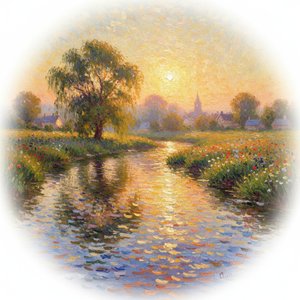
Capturing Light: A Masterclass in the Ethereal Beauty of Impressionistic Landscapes
Explore the ethereal beauty of Impressionist landscapes. Discover how masters like Monet captured fleeting light through color and texture, and learn to curate these timeless, luminous masterpieces for your home collection.

10 Arcydzieł Impresjonizmu Krajobrazowego, Które Zdefiniowały Sztukę
Odkryj 10 arcydzieł impresjonizmu krajobrazowego! Poznaj historie Moneta, Renoir'a i Van Gogha. Inspiracje wnętrzarskie, techniki malarskie i piękne reprodukcje obrazów na OriginalUniqueArt.com. Eksploruj kolekcję online!

10 Arcydzieł Impresjonizmu Krajobrazowego: Sztuka, Artyści i Dekoracje Wnetrz
Odkryj 10 arcydzieł impresjonizmu krajobrazowego! Poznaj historie Monet, Renoir i innych mistrzów. Inspiracje wnętrzarskie, techniki malarskie i reprodukcje obrazów najwyższej jakości na OriginalUniqueArt.com. Eksploruj pełną kolekcję online!

Romantyczny Krajobraz w Malarstwie: 10 Arcydzieł, Które Zdefiniowały Epokę | OriginalUniqueArt.com
Odkryj 10 arcydzieł romantyzmu w malarstwie! Poznaj historie Caspara Davida Friedricha, Turnera i innych mistrzów. Inspiracje wnętrzarskie & reprodukcje obrazów najwyższej jakości na OriginalUniqueArt.com. Eksploruj kolekcję online!

Evocations of Place: A Historical Journey Through Landscape Art
Explore the rich history of landscape art with OriginalUniqueArt. Discover renowned artists, movements like Impressionism & Romanticism, and expert guidance for collecting timeless pieces. Find your perfect serene escape today!

