

 Podgląd w skali
 Wyślij jako kartkę
 Udostępnij
 Szczegóły dzieła

 Pobierz
 Podobne obiekty
 RTG
RTG Pokaz slajdów
Bąbelki (Scena Lato)


 Rozwiń treść
Ręcznie malowana reprodukcja olejowa
Ręcznie malowany obraz olejny na płótnie, wykonany na zamówienie przez naszych artystów w wybranym przez Ciebie wymiarze i oprawie. ( Zamów wydruk Kup obraz wysokiej rozdzielczości)




P118B $10

P118H $10

P118W $10

P438Z $10

P508JH $12

P508YH $12

P805H $10

P805Z $10

P919BZ $10

P919G $10

P919XJ $10

P959ZH $10

P968JZ $12

W106C $8

W218G $10

W218JH $8

W218Y $10

W307PJ $10

W316G $10

W316PJ $8

W316Y $10

W398PJ $8

W4111J $10

W500HY $15

W500JH $15

W692G $12

W849H $8

W940BG $15

W953PJ $8




Wybierz spośród naszych standardowych rozmiarów, które zachowują oryginalne proporcje dzieła sztuki.

Możesz wprowadzić własne wymiary, aby dopasować obraz do konkretnej ramy lub przestrzeni. Jeśli wybrany rozmiar nie będzie odpowiadał proporcjom oryginału, przytniecie dzieło sztuki lub rozszerzymy je o dodatkowe elementy, ręcznie domalowane przez artystę. Przed rozpoczęciem produkcji wyślemy projekt cyfrowy do Twojej akceptacji.
Należy pamiętać, że podgląd na ekranie nie odzwierciedla rzeczywistego przycinania ani rozszerzania obrazu. Tylko projekt dokładnie pokaże ostateczną kompozycję.
Choć oferujemy możliwość zamówienia niestandardowych rozmiarów, zalecamy wybór wymiaru z gotowej listy, aby zachować oryginalne proporcje dzieła.
Po złożeniu zamówienia zespół OriginalUniqueArt.com skontaktuje się z klientem drogą mailową w celu uzyskania instrukcji i prześle wizualizację projektu
Dostawa na całym świecie () w ciągu 3–4 tygodni zamiast standardowych 5 tygodni. (22 Sierpień). Bez kompromisów w kwestii jakości.

Bezpłatna ekspresowa wysyłka na cały świat

Wysokiej jakości płótno lniane

Pełne ubezpieczenie przesyłki

Gwarancja zwrotu należności celnych i podatków importowych

Gwarancja wiernego odwzorowania kolorów

Polityka 60-dniowego zwrotu (tylko w przypadku wad)

Gwarancja 100% zwrotu kosztów

Zniżka przy zamówieniu wielu produktów
 Opcja ze szkłem jest dostępna wyłącznie w rozmiarach poniżej 110 cm

Bąbelki (Scena Lato)
Technika reprodukcji
Wymiary reprodukcji
-


Cena całkowita
$ 400
Opis dzieła
Jean Frédéric Bazille’s “Bathers (Summer Scene)” – A Celebration of Youthful Vitality
Jean Frédéric Bazille’s “Bathers (Summer Scene),” completed in 1869, stands as a cornerstone of Impressionist art and embodies the movement's fascination with capturing fleeting moments of beauty. Painted outdoors in Aix-en-Provence, France—Bazille’s hometown and a haven for artistic inspiration—this canvas depicts six nude male figures lounging amidst a lush woodland pool, bathed in dappled sunlight. More than just a picturesque landscape, it represents Bazille’s ambitious exploration of form and color within the stylistic framework of Impressionism, foreshadowing the bolder explorations that would characterize the subsequent Post-Impressionist era.Impressionistic Techniques & Artistic Innovation
Bazille skillfully employs Impressionistic techniques to convey the ephemeral qualities of light and atmosphere—a hallmark of this revolutionary artistic approach. Instead of meticulously rendering details with precise lines and shading, he utilizes loose, broken brushstrokes that dance across the canvas surface. These strokes aren’t intended to create illusionistic depth but rather to suggest movement and shimmer, mirroring the play of sunlight filtering through the foliage and reflecting on the water's tranquil surface. The artist’s palette is dominated by verdant greens—ranging from deep emerald to paler shades—contrasted with cool blues that evoke the serenity of the pool. Warm ochres punctuate these hues, capturing the radiant glow of the sunbeams. This deliberate fragmentation of color and texture reflects Bazille's commitment to portraying sensory experience rather than idealized representation.Challenging Conventions & Historical Significance
“Bathers (Summer Scene)”’s boldness stemmed from its defiance of academic painting traditions prevalent during Bazille’s time. Academic art typically favored mythological or historical subjects for nude depictions, prioritizing grandeur and moral instruction over naturalistic observation. Bazille's decision to portray male nudes in a contemporary setting—a scene of everyday leisure—was remarkably progressive and sparked considerable debate within the artistic community. It signaled a decisive shift away from established norms and demonstrated Impressionist artists’ desire to engage with modern life, prioritizing subjective perception and emotional resonance over formal correctness.Symbolism & Emotional Resonance
The painting exudes an atmosphere of carefree camaraderie and uninhibited joy—a palpable reflection of Bazille's own artistic spirit. The absence of narrative invites viewers to contemplate the scene independently, projecting their own interpretations onto it and fostering a profound connection with the depicted figures. The subtle interplay of light and shadow contributes to this emotional impact, highlighting the musculature of the men while simultaneously conveying the warmth and tranquility of the summer day. Ultimately, “Bathers (Summer Scene)” celebrates the beauty of human form in harmony with nature—a timeless testament to Impressionism’s enduring legacy.- Artist: Jean Frédéric Bazille
- Birth Year: 1841
- Death Year: 1870
- Birth City: Montpellier
- Birth Country: France
Discover Jean Frédéric Bazille’s captivating landscapes and portraits – explore high-quality reproductions of “Bathers (Summer Scene)” at OriginalUniqueArt.com
O artyście
The Brief Radiance of Jean Frédéric Bazille
Jean Frédéric Bazille’s story is one of immense promise tragically cut short, a fleeting yet significant contribution to the burgeoning Impressionist movement. Born in Montpellier, France, on December 6, 1841, into a prosperous Protestant family involved in wine production, Bazille initially seemed destined for a life far removed from the world of art. His parents, while supportive, insisted he pursue medical studies alongside his artistic inclinations – a compromise reflecting the societal expectations of the time and their desire for his financial security. This duality would shape his early years, dividing his attention between anatomical dissection and the captivating allure of color and light. However, it was within the vibrant atmosphere of Paris, where he relocated in 1862 to continue his medical training, that Bazille’s artistic path truly began to unfold.Forging a Path Amongst Giants
Paris proved to be a crucible for young Bazille. He quickly fell in with a circle of artists who would become synonymous with Impressionism: Claude Monet, Pierre-Auguste Renoir, and Alfred Sisley. Studying under Charles Gleyre provided him with formal training, but it was the shared passion and radical ideas exchanged amongst these friends that truly ignited his artistic vision. Bazille’s financial stability – a fortunate contrast to the often precarious existence of his companions – allowed him to generously support them, offering studio space and materials. This generosity wasn't merely practical; it stemmed from a deep camaraderie and belief in their collective potential. He became a vital hub for this emerging group, fostering an environment of experimentation and mutual encouragement. His early works, like *The Pink Dress* (c. 1864), already demonstrate a keen eye for capturing fleeting moments and the effects of light – hallmarks that would define Impressionism. He wasn’t simply mimicking established styles; he was actively participating in the creation of something entirely new. The influence of Eugène Delacroix, with his dramatic use of color and dynamic compositions, is subtly present in Bazille's early work, yet he moved beyond academic conventions to embrace a more modern sensibility.A Style Defined by Light and Friendship
Bazille’s artistic style, though developing rapidly, possessed a unique character within the broader Impressionist aesthetic. While sharing their fascination with *plein air* painting – working outdoors to directly capture the nuances of natural light – his compositions often exhibited a more structured quality than Monet’s or Renoir’s. He frequently combined figure painting with landscape, placing his subjects thoughtfully within their environment, as seen in masterpieces like *Family Reunion* (1867-1868). This work is not merely a depiction of familial gathering; it's an exploration of light filtering through the trees, animating the scene and imbuing it with a sense of warmth and intimacy. His paintings weren’t just about *what* he saw, but *how* he saw it – the emotional resonance evoked by color, form, and light. He was deeply influenced by Eugène Delacroix, whose vibrant use of color resonated with his own artistic sensibilities, yet he moved beyond academic conventions to embrace a more modern sensibility. Bazille’s palette tended towards darker tones than many of his Impressionist contemporaries, reflecting his preference for capturing the subtleties of natural light and shadow.A Life Interrupted: Legacy and Remembrance
The blossoming career of Jean Frédéric Bazille was brutally interrupted by the Franco-Prussian War in 1870. Driven by a sense of patriotic duty, he joined a Zouave regiment just months after the conflict erupted. Tragically, he was killed in action on November 28, 1870, at the young age of 28, near Beaune-la-Rolande. His death sent shockwaves through the artistic community, robbing them of a talented friend and generous benefactor. His premature demise meant his work remained relatively unknown for many years. However, in recent decades, Bazille’s contributions have been increasingly recognized and celebrated. Today, his paintings are held in prestigious museums like the Musée d'Orsay in Paris, and reproductions allow art lovers worldwide to experience the beauty and innovation of his vision. Bazille’s legacy extends beyond his artistic output; he embodies the spirit of youthful idealism, unwavering dedication, and the power of friendship that defined the early days of Impressionism. He remains a poignant reminder of the potential lost, yet also a testament to the enduring impact of a brief but brilliant career.Key Works and Influences
Bazille’s oeuvre, though limited in quantity, is remarkably diverse. *The Pink Dress* (1864), a vibrant depiction of a young woman in a pink gown, showcases his early mastery of capturing fleeting moments and the effects of light. *Family Reunion* (1867-1868) exemplifies his ability to integrate figures into landscapes, creating scenes brimming with atmosphere and emotion. *Aigues-Mortes* (c. 1870), a landscape study, demonstrates his interest in capturing the subtle nuances of color and light in the Provençal countryside. His work was influenced by several sources: the Realist painters like Gustave Courbet, who emphasized direct observation and social commentary; Eugène Delacroix, whose dramatic use of color and dynamic compositions inspired Bazille’s approach to painting; and, of course, the pioneering Impressionists like Monet and Renoir, with whom he shared a close artistic friendship. Despite his relatively short career, Bazille left an indelible mark on the development of Impressionism, paving the way for future generations of artists to explore the possibilities of capturing fleeting moments and subjective experiences through color and light.
Jean Frédéric Bazille
1841 - 1870 , Francja
Krótka nota
- Artistic Movement Or Style: Impresjonizm
- Artists Or Movements Influenced By This Artist: ['Impresjonizm']
- Artists Who Influenced This Artist: ['Delacroix']
- Date Of Birth: 6 grudzień 1841
- Date Of Death: 28 listopad 1870
- Full Name: Jean Frédéric Bazille
- Nationality: Francuz
- Notable Artworks:
- Suknia różowa
- Rodzina
- Warsztat
- Place Of Birth: Montpellier, Francja
Powiązane artykuły
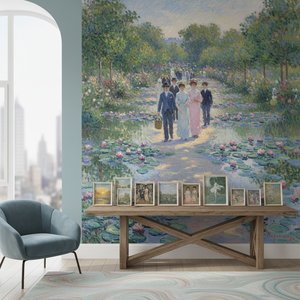
Top 10 arcydzieł impresjonizmu, które zmieniły sztukę | OriginalUniqueArt.com
Odkryj 10 arcydzieł impresjonizmu od Moneta, Renoir'a i Degasa! Poznaj historię tych ikonicznych obrazów, techniki malarskie i inspiracje. Reprodukcje najwyższej jakości na OriginalUniqueArt.com – idealne do Twojego wnętrza. Eksploruj kolekcję online!
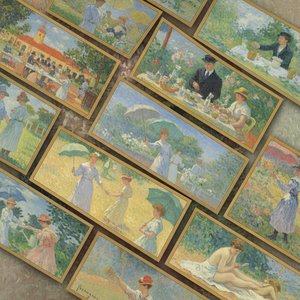
Pierre-Auguste Renoir: 25 Arcydzieł Pełnych Światła i Uroków | OriginalUniqueArt.com
Odkryj 25 najpiękniejszych obrazów Pierre’a-Auguste Renoir! Poznaj historię impresjonizmu, światło w jego malarstwie i arcydzieła takie jak 'Taniec w Le Moulin de la Galette'. Reprodukcje najwyższej jakości na OriginalUniqueArt.com – inspiracje dla Twojego wnętrza.

10 Arcydzieł Impresjonizmu Krajobrazowego: Sztuka, Artyści i Dekoracje Wnetrz
Odkryj 10 arcydzieł impresjonizmu krajobrazowego! Poznaj historie Monet, Renoir i innych mistrzów. Inspiracje wnętrzarskie, techniki malarskie i reprodukcje obrazów najwyższej jakości na OriginalUniqueArt.com. Eksploruj pełną kolekcję online!

Impressionistic Realism's Finest: 10 Masterpieces for Your Home | OriginalUniqueArt
Journey through Impressionistic Realism with 10 iconic masterpieces by Monet, Renoir & Van Gogh. Explore art history, techniques & find museum-quality reproductions for your home at OriginalUniqueArt.com. Discover all masterpieces online!
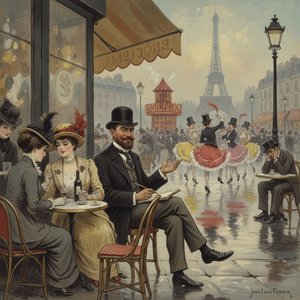
Jean-Louis Forain: Capturing Parisian Life with Wit & Realism
Explore the captivating world of Jean-Louis Forain, a master Impressionist chronicler of Belle Époque Paris. Discover his satirical paintings, realistic scenes & lasting legacy. Learn about collecting Forain's art today!



