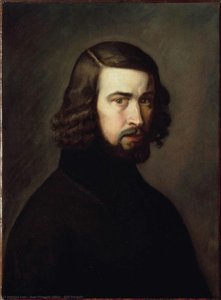
Podgląd w skali 1:1
 Wyślij jako kartkę
 Udostępnij
 Szczegóły dzieła
 Przewodnik

 Pobierz obraz
 Podobne obiekty
 RTG
RTG Pokaz slajdów
 Statystyki
La lessiveuse


 Rozwiń treść
Giclée / Wydruk artystyczny
Wydruki giclée lub płótna o jakości muzealnej, szybka realizacja i szeroki wybór opcji wykończenia. ( Zamów ręcznie malowaną reprodukcję Przejdź do wersji cyfrowej)




P118B zł10

P118H zł10

P118W zł10

P438Z zł10

P508JH zł12

P508YH zł12

P805H zł10

P805Z zł10

P919BZ zł10

P919G zł10

P919XJ zł10

P959ZH zł10

P968JZ zł12

W106C zł8

W218G zł10

W218JH zł8

W218Y zł10

W307PJ zł10

W316G zł10

W316PJ zł8

W316Y zł10

W398PJ zł8

W4111J zł10

W500HY zł15

W500JH zł15

W692G zł12

W849H zł8

W940BG zł15

W953PJ zł8




Wybierz spośród naszych standardowych rozmiarów, które zachowują oryginalne proporcje dzieła sztuki.

Wpisz wymaganą szerokość i wysokość, aby dopasować grafikę do ramy lub ściany. Wydruk można jedynie przyciąć, nigdy nie powiększając go poza oryginalny obraz, dlatego format o innych proporcjach spowoduje utratę części kompozycji. Przed rozpoczęciem druku prześlemy Ci cyfrowy podgląd do zatwierdzenia. Obraz wyświetlany na tej stronie nie pokazuje rzeczywistego przycięcia — jedynie podgląd oddaje ten efekt.
Dostawa na cały świat () w ciągu 2 tygodni zamiast standardowych 4/5 tygodni. (26 Październik)

Bezpłatna ekspresowa wysyłka na cały świat

Wysokiej jakości płótno lniane

Pełne ubezpieczenie przesyłki

Gwarancja zwrotu należności celnych i podatków importowych

Gwarancja wiernego odwzorowania kolorów

100-dniowa polityka zwrotów (tylko w przypadku wad)

Gwarancja 100% zwrotu pieniędzy

Zniżka przy zakupie wielu sztuk
 Opcja ze szkłem jest dostępna wyłącznie w rozmiarach poniżej 110 cm

La lessiveuse
Giclée / Wydruk artystyczny
Wymiary reprodukcji
-


Cena całkowita
zł 307
La Lessiveuse: A Window into Rural Life – Jean-François Millet’s Masterpiece
Jean-François Millet's "La Lessiveuse" (The Washerwoman) is more than just a depiction of a woman at work; it’s a profound meditation on the dignity and hardship of rural life in 19th-century France. Painted in 1849, this iconic scene captures a moment of quiet intensity within a humble kitchen, offering viewers an intimate glimpse into the daily existence of a peasant family. The painting's enduring power lies not just in its subject matter but also in Millet’s masterful Realist technique and his ability to imbue ordinary figures with extraordinary significance.
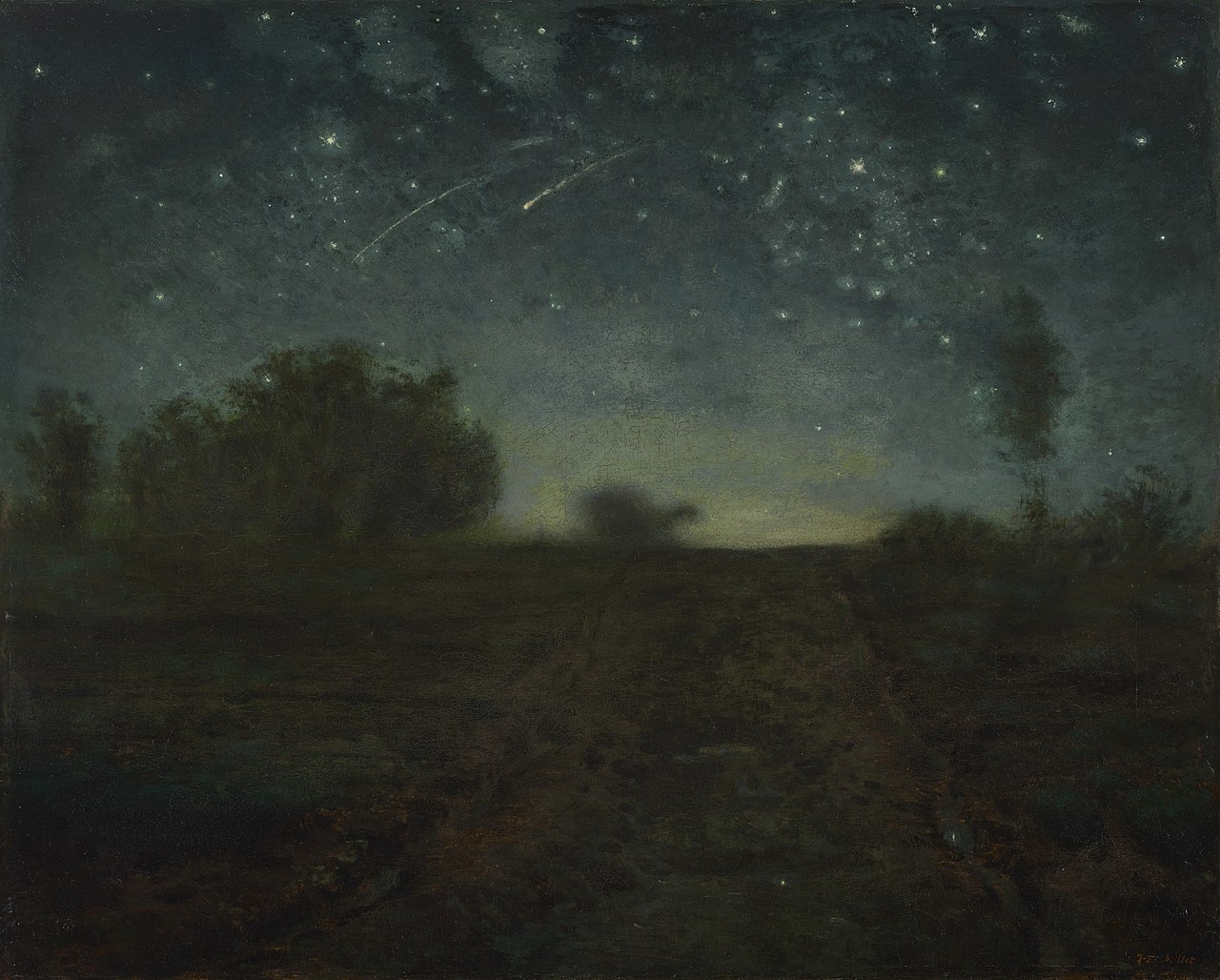
The composition itself is remarkably simple yet profoundly effective. The woman, her back to the viewer, dominates the foreground, meticulously pouring water into a large barrel – likely for washing clothes. Her posture, the slight curve of her spine, and the way she holds herself speak volumes about years of physical labor. The surrounding details—the worn wooden chair, the flickering fireplace casting a warm glow, the carefully arranged bottles and bowl—create a believable domestic setting, transporting us directly into this woman’s world.
Realism and the Barbizon School
Millet was a key figure in the Barbizon school of painting, a movement that rejected the idealized subjects favored by the established Salon. Instead, the Barbizon artists sought to depict rural life as it truly was – with its hardships, its beauty, and its inherent dignity. Millet’s work is characterized by its meticulous observation of detail, his use of earthy tones, and his commitment to portraying ordinary people without sentimentality or judgment. He wasn't interested in glorifying peasant life; he wanted to show it as it *was*, a testament to the resilience and strength of those who worked the land.
The painting’s realism extends beyond mere representation. Millet employed a technique of layering thin glazes of oil paint, building up color gradually to achieve a remarkable sense of texture and depth. The rough surface of the barrel, the worn fabric of the woman's apron, and the flickering flames in the fireplace are all rendered with astonishing accuracy, contributing to the painting’s palpable sense of authenticity.
Symbolism and Emotional Impact
“La Lessiveuse” is rich in symbolic meaning. The act of washing clothes itself can be interpreted as a metaphor for purification – both physical and spiritual. The woman's solitary activity suggests a quiet contemplation, a moment of respite from the relentless demands of daily life. The warm light of the fireplace offers a sense of comfort and security, while the cool tones of the barrel and water evoke a feeling of hard work and perseverance.
Millet’s ability to capture such profound emotion in a seemingly simple scene is what makes “La Lessiveuse” so enduringly powerful. It's a painting that invites us to reflect on themes of labor, dignity, and the human condition – themes that remain relevant today. The painting’s impact resonates with viewers because it speaks to something fundamental about our shared humanity.
Provenance and Significance
Originally created in 1849, “La Lessiveuse” was acquired by the Louvre Museum in 1902. It remains a central work within the museum’s collection of French Realist paintings, demonstrating Millet's pivotal role in shaping the course of art history. Its presence in the Louvre underscores its artistic merit and historical importance, offering a tangible connection to one of France’s most celebrated artists.
Pytania i odpowiedzi
Jak nasycona jest paleta kolorystyczna dzieła "La lessiveuse"?
Dzieło „La lessiveuse” – Jean-François Millet charakteryzuje się Muted nasyceniem kolorów.
Jaki jest zalecany format i orientacja druku dla "La lessiveuse"?
Zalecany rozmiar wydruku dzieła „La lessiveuse” – Jean-François Millet to Large w orientacji Portrait.
Jaki nastrój oddaje styl Contemporary Realism w dziele „La lessiveuse”?
"La lessiveuse" emanuje Melancholic emocjonalnym ładunkiem, wpisując się w nurt Contemporary Realism.
Biografia artysty
A Life Rooted in the Soil: The World of Jean-François Millet
Jean-François Millet, a name inextricably linked to the dignity of rural life and the burgeoning Realist movement in 19th-century France, was not born into the rarefied atmosphere of artistic privilege. Instead, he emerged from the very earth that would become the subject and inspiration of his enduring legacy. On October 4, 1814, he arrived in Gruchy, a small Norman village nestled within a landscape dominated by agricultural tradition – a place where the rhythms of the seasons dictated every aspect of existence. This upbringing wasn’t merely a setting for his life; it *defined* it, shaping his artistic vision with an authenticity that resonated deeply with a nation undergoing profound transformation. His parents, Jean-Louis-Nicolas and Aimée-Henriette-Adélaïde Henry Millet, were themselves farmers, instilling in young Jean-François not just a love of the land but also a deep understanding of its hardships and rewards. Early education wasn’t confined to formal schooling – facilitated by local priests who recognized his intellectual potential – but was equally shaped by the tangible realities of farm work: the backbreaking labor of sowing seeds, reaping harvests, and threshing grain – experiences that would later become central motifs in his paintings. This intimate knowledge wasn't simply observational; it possessed a visceral quality, a profound understanding of human endurance and the quiet dignity of rural life.From Academic Aspirations to Rural Revelation
Millet’s artistic journey began with a traditional path, involving formal training under portrait painter Bon Du Mouchel in Cherbourg, followed by instruction with Théophile Langlois de Chèvreville, a student of Baron Gros. In 1837, he ventured to the heart of Parisian art – Paris – and enrolled at the prestigious École des Beaux-Arts, studying under Paul Delaroche. However, the rigid expectations and hierarchical structure of the Salon system proved stifling for the young artist. Initial successes were followed by a series of rejections, leading to a period of artistic disillusionment. It was during the 1840s that a pivotal shift occurred – marked by both personal tragedy and a growing dissatisfaction with the romanticized depictions of peasant life prevalent at the time. The loss of his beloved wife, Pauline-Virginie Ono, coupled with a desire for greater artistic honesty, propelled him away from idealized pastoral scenes towards a more direct and unflinching portrayal of rural existence. This turning point was further solidified by his association with a group of like-minded artists who sought to break free from the constraints of academic tradition – including Constant Troyon, Narcisse Diaz, Charles Jacque, and Théodore Rousseau. These painters, united by a shared commitment to *plein air* painting (working directly from nature) and a rejection of artifice, formed the core of what would become known as the Barbizon school.The Poetry of Labor: Themes and Techniques
Millet’s oeuvre is profoundly characterized by his deep empathy for the working class, particularly peasant farmers. He didn't simply depict their labor; he elevated it to a level of dignity and spiritual significance previously unseen in art. His paintings are not sentimental idealizations but rather honest portrayals of hardship, resilience, and quiet devotion. The Gleaners (1857), perhaps one of his most iconic works, exemplifies this approach. The three women depicted gathering leftover grain after the harvest aren’t romanticized figures; they are laborers, bent double by toil, yet possessing a remarkable serenity and dignity that commands respect. The Angelus (1850-1861), another masterpiece, captures a moment of profound spirituality – a peasant couple pausing for prayer at sunset – transforming an everyday act into something sacred. The scene is imbued with a sense of timelessness and quiet contemplation. The Sower (1850) stands as an enduring symbol of the cyclical nature of agricultural labor and humanity’s fundamental connection to the land, representing the beginning of the harvest season. Millet's technical approach was equally significant. He drew inspiration from the Dutch Masters, particularly their masterful use of light and shadow – a technique known as *chiaroscuro* – to create depth and atmosphere. He also incorporated elements of classical sculpture, evident in the monumental quality of his figures and the carefully considered composition of his works. Millet employed a restrained palette, primarily utilizing earthy tones that mirrored the colors of the countryside, and built up layers of paint with meticulous detail to convey texture and volume.A Lasting Legacy: Millet’s Influence and Historical Significance
Jean-François Millet died in Barbizon on January 20, 1875, leaving behind a body of work that profoundly impacted the course of modern art. He played a pivotal role in establishing Realism as a dominant force in painting, challenging the conventions of academic art and paving the way for future movements like Impressionism and Social Realism. His focus on everyday life and social issues resonated deeply with artists who sought to depict the world around them with honesty and authenticity. His influence extended beyond painting; his images became symbols of rural virtue and working-class solidarity, inspiring writers, poets, and political thinkers. Artists such as Correa Benito Rebolledo continued to explore themes of rural life and social justice, directly influenced by Millet’s example. Today, Millet's paintings continue to captivate audiences with their timeless beauty, emotional depth, and enduring message of human dignity. His work serves as a powerful reminder that even in the face of hardship, there is grace, resilience, and profound spiritual meaning to be found in the simplest of lives.Major Works
- The Gleaners (1857): A poignant depiction of women gathering leftover grain.
- The Angelus (1850-1861): A symbol of rural piety and a moment of quiet devotion.
- The Sower (1850): An iconic image representing the cycle of agricultural labor.
- Man with a Hoe: A powerful representation of physical toil and human endurance.
- Harvesters Resting: Capturing a moment of respite amidst arduous work.
- Woman Baking Bread: A depiction of domestic labor imbued with dignity.

Jean-François Millet
1814 - 1875 , Francja
Krótka nota
- Artistic Movement Or Style: Realizm, Barbizon
- Artists Or Movements Influenced By This Artist:
- Impressionizm
- Realizm społeczny
- Artists Who Influenced This Artist:
- Holenderscy mistrzowie
- Paul Delaroche
- Date Of Birth: 4 października 1814
- Date Of Death: 20 stycznia 1875
- Full Name: Jean-François Millet
- Nationality: Francuz
- Notable Artworks:
- Zbieracze zboża
- Anioł Pański
- Siewca
- Place Of Birth: Gruchy, Francja
Powiązane artykuły
Poetycka Prawda Obserwacji: Realizm w Malarstwie XIX Wieku – Studium i Interpretacje
Odkryj fascynujący świat realizmu w malarstwie XIX wieku! Analiza dzieł Courbeta, polskiego realizmu i wpływu tego nurtu na współczesną sztukę. Ekspercka wiedza dla kolekcjonerów i miłośników historii sztuki.

Echa życia wiejskiego: trwałe przedstawienia wsi w sztuce
Odkryj fascynującą historię sztuki wiejskiej! Analizujemy poetyckie krajobrazy, fotografie i malarstwo od XIX wieku do współczesności. Ekspercka analiza dzieł Bloomfielda, Olszyńskiego i Hirszenbergów. Znajdź inspirację i reprodukcje na OriginalUniqueArt.

Romantic Realism's Finest: 10 Masterpieces for Your Home | OriginalUniqueArt
Explore 10 defining masterpieces of Romantic Realism! Discover Courbet, Millet & Daumier's powerful paintings—capturing emotion and social realities. Find museum-quality reproductions for your home at OriginalUniqueArt.com.

Echo Życia Wiejskiego w Sztuce: Nostalgia, Praca i Tożsamość
Odkryj fascynującą historię wiejskiego życia w sztuce! Analizujemy realizm, socrealizm i twórczość Wyspiańskiego. Poznaj wpływ nostalgii na współczesne interpretacje malarstwa wiejskiego.

Jean-François Millet: Realism, Rural Life & the Poetic Depiction of Labor
Explore the life & work of Jean-François Millet, a founder of Realism. Discover his poignant depictions of rural France, iconic paintings like 'The Angelus,' and lasting influence on art history. Learn more at OriginalUniqueArt.