Zobacz w skali 1:1
 Wyślij
 Udostępnij
 Szczegóły
 Przewodnik

 Pobierz plik obrazu
 Podobne obiekty
 RTG
RTG Pokaz slajdów
 Statystyki
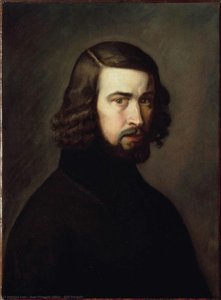
Autoportret
 Olej na płótnie
- Sztuka ścienna
- Realism
 1840
1840- – XIX wiek
 63.0 x 47.0 cm
 Muzeum Sztuki w Bostonie
 Czytaj więcej
Ręcznie malowana reprodukcja olejowa
Ręcznie malowany obraz olejny na płótnie, wykonany na zamówienie przez naszych artystów w wybranym przez Ciebie wymiarze i oprawie. ( Przełącz na wersję drukowaną Przełącz na wersję cyfrową)




P118B zł10

P118H zł10

P118W zł10

P438Z zł10

P508JH zł12

P508YH zł12

P805H zł10

P805Z zł10

P919BZ zł10

P919G zł10

P919XJ zł10

P959ZH zł10

P968JZ zł12

W106C zł8

W218G zł10

W218JH zł8

W218Y zł10

W307PJ zł10

W316G zł10

W316PJ zł8

W316Y zł10

W398PJ zł8

W4111J zł10

W500HY zł15

W500JH zł15

W692G zł12

W849H zł8

W940BG zł15

W953PJ zł8




Wybierz spośród naszych standardowych rozmiarów, które zachowują oryginalne proporcje dzieła sztuki.

Wpisz wymaganą szerokość i wysokość, aby obraz pasował do Twojej ramy lub ściany. Ponieważ jest to dzieło malowane ręcznie, w przypadku rozmiaru o innym proporcji artysta może domalować nieco więcej wokół obrazu lub przyciąć fragmenty — wybór należy do Ciebie. Przed rozpoczęciem pracy prześlemy Ci cyfrową wizualizację do zatwierdzenia. Obraz widoczny na tej stronie nie przedstawia rzeczywistego efektu — jedynie wizualizacja oddaje realny rezultat.
Po złożeniu zamówienia zespół OriginalUniqueArt.com skontaktuje się z klientem drogą mailową w celu uzyskania instrukcji i prześle wizualizację projektu
Dostawa na całym świecie () w ciągu 3–4 tygodni zamiast standardowych 5 tygodni. (22 Październik). Bez kompromisów w kwestii jakości.

Bezpłatna ekspresowa wysyłka na cały świat

Wysokiej jakości płótno lniane

Pełne ubezpieczenie transportowe

Gwarancja zwrotu należności celnych i podatków importowych

Gwarancja idealnego odwzorowania barw

100-dniowy okres na zwrot dzieła w przypadku wykrycia wad produkcyjnych

Gwarancja 100% zwrotu pieniędzy

Oferta przy zakupie wielu sztuk
 Opcja ze szkłem jest dostępna wyłącznie w rozmiarach poniżej 110 cm

Autoportret
Technika wykonania
Rozmiar reprodukcji
-


Suma do zapłaty
zł 1151
Jean-François Millet's Self-Portrait: A Glimpse into an Artist’s Ambition
Millet’s self-portrait, namalowany około 1840 roku, gdy miał około dwadzieścia sześć lat, oferuje fascynujący wgląd w aspiracje młodej artysty, która poruszała się po tętniącej życiem paryskiej scenie artystycznej. Po niedawno przeprowadzce z jego prowincjonalnego domu w Normandii, ta praca łączy go z rozwijającymi się kręgami romantyzmu, które kwitły w sercu miasta. Portret nie jest jedynie podobieństwem; to deklaracja intencji – pewne ogłoszenie poważnego poświęcenia i wschodzącego talentu Millet’a.
Portret Uroczony w Kontekście: Od Gruchy do Paryża
Narodziny w 1814 roku w małej społeczności rolniczej Gruchy, w Normandii, wczesne życie Jean-François Millet’a było głęboko związane z egzystencją wiejską. Jego edukacja rozpoczęła się od księży kościelnych, obejmując łacinę i literaturę przed przejściem do zajęć artystycznych w Cherbourg. Stypendium z Cherbourg umożliwiło mu przeprowadzkę do Paryża w wieku dwadzieścii trzech lat, gdzie studiował na prestiżowej École des Beaux-Arts. Ten paryski okres okazał się bezcenny, wystawiając go na kontakt z zaawansowanymi technikami i trendami artystycznymi. Jednak tęsknota za krajobrazem w końcu przyciągnęła go z powrotem do Cherbourg przed ostatecznym osiedleniem się w Barbizon, obszarze wiejskim niedaleko Paryża, który stał się jego domem na całe życie.
Styl i Technika: Powstający Realizm
Portret ten ilustruje rozwijający się styl Millet’a, zapowiadając jego późniejszy zaangażowanie w realizm. Namalowany olejem na płótnie (mierzący 63 x 47 cm), dzieło wykorzystuje tradycyjną kompozycję w stylu busty, gdzie artysta umieszczony jest lekko poza środkiem, zwrócony do widza, tworząc angażujące i bezpośrednie połączenie. Oświetlenie jest dramatyczne, wykorzystując silne kontrasty między światłem a cieniem, aby wyrzeźbić jego rysy i dodać głębi. Widoczne pociągnięcia pędzla przyczyniają się do poczucia tekstury, co widać szczególnie w przedstawieniu jego włosów i płaszcza z aksamicą – odzieży charakterystycznej dla kręgów romantycznych środowisk artystycznych tamtego czasu. Paleta kolorów jest dominowana przez ciemne brązy, czernie i szarości, co przyczynia się do ponurego, ale kontemplacyjnego nastroju.
Symbolizm i Wpływ Emocjonalny: Pewny Spojrzenie
Poza swoimi korzyściami technicznymi, portret Millet’a niesie ze sobą znaczący ciężar symboliczny. Jego spięte włosy i modny płaszcz były znakiem rozpoznawczym ruchu romantyzmu w Paryżu. Jednak to jego wzrok naprawdę urzeka – intensywność, która sugeruje emocjonalną głębię, którą później przeniósł na przedstawienia życia chłopskiego. Portret nie jest jedynie reprezentacją wyglądu; przekazuje on poczucie samoświadomości i determinacji. To wizualne oświadczenie młodego artysty, który stoi na krawędzi znaczącej kariery, gotowy przyjąć zarówno wyzwania, jak i nagrody, które czekają przed nim.
Dziedzictwo: Fundament dla Realizmu Wiejskiego
Ten portret stanowi ważny wczesny utwór w dorobku Millet’a, dostarczając wglądu w jego rozwój artystyczny przed tym, gdy stał się znany z przedstawiania życia wiejskiego. Demonstruje on jego zaangażowanie w współczesne trendy paryskie oraz sugeruje głęboką więź z krajobrazem, która miała zdefiniować jego późniejszą karierę i ugruntować go jako kluczową postać szkoły Barbizon i szerszego ruchu realizmu.
Pytania i odpowiedzi
Jaki jest dominujący odcień dzieła „Autoportret” autorstwa Jean-François Millet?
Przez „Autoportret” autorstwa Jean-François Millet przewija się Gama złocistych żółci odcień.
Czy dzieło "Autoportret" jest dostępne jako wysokiej jakości wydruk artystyczny?
Odbitkę dzieła „Autoportret” autorstwa Jean-François Millet można zamówić bezpośrednio na stronie Wydruk artystyczny: szlachetna odbitka na płótnie bawełnianym lub archiwalnym papierze płótnopodobnym.
Dla kogo "Autoportret" jest polecane jako prezent i do jakiego zastosowania?
„Autoportret” jest polecane jako prezent dla Urodziny, z myślą o Manifestacja artystyczna.
Biografia artysty
A Life Rooted in the Soil: The World of Jean-François Millet
Jean-François Millet, a name inextricably linked to the dignity of rural life and the burgeoning Realist movement in 19th-century France, was not born into the rarefied atmosphere of artistic privilege. Instead, he emerged from the very earth that would become the subject and inspiration of his enduring legacy. On October 4, 1814, he arrived in Gruchy, a small Norman village nestled within a landscape dominated by agricultural tradition – a place where the rhythms of the seasons dictated every aspect of existence. This upbringing wasn’t merely a setting for his life; it *defined* it, shaping his artistic vision with an authenticity that resonated deeply with a nation undergoing profound transformation. His parents, Jean-Louis-Nicolas and Aimée-Henriette-Adélaïde Henry Millet, were themselves farmers, instilling in young Jean-François not just a love of the land but also a deep understanding of its hardships and rewards. Early education wasn’t confined to formal schooling – facilitated by local priests who recognized his intellectual potential – but was equally shaped by the tangible realities of farm work: the backbreaking labor of sowing seeds, reaping harvests, and threshing grain – experiences that would later become central motifs in his paintings. This intimate knowledge wasn't simply observational; it possessed a visceral quality, a profound understanding of human endurance and the quiet dignity of rural life.From Academic Aspirations to Rural Revelation
Millet’s artistic journey began with a traditional path, involving formal training under portrait painter Bon Du Mouchel in Cherbourg, followed by instruction with Théophile Langlois de Chèvreville, a student of Baron Gros. In 1837, he ventured to the heart of Parisian art – Paris – and enrolled at the prestigious École des Beaux-Arts, studying under Paul Delaroche. However, the rigid expectations and hierarchical structure of the Salon system proved stifling for the young artist. Initial successes were followed by a series of rejections, leading to a period of artistic disillusionment. It was during the 1840s that a pivotal shift occurred – marked by both personal tragedy and a growing dissatisfaction with the romanticized depictions of peasant life prevalent at the time. The loss of his beloved wife, Pauline-Virginie Ono, coupled with a desire for greater artistic honesty, propelled him away from idealized pastoral scenes towards a more direct and unflinching portrayal of rural existence. This turning point was further solidified by his association with a group of like-minded artists who sought to break free from the constraints of academic tradition – including Constant Troyon, Narcisse Diaz, Charles Jacque, and Théodore Rousseau. These painters, united by a shared commitment to *plein air* painting (working directly from nature) and a rejection of artifice, formed the core of what would become known as the Barbizon school.The Poetry of Labor: Themes and Techniques
Millet’s oeuvre is profoundly characterized by his deep empathy for the working class, particularly peasant farmers. He didn't simply depict their labor; he elevated it to a level of dignity and spiritual significance previously unseen in art. His paintings are not sentimental idealizations but rather honest portrayals of hardship, resilience, and quiet devotion. The Gleaners (1857), perhaps one of his most iconic works, exemplifies this approach. The three women depicted gathering leftover grain after the harvest aren’t romanticized figures; they are laborers, bent double by toil, yet possessing a remarkable serenity and dignity that commands respect. The Angelus (1850-1861), another masterpiece, captures a moment of profound spirituality – a peasant couple pausing for prayer at sunset – transforming an everyday act into something sacred. The scene is imbued with a sense of timelessness and quiet contemplation. The Sower (1850) stands as an enduring symbol of the cyclical nature of agricultural labor and humanity’s fundamental connection to the land, representing the beginning of the harvest season. Millet's technical approach was equally significant. He drew inspiration from the Dutch Masters, particularly their masterful use of light and shadow – a technique known as *chiaroscuro* – to create depth and atmosphere. He also incorporated elements of classical sculpture, evident in the monumental quality of his figures and the carefully considered composition of his works. Millet employed a restrained palette, primarily utilizing earthy tones that mirrored the colors of the countryside, and built up layers of paint with meticulous detail to convey texture and volume.A Lasting Legacy: Millet’s Influence and Historical Significance
Jean-François Millet died in Barbizon on January 20, 1875, leaving behind a body of work that profoundly impacted the course of modern art. He played a pivotal role in establishing Realism as a dominant force in painting, challenging the conventions of academic art and paving the way for future movements like Impressionism and Social Realism. His focus on everyday life and social issues resonated deeply with artists who sought to depict the world around them with honesty and authenticity. His influence extended beyond painting; his images became symbols of rural virtue and working-class solidarity, inspiring writers, poets, and political thinkers. Artists such as Correa Benito Rebolledo continued to explore themes of rural life and social justice, directly influenced by Millet’s example. Today, Millet's paintings continue to captivate audiences with their timeless beauty, emotional depth, and enduring message of human dignity. His work serves as a powerful reminder that even in the face of hardship, there is grace, resilience, and profound spiritual meaning to be found in the simplest of lives.Major Works
- The Gleaners (1857): A poignant depiction of women gathering leftover grain.
- The Angelus (1850-1861): A symbol of rural piety and a moment of quiet devotion.
- The Sower (1850): An iconic image representing the cycle of agricultural labor.
- Man with a Hoe: A powerful representation of physical toil and human endurance.
- Harvesters Resting: Capturing a moment of respite amidst arduous work.
- Woman Baking Bread: A depiction of domestic labor imbued with dignity.

Jean-François Millet
1814 - 1875 , Francja
Najważniejsze informacje
- Artistic Movement Or Style: Realizm, Barbizon
- Artists Or Movements Influenced By This Artist:
- Impressionizm
- Realizm społeczny
- Artists Who Influenced This Artist:
- Holenderscy mistrzowie
- Paul Delaroche
- Date Of Birth: 4 października 1814
- Date Of Death: 20 stycznia 1875
- Full Name: Jean-François Millet
- Nationality: Francuz
- Notable Artworks:
- Zbieracze zboża
- Anioł Pański
- Siewca
- Place Of Birth: Gruchy, Francja
Zobacz także powiązane artykuły
Reflecting the Self: A History of Portraiture & Psychological Insight
Explore the fascinating history of self-portraiture from Renaissance masters like Dürer & Rembrandt to modern interpretations. Discover the psychological insights and artistic techniques behind these iconic works. Expert analysis for art enthusiasts.
Reflections of an Era: Identity & Social Commentary in 19th-Century Portraiture
Explore the captivating world of 19th-century portraiture! Discover key artists, movements like Realism & Impressionism, and the powerful social commentary embedded within these iconic artworks. Expert insights at OriginalUniqueArt.
Poetycka Prawda Obserwacji: Realizm w Malarstwie XIX Wieku – Studium i Interpretacje
Odkryj fascynujący świat realizmu w malarstwie XIX wieku! Analiza dzieł Courbeta, polskiego realizmu i wpływu tego nurtu na współczesną sztukę. Ekspercka wiedza dla kolekcjonerów i miłośników historii sztuki.

Romantic Realism's Finest: 10 Masterpieces for Your Home | OriginalUniqueArt
Explore 10 defining masterpieces of Romantic Realism! Discover Courbet, Millet & Daumier's powerful paintings—capturing emotion and social realities. Find museum-quality reproductions for your home at OriginalUniqueArt.com.

Ekspresyjny realizm XIX wieku: Emocje, obserwacja i subwersja w malarstwie
Poznaj ekspresyjny realizm XIX wieku – od Courbeta po polskich mistrzów. Analiza dzieł, krytyka społeczna i wpływ na współczesną sztukę. Ekspercka wiedza o malarstwie realistycznym.