Menu

() ·

A painting made for you, by hand

Anioły

Ręcznie malowana reprodukcja olejowa

Ręcznie malowany obraz olejny na płótnie, wykonany na zamówienie przez naszych artystów w wybranym przez Ciebie wymiarze i oprawie. ( Przełącz na wydania drukowane Przejdź do wersji cyfrowej)

Opis obiektu

Jean-François Millet's "The Angelus" to uchwycił prostotę wiary i życia wiejskiego w XIX-wiecznej Francji. Zobacz, jak realistyczne obrazy oddają codzienność i duchowość rolników.

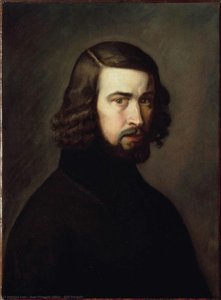
Biografia artysty

Jean-François Millet's 'Kobieta piekąca chleb' to ikona realizmu. Odkryj piękno i siłę życia wiejskiego w tej poruszającej kompozycji z Barbizon.

from ·

Chapter 1

How large should it be?

Slide to change the size; the picture on the left shows the frame at its real width. The proportions of the original are kept.

Standardowy format
personalizowane
CM
INCH

Wybierz spośród naszych standardowych rozmiarów, które zachowują oryginalne proporcje dzieła sztuki.

szerokość
wysokość

Wpisz wymaganą szerokość i wysokość, aby obraz pasował do Twojej ramy lub ściany. Ponieważ jest to dzieło malowane ręcznie, w przypadku rozmiaru o innych proporcjach artysta może domalować nieco więcej wokół obrazu lub przyciąć jego fragmenty — wybór należy do Ciebie. Przed rozpoczęciem pracy prześlemy Ci cyfrową wizualizację do zatwierdzenia. Obraz widoczny na tej stronie nie przedstawia rzeczywistego efektu — jedynie wizualizacja oddaje realny rezultat.

Chapter 2

How should it arrive?

Choose the edges of the stretched canvas

Choose your frame

Corner sample of the WhiteWrap canvas edge finish, stretched on lite drewno bars
White zł1
Corner sample of the BlurSideWrap canvas edge finish, stretched on lite drewno bars
Blurside zł1
Corner sample of the ExtendedWrap canvas edge finish, stretched on lite drewno bars
Extended zł1
Corner sample of the P118B picture frame: polistyren formowany, 5 cm wide and 3 cm thick
P118B zł10
Corner sample of the P118H picture frame: polistyren formowany, 5 cm wide and 3 cm thick
P118H zł10
Corner sample of the P118W picture frame: polistyren formowany, 5 cm wide and 3 cm thick
P118W zł10
Corner sample of the P438Z picture frame: polistyren formowany, 5.5 cm wide and 3.5 cm thick
P438Z zł10
Corner sample of the P508JH picture frame: polistyren formowany, 7 cm wide and 3.5 cm thick
P508JH zł12
Corner sample of the P508YH picture frame: polistyren formowany, 7 cm wide and 3.5 cm thick
P508YH zł12
Corner sample of the P805H picture frame: polistyren formowany, 5 cm wide and 3.5 cm thick
P805H zł10
Corner sample of the P805Z picture frame: polistyren formowany, 5 cm wide and 3.5 cm thick
P805Z zł10
Corner sample of the P919BZ picture frame: polistyren formowany, 7 cm wide and 3.5 cm thick
P919BZ zł10
Corner sample of the P919G picture frame: polistyren formowany, 7 cm wide and 3.5 cm thick
P919G zł10
Corner sample of the P919XJ picture frame: polistyren formowany, 7 cm wide and 3.5 cm thick
P919XJ zł10
Corner sample of the P959ZH picture frame: polistyren formowany, 5 cm wide and 3 cm thick
P959ZH zł10
Corner sample of the P968JZ picture frame: polistyren formowany, 6 cm wide and 4 cm thick
P968JZ zł12
Corner sample of the W106C picture frame: lite drewno, 5 cm wide and 3 cm thick
W106C zł8
Corner sample of the W218G picture frame: lite drewno, 5 cm wide and 3 cm thick
W218G zł10
Corner sample of the W218JH picture frame: lite drewno, 5 cm wide and 3 cm thick
W218JH zł8
Corner sample of the W218Y picture frame: lite drewno, 5 cm wide and 3 cm thick
W218Y zł10
Corner sample of the W307PJ picture frame: lite drewno, 6 cm wide and 3 cm thick
W307PJ zł10
Corner sample of the W316G picture frame: lite drewno, 6 cm wide and 3 cm thick
W316G zł10
Corner sample of the W316PJ picture frame: lite drewno, 6 cm wide and 3 cm thick
W316PJ zł8
Corner sample of the W316Y picture frame: lite drewno, 6 cm wide and 3 cm thick
W316Y zł10
Corner sample of the W398PJ picture frame: lite drewno, 5 cm wide and 3 cm thick
W398PJ zł8
Corner sample of the W4111J picture frame: lite drewno, 6.5 cm wide and 3.5 cm thick
W4111J zł10
Corner sample of the W500HY picture frame: lite drewno, 7 cm wide and 5 cm thick
W500HY zł15
Corner sample of the W500JH picture frame: lite drewno, 7 cm wide and 5 cm thick
W500JH zł15
Corner sample of the W692G picture frame: lite drewno, 8 cm wide and 4 cm thick
W692G zł12
Corner sample of the W849H picture frame: lite drewno, 5 cm wide and 3 cm thick
W849H zł8
Corner sample of the W940BG picture frame: lite drewno, 7.5 cm wide and 4.5 cm thick
W940BG zł15
Corner sample of the W953PJ picture frame: lite drewno, 6 cm wide and 3.5 cm thick
W953PJ zł8
Corner sample of the H24-GOLD picture frame: rzeźbione drewno pokryte gipsem, 10 cm wide and 6 cm thick
H24-GOLD zł30
Corner sample of the H24-SILVER picture frame: rzeźbione drewno pokryte gipsem, 10 cm wide and 6 cm thick
H24-SILVER zł30
Corner sample of the H36-GOLD picture frame: rzeźbione drewno pokryte gipsem, 15 cm wide and 6.5 cm thick
H36-GOLD zł45
Corner sample of the H36-SILVER picture frame: rzeźbione drewno pokryte gipsem, 15 cm wide and 6.5 cm thick
H36-SILVER zł45

Moulding: . Overall size with the frame: .

Chapter 3

Who paints it, and should anything change?

Examples of what can be changed: Replace face with customer photo; Add pet (e.g., replace cat with dog); Include hidden message in background; Change background landscape or elements.
After order, OriginalUniqueArt.com team will email client for instructions and provide a mockup preview

Dostawa na całym świecie () w ciągu 3–4 tygodni zamiast standardowych 5 tygodni. (30 Październik). Bez kompromisów w kwestii jakości.

Chapter 4

The finishing touches

A nameplate, as in a museum?

Szczegóły grawerowanej brązowej tabliczki

This elegant plaque features the artist's name and the title of the artwork, finely engraved for a timeless presentation.

It is made from bronze with a refined, elegant finish. The text is precisely laser-engraved for a sharp and permanent result. Measuring 9x2 cm, the plaque is compact yet easy to read. It's built to be durable and scratch-resistant, offering a professional, museum-quality look. Mounting is simple thanks to the included adhesive backing.

Szczegóły przezroczystej tabliczki akrylowej

The plaque includes essential engraved details such as the artist's name, the title of the artwork, the date it was created, the type of media used-like oil on canvas or watercolor-a brief description of the piece, and a QR code that links to the complete artwork information.

It is crafted from clear acrylic, offering a sleek, modern appearance. The text is UV-engraved in black to ensure strong visual contrast. With a size of 10x15 cm, it ensures optimal readability. It comes equipped with two metal hooks for secure wall mounting. The plaque is designed to be weather-resistant, making it suitable for various environments, and it includes interactive features that work seamlessly with smartphone scanning.

Szczegóły czarnej tabliczki akrylowej

This elegant plaque includes engraved information such as the artist's name, the title of the artwork, the date it was created, the type of media used (like oil on canvas or watercolor), a short description of the artwork, and a QR code for quick access to more information.

The plaque itself is made from refined black acrylic with a premium finish. The text is laser-engraved in white for high contrast and readability. Its size is 10x15 cm, designed to be easy to read. It comes with two metal hooks for professional mounting. The design is sleek and fits any interior style. It is also weather-resistant and durable, with built-in digital integration for mobile compatibility.

A protective varnish?

When do you need it?

Chapter 5

Your painting, as you ordered it

Anioły

Technika reprodukcji

Wymiary reprodukcji

-

Wybitny mistrz artystyczny

Większa szczegółowość, finezja i dodatkowy czas na realizację

-

Opcje oprawy reprodukcji

-

-

W przypadku dzieł sztuki lub reprodukcji, których którykolwiek z boków przekracza 105 cm (około 41 cali), rama zostanie wysłana w formie zestawu do samodzielnego montażu. Metoda ta zapewnia bezpieczną dostawę i zapobiega uszkodzeniom podczas transportu.

Wymagany profesjonalny montaż – nie jest to produkt typu DIY.
Zestaw musi zostać złożony, a płótno naciągnięte przez doświadczonego profesjonalnego ramiarza, przy użyciu kleju do drewna (brak w zestawie), kleszczy do naciągania płótna oraz ścisków, które utrzymają krosna w równej pozycji podczas schnięcia kleju. Nieprawidłowy montaż lub nierównomierne napięcie płótna może trwale uszkodzić dzieło sztuki i nie podlega naszej gwarancji.

  • W zestawie znajdują się wszystkie listwy z litego drewna, precyzyjnie docięte do wymiarów.

  • Montaż odbywa się przy użyciu dołączonych wkrętów oraz kleju do drewna do łączenia narożników, którego zestaw nie zawiera i który musi zostać dostarczony przez ramiarza.

  • Wymagane są profesjonalne narzędzia, których nie ma w zestawie: kleszcze do naciągania płótna (napinacz) oraz zaciski, które pozwolą utrzymać listwy w równej pozycji podczas schnięcia kleju.

Ważne:
Do połączenia narożników niezbędny jest klej do drewna, listwy należy unieruchomić za pomocą ścisków do momentu całkowitego wyschnięcia kleju, a naciągnięcie płótna na złożoną ramę wymaga użycia kleszczy do naciągania płótna. Żaden z tych elementów nie jest dołączony do zestawu. Przed zamówieniem tego rozmiaru zalecamy konsultację z doświadczonym ramiarzem.

Etykieta obiektu

-

-

Lakier ochronny

Lakier z połyskiem (pogłębia kolory, chroni przed światłem i wilgocią)

-

Personalizacja dzieła

Przykłady możliwości personalizacji: zastąp twarz zdjęciem klienta; dodaj zwierzę domowe (np. zamień kota na psa); umieść ukrytą wiadomość w tle; zmień krajobraz lub elementy tła.

-

Ekspresowa

Dostawa na cały świat () w ciągu 3–4 tygodni zamiast standardowych 5 tygodni. (30 Październik). Bez kompromisów w kwestii jakości.

-

Przesyłka ekspresowa

Dostawa na cały świat () w ciągu 5 tygodni. (6 Listopad).

W cenie

Cena całkowita

zł 1251

Suma całkowita zł 1251

Opcja ze szkłem jest dostępna wyłącznie w rozmiarach poniżej 110 cm

Included with every order

  • Bezpłatna ekspresowa wysyłka na cały świat
  • Wysokiej jakości płótno lniane
  • Pełne ubezpieczenie przesyłki
  • Gwarancja zwrotu należności celnych i podatków importowych
  • Gwarancja wiernego odwzorowania kolorów
  • 100-dniowa polityka zwrotów (tylko w przypadku wad)
  • Gwarancja 100% zwrotu pieniędzy
  • Zniżka przy zakupie wielu sztuk

Serce Francuskiej Puszczy: Narodziny Realizmu

Jean-François Millet, artysta o głęboko zakorzenionym spojrzeniu na świat, nie narodził się w kręgach artystycznych. Jego życie, od początku naznaczone pracą na roli w małej normandzkiej wiosce Gruchy, stało się fundamentem jego twórczości. Millet, syn rolnika, zyskał wiedzę o życiu wiejskim nie tylko poprzez praktykę, ale przede wszystkim dzięki bliskim relacjom z rodziną i obserwacji codziennych rytmów pracy. To właśnie ta głęboka więź z ziemią i ludem, a szczególnie z biednymi rolnikami, stała się inspiracją dla jego najsłynniejszych dzieł, w tym monumentalnego „Angelu”. W drugiej połowie XIX wieku, kiedy Francja przeżywała okres intensywnych zmian społecznych i politycznych, Millet, wraz z innymi artystami, zapoczątkował ruch Barbizonu – nurt malarski skupiony na realistycznym oddaniu życia wiejskiego, odchodząc od idealizowanych krajobrazów charakterystycznych dla wcześniejszych epok. „Angelu” jest doskonałym przykładem tego przesunięcia, ukazując nie tylko scenę religijną, ale przede wszystkim ludzkie cierpienie i wiarę w obliczu trudnej egzystencji.

Scena z Humble Devotion: Odbicie Życia Wiejskiego

Obraz przedstawia dwóch prostych ludzi – mężczyznę i kobietę – modlących się przy zachodzie słońca, nad koszykiem pełnym ziemniaków. Tło, z odległym wieżami kościelnymi, wskazuje na czas odprawiania Angelus – codziennej modlitwy w Kościele, wykonywanej trzy razy dziennie. Millet, który osobiście pamiętał o tej praktyce, zainspirowany tradycją swojej babki, stworzył dzieło, które oddaje atmosferę i emocje związane z tym rytuałem. Ważne jest zauważenie, że obraz nie przedstawia heroicznej religijności, lecz raczej prostą, codzienną wiarę, która stanowiła o sile i poczuciu wspólnoty dla mieszkańców wsi. Zauważmy również, że mężczyzna i kobieta są ujęci w chwili odpoczynku po pracy, co podkreśla ich zmęczenie i trud życia rolnika.

Technika i Kompozycja: Ziemiste Barwy i Oczyszczający Światło

„Angelu” został namalowany olejem na płótnie. Millet, mistrz detalu i oddania faktury, wykorzystał grube, wyraźne pociągnięcia pędzla, aby nadać głębi ubraniom postaci oraz ziemi pod ich stopami. Kompozycja jest zrównoważona, ale jednocześnie dynamiczna – poziome linie rozciągające się po krajobrazie i pionowe elementy, które stanowią fundament sceny, tworzą harmonijną całość. Subtelne oświetlenie, padające z zachodzącego słońca, podkreśla trójwymiarowość postaci, a za pomocą perspektywy powietrznej kieruje wzrok widza w odległy horyzont. Dominujące barwy – ochry, brązy i stonowane zielenie – kontrastują z ciepłymi tonami nieba, tworząc atmosferę zarówno melancholii, jak i spokoju.

Symbolizm i Emocjonalny Rozrachunek

„Angelu” jest bogaty w symbole. Oprócz religijnej modlitwy, obraz przedstawia siłę i wytrwałość rolników. Ogrom krajobrazu kontrastuje z małą skalą postaci, podkreślając ich miejsce w świecie i ich ciężką pracę. Wokół narzędzi rolniczych – koszyka z ziemniakami, motyki, wózka – rozrzucone są pozostałości po pracy, co symbolizuje trud życia wiejskiego. Jednak obraz nie jest pesymistyczny; wbrew pozorom emanuje nadzieją i poczuciem wspólnoty. „Angelu” to nie tylko scena religijna, ale przede wszystkim portret ludzkiej kondycji – prostej, ciężkiej, ale pełnej wiary i miłości do ziemi. To obraz, który wciąż porusza serca widzów na całym świecie.

Pytania i odpowiedzi

Czy dzieło "Anioły" jest w ogólnym rozrachunku jaśniejsze czy ciemniejsze?

„Anioły” charakteryzuje się ogólną jasnością na poziomie jasny, a jej luminancja wynosi Delikatna luminancja.

Na którym etapie kariery Jean-François Millet znajduje się dzieło „Anioły”, biorąc pod uwagę jego datę powstania?

Data powstania dzieła (1859) sytuuje "Anioły" w Mature Realism rozwoju twórczości Jean-François Millet.

Jakie emocje przekazuje „Anioły” – Jean-François Millet?

„Anioły” budzi Refleksyjny emocje. Ton emocjonalny opisuje wrażenie, jakie wywołuje to dzieło.

More about this painting

Podgląd w skali 1:1 Podgląd AR Przełącz na wydania drukowane Przejdź do wersji cyfrowej Wyślij jako kartkę
Szczegóły dzieła Przewodnik Dodaj do ulubionych Pobierz obraz Podobne obiekty RTG Pokaz slajdów Q&A Statystyki

In numbers

  • 1859the year it was painted
  • 29frames to choose from
  • standard sizes, in its own proportions
  • 5weeks to paint and deliver it
Jean-François Millet

Jean-François Millet

1814 - 1875, Francja

Quick facts about Jean-François Millet

  • Artistic Movement Or Style: Realizm, Barbizon
  • Artists Or Movements Influenced By This Artist:
    • Impressionizm
    • Realizm społeczny
  • Artists Who Influenced This Artist:
    • Holenderscy mistrzowie
    • Paul Delaroche
  • Date Of Birth: 4 października 1814
  • Date Of Death: 20 stycznia 1875
  • Full Name: Jean-François Millet
  • Nationality: Francuz
  • Notable Artworks:
    • Zbieracze zboża
    • Anioł Pański
    • Siewca
  • Place Of Birth: Gruchy, Francja

Biografia artysty

A Life Rooted in the Soil: The World of Jean-François Millet

Jean-François Millet, a name inextricably linked to the dignity of rural life and the burgeoning Realist movement in 19th-century France, was not born into the rarefied atmosphere of artistic privilege. Instead, he emerged from the very earth that would become the subject and inspiration of his enduring legacy. On October 4, 1814, he arrived in Gruchy, a small Norman village nestled within a landscape dominated by agricultural tradition – a place where the rhythms of the seasons dictated every aspect of existence. This upbringing wasn’t merely a setting for his life; it *defined* it, shaping his artistic vision with an authenticity that resonated deeply with a nation undergoing profound transformation. His parents, Jean-Louis-Nicolas and Aimée-Henriette-Adélaïde Henry Millet, were themselves farmers, instilling in young Jean-François not just a love of the land but also a deep understanding of its hardships and rewards. Early education wasn’t confined to formal schooling – facilitated by local priests who recognized his intellectual potential – but was equally shaped by the tangible realities of farm work: the backbreaking labor of sowing seeds, reaping harvests, and threshing grain – experiences that would later become central motifs in his paintings. This intimate knowledge wasn't simply observational; it possessed a visceral quality, a profound understanding of human endurance and the quiet dignity of rural life.

From Academic Aspirations to Rural Revelation

Millet’s artistic journey began with a traditional path, involving formal training under portrait painter Bon Du Mouchel in Cherbourg, followed by instruction with Théophile Langlois de Chèvreville, a student of Baron Gros. In 1837, he ventured to the heart of Parisian art – Paris – and enrolled at the prestigious École des Beaux-Arts, studying under Paul Delaroche. However, the rigid expectations and hierarchical structure of the Salon system proved stifling for the young artist. Initial successes were followed by a series of rejections, leading to a period of artistic disillusionment. It was during the 1840s that a pivotal shift occurred – marked by both personal tragedy and a growing dissatisfaction with the romanticized depictions of peasant life prevalent at the time. The loss of his beloved wife, Pauline-Virginie Ono, coupled with a desire for greater artistic honesty, propelled him away from idealized pastoral scenes towards a more direct and unflinching portrayal of rural existence. This turning point was further solidified by his association with a group of like-minded artists who sought to break free from the constraints of academic tradition – including Constant Troyon, Narcisse Diaz, Charles Jacque, and Théodore Rousseau. These painters, united by a shared commitment to *plein air* painting (working directly from nature) and a rejection of artifice, formed the core of what would become known as the Barbizon school.

The Poetry of Labor: Themes and Techniques

Millet’s oeuvre is profoundly characterized by his deep empathy for the working class, particularly peasant farmers. He didn't simply depict their labor; he elevated it to a level of dignity and spiritual significance previously unseen in art. His paintings are not sentimental idealizations but rather honest portrayals of hardship, resilience, and quiet devotion. The Gleaners (1857), perhaps one of his most iconic works, exemplifies this approach. The three women depicted gathering leftover grain after the harvest aren’t romanticized figures; they are laborers, bent double by toil, yet possessing a remarkable serenity and dignity that commands respect. The Angelus (1850-1861), another masterpiece, captures a moment of profound spirituality – a peasant couple pausing for prayer at sunset – transforming an everyday act into something sacred. The scene is imbued with a sense of timelessness and quiet contemplation. The Sower (1850) stands as an enduring symbol of the cyclical nature of agricultural labor and humanity’s fundamental connection to the land, representing the beginning of the harvest season. Millet's technical approach was equally significant. He drew inspiration from the Dutch Masters, particularly their masterful use of light and shadow – a technique known as *chiaroscuro* – to create depth and atmosphere. He also incorporated elements of classical sculpture, evident in the monumental quality of his figures and the carefully considered composition of his works. Millet employed a restrained palette, primarily utilizing earthy tones that mirrored the colors of the countryside, and built up layers of paint with meticulous detail to convey texture and volume.

A Lasting Legacy: Millet’s Influence and Historical Significance

Jean-François Millet died in Barbizon on January 20, 1875, leaving behind a body of work that profoundly impacted the course of modern art. He played a pivotal role in establishing Realism as a dominant force in painting, challenging the conventions of academic art and paving the way for future movements like Impressionism and Social Realism. His focus on everyday life and social issues resonated deeply with artists who sought to depict the world around them with honesty and authenticity. His influence extended beyond painting; his images became symbols of rural virtue and working-class solidarity, inspiring writers, poets, and political thinkers. Artists such as Correa Benito Rebolledo continued to explore themes of rural life and social justice, directly influenced by Millet’s example. Today, Millet's paintings continue to captivate audiences with their timeless beauty, emotional depth, and enduring message of human dignity. His work serves as a powerful reminder that even in the face of hardship, there is grace, resilience, and profound spiritual meaning to be found in the simplest of lives.

Major Works

  • The Gleaners (1857): A poignant depiction of women gathering leftover grain.
  • The Angelus (1850-1861): A symbol of rural piety and a moment of quiet devotion.
  • The Sower (1850): An iconic image representing the cycle of agricultural labor.
  • Man with a Hoe: A powerful representation of physical toil and human endurance.
  • Harvesters Resting: Capturing a moment of respite amidst arduous work.
  • Woman Baking Bread: A depiction of domestic labor imbued with dignity.

Najważniejsze informacje

  • Location: Muzeum d'Orsay, Paryż
  • Year: 1859
  • Notable elements: Modlitwa wieśników
  • Influences:
    • Barbizon
    • Pobyt w Gruchy
  • Medium: Oleje na płótnie
  • Artist: Jean-François Millet

Quiz o sztuce

Do każdego pytania dotyczy tylko jedna poprawna odpowiedź.

Pytanie 1:
Jaki główny temat przedstawia obraz "The Angelus"?
Pytanie 2:
W którym ruchu artystycznym można zakwalifikować obraz "The Angelus"?
Pytanie 3:
Jakie kolory dominują w obrazie "The Angelus"?
Pytanie 4:
Co symbolizuje postawa rolników w obrazie "The Angelus"?
Pytanie 5:
Który z elementów obrazu podkreśla atmosferę wieczornego czasu?