

 Podgląd w skali 1:1
 Wyślij jako kartkę
 Udostępnij
 Szczegóły dzieła
 Przewodnik

 Pobierz obraz
 Podobne obiekty
 RTG
RTG Pokaz slajdów
 Statystyki
Soap Bubbles
 Oil On Canvas
- WallArt
- Neoclassical Realism
 1733
1733 61.0 x 63.0 cm
 Metropolitan Museum of Art
 Rozwiń treść
Giclée / Wydruk artystyczny
Wydruki giclée lub płótna o jakości muzealnej, szybka realizacja i szeroki wybór opcji wykończenia. ( Zamów ręcznie malowaną reprodukcję Przejdź do wersji cyfrowej)




P118B zł10

P118H zł10

P118W zł10

P438Z zł10

P508JH zł12

P508YH zł12

P805H zł10

P805Z zł10

P919BZ zł10

P919G zł10

P919XJ zł10

P959ZH zł10

P968JZ zł12

W106C zł8

W218G zł10

W218JH zł8

W218Y zł10

W307PJ zł10

W316G zł10

W316PJ zł8

W316Y zł10

W398PJ zł8

W4111J zł10

W500HY zł15

W500JH zł15

W692G zł12

W849H zł8

W940BG zł15

W953PJ zł8




Wybierz spośród naszych standardowych rozmiarów, które zachowują oryginalne proporcje dzieła sztuki.

Wpisz wymaganą szerokość i wysokość, aby dopasować grafikę do ramy lub ściany. Wydruk można jedynie przyciąć, nigdy nie powiększając go poza oryginalny obraz, dlatego format o innych proporcjach spowoduje utratę części kompozycji. Przed rozpoczęciem druku prześlemy Ci cyfrowy podgląd do zatwierdzenia. Obraz wyświetlany na tej stronie nie pokazuje rzeczywistego przycięcia — jedynie podgląd oddaje ten efekt.
Dostawa na cały świat () w ciągu 2 tygodni zamiast standardowych 4/5 tygodni. (26 Październik)

Bezpłatna ekspresowa wysyłka na cały świat

Wysokiej jakości płótno lniane

Pełne ubezpieczenie przesyłki

Gwarancja zwrotu należności celnych i podatków importowych

Gwarancja wiernego odwzorowania kolorów

100-dniowa polityka zwrotów (tylko w przypadku wad)

Gwarancja 100% zwrotu pieniędzy

Zniżka przy zakupie wielu sztuk
 Opcja ze szkłem jest dostępna wyłącznie w rozmiarach poniżej 110 cm

Soap Bubbles
Giclée / Wydruk artystyczny
Wymiary reprodukcji
-


Cena całkowita
zł 307
A Moment of Quiet Delight: Jean-Baptiste Chardin’s “Soap Bubbles”
Jean-Baptiste Simeon Chardin's "Soap Bubbles," painted in 1733, isn’t merely a depiction of children playing; it’s a profound meditation on the ephemeral beauty of everyday life. This deceptively simple scene – a young man coaxing iridescent spheres from a bowl of soapy water while a child watches with rapt attention – holds within it a remarkable depth of observation and an exquisite understanding of light and texture. Housed at The Metropolitan Museum of Art, this small canvas offers a window into the artist’s unique vision, one that prioritized quiet contemplation over grand narratives.
Chardin's genius lay in his ability to elevate the mundane to the sublime. He rejected the prevailing trends of his time – the elaborate allegories and moralizing scenes favored by many Northern European artists – instead choosing to capture the fleeting moments of domestic life with startling realism and a gentle, almost melancholic grace. “Soap Bubbles” exemplifies this shift; it’s not about telling a story, but about *seeing* one—a simple interaction imbued with a sense of innocent wonder. The background dining table, subtly rendered, anchors the scene in reality while simultaneously suggesting a world beyond the immediate moment.
The Dance of Light and Texture
The painting’s surface is a testament to Chardin's masterful technique. He employed a distinctive approach – a combination of rough yet refined brushstrokes – that creates an astonishingly tactile quality. Notice, for instance, the way he builds up the texture of the young man’s jacket and locks, each strand rendered with meticulous detail. The light itself is crucial to Chardin's vision; it doesn’t simply illuminate the scene but actively shapes it. He uses subtle gradations of tone and color to create a sense of volume and depth, drawing the viewer into the intimate space. The bubbles themselves are not merely painted circles; they shimmer with an almost palpable luminosity, capturing the fleeting beauty of their existence.
- Brushwork: Chardin’s signature technique – short, broken strokes that build up layers of color and texture.
- Light & Shadow: A masterful manipulation of light to create a sense of depth and volume, highlighting the ephemeral nature of the bubbles.
- Color Palette: Restrained yet evocative; muted tones dominate, allowing the subtle variations in light and shadow to take center stage.
A Historical Echo and a Troubled Past
“Soap Bubbles” exists within a complex historical context. Chardin was known for creating multiple versions of his most successful works, suggesting a desire to refine and perfect his vision. The Los Angeles County Museum of Art and the National Gallery of Art in Washington hold later iterations of this painting. Tragically, the original was seized by the Nazis during World War II, an event that underscores the vulnerability of art and its profound significance beyond mere aesthetic value. The painting’s journey is a poignant reminder of cultural loss and eventual recovery; it was illegally purchased for the Führer Museum before being restituted to France in 1948 following an agreement with the Netherlands Art Property Foundation.
Symbolism and Emotional Resonance
Beyond its technical brilliance, “Soap Bubbles” resonates deeply on an emotional level. The scene evokes a sense of childhood innocence, curiosity, and fleeting joy. The bubbles themselves are potent symbols – representing fragility, beauty, and the transient nature of life. They disappear as quickly as they appear, mirroring our own awareness of time’s relentless passage. Chardin doesn't offer easy answers or moral judgments; he simply presents a moment of quiet delight, inviting us to contemplate the simple pleasures that often go unnoticed.
A reproduction of “Soap Bubbles” offers a remarkable opportunity to bring this exquisite work into your home. Its understated elegance and profound emotional depth make it a timeless addition to any collection, a constant reminder to appreciate the beauty in the everyday—and the fleeting magic of a soap bubble’s dance.
Pytania i odpowiedzi
Jaki rozmiar wydruku „Soap Bubbles” – Jean-Baptiste Siméon Chardin będzie odpowiedni do zalecanego pomieszczenia?
W pomieszczeniu typu Dining Room sugerowany jest wydruk dzieła „Soap Bubbles” w rozmiarze Medium.
Jaki rozmiar wydruku jest zalecany dla dzieła "Soap Bubbles"?
Zalecany rozmiar wydruku dla „Soap Bubbles” – Jean-Baptiste Siméon Chardin to Medium.
Czy istnieje karta informacyjna o „Soap Bubbles” – Jean-Baptiste Siméon Chardin przeznaczona dla studentów?
Strona Karta informacyjna dla uczniów dzieła „Soap Bubbles” – Jean-Baptiste Siméon Chardin oferuje dwustronicową kartę informacyjną w formacie do druku: samo dzieło wraz z tabelą identyfikacyjną, oś czasu umieszczającą je w latach życia artysty, inne prace tego twórcy, zmierzoną paletę kolorystyczną oraz gotowe do skopiowania cytaty w czterech stylach.
Biografia artysty
Jean-Baptiste-Siméon Chardin: A Life Immersed in Quiet Observation
Jean-Baptiste-Siméon Chardin, urodzony w Paryżu 2 listopada 1699 roku, zajmuje wyjątkowe i cenione miejsce w historii sztuki francuskiej. Nie był malarzem tworzącym epickie narracje historyczne czy porywające sceny mitologiczne; zamiast tego odnalazł głęboką piękność i sens w codzienności – skromną godność narzędzi kuchennych, delikatną intymność życia domowego, ulotną wdzięk owoców ułożonych na stole. Jego sztuka narodziła się nie z arystokratycznego patronatu ani akademickiej ambicji, lecz z cichej obserwacji i głębokiego współczucia dla codziennych doświadczeń zwykłych ludzi. Ojciec Chardina był kowalem mebli, rzemiosło to prawdopodobnie zapoczątkowało w młodym artyście wrażliwość na formę, fakturę i wrodzoną urodę materiałów – cechy, które stały się znakiem rozpoznawczym jego dorosłego stylu. Początkowo uczył się malarstwa historycznego u Pierre-Jacques Cazes i Noël-Nicolas Coypel, ale szybko zdał sobie sprawę, że jego prawdziwym powołaniem jest coś innego, odchodząc od panujących trendów artystycznych ku bardziej osobistemu i introspekcyjnemu spojrzeniu. Rzadko wychodził poza Paryż, zadowalając się poszukiwaniem nieustannej inspiracji w znajomych ulicach i skromnych domach jego dzielnicy w pobliżu Saint-Sulpice, aż do 1757 roku, kiedy otrzymał lokum w Luwrze od Ludwika XV.
The Evolution of a Master: From Still Life to Genre Painting
Podróż artystyczna Chardina rozpoczęła się od malarstwa martwego, i tutaj osiągnął swoje pierwsze uznanie. Jednakże te obrazy nie były jedynie przedstawieniami przedmiotów; były nasycone poczuciem wagi, obecności i niemal dotykową rzeczywistością. Nie po prostu *reprezentował* obiekt; uchwycił jego esencję, jego istnienie samo w sobie. Wczesne prace Chardina, takie jak “The Ray” (1728), demonstrują jego niezwykłą zdolność do oddawania faktur – błyszczące łuski ryby, szorstka tkalnia materiału, chłodna gładkość kamienia. Osiągnął to dzięki mistrzowskiej manipulacji światłem i cieniem, wykorzystując subtelny impasto technikę. W 1728 roku został przyjęty do Akademii Świętego Luc z tymi dziełami, co umocniło jego reputację jako wschodzącej gwiazdy. Z czasem Chardin zaczął badać malarstwo rodzajowe – sceny z życia codziennego przedstawiające pomocniczki kuchenne, dzieci i rodziny angażujące się w proste czynności. Obrazy takie jak “The Young Schoolmistress” (1740) i “Saying Grace” są poruszającymi studiami ludzkiej interakcji, uchwycującą ulotne momenty czułości, koncentracji i cichej godności. Te obrazy nie były sentymentalne ani idealizowane; były szczerymi i niezdekorowanymi przedstawieniami życia, jakie żyło się zwykłym mieszkańcom Paryża.
A Technique Rooted in Tactility and Light
Co w rzeczywistości wyróżnia Chardina to jego unikalne podejście do techniki malarskiej. Odrzucił gładkie, polerowane powierzchnie preferowane przez wielu jego współczesnych, zamiast tego polegając na celnie teksturowanej impasto – grubej aplikacji farby, która tworzyła poczucie fizyczności i głębi. Nie była to jedynie kwestia stylistyczna; była integralnym elementem jego wizji artystycznej. Tekstura pozwalała mu uchwycić subtelne niuanse światła i cienia, tworząc atmosferę ciepła i intymności. Budował warstwy farby, często używając palety jako narzędzia, aby stworzyć powierzchnie, które wydawały się promieniować światłem z wewnątrz. Jego palety kolorystyczne były zazwyczaj przytłumione i ziemiste – brązy, szarości, ochry i biel, ale wykorzystywał te kolory ze zdwojoną wrażliwością, tworząc harmonie i kontrasty, które były zarówno subtelne, jak i głębokie. Był mistrzem *chiaroscuro*, dramatycznej interakcji światła i cienia, wykorzystując ją do rzeźbienia form i tworzenia atmosfery. Jego obrazy zapraszają widzów nie tylko do patrzenia, ale także do *odczuwania* – do doświadczania faktur, wagi i obecności przedstawianych obiektów. W 1757 roku Chardin otrzymał lokum w Luwrze od Ludwika XV.
Legacy and Enduring Influence
Dziedzictwo Chardina jest nieocenione. Był podziwiany przez malarzy, takich jak Paul Cézanne, Édouard Manet i Henri Matisse, wszyscy oni dostrzegli jego głębokie zrozumienie formy, światła i kompozycji. Cézanne, w szczególności, stwierdził, że Chardin był “ojcem nas wszystkich”, uznając dług wdzięczności za starszego mistrza nacisku na strukturę i fakturę. Chardina’s focus on everyday subjects also paved the way for Realist painters like Gustave Courbet, who sought to depict life without idealization or embellishment. Beyond his influence on painting, Chardin’s work has resonated with writers, philosophers, and art historians alike. His paintings are often seen as meditations on themes of mortality, simplicity, and the beauty of the mundane. His legacy continues to inspire artists and viewers today, reminding us that profound meaning can be found in the most ordinary of things. He died in Paris on December 6, 1779, leaving behind a body of work that stands as a testament to his artistic genius and his unwavering commitment to truth and beauty.
Exploring Chardin’s World Today
Fortunately, the opportunity to experience Chardin's artistry firsthand remains readily available. His works are prominently featured in major museums around the world, including the Musée du Louvre in Paris, the National Gallery of Art in Washington D.C., and the Hermitage Museum in Saint Petersburg. The Musée Maurice Denis in France also holds an impressive collection of French post-impressionism paintings alongside Chardin’s work, offering a fascinating context for understanding his influence on later artists. For those seeking to delve deeper into his life and art, numerous scholarly resources are available, including Georges Wildenstein's comprehensive monograph and insightful essays by Pierre Rosenberg. Furthermore, high-quality reproductions of his masterpieces can be found online at platforms like OriginalUniqueArt.com, allowing admirers to bring the quiet beauty of Chardin’s world into their own homes. His paintings continue to offer a timeless invitation to slow down, observe carefully, and appreciate the simple pleasures of life.

Jean-Baptiste Siméon Chardin
1699 - 1779 , Francja
Krótka nota
- Artistic Movement Or Style: Żywa sztuka, portrety
- Artists Or Movements Influenced By This Artist: ['Matisse']
- Artists Who Influenced This Artist:
- Cazes
- Coypel
- Date Of Birth: 2 listopada 1699
- Date Of Death: 6 grudnia 1779
- Full Name: Jean-Baptiste-Siméon Chardin
- Nationality: Francuz
- Notable Artworks:
- Bufet
- Ray
- Dziewczynka z wolantem
- Place Of Birth: Paryż, Francja
Powiązane artykuły

Trwała Spuścizna Malarstwa Olejnego: Technika, Historia i Estetyczny Wpływ
Poznaj historię i technikę malarstwa olejnego! Eksperckie artykuły o konserwacji, renowacji oraz współczesnych zastosowaniach. Dowiedz się więcej o mistrzach i trwałości obrazów olejnych.

The Enduring Power of Painting: A Historical & Contemporary Exploration of Form and Emotion
Explore the rich history & enduring techniques of oil painting with OriginalUniqueArt. Discover masterpieces, learn about art collecting, and find authentic handmade reproductions crafted by skilled artists.
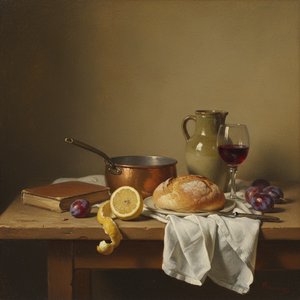
Jean-Baptiste-Siméon Chardin: Master of Still Life & Everyday Elegance
Explore the serene world of Jean-Baptiste-Siméon Chardin, master of still life & genre painting. Discover his revolutionary techniques, enduring legacy, and timeless depictions of everyday elegance. Learn more at OriginalUniqueArt.

Olej na płótnie: Historia, techniki i ponadczasowy urok malarskiego medium
Poznaj historię i techniki malarstwa olejowego! Od renesansowych mistrzów po współczesne zastosowania – wszystko o oleju na płótnie. Poradniki, konserwacja i inspiracje dla pasjonatów sztuki.
Arcydzieła XVIII Wieku: 10 Obrazów, Które Zdefiniowały Epokę | OriginalUniqueArt
Odkryj 10 arcydzieł XVIII wieku! Poznaj historie Watteau, Fragonarda i Canaletta. Reprodukcje obrazów w stylu rokoko i klasycyzmu idealne do Twojego wnętrza. Inspiracje artystyczne na OriginalUniqueArt.com

