Podgląd w skali
 Wyślij jako kartkę
 Udostępnij
 Szczegóły dzieła

 Pobierz
 Podobne obiekty
 RTG
RTG Pokaz slajdów
 Statystyki
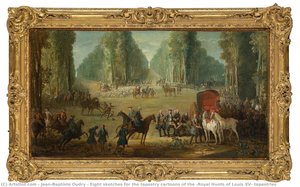
Men Attacking Wolves

 Rozwiń treść
Ręcznie malowana reprodukcja olejowa
Ręcznie malowany obraz olejny na płótnie, wykonany na zamówienie przez naszych artystów w wybranym przez Ciebie wymiarze i oprawie. ( Przełącz na wydruki Przełącz na obraz cyfrowy)




































Wybierz spośród naszych standardowych rozmiarów, które zachowują oryginalne proporcje dzieła sztuki.

Możesz wprowadzić własne wymiary, aby dopasować obraz do konkretnej ramy lub przestrzeni. Jeśli wybrany rozmiar nie będzie odpowiadał proporcjom oryginału, przytniecie dzieło sztuki lub rozszerzymy je o dodatkowe elementy, ręcznie domalowane przez artystę. Przed rozpoczęciem produkcji wyślemy projekt cyfrowy do Twojej akceptacji.
Należy pamiętać, że podgląd na ekranie nie odzwierciedla rzeczywistego przycinania ani rozszerzania obrazu. Tylko projekt dokładnie pokaże ostateczną kompozycję.
Choć oferujemy możliwość zamówienia niestandardowych rozmiarów, zalecamy wybór wymiaru z gotowej listy, aby zachować oryginalne proporcje dzieła.
Po złożeniu zamówienia zespół OriginalUniqueArt.com skontaktuje się z klientem drogą mailową w celu uzyskania instrukcji i prześle wizualizację projektu
Dostawa na całym świecie () w ciągu 3–4 tygodni zamiast standardowych 5 tygodni. (12 Wrzesień). Bez kompromisów w kwestii jakości.

Bezpłatna ekspresowa wysyłka na cały świat

Wysokiej jakości płótno lniane

Pełne ubezpieczenie przesyłki

Gwarancja zwrotu należności celnych i podatków importowych

Gwarancja wiernego odwzorowania kolorów

100-dniowa polityka zwrotów (tylko w przypadku wad)

Gwarancja 100% zwrotu kosztów

Zniżka przy zamówieniu wielu produktów
 Opcja ze szkłem jest dostępna wyłącznie w rozmiarach poniżej 110 cm

Men Attacking Wolves
Technika reprodukcji
Wymiary reprodukcji
-


Cena całkowita
$ 325
O artyście
Jean-Baptiste Oudry: Życie w sztuce
Wczesne lata i kształcenie
- Urodzony: 17 marca 1686 roku w Paryżu, Francja.
- Oudry wywodził się z rodziny o głębokich tradycjach artystycznych; jego ojciec, Jacques Oudray, był malarzem i handlarzem dzieł sztuki, natomiast matka, Nicole Papillon, pozostawała w pokrewieństwie z wybitnym rytownikiem Jean-Baptiste-Michel Papillon.
- Swoją edukację rozpoczął w Académie de Saint-Luc, gdzie w latach 1707–1712 kształcił się pod okiem Nicolas de Largillière. Ten fundamentalny okres uformował jego wczesne umiejętności w zakresie portretu oraz niezwykłą zdolność obserwacji natury.
- Artysta szybko awansował w hierarchii akademickiej, stając się adiunktem w Académie de Saint-Luc w 1714 roku, a już w 1717 roku uzyskał tytuł pełnoprawnego profesora.
Rozwój artystyczny i styl
- Choć początkowo koncentrował się na portretowaniu postaci, Oudry stopniowo rozszerzał swój repertuar, wprowadzając do twórczości martwe natury – szczególnie te przedstawiające owoce i zwierzęta – a także tematykę religijną.
- Jego styl ewoluował w stronę estetyki rokoka, charakteryzującej się elegancją, naturalizmem oraz radosnym, pełnym lekkości przedstawieniem arystokratycznego życia i czasów wolnych.
- Niezwykła dbałość o detal oraz unikalna zdolność do oddawania tekstur i cech charakterystycznych zwierząt stały się znakami rozpoznawczymi jego dzieł.
- Wykazał się mistrzostwem zarówno w malarstwie, jak i projektowaniu, z niezwykłą płynnością przechodząc od tworzenia obrazów na płótnie do projektowania misternych tkanin gobelinowych.
Najważniejsze osiągnięcia i wybitne dzieła
- Pastoralne rozrywki (Les Amusements Champêtres): Seria tkanin zaprojektowanych dla Królewskiej Manufaktury Gobelinów w Beauvais, prezentująca sielankowe sceny z życia wiejskiego i polowań.
- Ludwik XV polujący na jelenia w lesie Saint-Germain (1730): To dzieło ugruntowało reputację Oudry'ego jako oficjalnego malarza królewskich łowów. Obraz ten stanowi doskonały przykład jego umiejętności łączenia majestatu polowania z naturalnym pięknem otaczającej przyrody.
- Królewskie łowy Ludwika XV (Chasses Royales Gobelins): Cykl projektów tkanin dla Manufaktury Gobelins, który jeszcze bardziej umocnił pozycję Oudry'ego jako wybitnego projektanta gobelinów.
- Liczne portrety upolowanej zwierzyny zamawiane przez króla Ludwika XV, które demonstrują jego biegłość w anatomii zwierząt oraz mistrzostwo w kompozycji martwej natury.
Wpływy i dziedzictwo
- Pod wpływem: Nicolas de Largillière odegrał kluczową rolę w wczesnym rozwoju artystycznym Oudry'ego, zapewniając mu solidne podstawy w zakresie techniki malarskiej i portretu.
- Twórczość Oudry'ego wywarła ogromny wpływ na kolejne pokolenia malarzy zwierzęcych oraz projektantów tkanin. Jego naturalistyczny styl i precyzja wyznaczyły nowe standardy w przedstawianiu dzikiej przyrody.
- Wniósł znaczący wkład w sztukę dekoracyjną francuskiego dworu, tworząc luksusowe tkaniny, które zdobiły królewskie rezydencje.
Znaczenie historyczne
- Dzieła Oudry'ego stanowią bezcenne źródło wiedzy o życiu arystokracji w XVIII wieku oraz o roli polowania jako kluczowego elementu rozrywki francuskiej szlachty.
- Jego gobeliny są uznawane za arcydzieła francuskiej sztuki dekoracyjnej, prezentujące kunszt techniczny i artystyczną kreatywność epoki.
- Objęcie prestiżowych stanowisk w Académie Royale de Peinture et de Sculpture potwierdza jego status jako jednego z czołowych artystów swoich czasów.
- Zmarł: 30 kwietnia 1755 roku, pozostawiając po sobie dziedzictwo wykwintnych obrazów i tkanin, które do dziś budzą powszechny zachwyt.

Jean-Baptiste Oudry
1686 - 1755 , Francja
Krótka nota
- Artistic Movement Or Style: Rokoko
- Artists Who Influenced This Artist: ['Nicolas de Largillière']
- Date Of Birth: 17 marca 1686
- Date Of Death: 30 kwietnia 1755
- Full Name: Jean-Baptiste Oudry
- Nationality: Francuz
- Notable Artworks:
- Jamnik Pehr
- Martwa natura z bażantem
- Martwa natura z cielęcym udźcem
- Martwa natura z owocami
- Martwy wilk
- Martwy żuraw
- Nosorożec Clara
- Place Of Birth: Paris, Francja
Powiązane artykuły
Baroque vs. Rococo: A Definitive Guide to High-Drama Shadows and Golden Elegance
Explore the dramatic evolution from Baroque's intense chiaroscuro to Rococo's golden elegance. Our expert guide decodes the shift from high-drama shadows to playful, ornate grace for art enthusiasts and collectors seeking deep historical insight.
Drama & Delight: A Journey Through the Grandeur of Baroque and Rococo Art
Embark on a cultural journey through the dramatic grandeur of Baroque and the delicate grace of Rococo art. Discover the history, techniques, and timeless beauty of these magnificent eras with our expert-led exploration of European masterpieces.

Baroque vs. Rococo: A Definitive Guide to the Drama of Grandeur and the Elegance of Grace
Explore the profound differences between Baroque drama and Rococo elegance. Our expert guide delves into art history, chiaroscuro, and the evolution of European masterpieces for collectors and enthusiasts seeking deep historical context.
Od Grandiozowości do Elegancji: Ewolucja Sztuki Baroku i Rokoka
Odkryj fascynującą ewolucję sztuki baroku i rokoka! Poznaj mistrzów, techniki i dramatyzm epoki. Inspiracje dla dekoracji wnętrz i reprodukcje najwyższej jakości na OriginalUniqueArt.

10 Arcydzieł Grafiki, Które Zrewolucjonizowały Sztukę | OriginalUniqueArt
Odkryj 10 legendarnych arcydzieł grafiki – rytownictwo Rembrandta, Dürera i Goya! Poznaj historię artystów, techniki i wpływ na sztukę. Znajdź idealne reprodukcje obrazów do Twojego wnętrza na OriginalUniqueArt.com