Zobacz w skali 1:1
 Wyślij
 Udostępnij
 Szczegóły
 Przewodnik

 Pobierz plik obrazu
 Podobne obiekty
 RTG
RTG Pokaz slajdów
 Statystyki
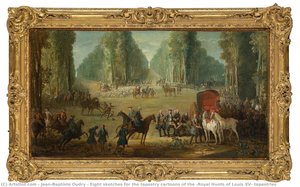
Dog Pointing a Partridge
 Acrylic On Canvas
- WallArt
- Rococo
 1725
1725 129.0 x 162.0 cm
 Muzeum Ermitażu
 Czytaj więcej
Giclée / Wydruk artystyczny
Wydruki giclée lub płótna o jakości muzealnej, szybka realizacja i szeroki wybór opcji wykończenia. ( Kup ręcznie malowany obraz Przełącz na wersję cyfrową)




P118B zł10

P118H zł10

P118W zł10

P438Z zł10

P508JH zł12

P508YH zł12

P805H zł10

P805Z zł10

P919BZ zł10

P919G zł10

P919XJ zł10

P959ZH zł10

P968JZ zł12

W106C zł8

W218G zł10

W218JH zł8

W218Y zł10

W307PJ zł10

W316G zł10

W316PJ zł8

W316Y zł10

W398PJ zł8

W4111J zł10

W500HY zł15

W500JH zł15

W692G zł12

W849H zł8

W940BG zł15

W953PJ zł8




Wybierz spośród naszych standardowych rozmiarów, które zachowują oryginalne proporcje dzieła sztuki.

Wpisz wymaganą szerokość i wysokość, aby dopasować grafikę do ramy lub ściany. Wydruk można jedynie przyciąć, nigdy nie powiększając go poza oryginalny obraz, dlatego format o innym proporcji spowoduje utratę części kompozycji. Przed rozpoczęciem druku prześlemy Ci cyfrowy podgląd do zatwierdzenia. Obraz wyświetlany na tej stronie nie pokazuje rzeczywistego przycięcia — jedynie podgląd oddaje ten efekt.
Dostawa na cały świat () w ciągu 2 tygodni zamiast standardowych 4/5 tygodni. (21 Październik)

Bezpłatna ekspresowa wysyłka na cały świat

Wysokiej jakości płótno lniane

Pełne ubezpieczenie transportowe

Gwarancja zwrotu należności celnych i podatków importowych

Gwarancja idealnego odwzorowania barw

100-dniowy okres na zwrot dzieła w przypadku wykrycia wad produkcyjnych

Gwarancja 100% zwrotu pieniędzy

Oferta przy zakupie wielu sztuk
 Opcja ze szkłem jest dostępna wyłącznie w rozmiarach poniżej 110 cm

Dog Pointing a Partridge
Giclée / Wydruk artystyczny
Rozmiar reprodukcji
-


Suma do zapłaty
zł 304
A Moment of Focused Grace: Oudry’s “Dog Pointing a Partridge”
Jean-Baptiste Oudry's "Dog Pointing a Partridge," painted in 1725, isn’t merely a depiction of a hunt; it’s a distillation of the Rococo spirit – an elegant tableau capturing a fleeting moment of intense concentration and the harmonious relationship between man and animal. The painting immediately draws the eye to the dog, a magnificent specimen of the Pointer breed, utterly absorbed in its task. Its head is lowered, tail held high in anticipation, and posture radiating unwavering focus. This isn’t a clumsy or frantic pursuit; it's a controlled, almost meditative state, suggesting an innate understanding of scent and instinct. The Partridge, perched delicately amongst the grasses, becomes a secondary subject, almost a reward for this dedicated vigilance.
The Rococo Palette and Precise Observation
Oudry’s mastery lies in his meticulous observation and the skillful application of Rococo techniques. The painting is rendered in a remarkably detailed black and white, emphasizing form and texture rather than relying on vibrant color. This monochrome palette was common for hunting scenes at the time, allowing Oudry to concentrate on capturing the nuances of light and shadow – the way it falls across the dog’s fur, the delicate details of the bird's plumage, and the undulating surface of the grass. The brushstrokes are smooth and refined, contributing to a sense of serenity and control. Notice how he uses subtle gradations of tone to create depth and volume, particularly in the dog’s musculature and the surrounding foliage. The composition itself is carefully balanced, with the elements arranged to guide the viewer's eye through the scene – from the rock at the foreground, up to the bird and then back down to the dog.
- Technique: Oil on canvas, demonstrating Oudry’s command of chiaroscuro (light and shadow).
- Composition: Balanced arrangement drawing the eye through the scene.
- Brushwork: Smooth, refined strokes contributing to a sense of serenity.
A Royal Pursuit and Aristocratic Leisure
“Dog Pointing a Partridge” reflects the aristocratic pursuits of 18th-century France, specifically the royal hunt. These scenes weren’t simply records of hunting expeditions; they were carefully constructed displays of wealth, skill, and social status. Oudry was commissioned by figures like Noël-Antoine de Mérou, director of the Royal Beauvais Tapestry Manufactory, to create designs for tapestries depicting similar hunts – a testament to their popularity and importance within courtly life. The painting embodies the Rococo fascination with leisure, elegance, and the idealized depiction of aristocratic pursuits. The dog’s posture speaks volumes about the values of the time: loyalty, discipline, and an appreciation for the natural world—all carefully curated and presented for a discerning audience.
Symbolism and Emotional Resonance
Beyond its technical brilliance, the painting holds symbolic weight. The dog represents not just a hunting tool but also a companion – a loyal friend engaged in a shared activity. The Partridge, often associated with fertility and renewal, adds another layer of meaning to the scene. The overall effect is one of quiet grace and focused intensity. It’s a moment frozen in time, capturing the beauty of nature and the harmonious relationship between man and animal—a timeless image that continues to resonate with viewers today. Reproductions allow us to appreciate Oudry's skill and bring this elegant scene into our own homes, offering a glimpse into the refined world of 18th-century French aristocracy.
Pytania i odpowiedzi
Czy mogę użyć rozszerzonej rzeczywistości, aby zobaczyć „Dog Pointing a Partridge” autorstwa Jean-Baptiste Oudry w swoim pokoju?
Dzieło „Dog Pointing a Partridge” autorstwa Jean-Baptiste Oudry można przymierzyć na własnej ścianie dzięki stronie Podgląd AR, wykorzystując rozszerzoną rzeczywistość na kompatybilnym urządzeniu.
Jaki klimat wprowadziłaby do wnętrza reprodukcja „Dog Pointing a Partridge” autorstwa Jean-Baptiste Oudry?
Elegant atmosfera dzieła „Dog Pointing a Partridge” autorstwa Jean-Baptiste Oudry idealnie współgra z polecaną przestrzenią: jest nią Living Room.
Czy kolory dzieła „Dog Pointing a Partridge” autorstwa Jean-Baptiste Oudry są żywe czy stonowane?
Dzieło „Dog Pointing a Partridge” autorstwa Jean-Baptiste Oudry zostało utrwalone z nasyceniem na poziomie Subtle Color oraz intensywnością Monochromatic.
Biografia artysty
Jean-Baptiste Oudry: Życie w sztuce
Wczesne lata i kształcenie
- Urodzony: 17 marca 1686 roku w Paryżu, Francja.
- Oudry wywodził się z rodziny o głębokich tradycjach artystycznych; jego ojciec, Jacques Oudray, był malarzem i handlarzem dzieł sztuki, natomiast matka, Nicole Papillon, pozostawała w pokrewieństwie z wybitnym rytownikiem Jean-Baptiste-Michel Papillon.
- Swoją edukację rozpoczął w Académie de Saint-Luc, gdzie w latach 1707–1712 kształcił się pod okiem Nicolas de Largillière. Ten fundamentalny okres uformował jego wczesne umiejętności w zakresie portretu oraz niezwykłą zdolność obserwacji natury.
- Artysta szybko awansował w hierarchii akademickiej, stając się adiunktem w Académie de Saint-Luc w 1714 roku, a już w 1717 roku uzyskał tytuł pełnoprawnego profesora.
Rozwój artystyczny i styl
- Choć początkowo koncentrował się na portretowaniu postaci, Oudry stopniowo rozszerzał swój repertuar, wprowadzając do twórczości martwe natury – szczególnie te przedstawiające owoce i zwierzęta – a także tematykę religijną.
- Jego styl ewoluował w stronę estetyki rokoka, charakteryzującej się elegancją, naturalizmem oraz radosnym, pełnym lekkości przedstawieniem arystokratycznego życia i czasów wolnych.
- Niezwykła dbałość o detal oraz unikalna zdolność do oddawania tekstur i cech charakterystycznych zwierząt stały się znakami rozpoznawczymi jego dzieł.
- Wykazał się mistrzostwem zarówno w malarstwie, jak i projektowaniu, z niezwykłą płynnością przechodząc od tworzenia obrazów na płótnie do projektowania misternych tkanin gobelinowych.
Najważniejsze osiągnięcia i wybitne dzieła
- Pastoralne rozrywki (Les Amusements Champêtres): Seria tkanin zaprojektowanych dla Królewskiej Manufaktury Gobelinów w Beauvais, prezentująca sielankowe sceny z życia wiejskiego i polowań.
- Ludwik XV polujący na jelenia w lesie Saint-Germain (1730): To dzieło ugruntowało reputację Oudry'ego jako oficjalnego malarza królewskich łowów. Obraz ten stanowi doskonały przykład jego umiejętności łączenia majestatu polowania z naturalnym pięknem otaczającej przyrody.
- Królewskie łowy Ludwika XV (Chasses Royales Gobelins): Cykl projektów tkanin dla Manufaktury Gobelins, który jeszcze bardziej umocnił pozycję Oudry'ego jako wybitnego projektanta gobelinów.
- Liczne portrety upolowanej zwierzyny zamawiane przez króla Ludwika XV, które demonstrują jego biegłość w anatomii zwierząt oraz mistrzostwo w kompozycji martwej natury.
Wpływy i dziedzictwo
- Pod wpływem: Nicolas de Largillière odegrał kluczową rolę w wczesnym rozwoju artystycznym Oudry'ego, zapewniając mu solidne podstawy w zakresie techniki malarskiej i portretu.
- Twórczość Oudry'ego wywarła ogromny wpływ na kolejne pokolenia malarzy zwierzęcych oraz projektantów tkanin. Jego naturalistyczny styl i precyzja wyznaczyły nowe standardy w przedstawianiu dzikiej przyrody.
- Wniósł znaczący wkład w sztukę dekoracyjną francuskiego dworu, tworząc luksusowe tkaniny, które zdobiły królewskie rezydencje.
Znaczenie historyczne
- Dzieła Oudry'ego stanowią bezcenne źródło wiedzy o życiu arystokracji w XVIII wieku oraz o roli polowania jako kluczowego elementu rozrywki francuskiej szlachty.
- Jego gobeliny są uznawane za arcydzieła francuskiej sztuki dekoracyjnej, prezentujące kunszt techniczny i artystyczną kreatywność epoki.
- Objęcie prestiżowych stanowisk w Académie Royale de Peinture et de Sculpture potwierdza jego status jako jednego z czołowych artystów swoich czasów.
- Zmarł: 30 kwietnia 1755 roku, pozostawiając po sobie dziedzictwo wykwintnych obrazów i tkanin, które do dziś budzą powszechny zachwyt.

Jean-Baptiste Oudry
1686 - 1755 , Francja
Najważniejsze informacje
- Artistic Movement Or Style: Rokoko
- Artists Who Influenced This Artist: ['Nicolas de Largillière']
- Date Of Birth: 17 marca 1686
- Date Of Death: 30 kwietnia 1755
- Full Name: Jean-Baptiste Oudry
- Nationality: Francuz
- Notable Artworks:
- Jamnik Pehr
- Martwa natura z bażantem
- Martwa natura z cielęcym udźcem
- Martwa natura z owocami
- Martwy wilk
- Martwy żuraw
- Nosorożec Clara
- Place Of Birth: Paris, Francja
Zobacz także powiązane artykuły
Zwierzęta w Sztuce: Wprowadzanie Życia do Twojej Przestrzeni
Odkryj fascynujący świat zwierząt w sztuce! Poznaj symbolikę, historię i współczesne interpretacje. Znajdź idealny obraz ze zwierzęciem do swojego wnętrza z .
The Pursuit of Power & Prestige: Hunting Scenes in Western Art
Explore the rich history of hunting scenes in Western art, from royal pursuits to powerful allegories. Discover masterpieces & expert insights for discerning collectors. OriginalUniqueArt offers museum-quality reproductions.

Top 10 arcydzieł epoki rokoka: artyści, historia i dekoracje wnętrz | OriginalUniqueArt.com
Odkryj 10 arcydzieł epoki rokoka! Poznaj Watteau, Boucher’a i Fragonarda – artystów, którzy zdefiniowali ten styl. Inspiracje wnętrzarskie, pastelowe kolory i reprodukcje obrazów najwyższej jakości na OriginalUniqueArt.com. Eksploruj kolekcję online!
Beastly Brushstrokes: A Historical Journey Through Animal Painting & Aesthetic Movements
Explore the rich history of animal painting across cultures & movements. Discover iconic artists, symbolism, collecting trends & expert art consultation at OriginalUniqueArt.com.

Rokokowy przepych: Bunt i rozkosz w sztuce XVIII wieku
Poznaj fascynujący świat rokoka – stylu pełnego wdzięku i przepychu! Odkryj historię, charakterystykę oraz wpływ tego nurtu na sztukę XVIII wieku. Ekspercka analiza i inspiracje dla miłośników historii sztuki.