

 Podgląd w skali 1:1
 Wyślij jako kartkę
 Udostępnij
 Szczegóły dzieła
 Przewodnik

 Pobierz obraz
 Podobne obiekty
 RTG
RTG Pokaz slajdów
 Statystyki
The Spoiled Child

 Rozwiń treść
Ręcznie malowana reprodukcja olejowa
Ręcznie malowany obraz olejny na płótnie, wykonany na zamówienie przez naszych artystów w wybranym przez Ciebie wymiarze i oprawie. ( Przełącz na wydania drukowane Przejdź do wersji cyfrowej)




P118B zł10

P118H zł10

P118W zł10

P438Z zł10

P508JH zł12

P508YH zł12

P805H zł10

P805Z zł10

P919BZ zł10

P919G zł10

P919XJ zł10

P959ZH zł10

P968JZ zł12

W106C zł8

W218G zł10

W218JH zł8

W218Y zł10

W307PJ zł10

W316G zł10

W316PJ zł8

W316Y zł10

W398PJ zł8

W4111J zł10

W500HY zł15

W500JH zł15

W692G zł12

W849H zł8

W940BG zł15

W953PJ zł8




Wybierz spośród naszych standardowych rozmiarów, które zachowują oryginalne proporcje dzieła sztuki.

Wpisz wymaganą szerokość i wysokość, aby obraz pasował do Twojej ramy lub ściany. Ponieważ jest to dzieło malowane ręcznie, w przypadku rozmiaru o innych proporcjach artysta może domalować nieco więcej wokół obrazu lub przyciąć jego fragmenty — wybór należy do Ciebie. Przed rozpoczęciem pracy prześlemy Ci cyfrową wizualizację do zatwierdzenia. Obraz widoczny na tej stronie nie przedstawia rzeczywistego efektu — jedynie wizualizacja oddaje realny rezultat.
Po złożeniu zamówienia zespół OriginalUniqueArt.com skontaktuje się z klientem drogą mailową w celu uzyskania instrukcji i prześle wizualizację projektu
Dostawa na całym świecie () w ciągu 3–4 tygodni zamiast standardowych 5 tygodni. (25 Październik). Bez kompromisów w kwestii jakości.

Bezpłatna ekspresowa wysyłka na cały świat

Wysokiej jakości płótno lniane

Pełne ubezpieczenie przesyłki

Gwarancja zwrotu należności celnych i podatków importowych

Gwarancja wiernego odwzorowania kolorów

100-dniowa polityka zwrotów (tylko w przypadku wad)

Gwarancja 100% zwrotu pieniędzy

Zniżka przy zakupie wielu sztuk
 Opcja ze szkłem jest dostępna wyłącznie w rozmiarach poniżej 110 cm

The Spoiled Child
Technika reprodukcji
Wymiary reprodukcji
-


Cena całkowita
zł 1151
Biografia artysty
Jean-Baptiste Greuze: A Life Etched in Sentiment
Jean-Baptiste Greuze, a name synonymous with the poignant and morally charged genre paintings of the late 18th century, was born in Tournus, a small Burgundian town steeped in history, on August 21st, 1725. His early life, far from the grand salons of Parisian art, was shaped by his father’s profession as a roofer – a humble background that would profoundly influence the themes and subjects he later explored through his brushstrokes. Initially discouraged from pursuing artistic endeavors, young Greuze found an unexpected mentor in Grandon, a Lyon artist who recognized within him a nascent talent deserving of cultivation. This early guidance proved pivotal, leading to studies first in Lyon and then, crucially, at the prestigious Royal Academy in Paris under Charles-Joseph Natoire – an institution that would ultimately shape his artistic trajectory, though not always in ways he desired. It was within these hallowed halls that Greuze began to hone his skills, developing a distinctive style characterized by its intense emotionality and meticulous attention to detail.The Rise of a Genre Painter
Greuze’s breakthrough arrived with breathtaking speed in 1755, with the unveiling of *Le Père de famille expliquant la Bible à ses enfants* (The Father Explaining the Bible to His Children). This wasn't merely a depiction of domestic life; it was an embodiment of Enlightenment ideals – a powerful statement on familial piety and moral instruction. The painting resonated deeply with contemporary audiences, capturing a spirit of bourgeois virtue that was rapidly gaining prominence within French society. Remarkably, this work was acquired by the discerning collector Ange-Laurent de La Live de Jully, catapulting Greuze to immediate fame. He swiftly followed this success with a series of further genre scenes – intimate glimpses into everyday life imbued with profound emotional depth and subtle moral undertones. These weren’t grand historical narratives or mythological allegories; instead, they focused on the lives of ordinary people—peasants, mothers, children—and explored themes of love, loss, poverty, and redemption. A journey to Italy in 1755, undertaken with his patron Abbé Louis Gougenot, broadened his artistic horizons, exposing him to the works of the Old Masters and influencing his technique. However, he ultimately found greater inspiration not in classical antiquity but in the realities of French society – its struggles, its joys, and its inherent complexities. His ability to evoke genuine feeling—joy, sorrow, remorse—set him apart from many of his contemporaries and firmly established him as a leading figure in the emerging Rococo style, albeit one with a distinctly moralizing bent.Mastering Emotion and Moral Narrative
Greuze’s artistic strength lay not just in technical skill but in his profound understanding of human psychology and his ability to translate that understanding onto canvas. His paintings are characterized by an almost theatrical intensity—a heightened sense of drama and emotion that draws the viewer into the scene. Works like *La Jeune Fille qui pleure son oiseau mort* (The Young Girl Weeping for Her Dead Bird) and *Savoyard with a Dancing Doll* exemplify this mastery, demonstrating his remarkable talent for capturing subtle nuances of expression and conveying inner turmoil with breathtaking sensitivity. He possessed an extraordinary ability to depict the vulnerability of childhood, the heartbreak of loss, and the complexities of human relationships—all within the confines of seemingly simple domestic settings. His compositions were often carefully staged, utilizing dramatic lighting, expressive gestures, and meticulously rendered details to heighten emotional impact. Crucially, Denis Diderot, a leading intellectual of the Enlightenment, became a fervent champion of Greuze’s work, praising his ability to depict “morality in paint.” This recognition solidified Greuze's position as a significant voice within the artistic landscape of his time.The Shifting Sands of Recognition and Later Works
Despite this initial success, Greuze faced considerable challenges throughout his career. He aspired to be recognized as a history painter – the most prestigious category within the Academy – and attempted a transition with *Septimius Severus Reproaching Caracalla* (1769). This ambitious work, depicting the Roman emperor’s confrontation with his son, was met with harsh criticism from the established academic establishment. The painting's lack of adherence to classical conventions and its somewhat unsettling emotional intensity ultimately led to Greuze’s rejection by the Academy – a devastating blow that profoundly affected him. He was subsequently accepted only as a genre painter, a decision that deeply wounded his pride and marked a turning point in his artistic trajectory. In the years following this setback, Greuze's work began to shift in tone, exploring themes of seduction, moral transgression, and social injustice with increasing boldness. These paintings, while technically proficient, often lacked the emotional resonance and moral clarity of his earlier masterpieces. He became increasingly reclusive and embittered, retreating from public life and struggling financially.A Lasting Legacy
Despite this decline in fortune and recognition, Jean-Baptiste Greuze’s influence on French art remains undeniable. He pioneered a new form of genre painting that focused on contemporary life and explored universal human emotions—a departure from the traditional historical and mythological subjects favored by the Academy. His work paved the way for later artists who sought to depict the realities of everyday existence with honesty, sensitivity, and a profound understanding of the human condition. Greuze’s legacy endures not only through his paintings themselves but also through their ability to evoke powerful emotions in viewers centuries after they were created. He left behind a body of work that continues to captivate audiences with its emotional power, technical brilliance, and enduring relevance—a testament to the genius of an artist who dared to paint the complexities of human experience.Key Works & Their Significance
- Le Père de famille expliquant la Bible à ses enfants (1755): A cornerstone of his early success, embodying Enlightenment ideals of familial piety.
- La Jeune Fille qui pleure son oiseau mort (c. 1765): Demonstrates Greuze’s mastery of emotional expression and poignant storytelling.
- Savoyard with a Dancing Doll (c. 1763): Captures the spirit and vulnerability of childhood, showcasing his skill in portraiture.
- Septimius Severus Reproaching Caracalla (1769): A failed attempt at historical painting that highlighted his strengths lay elsewhere.
- The Broken Pitcher (c. 1770s): Represents a shift towards more sensual and morally ambiguous themes in his later work.

Jean-Baptiste Greuze
1725 - 1805 , Francja
Krótka nota
- Artistic Movement Or Style: Rokoko, Malarstwo rodzajowe
- Artists Or Movements Influenced By This Artist: ['Holenderskie malarstwo rodzajowe']
- Artists Who Influenced This Artist: ['Grondom (Grandon)']
- Date Of Birth: 1725
- Date Of Death: 1805
- Full Name: Jean-Baptiste Greuze
- Nationality: Francuz
- Notable Artworks:
- Ojciec tłumaczący Biblię
- Młoda dziewczyna płacząca nad martwym ptakiem
- Savoyard z tańczącą lalką
- Place Of Birth: Tournus, Francja
Powiązane artykuły

Illuminating the Enlightenment: A Comprehensive Exploration of 18th-Century Painting
Explore the captivating world of 18th-century painting! Discover Rococo's playful elegance & Neoclassicism’s Enlightenment ideals with expert insights into Fragonard, David, and more. A comprehensive guide for art enthusiasts.
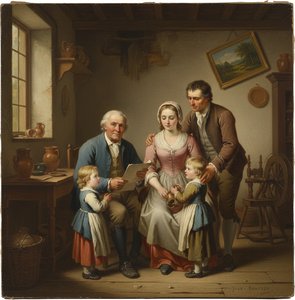
Jean-Baptiste Greuze: Morality, Sentiment & the Rise of Genre Painting
Explore the life & art of Jean-Baptiste Greuze, a pivotal French Rococo painter renowned for his emotionally resonant genre scenes and moral lessons. Discover his legacy & impact on 18th-century art history.

Top 10 arcydzieł epoki rokoka: artyści, historia i dekoracje wnętrz | OriginalUniqueArt.com
Odkryj 10 arcydzieł epoki rokoka! Poznaj Watteau, Boucher’a i Fragonarda – artystów, którzy zdefiniowali ten styl. Inspiracje wnętrzarskie, pastelowe kolory i reprodukcje obrazów najwyższej jakości na OriginalUniqueArt.com. Eksploruj kolekcję online!
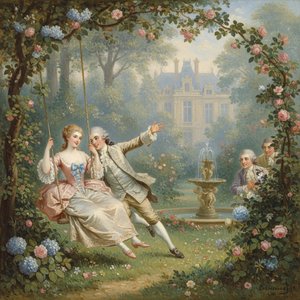
The Rococo Reverie of Fragonard: Love, Leisure & Pleasure in 18th-Century France
Explore the captivating world of Jean-Honoré Fragonard! Discover his Rococo masterpieces, intimate portraits & the allure of 18th-century French art. Learn about 'The Progress of Love' and more at OriginalUniqueArt.

Rokokowy przepych: Bunt i rozkosz w sztuce XVIII wieku
Poznaj fascynujący świat rokoka – stylu pełnego wdzięku i przepychu! Odkryj historię, charakterystykę oraz wpływ tego nurtu na sztukę XVIII wieku. Ekspercka analiza i inspiracje dla miłośników historii sztuki.