
 Wyślij
 Udostępnij
 Szczegóły
 Przewodnik

 Pobierz plik obrazu
 Podobne obiekty
 Pokaz slajdów
 Statystyki
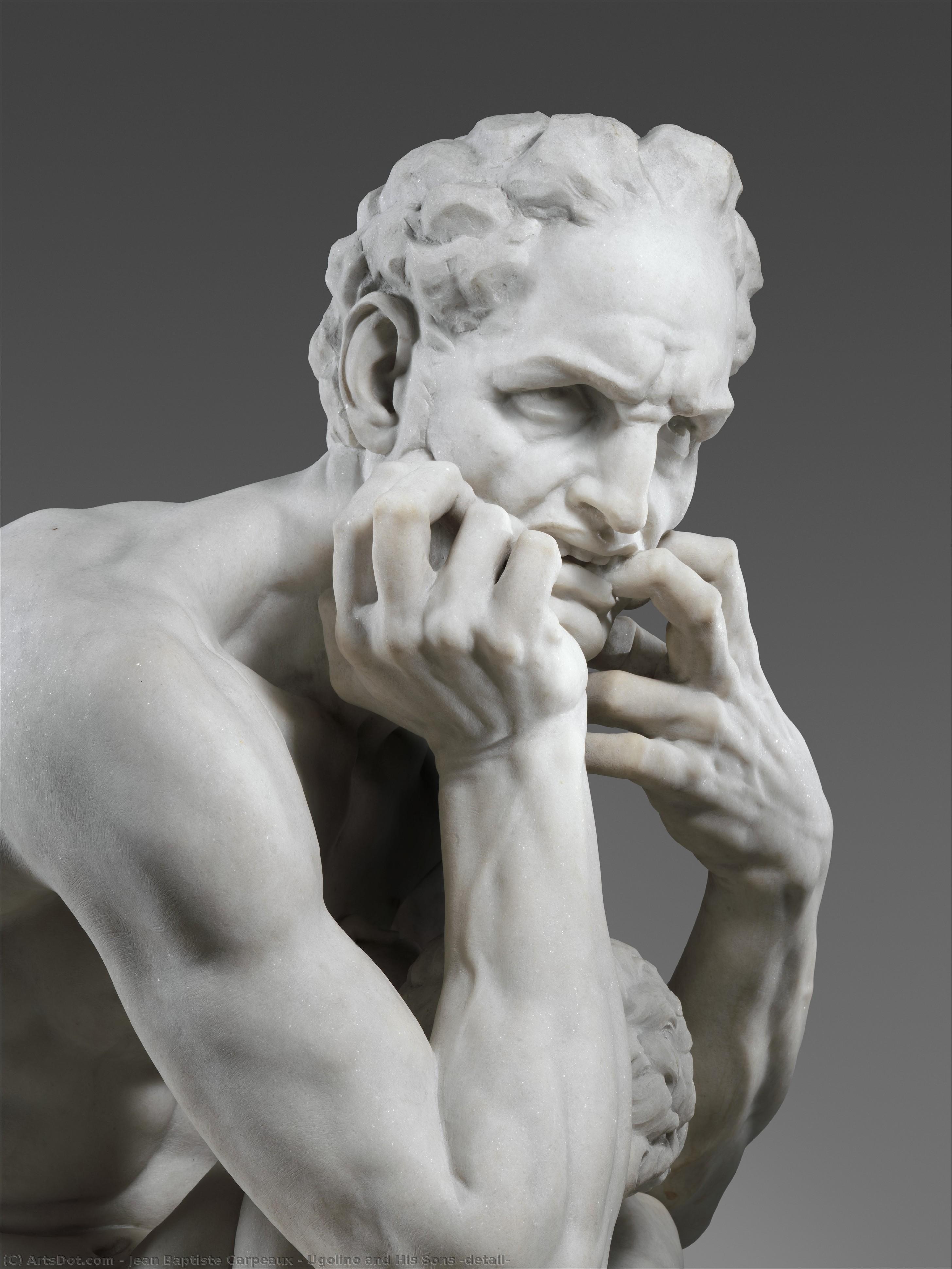
Ugolino and His Sons (detail)


 Czytaj więcej
Giclée / Wydruk artystyczny
Wydruki giclée lub płótna o jakości muzealnej, szybka realizacja i szeroki wybór opcji wykończenia. ( Kup ręcznie malowany obraz Przełącz na wersję cyfrową)




































Wybierz spośród naszych standardowych rozmiarów, które zachowują oryginalne proporcje dzieła sztuki.

Możesz wprowadzić własne wymiary, aby dopasować dzieło do konkretnej ramy lub przestrzeni. Jeśli wybrany rozmiar nie będzie odpowiadał proporcjom oryginalnego obrazu, przytniecie dzieło lub rozszerzymy obraz za pomocą odbicia lustrzanego lub jednolitego wypełnienia krawędzi. Przed rozpoczęciem produkcji prześlemy cyfrową wizualizację do Twojej akceptacji.
Prosimy pamiętać, że podgląd na ekranie nie odzwierciedla faktycznego przycinania ani rozszerzania. Tylko wizualizacja dokładnie pokaże końcową kompozycję.
Mimo dostępności niestandardowych rozmiarów, zalecamy wybór wymiaru z listy zdefiniowanej, aby zachować oryginalne proporcje.
Dostawa na cały świat () w ciągu 2 tygodni zamiast standardowych 4/5 tygodni. (27 Wrzesień)

Bezpłatna ekspresowa wysyłka na cały świat

Wysokiej jakości płótno lniane

Pełne ubezpieczenie transportowe

Gwarancja zwrotu należności celnych i podatków importowych

Gwarancja idealnego odwzorowania barw

100-dniowy okres na zwrot dzieła w przypadku wykrycia wad produkcyjnych

Gwarancja 100% zwrotu pieniędzy

Oferta przy zakupie wielu sztuk
 Opcja ze szkłem jest dostępna wyłącznie w rozmiarach poniżej 110 cm

Ugolino and His Sons (detail)
Giclée / Wydruk artystyczny
Rozmiar reprodukcji
-


Suma do zapłaty
$ 80
A Symphony of Suffering in Marble
In the realm of nineteenth-century sculpture, few works command the viewer's attention with such visceral intensity as Jean-Baptiste Carpeaux’s Ugolino and His Sons. Created in 1865, this masterpiece serves as a profound window into the Romantic movement’s obsession with psychological depth and the raw, unvarnished truth of human suffering. The sculpture draws its harrowing inspiration from Canto XXXIII of Dante Alighieri’s Inferno, recounting the tragic fate of the Florentine noble Ugolino della Gherardesca. Imprisoned within the Torre dei Giganti alongside his children, Ugolino is forced to endure a slow, agonizing starvation—a narrative that Carpeaux translates from the written word into a palpable, breathing form of white marble.
To gaze upon this work is to witness a moment frozen in time, where the boundaries between stone and flesh seem to dissolve. The sculpture does not merely depict a historical or literary figure; it embodies the very essence of despair. Through his masterful command of the medium, Carpe a captures the heavy, suffocating atmosphere of the prison cell, inviting collectors and art enthusiasts alike to contemplate the fragility of the human spirit when faced with insurmountable tragedy.
The Mastery of Realism and Form
Carpeaux’s technical prowess is on full display in the meticulous execution of this piece. Departing from the polished, idealized perfection of Neoclassical traditions, Carpeaux embraced a burgeoning Realism that prioritized anatomical accuracy and expressive movement. The sculptor utilized the luminous qualities of Carrara marble to create a striking contrast between light and shadow, breathing life into the musculature of Ugolino’s torso and the intricate textures of his hair. Every furrow in the brow and every tension in the hands is rendered with such precision that the stone appears almost soft, capturing the tactile reality of skin and bone.
The composition is intentionally intimate, often focusing on the upper torso and head to direct the viewer’s gaze toward the emotional epicenter of the drama. By employing a dynamic, slightly angled perspective, Carpeaux allows the light to dance across the sculpted surfaces, revealing both the profile and frontal aspects of the figure. This technique enhances the sense of three-dimensionality, making the sculpture feel as though it is emerging from its own shadows. For those seeking to incorporate such a profound piece into a curated collection or an elegantly designed interior, the work offers a sophisticated interplay of texture and form that serves as a powerful focal point.
Symbolism and Emotional Resonance
Beyond its technical brilliance, Ugolino and His Sons is a profound study in symbolism. The posture of the figure—hands clasped around the chin in a gesture of profound contemplation and grief—serves as a universal symbol of internal struggle and hopelessness. The way the marble captures the hollows of the face suggests the physical toll of famine, while the heavy, organic shapes of the anatomy reflect the weight of the protagonist's psychological torment. It is a work that speaks to the eternal themes of betrayal, loss, and the endurance of parental love amidst catastrophe.
For the discerning decorator or art lover, a high-quality reproduction of this sculpture offers more than just aesthetic beauty; it brings an atmosphere of intellectual depth and historical gravity to any space. The monochromatic elegance of the white marble allows it to integrate seamlessly into diverse design palettes, whether in a classical study or a contemporary gallery setting. Carpeaux’s ability to transform a moment of literary horror into a sublime object of contemplation ensures that this work remains as captivating today as it was during the Second Empire of France.
Biografia artysty
A Life Sculpted in Passion: The World of Jean-Baptiste Carpeaux
Jean-Baptiste Carpeaux, a name synonymous with dynamism and emotional depth in 19th-century French sculpture, emerged from humble beginnings to become one of the most celebrated artists of his time. Born in Valenciennes in 1827, the son of a mason, Carpeaux’s early life was steeped in the physicality of craftsmanship – an influence that would profoundly shape his artistic sensibility. This grounding in tangible creation fostered a deep understanding of materials and form, setting the stage for a career defined by its tactile realism and expressive power. His initial training under François Rude, famed for his dramatic reliefs on the Arc de Triomphe, provided a solid foundation in classical technique, but it was at the École des Beaux-Arts that Carpeaux truly began to hone his unique vision. The academic rigor of the school, combined with his innate talent, propelled him towards winning the prestigious Prix de Rome in 1854 – a pivotal moment that would send him on a transformative journey to Italy.Roman Reveries and the Birth of a New Style
The years Carpeaux spent in Rome were crucial in his artistic development. Immersed in the masterpieces of Michelangelo, Donatello, and Verrocchio, he absorbed their mastery of anatomy, composition, and emotional intensity. However, rather than simply imitating these Renaissance giants, Carpeaux began to forge his own path, rejecting the rigid formality that characterized much of Neoclassical sculpture. He sought a more fluid, spontaneous approach, one that captured the energy and vitality of life itself. This shift was evident in works like *Pêcheur napolitain à la coquille* (Neapolitan Fisherboy), created during this period. The sculpture, depicting a young boy with a shell, is remarkable for its naturalism and sense of movement – qualities that would become hallmarks of Carpeaux’s style. It wasn't merely a representation of a figure; it was an embodiment of youthful exuberance and carefree joy. This work garnered significant attention upon its exhibition in Paris, establishing Carpeaux as a rising star and securing commissions from Empress Eugénie herself. He experimented with looser modeling techniques, prioritizing capturing the essence of movement over strict adherence to idealized forms. His studies focused on observing everyday life, particularly the interactions between people, which he then translated into dynamic sculptural compositions.Triumph and Turmoil: The Second Empire Years
Carpeaux’s talent flourished during the Second Empire under Napoleon III, an era characterized by artistic innovation and grand public projects. He became a favorite of the imperial court, receiving numerous commissions for portraits and monumental sculptures. His work on the façade of the Opéra Garnier in Paris, *La Danse*, remains one of his most iconic achievements. This high-relief sculpture is a breathtaking display of dynamic movement and graceful forms, depicting figures caught in a swirling vortex of energy. The subject matter – dancers celebrating life’s joys – was deliberately provocative for its time, challenging the prevailing conservative sensibilities. Despite the initial outrage from some critics who deemed it indecent, *La Danse* cemented Carpeaux’s reputation as a bold and innovative artist, unafraid to push boundaries and challenge conventions. Other significant works from this period include *Ugolino and His Sons*, a harrowing depiction of Dante's tragic tale of starvation and despair, showcasing his ability to convey profound emotional depth through sculpted form. The sculpture powerfully illustrates the devastating consequences of human suffering and desperation, demonstrating Carpeaux’s capacity for both dramatic intensity and poignant empathy.Influences and Techniques
Carpeaux’s artistic style was a complex synthesis of influences. While deeply rooted in classical tradition – particularly the works of Michelangelo and Donatello – he also drew inspiration from Baroque sculpture, embracing its dynamism, theatricality, and emotional expressiveness. He admired the dramatic gestures and intense emotions conveyed by artists like Bernini. His training under François Rude instilled in him a strong sense of narrative and a talent for creating monumental relief sculptures. However, Carpeaux ultimately developed his own distinctive style, characterized by a remarkable ability to capture movement and emotion with unparalleled realism. His technique involved meticulous study of anatomy, combined with an intuitive understanding of how to translate three-dimensional forms into compelling visual narratives. He frequently employed *terracotta* as his primary medium, allowing for a rich texture and expressive surface quality. He was also proficient in working with *bronze*, creating dynamic sculptures that captured the essence of movement and gesture.A Legacy Forged in Movement and Emotion
Despite facing financial difficulties and health challenges in later life, Carpeaux continued to create until his untimely death in 1875. His influence on subsequent generations of sculptors is undeniable. He broke away from the constraints of academic tradition, embracing a more naturalistic and expressive style that paved the way for artists like Auguste Rodin, who acknowledged Carpeaux as a key precursor. Rodin’s own dynamic figures owe a considerable debt to Carpeaux's pioneering efforts in capturing movement and emotion in three dimensions. Carpeaux’s emphasis on realism, combined with his ability to infuse his works with psychological depth, resonated deeply with artists seeking to move beyond mere imitation and explore the complexities of the human experience. His students – including Jules Dalou, Jean-Louis Forain, and Olin Levi Warner – carried forward his legacy, further expanding the boundaries of sculptural expression. Today, Carpeaux’s sculptures are displayed in prominent museums around the world, serving as a testament to his enduring artistic vision and his profound impact on the history of sculpture. His work continues to captivate audiences with its raw emotion, dynamic energy, and timeless beauty.
Jean-Baptiste Carpeaux
1827 - 1875 , Francja
Najważniejsze informacje
- Artistic Movement Or Style: Realizm, Naturalizm
- Artists Or Movements Influenced By This Artist: ['Rodin']
- Artists Who Influenced This Artist:
- Rudo
- Michelangelo
- Date Of Birth: 1827
- Date Of Death: 1875
- Full Name: Jean-Baptiste Carpeaux
- Nationality: Francuz
- Notable Artworks:
- La Danse
- Ugolino
- Rycerz
- Place Of Birth: Walenciennes, Francja
Zobacz także powiązane artykuły

Trwałe Formy: Ewolucja Technik i Tematów w Rzeźbie Przez Wieki – Od Antyku do Renesansu
Poznaj fascynującą historię rzeźby od antyku do renesansu! Odkryj techniki, wybitnych artystów i wpływ na współczesną sztukę. Ekspercka analiza dla kolekcjonerów i miłośników.

Jean-Baptiste Carpeaux: Sculpting Passion & Controversy in 19th-Century France
Explore the passionate life & controversial works of Jean-Baptiste Carpeaux, a leading French sculptor of the Second Empire. Discover his realism, iconic sculptures like 'Ugolino,' and lasting legacy as a precursor to Rodin.

Trwała Forma: Rzeźba w Historii – Technika i Rezonans Emocjonalny
Poznaj historię rzeźby od antyku do współczesności! Ekspercka analiza technik, stylów i emocjonalnego wpływu arcydzieł. Inspiracje dla kolekcjonerów i miłośników sztuki.

Dante Gabriel Rossetti: 25 Arcydzieł Pełnych Pasji i Symboliki | OriginalUniqueArt
Odkryj 25 najpiękniejszych obrazów Dante Gabriela Rossettiego! Poznaj historię, symbolikę i techniki prerafaelitów. Reprodukcje najwyższej jakości do Twojego wnętrza – OriginalUniqueArt.

10 Legendarnych Brązów Rzeźbiarskich, Które Zmieniły Sztukę | OriginalUniqueArt
Odkryj 10 legendarnych rzeźb brązowych od Rodina, Degasa i innych mistrzów! Poznaj historię powstania arcydzieł sztuki i inspiruj się do dekoracji wnętrz. Reprodukcje najwyższej jakości na OriginalUniqueArt.com – zobacz kolekcję!