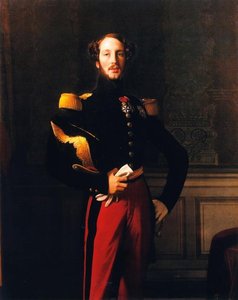
Zobacz w skali 1:1
 Wyślij
 Udostępnij
 Szczegóły
 Przewodnik

 Pobierz plik obrazu
 Podobne obiekty
 RTG
RTG Pokaz slajdów
 Statystyki
The Source
 Olej na płótnie
- Sztuka ścienna
- Neoclassical Precision
 1820
1820 83.0 x 163.0 cm
 Muzeum d’Orsay
 Czytaj więcej
Giclée / Wydruk artystyczny
Wydruki giclée lub płótna o jakości muzealnej, szybka realizacja i szeroki wybór opcji wykończenia. ( Kup ręcznie malowany obraz Przełącz na wersję cyfrową)




P118B zł10

P118H zł10

P118W zł10

P438Z zł10

P508JH zł12

P508YH zł12

P805H zł10

P805Z zł10

P919BZ zł10

P919G zł10

P919XJ zł10

P959ZH zł10

P968JZ zł12

W106C zł8

W218G zł10

W218JH zł8

W218Y zł10

W307PJ zł10

W316G zł10

W316PJ zł8

W316Y zł10

W398PJ zł8

W4111J zł10

W500HY zł15

W500JH zł15

W692G zł12

W849H zł8

W940BG zł15

W953PJ zł8




Wybierz spośród naszych standardowych rozmiarów, które zachowują oryginalne proporcje dzieła sztuki.

Możesz wprowadzić własne wymiary, aby dopasować dzieło do konkretnej ramy lub przestrzeni. Jeśli wybrany rozmiar nie będzie odpowiadał proporcjom oryginalnego obrazu, przytniecie dzieło lub rozszerzymy obraz za pomocą odbicia lustrzanego lub jednolitego wypełnienia krawędzi. Przed rozpoczęciem produkcji prześlemy cyfrową wizualizację do Twojej akceptacji.
Prosimy pamiętać, że podgląd na ekranie nie odzwierciedla faktycznego przycinania ani rozszerzania. Tylko wizualizacja dokładnie pokaże końcową kompozycję.
Mimo dostępności niestandardowych rozmiarów, zalecamy wybór wymiaru z listy zdefiniowanej, aby zachować oryginalne proporcje.
Dostawa na cały świat () w ciągu 2 tygodni zamiast standardowych 4/5 tygodni. (4 Październik)

Bezpłatna ekspresowa wysyłka na cały świat

Wysokiej jakości płótno lniane

Pełne ubezpieczenie transportowe

Gwarancja zwrotu należności celnych i podatków importowych

Gwarancja idealnego odwzorowania barw

100-dniowy okres na zwrot dzieła w przypadku wykrycia wad produkcyjnych

Gwarancja 100% zwrotu pieniędzy

Oferta przy zakupie wielu sztuk
 Opcja ze szkłem jest dostępna wyłącznie w rozmiarach poniżej 110 cm

The Source
Giclée / Wydruk artystyczny
Rozmiar reprodukcji
-


Suma do zapłaty
zł 297
A Vision of Classical Grace: Ingres’ “The Source”
Jean-Auguste-Dominique Ingres' "The Source," painted in 1856, is more than simply a depiction of a nude figure; it’s an embodiment of Neoclassical ideals—a testament to the enduring power of line, form, and idealized beauty. This monumental canvas, currently residing within the hallowed halls of the Musée d'Orsay in Paris, invites viewers into a world where nature and human grace converge with breathtaking serenity. The painting immediately establishes a sense of timelessness, echoing the grandeur of ancient Greek sculpture while simultaneously hinting at the burgeoning sensuality that would define Ingres’ later work.
At its heart lies a woman, positioned with deliberate poise within a dark, verdant landscape. Her posture is remarkably stable, almost statuesque – a conscious reference to classical contrapposto, where weight is shifted subtly to create a dynamic yet balanced form. The raised arm, holding what appears to be a pitcher or jug, draws the eye upward, suggesting an offering, a connection to the source of life itself. Her gaze, direct and unwavering, establishes an intimate dialogue with the viewer, inviting us into her private world.
The Language of Line and Light
Ingres’ mastery lies not just in his anatomical accuracy but also in his meticulous control of line and light. The painting is executed in oil paint on a large canvas, demonstrating Ingres' preference for detailed rendering and smooth transitions between tones. Notice the subtle gradations of color – the deep greens and browns of the foliage contrasting with the luminous flesh tones of the figure. He employs a diffused lighting technique that softens the forms, creating an atmosphere of quiet contemplation rather than stark realism. The shadows are carefully sculpted, adding depth and volume to the scene without sacrificing clarity.
The artist’s approach is distinctly sculptural; one can almost feel the solidity of the figure emerging from the surrounding landscape. This influence stems partly from Ingres' deep admiration for ancient sculpture, particularly the works of Canova. He sought to capture not just a likeness but also the *essence* of the human form – its strength, beauty, and inherent dignity.
Symbolism and Context
"The Source" was created during a period of significant artistic and intellectual ferment in France. Following the Romantic movement’s emphasis on emotion and individualism, Ingres championed a return to classical principles—a deliberate reaction against what he perceived as the excesses of Romanticism. The title itself – “The Source” – is laden with symbolic weight. It represents not just a physical spring or stream but also a wellspring of life, beauty, and inspiration. The woman’s act of offering water can be interpreted as an invocation to this source, a plea for nourishment and renewal.
Interestingly, the painting was begun in 1820 but not fully completed until 1856, with assistance from two of Ingres' pupils. This extended timeframe reflects the artist’s painstaking attention to detail and his willingness to revisit and refine his work over many years. The Musée d'Orsay notes that this process influenced the treatment of the nymph, giving her a “immobility of a marble statue,” highlighting Ingres’ deliberate intention to evoke classical forms.
A Timeless Masterpiece for Your Space
OriginalUniqueArt offers exquisite, hand-painted reproductions of "The Source," allowing you to bring this iconic masterpiece into your home or office. Our skilled artisans meticulously recreate Ingres' nuanced techniques and delicate color palette, ensuring that every detail is faithfully reproduced with exceptional quality. Whether you’re an art collector, a design enthusiast, or simply someone who appreciates timeless beauty, a OriginalUniqueArt reproduction of “The Source” will serve as a stunning focal point – a constant reminder of the enduring power of classical art.
Explore our range of sizes and framing options to find the perfect representation of this extraordinary work. Discover “The Source” today on OriginalUniqueArt!
Pytania i odpowiedzi
Jak opisany jest nastrój dzieła „The Source” autorstwa Jean-Auguste-Dominique Ingres?
Nastrój dzieła „The Source” autorstwa Jean-Auguste-Dominique Ingres opisuje się jako Pełen spokoju. Klasyfikacja ta może pomóc w dopasowaniu pracy do konkretnego wnętrza.
Ile lat miał Jean-Auguste-Dominique Ingres, gdy powstało dzieło „The Source”?
Jean-Auguste-Dominique Ingres miał 40 lat, tworząc „The Source” w 1820. Wiek ten został obliczony na podstawie roku urodzenia artysty, 1780.
Do jakiego stylu należy "The Source"?
„The Source” autorstwa Jean-Auguste-Dominique Ingres należy do nurtu Neoclassical Precision. Nurt ten stanowi stylistyczny kontekst dzieła.
Któremu artyście przypisuje się "The Source"?
„The Source” zostało stworzone przez Jean-Auguste-Dominique Ingres. Informacje na tej stronie opisują oryginalne dzieło autorstwa Jean-Auguste-Dominique Ingres.
Do którego okresu twórczości Jean-Auguste-Dominique Ingres należy dzieło „The Source”?
W dorobku artystycznym Jean-Auguste-Dominique Ingres, dzieło „The Source” przypada na Mature Period. Ten etap pozwala na zestawienie go z innymi pracami twórcy.
Jaki to rodzaj dzieła: "The Source"?
W katalogu dzieło „The Source” autorstwa Jean-Auguste-Dominique Ingres zostało sklasyfikowane jako Sztuka ścienna. Kategoria ta ułatwia odnajdywanie podobnych prac.
W którym roku powstało „The Source” autorstwa Jean-Auguste-Dominique Ingres?
Powstanie „The Source” autorstwa Jean-Auguste-Dominique Ingres datuje się na 1820.
Biografia artysty
A Legacy of Line and Form: The World of Jean-Auguste-Dominique Ingres
Jean-Auguste-Dominique Ingres, a name synonymous with Neoclassical precision and an almost sculptural approach to painting, occupies a unique position in the history of art. Born in Montauban, France, in 1780, his artistic journey was one of unwavering dedication to classical ideals, tempered by a burgeoning sensuality and a willingness to challenge convention. Ingres wasn’t merely replicating the past; he was engaging in a profound dialogue with it, forging a style that would both define an era and anticipate the revolutions to come. His work stands as a testament to the power of line, form, and idealized beauty—qualities that continue to captivate viewers centuries later.Early Influences and Artistic Training
Ingres’s artistic sensibilities were nurtured from a remarkably young age. His father, Jean-Marie-Joseph Ingres, was himself an artist and sculptor, instilling in Dominique a deep appreciation for form and technique—a foundation built upon meticulous observation and a love of the visual world. This early exposure to art was further solidified by his studies at the Académie Royale de Peinture, Sculpture et Architecture in Toulouse, under the guidance of Guillaume-Joseph Roques. However, it was his move to Paris in 1797 and subsequent apprenticeship with Jacques-Louis David, the leading figure of Neoclassicism, that truly shaped his artistic trajectory. David imparted a rigorous discipline—a focus on line, form, and historical subject matter—principles that would remain central to Ingres’s work throughout his career. The influence of David is undeniable, yet Ingres ultimately developed a distinct style, one characterized by a subtle sensuality and psychological depth that set him apart from his mentor.The Pursuit of Ideal Beauty and Early Masterpieces
Ingres' artistic philosophy was profoundly rooted in admiration for the Italian Renaissance masters—Raphael, in particular, served as a constant source of inspiration. He believed in the power of line to define form and convey emotion, striving for an idealized beauty that transcended mere representation. This pursuit is vividly evident in his early works, such as *The Ambassadors of Agamemnon in the Tent of Achilles* (1801), which earned him the prestigious Prix de Rome. The painting showcases Ingres’s meticulous attention to detail, precise draftsmanship, and a clear narrative focus—hallmarks of Neoclassical style. The composition is remarkably balanced, the figures rendered with an almost sculptural quality, reflecting Ingres's fascination with classical antiquity. This early success established him as a rising star in the Parisian art scene, setting the stage for his subsequent explorations of form and beauty.Beyond Raphael: Experimentation and Innovation
While deeply influenced by Raphael, Ingres didn’t simply imitate his style. He gradually developed a distinctive voice, infusing classical principles with a unique blend of sensuality and psychological insight. His portraits, in particular, demonstrate this evolution. He wasn't content to merely depict the outward appearance of his subjects; he sought to capture their inner lives, their emotions, and their personalities. This is particularly evident in *Portrait of Monsieur Bertin* (1833-1834), where the subject’s intense gaze and elongated hands convey a sense of both power and vulnerability. Ingres's use of line—particularly his emphasis on precise contours and subtle gradations of tone—creates an effect that is both elegant and unsettling, foreshadowing the expressive distortions of later movements like Cubism.Orientalism and Late Masterpieces
Beyond his historical and mythological paintings, Ingres also explored other genres, most notably Orientalism. His depictions of exotic scenes and female nudes, such as *The Turkish Bath* (1862), completed when he was an astonishing 83 years old, reveal a fascination with the sensual and the mysterious. These works, though sometimes criticized for their idealized representations, demonstrate his continued willingness to experiment and push boundaries. Ingres’s late period is characterized by a remarkable intensity of color and a heightened sense of drama—qualities that are particularly evident in *Grande Odalisque* (1814). The painting captures the essence of an exotic beauty, rendered with a masterful command of line and form.A Lasting Influence on Art History
Jean-Auguste-Dominique Ingres died in Paris in 1867, leaving behind a legacy that continues to resonate today. His emphasis on line, form, and idealized beauty profoundly influenced artists across generations. Remarkably, his work captivated even those who championed radically different styles—artists like Henri Matisse and Pablo Picasso admired his innovative approach to composition and his ability to imbue classical forms with a sense of vitality and emotion. Ingres’s paintings are now housed in major museums around the world, serving as testaments to his enduring artistic vision. He remains a pivotal figure in art history—a master who not only preserved the traditions of the past but also paved the way for the future. His work invites us to contemplate the nature of beauty, the power of line, and the timeless allure of classical ideals.Notable Works
- The Ambassadors of Agamemnon in the Tent of Achilles (1801)
- The Vow of Louis XIII (1827)
- Portrait of Monsieur Bertin (1833-1834)
- The Turkish Bath (1862)
- Grande Odalisque (1814)

Jean-Auguste-Dominique Ingres
1780 - 1867 , Francja
Najważniejsze informacje
- Artistic Movement Or Style: Neoklasycyzm
- Artists Or Movements Influenced By This Artist:
- Henri Matisse
- Pablo Picasso
- Artists Who Influenced This Artist:
- Jacques-Louis David
- Raphael
- Nicolas Poussin
- Date Of Birth: 29 sierpnia 1780
- Date Of Death: 14 stycznia 1867
- Full Name: Jean-Auguste-Dominique Ingres
- Nationality: Francuz
- Notable Artworks:
- Ambasadorzy Agamemnona
- Przymiarki króla Ludwika XIII
- Portret Mon. Bertina
- Prywatny kąpiel
- Place Of Birth: Montauban, Francja
Zobacz także powiązane artykuły

10 Arcydzieł Neoklasycyzmu: Sztuka, Historia i Inspiracje dla Twojego Domu
Poznaj 10 arcydzieł neoklasycyzmu! Odkryj historie Davida, Ingresa i Canovy. Inspiracje wnętrzarskie z malarstwem klasycznym i rzeźbą. Reprodukcje najwyższej jakości na OriginalUniqueArt.com – sztuka dla Twojego domu.
Fluid Reflections: Exploring Water's Symbolism in Art History – From Myth to Impressionism
Explore the rich symbolism of water in art history – from ancient myths to Impressionism's fleeting beauty. Discover masterpieces & find your perfect serene artwork with OriginalUniqueArt.com.

Urok Nagiego Ciała w Sztuce: Historyczna i Artystyczna Eksploracja Aktu
Poznaj fascynującą historię aktu w sztuce – od starożytnych korzeni po współczesne interpretacje. Analiza technik, wybitnych artystów i wpływu anatomii na przedstawianie ludzkiego ciała. Ekskluzywne artykuły dla miłośników sztuki.
The Timeless Elegance of Academic Classicism: A Journey Through Order, Precision, and the Pursuit of Perfection
Explore the profound beauty of Academic Classicism. Discover how masters used order, precision, and classical ideals to achieve timeless perfection in art history, from Neoclassical portraits to the pursuit of ideal beauty.
Neoklasycyzm: 10 Arcydzieł, Które Zdefiniowały Epokę | OriginalUniqueArt.com
Odkryj 10 arcydzieł neoklasycyzmu! Poznaj historie Davida, Ingresa i Canovy. Malarstwo i rzeźba pełne harmonii i elegancji. Reprodukcje najwyższej jakości na OriginalUniqueArt.com – inspiracje dla Twojego wnętrza. Eksploruj kolekcję online!