 Podgląd w skali
 Wyślij jako kartkę
 Udostępnij
 Szczegóły dzieła

 Pobierz
 Podobne obiekty
 RTG
RTG Pokaz slajdów
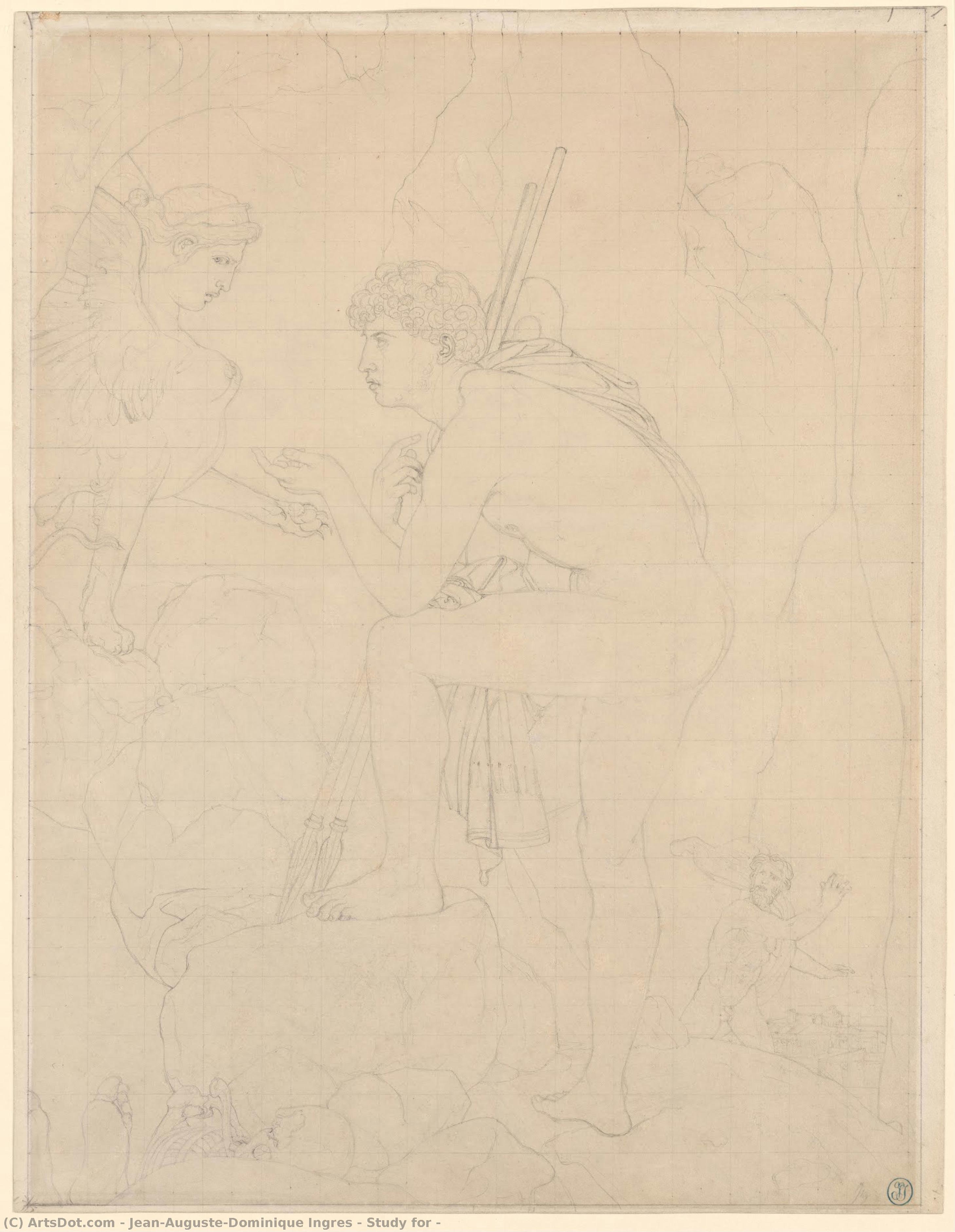
Study for
 Drawing
- WallArt
- Neoclassicism
 1800
1800- 19th Century
 50.0 x 39.0 cm
 Rozwiń treść
Ręcznie malowana reprodukcja olejowa
Ręcznie malowany obraz olejny na płótnie, wykonany na zamówienie przez naszych artystów w wybranym przez Ciebie wymiarze i oprawie. ( Kup wydruk Kup obraz cyfrowy)




P118B $10

P118H $10

P118W $10

P438Z $10

P508JH $12

P508YH $12

P805H $10

P805Z $10

P919BZ $10

P919G $10

P919XJ $10

P959ZH $10

P968JZ $12

W106C $8

W218G $10

W218JH $8

W218Y $10

W307PJ $10

W316G $10

W316PJ $8

W316Y $10

W398PJ $8

W4111J $10

W500HY $15

W500JH $15

W692G $12

W849H $8

W940BG $15

W953PJ $8




Wybierz spośród naszych standardowych rozmiarów, które zachowują oryginalne proporcje dzieła sztuki.

Możesz wprowadzić własne wymiary, aby dopasować obraz do konkretnej ramy lub przestrzeni. Jeśli wybrany rozmiar nie będzie odpowiadał proporcjom oryginału, przytniecie dzieło sztuki lub rozszerzymy je o dodatkowe elementy, ręcznie domalowane przez artystę. Przed rozpoczęciem produkcji wyślemy projekt cyfrowy do Twojej akceptacji.
Należy pamiętać, że podgląd na ekranie nie odzwierciedla rzeczywistego przycinania ani rozszerzania obrazu. Tylko projekt dokładnie pokaże ostateczną kompozycję.
Choć oferujemy możliwość zamówienia niestandardowych rozmiarów, zalecamy wybór wymiaru z gotowej listy, aby zachować oryginalne proporcje dzieła.
Po złożeniu zamówienia zespół OriginalUniqueArt.com skontaktuje się z klientem drogą mailową w celu uzyskania instrukcji i prześle wizualizację projektu
Dostawa na całym świecie () w ciągu 3–4 tygodni zamiast standardowych 5 tygodni. (12 Sierpień). Bez kompromisów w kwestii jakości.

Bezpłatna ekspresowa wysyłka na cały świat

Wysokiej jakości płótno lniane

Pełne ubezpieczenie przesyłki

Gwarancja zwrotu należności celnych i podatków importowych

Gwarancja wiernego odwzorowania kolorów

Polityka 60-dniowego zwrotu (tylko w przypadku wad)

Gwarancja 100% zwrotu kosztów

Zniżka przy zamówieniu wielu produktów
 Opcja ze szkłem jest dostępna wyłącznie w rozmiarach poniżej 110 cm

Study for
Technika reprodukcji
Wymiary reprodukcji
-


Cena całkowita
$ 300
Opis dzieła
The Allure of Myth and Line: An Encounter with Ingres' Study
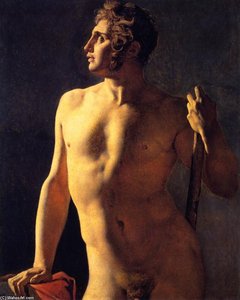
To gaze upon this study for Study for is to step directly into the meticulous, emotionally charged world of Jean-Auguste-Dominique Ingres. This drawing, dating from the turn of the 19th century, captures a moment suspended between classical narrative and burgeoning romantic tension. The composition itself—a pairing of figures poised upon rugged rocks—immediately draws the eye into a scene steeped in allegory. We see a man, armed with the potent symbolism of the bow and arrow, directing his gaze and perhaps his intent toward a woman who embodies ethereal grace; she is rendered with the delicate idealism of a cherub or angel. The very act of drawing suggests an intellectual pursuit, a moment captured before its final, perfect execution, allowing us, the viewer, a privileged glimpse into the master's creative process.
Neoclassical Precision Meets Ethereal Form
Ingres’ signature style, deeply rooted in Neoclassicism, is palpable here. His dedication to line—that exquisite, unwavering contour—is what gives this work its enduring power. While the subject matter hints at folklore or perhaps a mythological encounter, the execution speaks of rigorous academic training. The musculature, the drapery, and the delicate features are all delineated with an almost sculptural precision. Yet, this technical mastery never feels cold. Instead, it serves to elevate the emotional core of the piece. The contrast between the man’s poised readiness and the woman’s serene, angelic bearing creates a beautiful tension, a dialogue rendered purely through line and posture.
Symbolism in Stone and Shaft
The elements within this drawing are rich with potential meaning. The rocks upon which they stand ground the ethereal figures to a tangible reality, suggesting that even divine or mythical encounters must take place within a defined space. Most striking is the bow and arrow; these objects carry the weight of narrative—of desire, warning, or destined connection. Coupled with the angelic figure, the piece whispers tales of Cupid’s arrows, pastoral romance, or perhaps the classical tension between earthly passion and divine purity. It invites contemplation: what story unfolds when intention (the arrow) meets innocence (the cherub)?
A Timeless Aesthetic for Modern Spaces
For the collector or designer seeking art that speaks of enduring beauty and intellectual depth, this reproduction offers unparalleled sophistication. The vintage quality inherent in the drawing lends it an immediate sense of history, while Ingres’ flawless draughtsmanship ensures its timeless appeal. Imagine this piece gracing a salon wall or adorning a study—it acts not merely as decoration, but as a conversation starter. It speaks to an appreciation for classical ideals filtered through the lens of romantic yearning. Owning this work is acquiring a fragment of artistic genius, a testament to the enduring power of line and narrative.
O artyście
A Legacy of Line and Form: The World of Jean-Auguste-Dominique Ingres
Jean-Auguste-Dominique Ingres, a name synonymous with Neoclassical precision and an almost sculptural approach to painting, occupies a unique position in the history of art. Born in Montauban, France, in 1780, his artistic journey was one of unwavering dedication to classical ideals, tempered by a burgeoning sensuality and a willingness to challenge convention. Ingres wasn’t merely replicating the past; he was engaging in a profound dialogue with it, forging a style that would both define an era and anticipate the revolutions to come. His work stands as a testament to the power of line, form, and idealized beauty—qualities that continue to captivate viewers centuries later.Early Influences and Artistic Training
Ingres’s artistic sensibilities were nurtured from a remarkably young age. His father, Jean-Marie-Joseph Ingres, was himself an artist and sculptor, instilling in Dominique a deep appreciation for form and technique—a foundation built upon meticulous observation and a love of the visual world. This early exposure to art was further solidified by his studies at the Académie Royale de Peinture, Sculpture et Architecture in Toulouse, under the guidance of Guillaume-Joseph Roques. However, it was his move to Paris in 1797 and subsequent apprenticeship with Jacques-Louis David, the leading figure of Neoclassicism, that truly shaped his artistic trajectory. David imparted a rigorous discipline—a focus on line, form, and historical subject matter—principles that would remain central to Ingres’s work throughout his career. The influence of David is undeniable, yet Ingres ultimately developed a distinct style, one characterized by a subtle sensuality and psychological depth that set him apart from his mentor.The Pursuit of Ideal Beauty and Early Masterpieces
Ingres' artistic philosophy was profoundly rooted in admiration for the Italian Renaissance masters—Raphael, in particular, served as a constant source of inspiration. He believed in the power of line to define form and convey emotion, striving for an idealized beauty that transcended mere representation. This pursuit is vividly evident in his early works, such as *The Ambassadors of Agamemnon in the Tent of Achilles* (1801), which earned him the prestigious Prix de Rome. The painting showcases Ingres’s meticulous attention to detail, precise draftsmanship, and a clear narrative focus—hallmarks of Neoclassical style. The composition is remarkably balanced, the figures rendered with an almost sculptural quality, reflecting Ingres's fascination with classical antiquity. This early success established him as a rising star in the Parisian art scene, setting the stage for his subsequent explorations of form and beauty.Beyond Raphael: Experimentation and Innovation
While deeply influenced by Raphael, Ingres didn’t simply imitate his style. He gradually developed a distinctive voice, infusing classical principles with a unique blend of sensuality and psychological insight. His portraits, in particular, demonstrate this evolution. He wasn't content to merely depict the outward appearance of his subjects; he sought to capture their inner lives, their emotions, and their personalities. This is particularly evident in *Portrait of Monsieur Bertin* (1833-1834), where the subject’s intense gaze and elongated hands convey a sense of both power and vulnerability. Ingres's use of line—particularly his emphasis on precise contours and subtle gradations of tone—creates an effect that is both elegant and unsettling, foreshadowing the expressive distortions of later movements like Cubism.Orientalism and Late Masterpieces
Beyond his historical and mythological paintings, Ingres also explored other genres, most notably Orientalism. His depictions of exotic scenes and female nudes, such as *The Turkish Bath* (1862), completed when he was an astonishing 83 years old, reveal a fascination with the sensual and the mysterious. These works, though sometimes criticized for their idealized representations, demonstrate his continued willingness to experiment and push boundaries. Ingres’s late period is characterized by a remarkable intensity of color and a heightened sense of drama—qualities that are particularly evident in *Grande Odalisque* (1814). The painting captures the essence of an exotic beauty, rendered with a masterful command of line and form.A Lasting Influence on Art History
Jean-Auguste-Dominique Ingres died in Paris in 1867, leaving behind a legacy that continues to resonate today. His emphasis on line, form, and idealized beauty profoundly influenced artists across generations. Remarkably, his work captivated even those who championed radically different styles—artists like Henri Matisse and Pablo Picasso admired his innovative approach to composition and his ability to imbue classical forms with a sense of vitality and emotion. Ingres’s paintings are now housed in major museums around the world, serving as testaments to his enduring artistic vision. He remains a pivotal figure in art history—a master who not only preserved the traditions of the past but also paved the way for the future. His work invites us to contemplate the nature of beauty, the power of line, and the timeless allure of classical ideals.Notable Works
- The Ambassadors of Agamemnon in the Tent of Achilles (1801)
- The Vow of Louis XIII (1827)
- Portrait of Monsieur Bertin (1833-1834)
- The Turkish Bath (1862)
- Grande Odalisque (1814)

Jean-Auguste-Dominique Ingres
1780 - 1867 , Francja
Krótka nota
- Artistic Movement Or Style: Neoklasycyzm
- Artists Or Movements Influenced By This Artist:
- Henri Matisse
- Pablo Picasso
- Artists Who Influenced This Artist:
- Jacques-Louis David
- Raphael
- Nicolas Poussin
- Date Of Birth: 29 sierpnia 1780
- Date Of Death: 14 stycznia 1867
- Full Name: Jean-Auguste-Dominique Ingres
- Nationality: Francuz
- Notable Artworks:
- Ambasadorzy Agamemnona
- Przymiarki króla Ludwika XIII
- Portret Mon. Bertina
- Prywatny kąpiel
- Place Of Birth: Montauban, Francja
Powiązane artykuły
Odbitki Giclée: Jakość Archiwalna i Estetyczne Niuanse dla Wymagającego Kolekcjonera
Poznaj sekrety druku giclée – technologii zapewniającej najwyższą jakość reprodukcji sztuki i trwałość archiwalaną. Poradnik dla wymagających kolekcjonerów o wyborze papieru, tuszy i profilach kolorystycznych.

The Enduring Legacy of Fine Art Prints: Technique, History & Aesthetic Impact
Explore the rich history & techniques of fine art prints. Discover investment potential, assess authenticity, and learn how to preserve your collection with expert guidance. Trusted insights for discerning collectors.
Romantyzm w sztuce: 10 arcydzieł dla miłośników piękna i dekoracji wnętrz | OriginalUniqueArt.com
Odkryj 10 arcydzieł romantyzmu! Poznaj historie miłosnych motywów w malarstwie, od Fryderyka Chopina po impresjonizm. Znajdź idealny obraz do swojego wnętrza i zainspiruj się na OriginalUniqueArt.com – reprodukcje najwyższej jakości.

Echoes of Time: Exploring the Enduring Appeal & Historical Context of Vintage Art Prints
Explore the captivating world of vintage art prints! Discover their history, collecting tips & enduring appeal. Expert insights on chromolithography and building a legacy collection with OriginalUniqueArt.
Romantic Realism's Finest: 10 Masterpieces for Your Home | OriginalUniqueArt
Explore 10 defining masterpieces of Romantic Realism! Discover Courbet, Millet & Daumier's powerful paintings—capturing emotion and social realities. Find museum-quality reproductions for your home at OriginalUniqueArt.com.