() ·

Obraz stworzony dla Ciebie, własnoręcznie

Christ

Ręcznie malowana reprodukcja olejowa

Ręcznie malowany obraz olejny na płótnie, wykonany na zamówienie przez naszych artystów w wybranym przez Ciebie wymiarze i oprawie. ( Przełącz na wydania drukowane Przejdź do wersji cyfrowej)

Opis obiektu

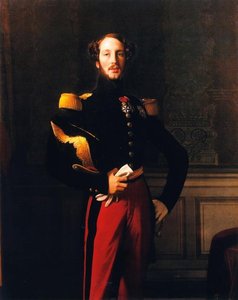
Experience the serene beauty of Jean-Auguste-Dominique Ingres’s ‘Christ,’ a neo-classical masterpiece showcasing calm and precise lines. This 1834 oil on canvas painting, measuring 80x60cm, captures a timeless image of hope and devotion – discover this iconic artwork.

Biografia artysty

Jean-Auguste-Dominique Ingres – mistrz neoklasycyzmu, znany z precyzyjnych rysunków i idealizowanych portretów. Jego dzieła inspirują artystów od ponad 150 lat! Odkryj świat Ingresa.

od ·

Rozdział 1

Jak duży powinien być ten format?

Przesuń suwak, aby zmienić rozmiar; obraz po lewej stronie przedstawia ramę w jej rzeczywistej szerokości. Zachowano proporcje oryginału.

Standardowy format
personalizowane
CM
INCH

Wybierz spośród naszych standardowych rozmiarów, które zachowują oryginalne proporcje dzieła sztuki.

szerokość
wysokość

Wpisz wymaganą szerokość i wysokość, aby obraz pasował do Twojej ramy lub ściany. Ponieważ jest to dzieło malowane ręcznie, w przypadku rozmiaru o innych proporcjach artysta może domalować nieco więcej wokół obrazu lub przyciąć jego fragmenty — wybór należy do Ciebie. Przed rozpoczęciem pracy prześlemy Ci cyfrową wizualizację do zatwierdzenia. Obraz widoczny na tej stronie nie przedstawia rzeczywistego efektu — jedynie wizualizacja oddaje realny rezultat.

Rozdział 2

W jaki sposób ma zostać dostarczone?

Wybierz krawędzie płótna naciągniętego na ramę

Wybierz ramę

Corner sample of the WhiteWrap canvas edge finish, stretched on lite drewno bars
Białe krawędzie zł1
Corner sample of the BlurSideWrap canvas edge finish, stretched on lite drewno bars
rozmyte krawędzie zł1
Corner sample of the ExtendedWrap canvas edge finish, stretched on lite drewno bars
Przedłużony zł1
Corner sample of the P118B picture frame: polistyren formowany, 5 cm wide and 3 cm thick
P118B zł10
Corner sample of the P118H picture frame: polistyren formowany, 5 cm wide and 3 cm thick
P118H zł10
Corner sample of the P118W picture frame: polistyren formowany, 5 cm wide and 3 cm thick
P118W zł10
Corner sample of the P438Z picture frame: polistyren formowany, 5.5 cm wide and 3.5 cm thick
P438Z zł10
Corner sample of the P508JH picture frame: polistyren formowany, 7 cm wide and 3.5 cm thick
P508JH zł12
Corner sample of the P508YH picture frame: polistyren formowany, 7 cm wide and 3.5 cm thick
P508YH zł12
Corner sample of the P805H picture frame: polistyren formowany, 5 cm wide and 3.5 cm thick
P805H zł10
Corner sample of the P805Z picture frame: polistyren formowany, 5 cm wide and 3.5 cm thick
P805Z zł10
Corner sample of the P919BZ picture frame: polistyren formowany, 7 cm wide and 3.5 cm thick
P919BZ zł10
Corner sample of the P919G picture frame: polistyren formowany, 7 cm wide and 3.5 cm thick
P919G zł10
Corner sample of the P919XJ picture frame: polistyren formowany, 7 cm wide and 3.5 cm thick
P919XJ zł10
Corner sample of the P959ZH picture frame: polistyren formowany, 5 cm wide and 3 cm thick
P959ZH zł10
Corner sample of the P968JZ picture frame: polistyren formowany, 6 cm wide and 4 cm thick
P968JZ zł12
Corner sample of the W106C picture frame: lite drewno, 5 cm wide and 3 cm thick
W106C zł8
Corner sample of the W218G picture frame: lite drewno, 5 cm wide and 3 cm thick
W218G zł10
Corner sample of the W218JH picture frame: lite drewno, 5 cm wide and 3 cm thick
W218JH zł8
Corner sample of the W218Y picture frame: lite drewno, 5 cm wide and 3 cm thick
W218Y zł10
Corner sample of the W307PJ picture frame: lite drewno, 6 cm wide and 3 cm thick
W307PJ zł10
Corner sample of the W316G picture frame: lite drewno, 6 cm wide and 3 cm thick
W316G zł10
Corner sample of the W316PJ picture frame: lite drewno, 6 cm wide and 3 cm thick
W316PJ zł8
Corner sample of the W316Y picture frame: lite drewno, 6 cm wide and 3 cm thick
W316Y zł10
Corner sample of the W398PJ picture frame: lite drewno, 5 cm wide and 3 cm thick
W398PJ zł8
Corner sample of the W4111J picture frame: lite drewno, 6.5 cm wide and 3.5 cm thick
W4111J zł10
Corner sample of the W500HY picture frame: lite drewno, 7 cm wide and 5 cm thick
W500HY zł15
Corner sample of the W500JH picture frame: lite drewno, 7 cm wide and 5 cm thick
W500JH zł15
Corner sample of the W692G picture frame: lite drewno, 8 cm wide and 4 cm thick
W692G zł12
Corner sample of the W849H picture frame: lite drewno, 5 cm wide and 3 cm thick
W849H zł8
Corner sample of the W940BG picture frame: lite drewno, 7.5 cm wide and 4.5 cm thick
W940BG zł15
Corner sample of the W953PJ picture frame: lite drewno, 6 cm wide and 3.5 cm thick
W953PJ zł8
Corner sample of the H24-GOLD picture frame: rzeźbione drewno pokryte gipsem, 10 cm wide and 6 cm thick
H24-GOLD zł30
Corner sample of the H24-SILVER picture frame: rzeźbione drewno pokryte gipsem, 10 cm wide and 6 cm thick
H24-SILVER zł30
Corner sample of the H36-GOLD picture frame: rzeźbione drewno pokryte gipsem, 15 cm wide and 6.5 cm thick
H36-GOLD zł45
Corner sample of the H36-SILVER picture frame: rzeźbione drewno pokryte gipsem, 15 cm wide and 6.5 cm thick
H36-SILVER zł45

Profil: . Wymiar całkowity w ramie: .

Rozdział 3

Kto go maluje i czy coś powinno ulec zmianie?

Przykłady możliwych zmian: Zastąpienie twarzy zdjęciem klienta; Dodanie zwierzęcia (np. zamiana kota na psa); Ukrycie wiadomości w tle; Zmiana krajobrazu lub elementów tła.
Po złożeniu zamówienia zespół OriginalUniqueArt.com skontaktuje się z klientem drogą mailową w celu uzyskania instrukcji i prześle podgląd projektu

Dostawa na całym świecie () w ciągu 3–4 tygodni zamiast standardowych 5 tygodni. (6 Listopad). Bez kompromisów w kwestii jakości.

Rozdział 4

Ostatnie szlify

Tabliczka informacyjna, jak w muzeum?

Szczegóły grawerowanej brązowej tabliczki

This elegant plaque features the artist's name and the title of the artwork, finely engraved for a timeless presentation.

It is made from bronze with a refined, elegant finish. The text is precisely laser-engraved for a sharp and permanent result. Measuring 9x2 cm, the plaque is compact yet easy to read. It's built to be durable and scratch-resistant, offering a professional, museum-quality look. Mounting is simple thanks to the included adhesive backing.

Szczegóły przezroczystej tabliczki akrylowej

The plaque includes essential engraved details such as the artist's name, the title of the artwork, the date it was created, the type of media used-like oil on canvas or watercolor-a brief description of the piece, and a QR code that links to the complete artwork information.

It is crafted from clear acrylic, offering a sleek, modern appearance. The text is UV-engraved in black to ensure strong visual contrast. With a size of 10x15 cm, it ensures optimal readability. It comes equipped with two metal hooks for secure wall mounting. The plaque is designed to be weather-resistant, making it suitable for various environments, and it includes interactive features that work seamlessly with smartphone scanning.

Szczegóły czarnej tabliczki akrylowej

This elegant plaque includes engraved information such as the artist's name, the title of the artwork, the date it was created, the type of media used (like oil on canvas or watercolor), a short description of the artwork, and a QR code for quick access to more information.

The plaque itself is made from refined black acrylic with a premium finish. The text is laser-engraved in white for high contrast and readability. Its size is 10x15 cm, designed to be easy to read. It comes with two metal hooks for professional mounting. The design is sleek and fits any interior style. It is also weather-resistant and durable, with built-in digital integration for mobile compatibility.

Werniks ochronny?

Kiedy potrzebujesz dostawy?

Rozdział 5

Twoje dzieło, dokładnie tak, jak zamówiłeś

Christ

Technika reprodukcji

Wymiary reprodukcji

-

Wybitny mistrz artystyczny

Większa szczegółowość, finezja i dodatkowy czas na realizację

-

Opcje oprawy reprodukcji

-

-

W przypadku dzieł sztuki lub reprodukcji, których którykolwiek z boków przekracza 105 cm (około 41 cali), rama zostanie wysłana w formie zestawu do samodzielnego montażu. Metoda ta zapewnia bezpieczną dostawę i zapobiega uszkodzeniom podczas transportu.

Wymagany profesjonalny montaż – nie jest to produkt typu DIY.
Zestaw musi zostać złożony, a płótno naciągnięte przez doświadczonego profesjonalnego ramiarza, przy użyciu kleju do drewna (brak w zestawie), kleszczy do naciągania płótna oraz ścisków, które utrzymają krosna w równej pozycji podczas schnięcia kleju. Nieprawidłowy montaż lub nierównomierne napięcie płótna może trwale uszkodzić dzieło sztuki i nie podlega naszej gwarancji.

  • W zestawie znajdują się wszystkie listwy z litego drewna, precyzyjnie docięte do wymiarów.

  • Montaż odbywa się przy użyciu dołączonych wkrętów oraz kleju do drewna do łączenia narożników, którego zestaw nie zawiera i który musi zostać dostarczony przez ramiarza.

  • Wymagane są profesjonalne narzędzia, których nie ma w zestawie: kleszcze do naciągania płótna (napinacz) oraz zaciski, które pozwolą utrzymać listwy w równej pozycji podczas schnięcia kleju.

Ważne:
Do połączenia narożników niezbędny jest klej do drewna, listwy należy unieruchomić za pomocą ścisków do momentu całkowitego wyschnięcia kleju, a naciągnięcie płótna na złożoną ramę wymaga użycia kleszczy do naciągania płótna. Żaden z tych elementów nie jest dołączony do zestawu. Przed zamówieniem tego rozmiaru zalecamy konsultację z doświadczonym ramiarzem.

Etykieta obiektu

-

-

Lakier ochronny

Lakier z połyskiem (pogłębia kolory, chroni przed światłem i wilgocią)

-

Personalizacja dzieła

Przykłady możliwości personalizacji: zastąp twarz zdjęciem klienta; dodaj zwierzę domowe (np. zamień kota na psa); umieść ukrytą wiadomość w tle; zmień krajobraz lub elementy tła.

-

Ekspresowa

Dostawa na cały świat () w ciągu 3–4 tygodni zamiast standardowych 5 tygodni. (6 Listopad). Bez kompromisów w kwestii jakości.

-

Przesyłka ekspresowa

Dostawa na cały świat () w ciągu 5 tygodni. (13 Listopad).

W cenie

Cena całkowita

zł 1173

Suma całkowita zł 1173

Opcja ze szkłem jest dostępna wyłącznie w rozmiarach poniżej 110 cm

W każdym zamówieniu

  • Bezpłatna ekspresowa wysyłka na cały świat
  • Wysokiej jakości płótno lniane
  • Pełne ubezpieczenie przesyłki
  • Gwarancja zwrotu należności celnych i podatków importowych
  • Gwarancja wiernego odwzorowania kolorów
  • 100-dniowa polityka zwrotów (tylko w przypadku wad)
  • Gwarancja 100% zwrotu pieniędzy
  • Zniżka przy zakupie wielu sztuk

A Timeless Portrait of Serenity: Ingres’s ‘Christ’

Jean-Auguste-Dominique Ingres's “Christ,” painted in 1834, is more than just a depiction of the subject of Christian faith; it’s an embodiment of classical ideals rendered with breathtaking precision and imbued with a profound sense of calm. Measuring 80 x 60 cm, this oil on canvas work immediately draws the viewer into its serene world, showcasing Ingres's mastery of the neo-classical style – a style defined by clean lines, subtle color palettes, and an almost obsessive attention to detail. The painting’s impact stems not just from its subject matter but from the artist’s deliberate choices in composition and technique, creating a visual experience that transcends time.

The Language of Neo-Classicism

Ingres was a pivotal figure in the neo-classical movement, rejecting the dramatic flourishes of the Romantic era in favor of a return to the clarity and order of ancient Greece and Rome. “Christ” exemplifies this approach perfectly. The subject’s pose – hands raised towards the heavens – is deliberately reminiscent of classical sculpture, evoking notions of piety, contemplation, and connection with the divine. The smooth, polished surfaces achieved through Ingres' meticulous brushwork contribute to a sense of monumental stillness, further emphasizing the painting’s formal qualities. Notice how the light falls across Christ’s form, highlighting his musculature in a way that recalls idealized representations of the human body found in ancient statues – a testament to Ingres’s deep understanding and respect for classical art history.

Technical Mastery and Color Palette

The painting's technical execution is remarkable. Executed in oil on canvas, Ingres employed a layering technique that builds up depth and texture with incredible subtlety. The color palette is restrained – primarily composed of muted blues, browns, and creams – contributing to the overall atmosphere of tranquility. This deliberate choice avoids any sense of emotional excess, allowing the viewer’s focus to remain firmly fixed on Christ's face and hands. The artist’s control over light and shadow further enhances the painting’s realism, creating a three-dimensional effect that invites close inspection.

Symbolism and Emotional Resonance

Beyond its formal qualities, “Christ” carries significant symbolic weight. The raised hands are not merely a gesture of prayer; they represent surrender, faith, and the acceptance of divine will. Christ’s expression – serene, almost beatific – conveys a sense of peace and hope, offering a visual representation of spiritual solace. The painting's enduring appeal lies in its ability to evoke these powerful emotions, connecting with viewers on a deeply personal level. It is a reminder of humanity's search for meaning and purpose, a timeless theme explored through the lens of Ingres’s artistic genius.

A Legacy of Beauty

"Christ" by Jean-Auguste-Dominique Ingres remains a cornerstone of neo-classical art. Its meticulous detail, balanced composition, and profound sense of serenity continue to captivate audiences today. This reproduction offers an exceptional opportunity to experience the beauty and intellectual depth of one of Ingres’s most celebrated works – a piece that speaks volumes about the enduring power of classical ideals and the artist's unparalleled skill.

Pytania i odpowiedzi

Gdzie mogę pobrać „Christ” – Jean-Auguste-Dominique Ingres?

„Christ” – Jean-Auguste-Dominique Ingres można pobrać ze strony Pobierz plik cyfrowy dzieła jako wysokiej rozdzielczości cyfrowe zdjęcie do pobrania.

Jakie emocje budzi "Christ" jako prezent?

Calm nastrój dzieła „Christ” – Jean-Auguste-Dominique Ingres idealnie pasuje do rekomendowanej okazji na prezent: Wedding.

Czy "Christ" to słynne dzieło nurtu Neo-Classical Style?

„Christ” figuruje w katalogu jako dzieło o Iconic wśród prac należących do nurtu Neo-Classical Style.

Więcej o tym obrazie

Podgląd w skali 1:1 Podgląd AR Przełącz na wydania drukowane Przejdź do wersji cyfrowej Wyślij jako kartkę
Szczegóły dzieła Przewodnik Dodaj do ulubionych Pobierz obraz Podobne obiekty RTG Pokaz slajdów Pytania i odpowiedzi Statystyki

W liczbach

  • 1834rok powstania dzieła
  • 29dostępne ramy do wyboru
  • standardowe formaty, w ich własnych proporcjach
  • 5tygodni na namalowanie i dostarczenie dzieła
Jean-Auguste-Dominique Ingres

Jean-Auguste-Dominique Ingres

1780 - 1867, Francja

Krótkie informacje o Jean-Auguste-Dominique Ingres

  • Artistic Movement Or Style: Neoklasycyzm
  • Artists Or Movements Influenced By This Artist:
    • Henri Matisse
    • Pablo Picasso
  • Artists Who Influenced This Artist:
    • Jacques-Louis David
    • Raphael
    • Nicolas Poussin
  • Date Of Birth: 29 sierpnia 1780
  • Date Of Death: 14 stycznia 1867
  • Full Name: Jean-Auguste-Dominique Ingres
  • Nationality: Francuz
  • Notable Artworks:
    • Ambasadorzy Agamemnona
    • Przymiarki króla Ludwika XIII
    • Portret Mon. Bertina
    • Prywatny kąpiel
  • Place Of Birth: Montauban, Francja

Biografia artysty

A Legacy of Line and Form: The World of Jean-Auguste-Dominique Ingres

Jean-Auguste-Dominique Ingres, a name synonymous with Neoclassical precision and an almost sculptural approach to painting, occupies a unique position in the history of art. Born in Montauban, France, in 1780, his artistic journey was one of unwavering dedication to classical ideals, tempered by a burgeoning sensuality and a willingness to challenge convention. Ingres wasn’t merely replicating the past; he was engaging in a profound dialogue with it, forging a style that would both define an era and anticipate the revolutions to come. His work stands as a testament to the power of line, form, and idealized beauty—qualities that continue to captivate viewers centuries later.

Early Influences and Artistic Training

Ingres’s artistic sensibilities were nurtured from a remarkably young age. His father, Jean-Marie-Joseph Ingres, was himself an artist and sculptor, instilling in Dominique a deep appreciation for form and technique—a foundation built upon meticulous observation and a love of the visual world. This early exposure to art was further solidified by his studies at the Académie Royale de Peinture, Sculpture et Architecture in Toulouse, under the guidance of Guillaume-Joseph Roques. However, it was his move to Paris in 1797 and subsequent apprenticeship with Jacques-Louis David, the leading figure of Neoclassicism, that truly shaped his artistic trajectory. David imparted a rigorous discipline—a focus on line, form, and historical subject matter—principles that would remain central to Ingres’s work throughout his career. The influence of David is undeniable, yet Ingres ultimately developed a distinct style, one characterized by a subtle sensuality and psychological depth that set him apart from his mentor.

The Pursuit of Ideal Beauty and Early Masterpieces

Ingres' artistic philosophy was profoundly rooted in admiration for the Italian Renaissance masters—Raphael, in particular, served as a constant source of inspiration. He believed in the power of line to define form and convey emotion, striving for an idealized beauty that transcended mere representation. This pursuit is vividly evident in his early works, such as *The Ambassadors of Agamemnon in the Tent of Achilles* (1801), which earned him the prestigious Prix de Rome. The painting showcases Ingres’s meticulous attention to detail, precise draftsmanship, and a clear narrative focus—hallmarks of Neoclassical style. The composition is remarkably balanced, the figures rendered with an almost sculptural quality, reflecting Ingres's fascination with classical antiquity. This early success established him as a rising star in the Parisian art scene, setting the stage for his subsequent explorations of form and beauty.

Beyond Raphael: Experimentation and Innovation

While deeply influenced by Raphael, Ingres didn’t simply imitate his style. He gradually developed a distinctive voice, infusing classical principles with a unique blend of sensuality and psychological insight. His portraits, in particular, demonstrate this evolution. He wasn't content to merely depict the outward appearance of his subjects; he sought to capture their inner lives, their emotions, and their personalities. This is particularly evident in *Portrait of Monsieur Bertin* (1833-1834), where the subject’s intense gaze and elongated hands convey a sense of both power and vulnerability. Ingres's use of line—particularly his emphasis on precise contours and subtle gradations of tone—creates an effect that is both elegant and unsettling, foreshadowing the expressive distortions of later movements like Cubism.

Orientalism and Late Masterpieces

Beyond his historical and mythological paintings, Ingres also explored other genres, most notably Orientalism. His depictions of exotic scenes and female nudes, such as *The Turkish Bath* (1862), completed when he was an astonishing 83 years old, reveal a fascination with the sensual and the mysterious. These works, though sometimes criticized for their idealized representations, demonstrate his continued willingness to experiment and push boundaries. Ingres’s late period is characterized by a remarkable intensity of color and a heightened sense of drama—qualities that are particularly evident in *Grande Odalisque* (1814). The painting captures the essence of an exotic beauty, rendered with a masterful command of line and form.

A Lasting Influence on Art History

Jean-Auguste-Dominique Ingres died in Paris in 1867, leaving behind a legacy that continues to resonate today. His emphasis on line, form, and idealized beauty profoundly influenced artists across generations. Remarkably, his work captivated even those who championed radically different styles—artists like Henri Matisse and Pablo Picasso admired his innovative approach to composition and his ability to imbue classical forms with a sense of vitality and emotion. Ingres’s paintings are now housed in major museums around the world, serving as testaments to his enduring artistic vision. He remains a pivotal figure in art history—a master who not only preserved the traditions of the past but also paved the way for the future. His work invites us to contemplate the nature of beauty, the power of line, and the timeless allure of classical ideals.

Notable Works

  • The Ambassadors of Agamemnon in the Tent of Achilles (1801)
  • The Vow of Louis XIII (1827)
  • Portrait of Monsieur Bertin (1833-1834)
  • The Turkish Bath (1862)
  • Grande Odalisque (1814)

Najważniejsze informacje

  • Influences: Romanticism
  • Notable elements: Clean lines, detail
  • Movement: Neo-classical
  • Location: Musée des Beaux-Arts (Chartres, France)
  • Dimensions: 80 x 60 cm
  • Year: 1834