

 Zobacz w skali 1:1
 Wyślij
 Udostępnij
 Szczegóły
 Przewodnik

 Pobierz plik obrazu
 Podobne obiekty
 RTG
RTG Pokaz slajdów
 Statystyki
Relief, clock

 Czytaj więcej
Dzieło sztuki prezentowane na tej stronie podlega ochronie prawem autorskim, co oznacza, że nie mamy prawa do tworzenia ani sprzedaży jego identycznej reprodukcji. Ochrona ta jest egzekwowana na mocy umów międzynarodowych, takich jak Konwencja berneńska oraz przez przepisy prawa krajowego, w tym te określone w Prawo autorskie USA – Tytuł 17.
Metoda ta jest w pełni zgodna z przepisami prawa autorskiego, ponieważ nie polega na kopiowaniu ani powielaniu chronionego dzieła. Stanowi ona kreatywną reinterpretację – nowy obraz, który czerpie inspirację z oryginału, ale nie jest z nim tożsamy.
Giclée / Wydruk artystyczny
Wydruki giclée lub płótna o jakości muzealnej, szybka realizacja i szeroki wybór opcji wykończenia. ( Kup ręcznie malowany obraz Przełącz na wersję cyfrową)




P118B zł10

P118H zł10

P118W zł10

P438Z zł10

P508JH zł12

P508YH zł12

P805H zł10

P805Z zł10

P919BZ zł10

P919G zł10

P919XJ zł10

P959ZH zł10

P968JZ zł12

W106C zł8

W218G zł10

W218JH zł8

W218Y zł10

W307PJ zł10

W316G zł10

W316PJ zł8

W316Y zł10

W398PJ zł8

W4111J zł10

W500HY zł15

W500JH zł15

W692G zł12

W849H zł8

W940BG zł15

W953PJ zł8




Wybierz spośród naszych standardowych rozmiarów, które zachowują oryginalne proporcje dzieła sztuki.

Wpisz wymaganą szerokość i wysokość, aby dopasować grafikę do ramy lub ściany. Wydruk można jedynie przyciąć, nigdy nie powiększając go poza oryginalny obraz, dlatego format o innym proporcji spowoduje utratę części kompozycji. Przed rozpoczęciem druku prześlemy Ci cyfrowy podgląd do zatwierdzenia. Obraz wyświetlany na tej stronie nie pokazuje rzeczywistego przycięcia — jedynie podgląd oddaje ten efekt.
Dostawa na cały świat () w ciągu 2 tygodni zamiast standardowych 4/5 tygodni. (24 Październik)

Bezpłatna ekspresowa wysyłka na cały świat

Wysokiej jakości płótno lniane

Pełne ubezpieczenie transportowe

Gwarancja zwrotu należności celnych i podatków importowych

Gwarancja idealnego odwzorowania barw

100-dniowy okres na zwrot dzieła w przypadku wykrycia wad produkcyjnych

Gwarancja 100% zwrotu pieniędzy

Oferta przy zakupie wielu sztuk
 Opcja ze szkłem jest dostępna wyłącznie w rozmiarach poniżej 110 cm

Relief, clock
Giclée / Wydruk artystyczny
Rozmiar reprodukcji
-


Suma do zapłaty
zł 308
Relief, Clock (1914) by Jean Arp
Jean Arp’s “Relief, Clock,” created in 1914 during the tumultuous period of Dadaism and its nascent embrace of Surrealist principles, stands as a testament to artistic experimentation and a profound engagement with geometric abstraction. More than just a decorative object; it embodies a radical departure from traditional sculptural conventions—a deliberate rejection of representational accuracy in favor of exploring fundamental visual elements: form, color, and chance.
- Overall Impression: The artwork presents a striking relief sculpture characterized by circular composition and bold chromatic contrasts. Its glossy finish suggests meticulous lacquering, highlighting the artist’s dedication to surface texture and visual impact.
- Composition & Movement: Dominating the image is a large circle bisected by overlapping organic shapes—biomorphic forms reminiscent of abstracted natural elements—that generate an undeniable sense of dynamism. The arrangement isn't merely decorative; it speaks to Arp’s fascination with spontaneity and unpredictability, mirroring the Dadaist ethos.
- Color Palette & Technique: Vibrant hues – sapphire blue, scarlet red, lemon yellow, olive green, charcoal black, and pristine white – are applied in flat planes with sharp boundaries, creating a visually arresting juxtaposition of colors. The technique involved layering cut shapes adhered to a rigid substrate like painted wood, demonstrating precision and careful consideration for material properties.
Historical Context & Artistic Influences
“Relief, Clock” emerged from the Dada movement’s rejection of logic and reason—a reaction against the horrors of World War I. Dada artists sought to dismantle established artistic hierarchies and embrace absurdity as a means of critique. Arp's work aligns closely with Surrealist explorations of subconscious imagery and dreamlike states, drawing inspiration from figures like Marcel Duchamp and Giorgio Morandi. Notably, it shares stylistic similarities with Jean Arp’s biomorphic sculptures—a deliberate move away from representational art toward an aesthetic rooted in organic forms.
Symbolism & Emotional Resonance
The circular motif symbolizes wholeness and unity – a concept central to Surrealist thought. The asymmetrical arrangement of shapes contributes to the artwork's emotional impact, conveying a feeling of playful disruption and inviting contemplation. Beyond its formal qualities, “Relief, Clock” evokes an atmosphere of quiet dynamism—a subtle suggestion of movement within stillness.
Material & Craftsmanship
Likely executed using painted wood or similar durable material, the sculpture’s surface is remarkably smooth and glossy due to a meticulous polishing process. The careful cutting and placement of geometric shapes underscore Arp's mastery of craftsmanship—a testament to his commitment to achieving visual harmony through precise execution.
Pytania i odpowiedzi
Jaki nastrój i emocje łączą się w "Relief, clock"?
„Relief, clock” autorstwa Jean Arp przekazuje Calm uczucie w ramach ogólnego, Serene nastroju.
Do jakiego nurtu i do której epoki zalicza się „Relief, clock” autorstwa Jean Arp?
"Relief, clock" należy do nurtu Surrealist Expression, a jego twórca tworzył w epoce Nowoczesność.
Czy mogę obejrzeć podgląd „Relief, clock” autorstwa Jean Arp przed złożeniem zamówienia?
Strona podglądu Podgląd dla dzieła „Relief, clock” umożliwia obejrzenie obrazu przed złożeniem zamówienia.
Biografia artysty
Życie wykute między światami: Wczesne lata Jeana Arpa
Urodzony w 1886 roku jako Hans Peter Wilhelm Arp w sporny Strasburg – mieście oscylującym między francuską a niemiecką tożsamością – artysta, który stał się znany jako Jean Arp, od samych początków ucieleśniał fascynującą dwoistość. Ta geograficzna i kulturowa liminalność głęboko ukształtowała jego wizję artystyczną, zaszczepiając w nim poczucie wyobcowania oraz kwestionowanie stałych granic, co przenikało całe jego dzieło. Jego rodzice – francuska matka i niemiecki ojciec – nieświadomie położyli fundamenty pod twórczość artysty, który konsekwentnie rzucał wyzwanie wszelkim kategoryzacjom. Wczesne studia w École des Arts et Métiers w Strasburgu, a później na Weimarer Kunstschule w Niemczech, zapewniły Arpowi solidne wykształcenie artystyczne, lecz to wsparcie jego wuja, Carla Arpa, malarza pejzażystów, prawdziwie rozpaliło jego pasję. Przeprowadzka do Paryża w 1908 roku i nauka w Académie Julian jeszcze bardziej poszerzyły jego horyzonty, wystawiając go na oddziaływanie tętniących życiem prądów awangardy. Mimo to Strasburg pozostał potężnym wspomnieniem – miastem przesiąkniętym historią i symbolicznym ciężarem, które na zawsze wpłynęło na jego wrażliwość artystyczną. Ten wczesny okres nie polegał jedynie na zdobywaniu warsztatu; chodziło o chłonięcie złożoności tożsamości i przynależności – tematów, które rezonowały przez całe jego życie i twórczość.Przyjęcie chaosu: Dadaizm i narodziny form biomorficznych
Wybuch I wojny światowej okazał się momentem przełomowym dla Arpa. Rozczarowany bezsensowną przemocą i postrzeganymi porażkami rozumu, około 1915 roku zaczął dryfować w stronę rodzącego się ruchu Dada. Nie był to jedynie wybór estetyczny; była to radykalna odmowa uznania ustalonych norm, buntownicze przyjęcie chaosu jako odpowiedzi na chaotyczny świat. Arp znalazł się w gronie artystów i intelektualistów w neutralnej Szwajcarii – wśród takich postaci jak Hugo Ball, Tristan Tzara czy Marcel Janco – którzy dążyli do demontażu tradycyjnych konwencji artystycznych. Aktywnie uczestniczył w wystawach zrzeszonych w Moderne Bund, wczesnym przymierzu sztuki nowoczesnej, i współtworzył grupę Dada w Kolonii w 1920 roku u boku Maxa Ernsta i Alfreda Grünwalda. To właśnie w tym okresie Arp zaczął eksperymentować z operacjami przypadkowymi, techniką odzwierciedlającą dadaistyczne odrzucenie artystycznej kontroli. Jego „kolaże przypadkowe”, tworzone poprzez upuszczanie fragmentów papieru na powierzchnię i przyklejanie ich tam, gdzie upadły, były rewolucyjne – stanowiły zrzeczenie się świadomego projektu na rzecz nieprzewidywalnych rezultatów. Jednocześnie zaczął zgłębiać formy biomorficzne – abstrakcyjne kształty przypominające życie organiczne – które stały się definiującą cechą jego pracy. Nie były to jedynie abstrakcyjne wzory; sugerowały one ukryte energie, fundamentalne budulce istnienia oraz podświadomą więź z naturą. Ta eksploracja była w znacznym stopniu inspirowana głębokim partnerstwem artystycznym z Sophie Taeuber-Arp, którą poślubił w 1922 roku. Ich wspólne projekty były innowacyjne i wzajemnie inspirujące, przesuwając granice praktyki obu twórców.Surrealistyczne wizje i rzeźbiarskie poszukiwania W miarę jak Dada zaczynało zanikać, artystyczna trajektoria Arpa skierowała go ku surrealizmowi. Jego prace zostały zaprezentowane na pierwszej surrealistycznej wystawie w Galerie Pierre w Paryżu w 1925 roku, co ugruntowało jego związek z ruchem zgłębiającym krainę snów i podświadomości. Arp nie przyjął jednak surrealizmu bezkrytycznie; nasycił go własną, unikalną wrażliwością. Rozpoczął znaczącą transformację od rzeźby reliefowej ku pracom trójwymiarowym, badając abstrakcję organiczną w formach wolnostojących. W tym okresie powstała seria „Human Concretion” – gładkie, zaokrąglone rzeźby, które przywoływały niejednoznaczne odniesienia zarówno do ludzkiej postaci, jak i obiektów naturalnych. Eksploracja materiału była dla Arpa równie istotna. Eksperymentował z marmurem, brązem, szkłem i drewnem, gdzie każdy materiał oferował inną teksturę i efekt, pozwalając mu na dalsze dopracowanie wizji abstrakcji organicznej. Jego formy biomorficzne wywarły głęboki wpływ na rozwój surrealizmu, szczególnie w jego fascynacji automatyzmem i obrazowaniem podświadomym. Arp nie był zainteresowany przedstawianiem rozpoznawalnych obiektów; pragnął uchwycić esencję samego życia – jego wzrost, płynność i immanentną tajemnicę.
Dziedzictwo i nieprzemijający wpływ
Wpływ Jeana Arpa na sztukę XX wieku jest niezaprzeczalny. Jego pionierska rola w abstrakcji organicznej, przyjęcie przypadku oraz eksploracja form biomorficznych ugruntowały jego miejsce jako kluczowej postaci awangardy. Wybitne dzieła, takie jak Trousse d'un dada, seria Dada Heads, Human Concretion without Oval Bowl, Le Soleil recerclé oraz The Three Graces, nieustannie zachwycają odbiorców swoją elegancką prostotą i głębokim symbolizmem. Coraz większe uznanie zdobywał w erze powojennej, co zaowocowało Grand Prix dla rzeźby na Biennale w Wenecji w 1954 roku oraz wielkimi wystawami retrospektywnymi w Museum of Modern Art w Nowym Jorku (1958) i Musée National d’Art Moderne w Paryżu (1962). Jego relief stworzony dla Harvard Graduate Center pozostaje świadectwem jego trwałego dziedzictwa. Nacisk Arpa na formy organiczne rezonował z kolejnymi pokoleniami artystów, wpływając na ruchy takie jak ekspresjonizm abstrakcyjny i późniejsze nurty. Jego fascynacja operacjami przypadkowymi wciąż inspiruje tych, którzy badają rolę losowości i niekonwencjonalne metody twórcze. Wspólna praca, którą dzielił z Sophie Taeuber-Arp, jest dziś uznawana za jeden z najważniejszych wkładów w ruch Dada, podkreślając potęgę artystycznego partnerstwa. Innowacyjne podejście Jeana Arpa, jego gotowość do rzucania wyzwania konwencjom oraz niezłomne zaangażowanie w badanie fundamentalnych sił życia sprawiają, że jego sztuka będzie inspirować i prowokować kolejne pokolenia.
Jean Arp
1886 - 1966 , Niemcy
Najważniejsze informacje
- Artistic Movement Or Style: Dadaizm, Surrealizm, abstrakcja organiczna
- Artists Or Movements Influenced By This Artist: ['Robert Delaunay']
- Artists Who Influenced This Artist:
- Wassily Kandinsky
- Hugo Ball
- Date Of Birth: 16 września 1887
- Full Name: Hans Peter Wilhelm Arp
- Nationality: Niemiecki
- Notable Artworks:
- Trousse d'un dada
- Dada Heads
- Cztery głowy
- Le Soleil recerclé
- Place Of Birth: Strasburg, Niemcy
Zobacz także powiązane artykuły

Neo-Abstract Art: The High-Impact Evolution of Modern Visual Energy and Geometric Sophistication
Discover the power of Neo-Abstract art. Explore how bold geometric forms and high-impact visual energy are redefining modern design. Learn to curate sophisticated, high-energy spaces with the latest trends in contemporary abstraction and structural color.

10 Legendarnych Brązów Rzeźbiarskich, Które Zmieniły Sztukę | OriginalUniqueArt
Odkryj 10 legendarnych rzeźb brązowych od Rodina, Degasa i innych mistrzów! Poznaj historię powstania arcydzieł sztuki i inspiruj się do dekoracji wnętrz. Reprodukcje najwyższej jakości na OriginalUniqueArt.com – zobacz kolekcję!
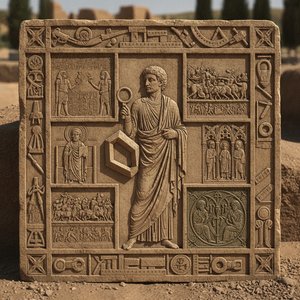
Mastering Dimension: An Art Historian's Guide to the Elegance of Sculptural Relief Art
Explore the profound beauty of sculptural relief art. From classical bas-relief to modern geometric textures, discover how depth and light transform spaces through an expert guide on art history and sophisticated curation for discerning collectors.

Geometria Sztuki: 10 Arcydzieł Abstrakcji Geometrycznej | OriginalUniqueArt.com
Odkryj 10 arcydzieł abstrakcji geometrycznej! Poznaj historię Mondriana, Kandinskiego i Maleвича. Inspiracje wnętrzarskie z malarstwem abstrakcyjnym – reprodukcje najwyższej jakości na OriginalUniqueArt.com. Eksploruj kolekcję online!

Poza Formą i Kolorem: Ewolucja Abstrakcji Geometrycznej w Sztuce XX i XXI Wieku
Odkryj fascynującą historię abstrakcji geometrycznej w sztuce XX i XXI wieku! Analiza kluczowych nurtów, artystów i technik. Ekspercka wiedza dla kolekcjonerów na OriginalUniqueArt.com.
