
 Podgląd w skali 1:1
 Wyślij jako kartkę
 Udostępnij
 Szczegóły dzieła
 Przewodnik

 Pobierz obraz
 Podobne obiekty
 RTG
RTG Pokaz slajdów
 Pytania i odpowiedzi
 Statystyki
The Music Lesson

- 18.0 x 23.0 cm


 Rozwiń treść
Giclée / Wydruk artystyczny
Wydruki giclée lub płótna o jakości muzealnej, szybka realizacja i szeroki wybór opcji wykończenia. ( Zamów ręcznie malowaną reprodukcję Przejdź do wersji cyfrowej)




P118B zł10

P118H zł10

P118W zł10

P438Z zł10

P508JH zł12

P508YH zł12

P805H zł10

P805Z zł10

P919BZ zł10

P919G zł10

P919XJ zł10

P959ZH zł10

P968JZ zł12

W106C zł8

W218G zł10

W218JH zł8

W218Y zł10

W307PJ zł10

W316G zł10

W316PJ zł8

W316Y zł10

W398PJ zł8

W4111J zł10

W500HY zł15

W500JH zł15

W692G zł12

W849H zł8

W940BG zł15

W953PJ zł8




Wybierz spośród naszych standardowych rozmiarów, które zachowują oryginalne proporcje dzieła sztuki.

Wpisz wymaganą szerokość i wysokość, aby dopasować grafikę do ramy lub ściany. Wydruk można jedynie przyciąć, nigdy nie powiększając go poza oryginalny obraz, dlatego format o innych proporcjach spowoduje utratę części kompozycji. Przed rozpoczęciem druku prześlemy Ci cyfrowy podgląd do zatwierdzenia. Obraz wyświetlany na tej stronie nie pokazuje rzeczywistego przycięcia — jedynie podgląd oddaje ten efekt.
Dostawa na cały świat () w ciągu 2 tygodni zamiast standardowych 4/5 tygodni. (9 Listopad)

Bezpłatna ekspresowa wysyłka na cały świat

Wysokiej jakości płótno lniane

Pełne ubezpieczenie przesyłki

Gwarancja zwrotu należności celnych i podatków importowych

Gwarancja wiernego odwzorowania kolorów

100-dniowa polityka zwrotów (tylko w przypadku wad)

Gwarancja 100% zwrotu pieniędzy

Zniżka przy zakupie wielu sztuk
 Opcja ze szkłem jest dostępna wyłącznie w rozmiarach poniżej 110 cm

The Music Lesson
Giclée / Wydruk artystyczny
Wymiary reprodukcji
-


Cena całkowita
zł 317
A Glimpse into Rococo Intimacy: Jean-Antoine Watteau’s *The Music Lesson*
Jean-Antoine Watteau's *The Music Lesson*, painted in 1719, is a quintessential example of the French Rococo style – a delicate and charming scene brimming with subtle elegance. Measuring just 18 x 23 cm, this intimate oil on panel currently resides within the esteemed Wallace Collection in London, offering viewers a captivating window into 18th-century domestic life.Decoding the Scene: Family & Leisure
The painting depicts a refined family gathering centered around music. A woman, elegantly dressed in white, is absorbed in reading sheet music while tenderly holding her young child. A man serenades them with a guitar, his gaze directed towards the group, creating a focal point of harmonious interaction. Additional figures – children and perhaps relatives or friends – populate the space, contributing to the lively yet peaceful atmosphere. A chair subtly placed in the background suggests this scene unfolds within a comfortable living room setting, emphasizing the domesticity of the moment. It’s not merely a music lesson; it's a celebration of familial bonds and shared enjoyment.Style & Technique: The Essence of Rococo
Watteau masterfully employs the hallmarks of the Rococo aesthetic. His brushwork is loose and fluid, creating a sense of movement and spontaneity. The color palette is soft and luminous, dominated by pastel shades that evoke a feeling of warmth and tranquility. His use of *impasto* – thick application of paint – adds texture and depth to certain areas, while delicate glazes create subtle gradations of light and shadow. This technique lends the scene an almost dreamlike quality, characteristic of Watteau’s unique style. The composition isn't rigidly structured; instead, it feels natural and organic, mirroring the relaxed nature of the depicted gathering.Historical Context: A Shift in Artistic Sensibilities
*The Music Lesson* emerged during a period of significant artistic transition. Moving away from the grandeur and formality of the Baroque era, Rococo embraced intimacy, playfulness, and a focus on aristocratic leisure. Watteau was at the forefront of this shift, pioneering the *fête galante* genre – scenes depicting elegant outdoor gatherings and romantic encounters. While not strictly a *fête galante*, *The Music Lesson* shares its predecessor’s emphasis on refined society enjoying pleasurable pastimes. Watteau's work reflected the changing tastes of the French aristocracy, who sought art that was both beautiful and emotionally resonant.Symbolism & Emotional Resonance
Beyond its surface charm, *The Music Lesson* carries subtle symbolic weight. Music itself represents harmony, refinement, and emotional expression – qualities highly valued in 18th-century society. The act of reading music suggests education and cultural sophistication. More broadly, the painting embodies a sense of domestic bliss and familial love. It evokes feelings of warmth, nostalgia, and peaceful contentment. Watteau doesn’t present an idealized or overly dramatic scene; instead, he captures a fleeting moment of genuine connection, making it relatable even centuries later.Watteau's Legacy & Collecting Today
Jean-Antoine Watteau’s brief but impactful career left an indelible mark on the history of art. His influence can be seen in the works of subsequent Rococo artists and beyond. Today, his paintings are highly sought after by collectors and museums worldwide. *The Music Lesson*, with its exquisite detail and emotional depth, is a particularly prized example of his oeuvre. A high-quality reproduction allows one to bring this captivating scene – and a touch of 18th-century elegance – into any interior space.Explore Further
- Consider exploring Watteau’s other celebrated works, such as *A Halt During the Chase* and *Halt During the Hunt*, to gain a deeper understanding of his artistic vision.
- For further insight into the Rococo period, examine paintings by contemporaries like François Boucher and Jean-Honoré Fragonard.
- Visiting museums with significant collections of 18th-century art will provide invaluable context and appreciation for Watteau’s place in history.
Pytania i odpowiedzi
Pod jakimi innymi nazwiskami znany jest Antoine Watteau?
Inne znane nazwiska Antoine Watteau, twórcy "The Music Lesson", to Jean-Antoine Watteau.
Jak mogę pobrać obraz „The Music Lesson” – Antoine Watteau?
„The Music Lesson” – Antoine Watteau można pobrać ze strony Pobierz plik cyfrowy dzieła jako wysokiej rozdzielczości cyfrowe zdjęcie do pobrania.
Jaki poziom kontrastu prezentuje „The Music Lesson” – Antoine Watteau?
Poziom kontrastu dzieła „The Music Lesson” – Antoine Watteau wynosi Zrównoważony kontrast.
Biografia artysty
A Delicate Brushstroke: The Life and Art of Jean-Antoine Watteau
Jean-Antoine Watteau, a name synonymous with the blossoming Rococo style, emerged from the northern French city of Valenciennes in 1684. His brief but incandescent career irrevocably altered the course of eighteenth-century painting, shifting its focus from the grandeur and drama of the Baroque to an intimate world of elegance, leisure, and subtle emotion. Unlike many artists who followed a clearly defined path, Watteau’s journey was marked by initial struggles for recognition within the established art institutions of Paris. Born into a family of modest means—his father a master roofer—young Jean-Antoine displayed an early aptitude for drawing, initially sketching the colorful characters and bustling scenes of his hometown streets. This formative experience instilled in him a keen eye for observation and a fascination with everyday life, themes that would permeate his later work. His initial training under local artists Jacques-Albert Gérin and Julien provided a foundation, but it was his move to Paris around 1702 that truly ignited his artistic development.From Theatrical Scenes to *Fêtes Galantes*
In the vibrant heart of Paris, Watteau entered the workshop of Claude Gillot, a painter specializing in theatrical designs and the popular genre of *fêtes galantes*—depictions of aristocratic outdoor entertainments. This apprenticeship proved pivotal. Gillot’s influence exposed Watteau to the world of commedia dell’arte, with its masked characters and playful narratives, which would become a recurring motif throughout his oeuvre. However, Watteau’s artistic sensibilities didn’t neatly align with the rigid categories favored by the Académie Royale de Peinture et de Sculpture. His genre paintings were deemed unsuitable for official recognition, leading to initial rejection when he attempted to compete for the prestigious Prix de Rome. Undeterred, and demonstrating a remarkable resilience, Watteau persevered, eventually gaining acceptance as a *maître amateur* in 1717—a status that allowed him to exhibit his work independently. This period marked a crucial turning point, allowing him to fully develop his unique style characterized by luminous colors, delicate brushwork, and an air of wistful melancholy. He began to move away from direct theatrical representation towards more poetic and evocative scenes, inventing the *fête galante* as a distinct genre—idyllic gatherings in park-like settings where aristocratic figures engaged in flirtatious pursuits and refined pastimes.The Essence of Rococo: Style and Masterpieces
Watteau’s paintings are instantly recognizable for their distinctive qualities. He possessed an unparalleled ability to capture the elegance and refinement of aristocratic life, not through bombastic displays of power or wealth, but through subtle gestures, nuanced expressions, and a masterful use of light and color. His figures exude a poetic grace and a delicate emotional depth that sets them apart from the more formal portraits of his predecessors. The Country Dance (1718-1721), perhaps one of his most celebrated works, exemplifies this perfectly—a vibrant scene depicting carefree rustic life with exquisite detail and an underlying sense of longing. Other masterpieces such as Ceres (Summer) (1705) demonstrate his skill in portraying the beauty of nature and the human form, while The Embarkation for Cythera (1717) and its companion piece, Pilgrimage to Cythera, are iconic depictions of mythological journeys to the island of love, imbued with a sense of mystery and romantic yearning. Even his theatrical portraits, like Gilles (1719), possess an enigmatic quality that invites contemplation. Watteau’s technique was equally innovative; he employed a feathery brushstroke and a delicate layering of colors to create a shimmering effect, capturing the fleeting beauty of light and atmosphere.Influences and Development
Watteau's artistic lineage is complex, drawing inspiration from diverse sources. He deeply admired Venetian Renaissance masters like Titian and Veronese, particularly their rich color palettes and dynamic compositions. The influence of Flemish artists such as Rubens is also evident in his energetic brushwork and sensuous figures. However, Watteau didn’t simply imitate these predecessors; he synthesized their influences into something entirely new and uniquely his own—a style that became the hallmark of Rococo painting. His early work shows a clear debt to the meticulous draftsmanship of the Flemish masters, particularly in his detailed studies of hands and drapery. As he matured, Watteau’s palette grew increasingly luminous and airy, reflecting the influence of Venetian color theory. He was also deeply affected by the works of Rembrandt, whose masterful use of light and shadow informed his own approach to modeling forms and creating a sense of atmosphere. Despite these diverse influences, Watteau developed a distinctly personal style—characterized by its delicate grace, poetic sensibility, and subtle emotional depth.Legacy and Enduring Influence
Watteau's artistic lineage is complex, drawing inspiration from diverse sources. He deeply admired Venetian Renaissance masters like Titian and Veronese, particularly their rich color palettes and dynamic compositions. The influence of Flemish artists such as Rubens is also evident in his energetic brushwork and sensuous figures. However, Watteau didn’t simply imitate these predecessors; he synthesized their influences into something entirely new and uniquely his own—a style that became the hallmark of Rococo painting. Despite a tragically short life—he succumbed to tuberculosis in 1721 at the age of just thirty-seven—Watteau left an indelible mark on art history. His work profoundly influenced generations of artists, including Fragonard and Boucher, who further developed the themes and techniques he pioneered. He redefined genre painting, elevating it to a level of artistic sophistication previously reserved for historical or religious subjects. Today, his paintings are treasured in major museums worldwide—from the National Gallery of Art in Washington D.C. to the Museo del Prado in Madrid—continuing to captivate audiences with their beauty, grace, and enduring appeal, solidifying his place as one of the most important and beloved artists of the Rococo period.
Antoine Watteau
1684 - 1721 , Francja
Krótka nota
- Artistic Movement Or Style: Rokoko
- Artists Or Movements Influenced By This Artist:
- Fragonard
- Boucher
- Artists Who Influenced This Artist:
- Rubens
- Tycjan
- Date Of Birth: 1684
- Date Of Death: 1721
- Full Name: Jean-Antoine Watteau
- Nationality: Francuz
- Notable Artworks:
- Taniec Wiejski
- Ceres (Lato)
- Kontrakt Małżeński
- Place Of Birth: Walenciennes, Francja
Powiązane artykuły
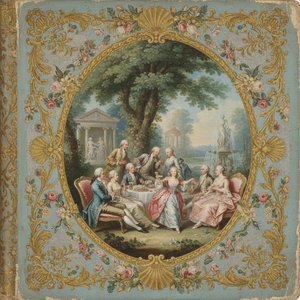
Rokokowy Styl: Arystokratyczne Przestrzenie Rozkoszy i Poszukiwanie Piękna w Sztuce XVIII Wieku
Odkryj świat rokoka – elegancji, luksusu i subtelności XVIII wieku. Poznaj mistrzów malarstwa, charakterystyczne cechy stylu oraz wpływ na sztukę i kulturę. Ekskluzywne reprodukcje obrazów na OriginalUniqueArt.com.

Rokokowy przepych: Bunt i rozkosz w sztuce XVIII wieku
Poznaj fascynujący świat rokoka – stylu pełnego wdzięku i przepychu! Odkryj historię, charakterystykę oraz wpływ tego nurtu na sztukę XVIII wieku. Ekspercka analiza i inspiracje dla miłośników historii sztuki.
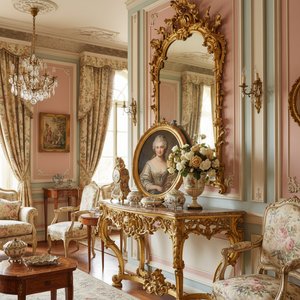
Top 10 arcydzieł epoki rokoka: artyści, historia i dekoracje wnętrz | OriginalUniqueArt.com
Odkryj 10 arcydzieł epoki rokoka! Poznaj Watteau, Boucher’a i Fragonarda – artystów, którzy zdefiniowali ten styl. Inspiracje wnętrzarskie, pastelowe kolory i reprodukcje obrazów najwyższej jakości na OriginalUniqueArt.com. Eksploruj kolekcję online!
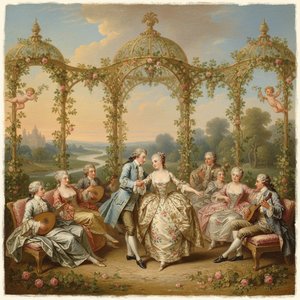
Jean-Baptiste Pater: Rococo Charm & Ephemeral Beauty of 18th-Century France
Explore the captivating world of Jean-Baptiste Pater, a master of Rococo painting. Discover his elegant *fête galante* scenes and shimmering portraits – a glimpse into 18th-century French aristocracy. Learn about his legacy & find high-quality reproductions.

Urok Elegancji w Sztuce: Historyczna i Estetyczna Eksploracja Wzniosłości i Gracji
Odkryj historię elegancji w sztuce – od rokoka po neoklasycyzm. Analiza dzieł Sir Joshua Reynoldsa i wpływu estetyki XVIII wieku na współczesne wnętrza. Ekskluzywne reprodukcje obrazów na OriginalUniqueArt.com.


