

 Zobacz w skali 1:1
 Wyślij
 Udostępnij
 Szczegóły
 Przewodnik

 Pobierz plik obrazu
 Podobne obiekty
 RTG
RTG Pokaz slajdów
 Statystyki
Benjamin Franklin


 Czytaj więcej
Giclée / Wydruk artystyczny
Wydruki giclée lub płótna o jakości muzealnej, szybka realizacja i szeroki wybór opcji wykończenia. ( Kup ręcznie malowany obraz Przełącz na wersję cyfrową)




P118B zł10

P118H zł10

P118W zł10

P438Z zł10

P508JH zł12

P508YH zł12

P805H zł10

P805Z zł10

P919BZ zł10

P919G zł10

P919XJ zł10

P959ZH zł10

P968JZ zł12

W106C zł8

W218G zł10

W218JH zł8

W218Y zł10

W307PJ zł10

W316G zł10

W316PJ zł8

W316Y zł10

W398PJ zł8

W4111J zł10

W500HY zł15

W500JH zł15

W692G zł12

W849H zł8

W940BG zł15

W953PJ zł8




Wybierz spośród naszych standardowych rozmiarów, które zachowują oryginalne proporcje dzieła sztuki.

Wpisz wymaganą szerokość i wysokość, aby dopasować grafikę do ramy lub ściany. Wydruk można jedynie przyciąć, nigdy nie powiększając go poza oryginalny obraz, dlatego format o innym proporcji spowoduje utratę części kompozycji. Przed rozpoczęciem druku prześlemy Ci cyfrowy podgląd do zatwierdzenia. Obraz wyświetlany na tej stronie nie pokazuje rzeczywistego przycięcia — jedynie podgląd oddaje ten efekt.
Dostawa na cały świat () w ciągu 2 tygodni zamiast standardowych 4/5 tygodni. (23 Październik)

Bezpłatna ekspresowa wysyłka na cały świat

Wysokiej jakości płótno lniane

Pełne ubezpieczenie transportowe

Gwarancja zwrotu należności celnych i podatków importowych

Gwarancja idealnego odwzorowania barw

100-dniowy okres na zwrot dzieła w przypadku wykrycia wad produkcyjnych

Gwarancja 100% zwrotu pieniędzy

Oferta przy zakupie wielu sztuk
 Opcja ze szkłem jest dostępna wyłącznie w rozmiarach poniżej 110 cm

Benjamin Franklin
Giclée / Wydruk artystyczny
Rozmiar reprodukcji
-


Suma do zapłaty
zł 308
The Enduring Legacy of Benjamin Franklin
Jean-Antoine Houdon’s 1778 portrait of Benjamin Franklin is more than a simple likeness; it's a meticulously crafted embodiment of the Enlightenment ideal – an attempt to capture not just a man’s appearance, but his intellect, character, and the very essence of his profound influence. Executed in the precise style of Neoclassicism, this black-and-white photograph reveals the depth of Houdon’s skill and his dedication to portraying subjects with remarkable psychological insight. The sculpture's stark monochrome palette emphasizes form and texture, drawing attention to the subtle nuances of Franklin’s features – the thoughtful furrow of his brow, the keenness of his eyes, and the dignified set of his mouth. The composition, slightly off-center, invites a contemplative gaze, encouraging viewers to engage with the portrait on a deeper level.

Image: Benjamin Franklin Bust by Jean-Antoine Houdon
Neoclassical Realism and the Portrait of a Founding Father
Houdon’s approach to portraiture during this period represented a significant departure from the Rococo styles that preceded it. He rejected elaborate ornamentation in favor of a direct, realistic representation of his subjects – a philosophy deeply rooted in classical ideals. This is evident in the sculpture's smooth, almost polished surfaces, achieved through meticulous carving and attention to detail. The soft, curved lines defining Franklin’s face and flowing hair create an impression of both strength and serenity. The use of light and shadow subtly models the form, lending a remarkable three-dimensionality to what is essentially a two-dimensional representation. Houdon's commitment to capturing not just a likeness but also the inner life of his subjects—their intellect, character, and inner lives—is powerfully conveyed in this portrait.
Symbolism of Dignity and Wisdom
The sculpture’s inherent symbolism speaks volumes about Franklin’s reputation as a statesman, inventor, and diplomat. The dignified posture, the direct gaze, and the carefully arranged attire all contribute to an image of authority and wisdom. The inclusion of elements like the partially visible neck suggests a torso clad in formal robes, reinforcing his status as a figure of public service and intellectual leadership. Furthermore, the portrait’s starkness—the absence of color—heightens its impact, focusing attention on the essential qualities of Franklin's character rather than superficial appearances. It is a testament to Houdon’s ability to distill complex personality into a single, enduring image.
A Window into the Enlightenment
Created during a period of profound social and political upheaval in France – from the waning days of the monarchy through the revolutionary fervor and subsequent Napoleonic era – this portrait offers a valuable glimpse into the intellectual climate of the Enlightenment. Houdon’s work reflects the movement's emphasis on reason, science, and classical learning. The sculpture’s focus on capturing the essence of Franklin’s intellect aligns perfectly with the Enlightenment’s pursuit of knowledge and understanding. The fact that this was one of Houdon’s first portraits of leading figures in American history underscores its significance as a foundational image in shaping the narrative of early America.
Pytania i odpowiedzi
Jaki jest dominujący odcień dzieła „Benjamin Franklin” autorstwa Jean-Antoine Houdon?
„Benjamin Franklin” skłania się ku Green to Violet Spectrum tonacji.
Czy dzieło „Benjamin Franklin” autorstwa Jean-Antoine Houdon znajduje się w domenie publicznej i dlaczego?
Dzieło "Benjamin Franklin" autorstwa Jean-Antoine Houdon znajduje się w stanowi domenę publiczną – autorskie prawa majątkowe wygasły. Okres ochrony praw autorskich liczony jest od daty śmierci artysty, a Jean-Antoine Houdon zmarł(a) w 1828.
Czy mogę zobaczyć „Benjamin Franklin” autorstwa Jean-Antoine Houdon w różnym oświetleniu?
Strona Prześwietlenie dzieła „Benjamin Franklin” autorstwa Jean-Antoine Houdon to interaktywny podgląd, który pozwala na przesuwanie jedenastu warstw optycznych obrazu, w tym widok w stylu rentgenowskim.
Biografia artysty
A Sculptor of the Enlightenment
Jean-Antoine Houdon, born in Versailles in 1741, stands as a pivotal figure bridging the Rococo and Neoclassical eras—a sculptor whose work embodies the intellectual fervor and evolving aesthetic sensibilities of the eighteenth century. His life unfolded amidst dramatic shifts in French society, from the waning opulence of the monarchy through the revolutionary upheaval and Napoleonic ascendance. Yet, Houdon remained remarkably consistent in his artistic vision: to capture not merely a likeness, but the very essence of his subjects—their intellect, character, and inner lives—in enduring marble and bronze. This dedication stemmed from an early aptitude for sculpture, nurtured by formal training at the Académie Royale de Peinture et de Sculpture beginning in 1752 under esteemed sculptors like René-Michel Slodtz, Jean-Baptiste Lemoyne, and Jean-Baptiste Pigalle. His subsequent enrollment at the École Royale des Élèves Protégés from 1761 to 1764 solidified his foundation, culminating in a triumphant win of the Prix de Rome competition in 1761—an award that granted him invaluable study time with classical art firsthand in Italy, an experience profoundly shaping his aesthetic sensibilities.The Art of Verisimilitude and Psychological Insight
Houdon’s sculptures are immediately recognizable for their breathtaking realism and meticulous attention to detail. He wasn't content with simply replicating physical features; he sought to penetrate the surface, revealing the personality and intellect within. This commitment to verisimilitude arose from a deep fascination with anatomy—evident in his celebrated *Muscleman Sideview* bronze sculpture—and an unwavering dedication to observation. Unlike many contemporaries who idealized their subjects, Houdon embraced imperfections, believing they contributed to a more truthful and compelling portrayal. He employed innovative techniques, including taking casts directly from life, allowing him to capture remarkable nuance and subtlety that distinguished his work from others of the time. This approach was particularly evident in his portrait busts, which became his signature achievement. These weren’t merely static representations; they were dynamic studies of character, imbued with psychological depth and emotional resonance. Houdon's ability to convey not just *how* someone looked, but *who* they were—their virtues, their passions, their anxieties—was a revolutionary departure from prevailing artistic conventions. He achieved this through subtle nuances in expression, posture, and the rendering of details like the eyes—often carved with a slight concavity to capture the play of light and suggest inner thought. This meticulous attention to detail wasn’t merely stylistic; it reflected Houdon's conviction that sculpture could illuminate the human condition and communicate profound truths about human nature.Immortalizing an Era: A Pantheon of Enlightenment Figures
The breadth of Houdon’s clientele reads as a veritable who’s who of the Enlightenment. He immortalized some of the most influential thinkers, writers, politicians, and leaders of his time—individuals who championed reason, liberty, and progress amidst the turbulent currents of European history. His terracotta portrait of Denis Diderot captures the philosopher’s intellectual intensity and unconventional spirit with remarkable sensitivity, reflecting his belief in the power of critical inquiry and challenging established dogma. Benjamin Franklin, portrayed during his diplomatic mission to France, appears as a man of wisdom and pragmatism, his gaze both shrewd and benevolent—a testament to his astute understanding of politics and diplomacy. Jean-Jacques Rousseau, sculpted with characteristic empathy, embodies both the passion and melancholy that defined his philosophy—a poignant portrayal of human vulnerability and moral responsibility. Perhaps most famously, Houdon sculpted Voltaire—creating multiple versions of the celebrated writer, including a dynamic seated figure for the Comédie-Française that captures his wit and intellectual energy. This sculpture exemplifies Houdon’s masterful ability to distill complex ideas into tangible form, conveying Voltaire's philosophical convictions with arresting clarity. Beyond these intellectual giants, Houdon also received commissions from royalty, notably Louis XVI—a symbol of the waning grandeur of the Bourbon monarchy—and rising political figures like Napoleon Bonaparte—marking a pivotal moment in French history.Key Characteristics of Houdon’s Style
- Neoclassical Realism: Houdon's sculptures are characterized by their exceptional realism and attention to detail, rooted in classical principles but infused with a commitment to portraying subjects as they truly were.
- Psychological Depth: He meticulously captured not only the physical features but also the psychological essence of his subjects—their intellect, character, and inner lives—moving beyond mere likeness to convey personality and intellect.
- Historical Significance: His portraits offer invaluable glimpses into the lives and times of influential figures like Washington, Franklin, Voltaire, and Rousseau, serving as important historical documents.
- Innovative Techniques: Houdon pioneered techniques such as taking casts directly from life—a groundbreaking practice that ensured unparalleled accuracy in capturing anatomical detail and conveying emotional nuance.
Legacy and Enduring Influence
Jean-Antoine Houdon’s impact on the world of sculpture is undeniable. He elevated portraiture to an art form capable of profound psychological insight and historical documentation, establishing a new standard for sculptural representation that continues to inspire artists today. His dedication to realism—combined with his ability to capture the essence of his subjects—set him apart from many of his contemporaries and cemented his place as one of history’s greatest portrait sculptors. Throughout his life, he received widespread recognition, being named a Chevalier de la Légion d'honneur in 1804 and a Chevalier de l'Empire in 1809—testaments to his esteemed status within French society. His sculptures remain highly valued today, not only for their artistic merit but also for the invaluable glimpses they provide into the lives and times of the Enlightenment era. Houdon’s legacy extends far beyond his own lifetime, influencing generations of sculptors who followed him—a testament to his enduring contribution to the history of art. Houdon's work serves as a powerful reminder of the enduring power of art to capture the human spirit and preserve it for generations to come.
Jean-Antoine Houdon
1741 - 1828 , Francja
Najważniejsze informacje
- Artistic Movement Or Style: Neoklasycizm
- Artists Or Movements Influenced By This Artist: ['Canova']
- Artists Who Influenced This Artist:
- René-Michel Slodtz
- Jean-Baptiste Lemoyne
- Jean-Baptiste Pigalle
- Bernini
- Date Of Birth: 1741
- Full Name: Jean-Antoine Houdon
- Nationality: Francuski
- Notable Artworks:
- George Washington
- Voltaire
- Benjamin Franklin
- Place Of Birth: Versailles, France
Zobacz także powiązane artykuły

10 Legendarnych Brązów, Które Zrewolucjonizowały Sztukę | OriginalUniqueArt
Odkryj 10 legendarnych rzeźb brązowych, które zrewolucjonizowały sztukę! Poznaj historie Rodina, Donatello i innych mistrzów. Inspiracje wnętrzarskie & reprodukcje najwyższej jakości na OriginalUniqueArt.com.
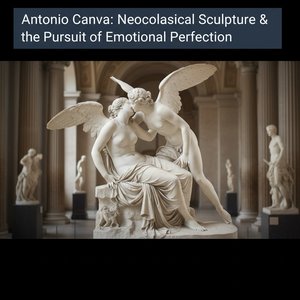
Antonio Canova: Neoclassical Sculpture & the Pursuit of Emotional Perfection
Explore the life & art of Antonio Canova, the greatest Neoclassical sculptor. Discover his masterpieces, innovative techniques, and lasting influence on fine art collecting. Expert insights for discerning investors.

Trwałe Formy: Ewolucja Technik i Tematów w Rzeźbie Przez Wieki – Od Antyku do Renesansu
Poznaj fascynującą historię rzeźby od antyku do renesansu! Odkryj techniki, wybitnych artystów i wpływ na współczesną sztukę. Ekspercka analiza dla kolekcjonerów i miłośników.

Trwała Forma: Rzeźba w Historii – Technika i Rezonans Emocjonalny
Poznaj historię rzeźby od antyku do współczesności! Ekspercka analiza technik, stylów i emocjonalnego wpływu arcydzieł. Inspiracje dla kolekcjonerów i miłośników sztuki.

10 Legendarnych Brązów Rzeźbiarskich, Które Zmieniły Sztukę | OriginalUniqueArt
Odkryj 10 legendarnych rzeźb brązowych od Rodina, Degasa i innych mistrzów! Poznaj historię powstania arcydzieł sztuki i inspiruj się do dekoracji wnętrz. Reprodukcje najwyższej jakości na OriginalUniqueArt.com – zobacz kolekcję!


