
 Wyślij jako kartkę
 Udostępnij
 Szczegóły dzieła
 Przewodnik

 Pobierz obraz
 Podobne obiekty
 Pokaz slajdów
 Pytania i odpowiedzi
 Statystyki
Kul-e Farah relief I


 Rozwiń treść
Dzieło sztuki prezentowane na tej stronie podlega ochronie prawem autorskim, co oznacza, że nie mamy prawa do tworzenia ani sprzedaży jego identycznej reprodukcji. Ochrona ta jest egzekwowana na mocy umów międzynarodowych, takich jak Konwencja berneńska oraz przez przepisy prawa krajowego, w tym te określone w Prawo autorskie USA – Tytuł 17.
Metoda ta jest w pełni zgodna z przepisami prawa autorskiego, ponieważ nie polega na kopiowaniu ani powielaniu chronionego dzieła. Stanowi ona kreatywną reinterpretację – nowy obraz, który czerpie inspirację z oryginału, ale nie jest z nim tożsamy.
Giclée / Wydruk artystyczny
Wydruki giclée lub płótna o jakości muzealnej, szybka realizacja i szeroki wybór opcji wykończenia. ( Zamów ręcznie malowaną reprodukcję Przejdź do wersji cyfrowej)




































Wybierz spośród naszych standardowych rozmiarów, które zachowują oryginalne proporcje dzieła sztuki.

Wpisz wymaganą szerokość i wysokość, aby dopasować grafikę do ramy lub ściany. Wydruk można jedynie przyciąć, nigdy nie powiększając go poza oryginalny obraz, dlatego format o innych proporcjach spowoduje utratę części kompozycji. Przed rozpoczęciem druku prześlemy Ci cyfrowy podgląd do zatwierdzenia. Obraz wyświetlany na tej stronie nie pokazuje rzeczywistego przycięcia — jedynie podgląd oddaje ten efekt.
Dostawa na cały świat () w ciągu 2 tygodni zamiast standardowych 4/5 tygodni. (10 Listopad)

Bezpłatna ekspresowa wysyłka na cały świat

Wysokiej jakości płótno lniane

Pełne ubezpieczenie przesyłki

Gwarancja zwrotu należności celnych i podatków importowych

Gwarancja wiernego odwzorowania kolorów

100-dniowa polityka zwrotów (tylko w przypadku wad)

Gwarancja 100% zwrotu pieniędzy

Zniżka przy zakupie wielu sztuk
 Opcja ze szkłem jest dostępna wyłącznie w rozmiarach poniżej 110 cm

Kul-e Farah relief I
Giclée / Wydruk artystyczny
Wymiary reprodukcji
-


Cena całkowita
zł 318
A Silent Witness to Elamite Grandeur
Perched high above the landscape, carved into a vertical niche some five and a half meters from the ground, the Kul-e Farah relief I stands as a profound testament to the enduring spirit of the Elamite highland tradition. This ancient masterpiece is not merely a carving on stone; it is a monumental dialogue between man and nature, frozen in time since approximately 500 BC. The relief serves as a vital historical link, embodying the sophisticated artistic language of an era that flourished in the ancient Near East. To gaze upon this work is to witness the intersection of political authority and artistic devotion, where every line etched into the rock face speaks of a civilization deeply rooted in its rugged, mountainous terrain.
The composition of the relief is both intricate and commanding, showcasing a scene of figures positioned with a deliberate sense of hierarchy and presence. The artistry lies in the way the carver utilized the natural contours of the rock to breathe life into the subjects, creating a sense of depth that invites the viewer to contemplate the lives of those depicted. Within the vertical niche, the relief integrates multiple elements of elite representation, drawing from much older traditions of valley carvings to assert the prestige of its creators. For the discerning collector or lover of antiquity, this piece offers a window into a world where art was used to solidify the identity of rulers and the sanctity of their lands.
The Language of Power and Inscription
Beyond its visual majesty, the Kul-e Farah relief I is a literary treasure, housing a complex narrative written in stone. The surface is adorned with twenty-four horizontal registers of an inscription that remains one of the most significant, yet enigmatic, archaeological finds of the region. This text provides a rare glimpse into the political landscape of the time, identifying the local ruler Hanni, son of Tahhi, who served as the "caretaker, protector, and ruler" of Ayapir. His role as a vassal to the Elamite king Shutur-Nahhunte highlights the intricate web of loyalty and governance that defined the period between 625 and 585 BC. The presence of nine additional epigraphs, delicately inscribed over the skirts of the carved figures, adds a layer of rhythmic detail that enhances the relief's textural complexity.
For interior designers and curators of historical reproductions, this artwork offers an unparalleled opportunity to introduce a sense of profound history and intellectual depth into a space. The interplay between the rugged texture of the stone and the precise, delicate epigraphs creates a visual tension that is both intellectually stimulating and aesthetically grounding. A high-quality reproduction of this relief does more than decorate a wall; it anchors a room with the weight of millennia, providing a conversation piece that bridges the gap between modern luxury and ancient heritage.
An Eternal Legacy in Stone
The emotional impact of the Kul-e Farah relief I stems from its sheer resilience. Despite the passage of over two thousand years, the figures and their stories remain remarkably well-preserved, offering a hauntingly beautiful connection to the Elamite civilization. The way the light plays across the carved surfaces—mimicking the natural sunlight that has illuminated this niche for centuries—creates an ever-changing aesthetic experience. It is a work that celebrates the concept of permanence in an impermanent world.
Owning or displaying a tribute to this relief allows one to participate in the preservation of human memory. Whether integrated into a contemporary gallery setting or used as a focal point in a sophisticated study, the piece evokes a sense of awe and reverence. It invites the observer to look upward, much like the original viewers did, and to find inspiration in the enduring strength of the Elamite spirit and the masterful hands that carved it into the very bones of the earth.
Pytania i odpowiedzi
Jak opisany jest nastrój dzieła „Kul-e Farah relief I” – Javier Álvarez Mon?
Nastrój dzieła „Kul-e Farah relief I” – Javier Álvarez Mon opisuje się jako Earthy. Klasyfikacja ta może pomóc w dopasowaniu pracy do konkretnego wnętrza.
Jakie emocje budzi "Kul-e Farah relief I"?
„Kul-e Farah relief I” budzi Mysterious emocje. Ton emocjonalny opisuje wrażenie, jakie wywołuje to dzieło.
Gdzie mogę kupić wydruk „Kul-e Farah relief I” – Javier Álvarez Mon?
Odbitkę dzieła „Kul-e Farah relief I” – Javier Álvarez Mon można zamówić bezpośrednio na stronie Wydruk artystyczny premium: szlachetna odbitka na płótnie bawełnianym lub archiwalnym papierze o strukturze płótna.
Biografia artysty
Javier Álvarez-Mon to hiszpan, archeolog i historyk, specjalizujący się w starożytnym Bliskim Wschodzie. Urodził się w Madrycie w 1969 roku, a swój doktorat z archeologii uzyskał na Uniwersytecie Komplutense w Madrycie w 2001 roku. Obecnie jest badaczem w Hiszpańskiej Narodowej Radzie Badań (CSIC) oraz dyrektorem grupy badań elamickich na Uniwersytecie w Barcelonie.
Wykształcenie i kariera
edukacja Javiera Álvareza-Mona koncentrowała się na archeologii i historii, ze szczególnym uwzględnieniem starożytnego Bliskiego Wschodu. Jego badania skupiły się na kulturze Elam, co zaowocowało publikacją licznych artykułów i książek na ten temat, w tym świat Elamu (2018) oraz Elam: historia, sztuka i archeologia (2021).Badania i publikacje
badania Javiera Álvareza-Mona koncentrują się na kulturze Elamu, a on sam opublikował wiele prac naukowych poświęconych temu zagadnieniu. Do jego najbardziej znaczących publikacji należą:- świat Elamu (2018)
- Elam: historia, sztuka i archeologia (2021)
- kultura Elamu (2015)
- Elam: historia regionu (2012)
Współpraca i projekty
Javier Álvarez-Mon współpracował z innymi badaczami i brał udział w wielu projektach naukowych. Do jego najważniejszych przedsięwzięć należą:- projekt elamicki: projekt badawczy dotyczący kultury Elamu, finansowany przez Hiszpańską Narodową Radę Badań (CSIC).
- projekt wykopalisk w Iranie: projekt archeologicznych badań terenowych w Iranie, finansowany przez Uniwersytet w Barcelonie.
- projekt badań nad kulturą Elamu: projekt badawczy poświęcony kulturze Elamu, finansowany przez Uniwersytet w Barcelonie.
Znaczenie jego pracy
praca Javiera Álvareza-Mona jest kluczowa dla zrozumienia kultury Elamu oraz jej znaczenia w historii starożytnego Bliskiego Wschodu. Jego badania pozwoliły na postęp w poznaniu tego regionu i zaowocowały licznymi publikacjami. Niektóre z jego artykułów i książek można znaleźć na stronie https://OriginalUniqueArt.com, gdzie dostępne są szczegółowe informacje o jego dorobku. Informacje o innych artystach i malarzach można również znaleźć w Muzeum Real Academia de Bellas Artes de San Fernando oraz Musée de la Chasse et de la Nature.
Javier Álvarez Mon
1969 - , Hiszpania
Powiązane artykuły

Mastering the Woodcut: A Definitive Guide to the Art of Relief Printing and its Historical Legacy
Explore the profound history and technical mastery of woodcut relief printing. From ancient origins to German Expressionism, discover how artists use the subtractive process to create iconic works. A definitive guide for art students, collectors, and historians.
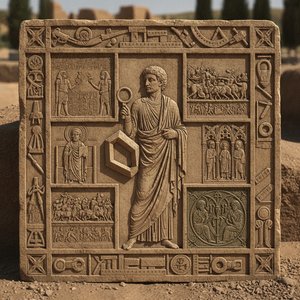
Mastering Dimension: An Art Historian's Guide to the Elegance of Sculptural Relief Art
Explore the profound beauty of sculptural relief art. From classical bas-relief to modern geometric textures, discover how depth and light transform spaces through an expert guide on art history and sophisticated curation for discerning collectors.

Sculpting with Soul: The Ultimate Guide to Mastering Bas-Relief and Plaster Artistry
Master the intricate art of plaster bas-relief with our expert guide for art students. Learn professional techniques in material selection, texture carving, and pigment integration to create soulful, dimensionally rich sculptural masterpieces.
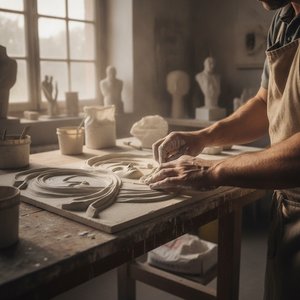
Sculpting with Soul: An Expert Guide to the Tactile Elegance of Plaster Relief Art
Discover the captivating world of plaster relief art. Our expert guide explores the history, techniques, and curation of textured bas-relief, helping collectors bring depth, light, and soulful dimension to their modern interiors through sophisticated sculptural masterpieces.
10 Arcydzieł Sztuki w Odcieniach Kamienia – Inspiracje do Wnętrz | OriginalUniqueArt.com
Odkryj 10 arcydzieł sztuki w odcieniach kamienia! Poznaj historie van Gogha, Moneta i Picassa. Inspiracje wnętrzarskie i reprodukcje obrazów najwyższej jakości na OriginalUniqueArt.com – idealne do Twojego domu. Eksploruj kolekcję online!