 Podgląd w skali 1:1
 Wyślij jako kartkę
 Udostępnij
 Szczegóły dzieła
 Przewodnik

 Pobierz obraz
 Podobne obiekty
 RTG
RTG Pokaz slajdów
 Pytania i odpowiedzi
 Statystyki
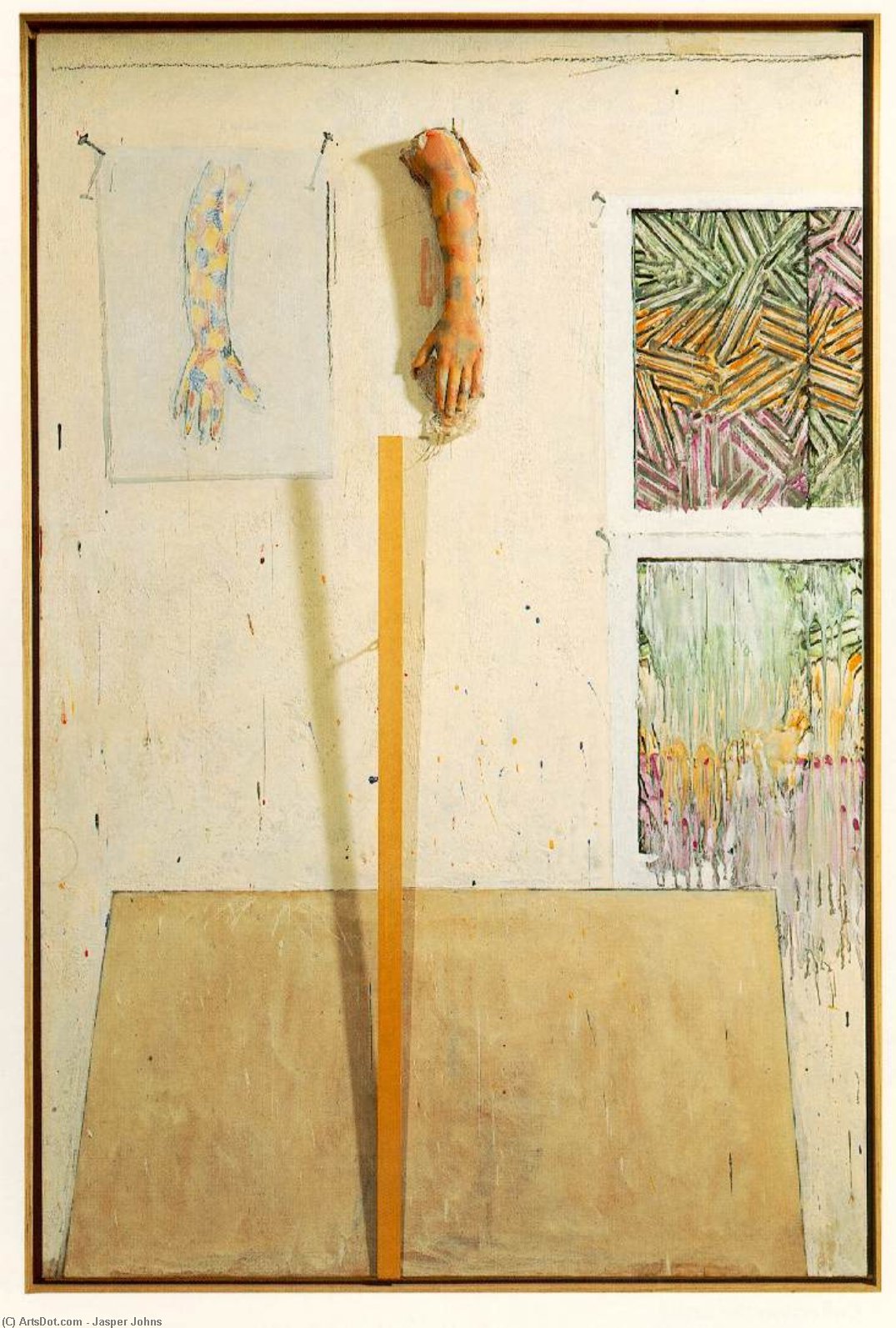
In the Studio

 Rozwiń treść
Otrzymaj plik gotowy do druku, którego jakość znacznie przewyższa podgląd internetowy. Każdy sprzedawany przez nas obraz cyfrowy pochodzi z wysokorozdzielczego pliku wzorcowego w naszej bazie — zazwyczaj o szerokości od 5 000 do 15 000 pikseli — dzięki czemu możesz drukować w dużym formacie, mocno kadrować lub z pełnym przekonaniem odwzorowywać najdrobniejsze detale.
Żaden plik nie opuszcza naszego studia bez odpowiedniej obróbki. Ekspert ds. cyfrowej edycji sprawdza zgodność kolorów z oryginałem i w razie potrzeby je koryguje, a następnie za pomocą profesjonalnych narzędzi do retuszu poprawia ostrość oraz szczegółowość — zawsze zachowując wierność pociągnięciom pędzla i stylowi artysty. Rezultatem jest obraz, który wygląda jak prawdziwe dzieło, a nie jak przefiltrowany skan.
Zatwierdzasz przed finalizacją zamówienia: nasz ekspert prześle obraz drogą mailową w ciągu 72 godzin do Twojego wglądu. Nie jesteś zadowolony? Poproś o poprawki lub korektę, bądź o zwrot kosztów, jeśli jakość nie spełnia oczekiwań.
To jakość, na której polegają wydawcy, studia projektowe, galerie oraz drukarnie.
Obraz cyfrowy
Pobierz plik o wysokiej rozdzielczości do osobistego użytku, druku oraz projektów kreatywnych. ( Przełącz na wydania drukowane Zamów ręcznie malowaną reprodukcję)
W każdym zamówieniu na obraz cyfrowy znajduje się
Profesjonalna dostawa cyfrowa z gwarancją
Wybierając OriginalUniqueArt.com, nie otrzymujesz jedynie obrazu – otrzymujesz profesjonalnie udoskonalone cyfrowe dzieło sztuki, stworzone z najwyższą precyzją i objęte gwarancją satysfakcji. Oto wszystko, co automatycznie dołączane jest do Twojego zamówienia:

Błyskawiczna wysyłka e-mailowa
Plik z obrazem cyfrowym w wysokiej rozdzielczości zostanie przesłany na Twój adres e-mail w ciągu 72 godzin od złożenia zamówienia – gotowy do natychmiastowego użycia.

Plik cyfrowy wzbogacony przez AI
Twoja grafika została profesjonalnie zoptymalizowana przy użyciu zaawansowanych narzędzi AI oraz ręcznej edycji, co zapewnia maksymalną szczegółowość, klarowność i wierność kolorów.

Darmowe ponowne przesyłki dożywotnio
Przypadkowo usunąłeś lub zgubiłeś swój plik? Bez obaw – prześlemy go Tobie ponownie w dowolnym momencie, bez żadnych opłat.

Bez opłat importowych – zawsze
Ciesz się swoją sztuką natychmiast, bez żadnych opłat celnych, należności ani kosztów dostawy – pliki cyfrowe są zawsze wolne od podatku.

Gwarancja wierności kolorów
Dzięki zastosowaniu profesjonalnych narzędzi i procesów zarządzania barwą zapewniamy, że Twoje cyfrowe zdjęcie odzwierciedla oryginalne kolory tak wiernie, jak to tylko możliwe.

Gwarancja satysfakcji przez 100 dni
Jeśli nie będziesz zadowolony ze swojego cyfrowego obrazu, dokonamy jego poprawki lub zwrócimy 100% kosztów w ciągu 100 dni – bez zbędnych pytań.

100% Gwarancja zwrotu pieniędzy
Nie jesteś zadowolony? Otrzymaj pełny zwrot kosztów w ciągu 100 dni od otrzymania pliku cyfrowego – bez zbędnych pytań.

Rabaty przy zamówieniach hurtowych
Kup 3 obrazy, oszczędź 10% - Kup 5, oszczędź 15% - Kup 10+, oszczędź 20%. Idealne do projektów kreatywnych, galerii i agencji.
In the Studio – A Surreal Echo of Artistic Struggle
The artwork, “In the Studio” by Jasper Johns, stands as a haunting meditation on creativity and isolation—a piece that transcends mere visual representation to delve into profound psychological themes. Executed in oil paint on canvas, this enigmatic composition captures a moment frozen in time within an artist’s workspace, presenting a tableau of unsettling beauty and symbolic resonance. Its muted palette – predominantly beige and cream for the wall – immediately establishes a sense of age and vulnerability, mirroring perhaps the anxieties inherent in confronting one's own artistic process.Style & Technique: Surrealism Infused with Expressionism
Johns’ approach aligns seamlessly with both Surrealist and Expressionist sensibilities. The loose brushwork employed throughout—particularly on the textured wall—creates a palpable physicality that contrasts sharply with the ethereal quality of the abstract windows. This textural layering contributes to an overall feeling of unease, mirroring the artist's internal turmoil. The technique prioritizes capturing emotion rather than precise observation, evident in the bold colors splashed across the window panes – pinks, purples, and blues—which erupt from geometric grids with a deliberate disregard for conventional perspective. It’s a masterful blend that elevates the artwork beyond simple depiction into a powerful statement about artistic experience.Historical Context & Symbolism: Detachment and Fragmentation
Painted in the aftermath of World War II, “In the Studio” reflects the broader anxieties of the era—a period marked by disillusionment and questioning of established norms. Johns’ exploration of fragmented forms and symbolic imagery speaks to the psychological complexities of the time. The prominent severed arm hanging on the wall serves as a potent emblem of detachment – representing not only physical separation but also the artist's fractured self-perception. This unsettling visual motif underscores the difficulty of achieving wholeness in creative endeavor, mirroring Johns’ own personal struggles with identity and belonging.Emotional Impact & Artistic Legacy
“In the Studio” compels viewers to confront uncomfortable truths about artistic ambition and vulnerability. The artwork’s subdued colors and textured surface evoke a sense of melancholy and contemplation, inviting introspection on themes of loss and perseverance. Jasper Johns' masterful manipulation of color and form cemented his place as a pivotal figure in 20th-century art—a pioneer who dared to challenge conventions and explore the subconscious mind. Its enduring appeal lies in its ability to capture the essence of artistic struggle with unflinching honesty, ensuring that “In the Studio” continues to resonate with audiences today.Pytania i odpowiedzi
Jak mogę podejrzeć reprodukcję dzieła „In the Studio” – Jasper Johns?
Aby podglądnąć reprodukcję dzieła „In the Studio” – Jasper Johns, otwórz stronę Podgląd w pomieszczeniu danego utworu.
Jaki nastrój emocjonalny budzi „In the Studio” – Jasper Johns?
Emocjonalny ton przypisany do „In the Studio” – Jasper Johns to Melancholic. Oddaje on emocje, jakie wyraża to dzieło.
Gdzie mogę pobrać „In the Studio” – Jasper Johns?
Obraz „In the Studio” – Jasper Johns można pobrać na stronie Pobierz plik cyfrowy dzieła: wysokiej rozdzielczości cyfrowe zdjęcie do pobrania.
Biografia artysty
Wczesne lata, rodzina i kształcenie
Jasper Johns przyszedł na świat 15 maja 1930 roku w Augustzie w stanie Georgia. Małżeństwo jego rodziców rozpadło się w rozwód, gdy artysta był jeszcze bardzo młody, co sprawiło, że wychowywał się w Karolinie Południowej. Większość dzieciństwa spędził w Allendale, mieszkając u dziadków ze strony ojca. Później przebywał z matką i ojczym w Columbii, by ostatecznie zamieszkać u swojej ciotki Gladys nad jeziorem Murray. Pierwsze rysunki tworzył już w wieku trzech lat. Gdy dotarł do czasów licealnych, jego pasja do rzemiosła była już w pełni ukształtowana, co zaowocowało ukończeniem Edmunds High School w Sumter w 1947 roku z tytułem najlepszego absolwenta klasy.
Jego formalna edukacja rozpoczęła się na Południu, gdzie przez trzy semestry studiował na University of South Carolina w Columbii. Po opuszczeniu uczelni, w 1949 roku, podjął decyzję o przeprowadzce do Nowego Jorku. To właśnie tam, w tętniącym życiem mieście, zapisał się do Parsons School of Design, aby kontynuować swoją artystyczną ścieżkę. W tych kluczowych, formacyjnych latach podejmował różne dorywcze prace, w tym pracował jako sprzedawca w księgarni, zanim jego plany i rozwój przerwał obowiązek służby wojskowej.
Służba wojskowa i powrót do Nowego Jorku
Trajektoria jego wczesnych lat została przerwana w 1951 roku, kiedy został powołany do Armii Stanów Zjednoczonych podczas wojny w Korei. Ten okres służby oddalił go od artystycznych szkół Wschodniego Wybrzeża, rzucając go w dwa skrajnie odmienne światy. Spędził czas stacjonując w Fort Jackson w Karolinie Południowej, zanim został wysłany do Sendai w Japonii. Te lata służby wojskowej zapewniły mu dystans od tętniącej życiem sceny artystycznej, którą zaczął zgłębiać w Nowym Jorku.
Latem 1953 roku powrócił do Nowego Jorku. Miasto stało się dla niego miejscem transformacji, a on sam znalazł zatrudnienie w Marboro Books. Ten czas pracy pozwolił mu ponownie oswoić się z miejskim środowiskiem, przenikając przez społeczne i artystyczne warstwy metropolii. To właśnie w tych miesiącach, po zakończeniu służby, zaczął nawiązywać relacje, które miały zdefiniować jego późniejszą praktykę twórczą, pracując ramię w ramię z innymi artystami w nowojorskich loftach i pracowniach.
Narodziny nowego języka wizualnego
Do 1954 roku w sposobie traktowania obiektów na płótnie nastąpiła fundamentalna zmiana. Zamiast spontanicznych, gesturalnych śladów, które definiowały ówczesną epokę, pojawił się zwrot ku rzeczom, które umysł już zna. Oznaczało to posługiwanie się symbolami niewymagającymi żadnych wyjaśnień: flagami, mapami, tarczami, literami i numerami. Nie były to ilustracje konkretnych wydarzeń, lecz raczej rozpoznawalne formy służące do badania tego, jak postrzegamy znaczenie. Twórczość ta stała się sposobem na przyjrzenie się samemu aktowi widzenia, wykorzystującym to, co znane, by podważyć naturę reprezentacji.
To podejście pomogło ugruntować jego pozycję jako centralnej postaci w rozwoju powojennej sztuki amerykańskiej. Jego pierwsza wystawa solowa odbyła się w 1958 roku w Leo Castelli Gallery, gdzie obecność tych powszechnych symboli po raz pierwszy spotkała się z szerszą publicznością. Obrazy te nie próbowały uciekać od świata poprzez abstrakcję; one sprowadzały świat do pracowni za pomocą tych cichych, powtarzalnych motywów. Poprzez odrzucenie potrzeby narracji, punkt ciężkości przesunął się na powierzchnię płótna oraz sposób, w jaki symbol funkcjonuje jako kod wizualny.
Technika i styl artystyczny
Powierzchnia obrazów, które tworzy Jasper Johns, często sprawia wrażenie ciężkiej i wielowarstwowej. Artysta po mistrzowsku posługiwał się techniką enkaustyki, polegającą na mieszaniu pigmentu z gorącym woskiem, co pozwala na stworzenie gęstej, bogatej w teksturę warstwy. Ta metoda nadaje płótnu fizyczną głębię, w którą czasem bezpośrednio wkomponowywane są elementy kolażu lub wycinki z gazet. Takie nakładanie warstw nie sugeruje jednak gwałtownego, spontanicznego gestu. Wręcz przeciwnie, jego prace emanują poczuciem świadomej kontroli. Każda kreska i każdy kształt zdają się być umieszczone z konkretną intencją, co stanowi wyraźne odejście od chaotycznych, emocjonalnych zacieków charakterystycznych dla innych stylów połowy XX wieku. Johns preferował bardziej wyważone i przemyślane podejście do procesu konstruowania obrazu.
Ślad jego twórczej ręki widoczny jest na wielu płaszczyznach. Artysta swobodnie poruszał się między ciężką fakturą enkaustyki a precyzyjną, ostrą linią grafiki warsztatowej. Jego praktyka artystyczna obejmowała litografię, sitodruk, akwafortę oraz akwatintę. Te różnorodne techniki pozwalały mu na powtarzanie tych samych kształtów i symboli przy użyciu odmiennych tekstur. Często wracał do tych samych motywów – liczb, liter czy map – aby obserwować, jak zmienia się ich odbiór, gdy zmienia się metoda nakładania barw. Całość jego twórczości skupia się na procesie rozpoznawania kształtu przez widza oraz na tym, jak to rozpoznanie ewoluuje, gdy powierzchnia dzieła staje się warstwowa lub pofragmentowana.
- Target (1958)
- White Flag (1955)
- Colored alphabet (ok. 1959)
- False Start (1959)
- Perilous Night (1982)
Kluczowe dzieła i ikoniczna symbolika
Twórczość Jaspera Johns skupia się często na tym, co umysł już zna i rozpoznaje. W połowie lat 50. XX wieku obraz Flag (1954–55) wykorzystał kolaż z gwiazd i pasów, nakładając warstwy gazety na pigment. To podejście przekształciło znajomy symbol w bogatą, teksturalną powierzchnię z wosku i papieru. Z czasem wizualna narracja ewoluowała od tych wielkich, płaskich symboli w stronę bardziej skoncentrowanych form. Nastąpiła po tym seria obrazów przedstawiających tarcze, w których motyw celu służył do podważenia sposobu, w jaki widz postrzega prosty kształt. Jednym z takich dzieł jest Target with Four Faces (1958), gdzie twarze umieszczone w czerwonym polu wywołują niepokój poprzez swoją powtarzalną, pozbawioną ekspresji aranżację.
Skupienie na rozpoznawalnych przedmiotach trwało nadal w latach 60. XX wieku. Praca z 1961 roku, Map, wykorzystała fragmentaryczne przedstawienia Stanów Zjednoczonych, aby przyjrzeć się kwestiom geografii i tożsamości. Ten okres przyniósł również zwrot ku formom trójwymiarowym, które naśladowały przedmioty codziennego użytku. W 1960 roku powstała seria Painted Bronze (puszki piwa). Te rzeźby, choć odlane z brązu, zostały pomalowane tak, aby wyglądać dokładnie jak przedmioty, które reprezentowały, zacierając tym samym granicę między obiektem rzeczywistym a jego malarską imitacją.
- White Flag (1955)
- Three Flags (1958)
- False Start (1959)
- Colored Alphabet (około 1959)
Krąg wpływowych współpracowników
W loftach Manhattanu powietrze było gęste od dzielonych idei i cichego tarcia wynikającego z bliskości. Jasper Johns mieszkał w mieszkaniach sąsiadujących z apartamentami, w których przebywał Robert Rauschenberg – relacja ta miała charakter zarówno romantyczny, jak i artystyczny aż do 1961 roku. Spędzali dni na projektowaniu witryn sklepowych dla takich domów towarowych jak Tiffany i Bonwit Teller, pracując ramię w ramię, by przekształcić to, co przyziemne, w coś zupełnie innego. Ta bliskość sprawiała, że ich twórczość pozostawała w nieustannym dialogu, będąc ciągłą wymianą myśli i wizualnych eksperymentów, które pomogły wyznaczyć nowy kierunek dla sztuki amerykańskiej.
To kręgi wpływów rozciągały się również na sfery dźwięku i ruchu. Jasper Johns był bliskim przyjacielem kompozytora John Cage oraz choreografa Merce’a Cunninghama. Te powiązania wprowadziły do jego myślenia zupełnie inny rodzaj rytmu, zakorzeniony w awangardzie. Poruszał się w krajobrazie, w którym granice między różnymi dyscyplinami były przepuszczalne, inspirowany sposobem, w jaki Cage i Cunningham podchodzili do struktury i przypadku. Nawet idee Marcel Duchamp unosiły się w tle, stanowiąc ramy dla kwestionowania samej natury tego, co przedmiot może reprezentować, gdy zostanie umieszczony w kontekście dzieła sztuki.
Dziedzictwo i nieprzemijający wpływ
Przejście od spontanicznych, gesturalnych śladów ekspresjonizmu abstrakcyjnego ku rozpoznawalnej ikonografii Pop Artu dokonało się w dużej mierze dzięki jego twórczości. Poprzez sięgnięcie po rzeczy, które umysł już zna – flagi, tarcze i liczby – oraz potraktowanie ich jako przedmiotów głębokiej analizy, Jasper Johns zmienił sposób, w jaki artyści podchodzili do płótna. Ten zwrot ku codzienności utorował drogę dla twórczości takich artystów jak Andy Warhol oraz Roy Lichtenstein, którzy w późniejszych latach rozwinęli te idee kultury masowej i przedmiotu towarowego.
Jego obecność w świecie sztuki została naznaczona najwyższymi laurami uznania. W 1988 roku został uhonorowany Złotym Lwem na Biennale w Wenecji, a w 2011 roku otrzymał Prezydencki Medal Wolności. Te wyróżnienia stanowią odzwierciedlenie kariery poświęconej nieustannemu kwestionowaniu natury reprezentacji oraz sposobu, w jaki symbole funkcjonują w nieustannie zmieniającym się społeczeństwie.
- Flag (1954–55)
- Target (1958)
- Map (1961)
- Perilous Night (1982)
Gdzie dziś można zobaczyć jego dzieła
Aby stanąć twarzą w twarz z jego malarstwem i rzeźbą, warto udać się do Nowego Jorku. Muzeum Sztuki Nowoczesnej (MoMA) przechowuje wiele jego wybitnych dzieł, podczas gdy Whitney Museum of American Art oraz Metropolitan Museum of Art również posiadają jego prace w swoich prestiżowych kolekcjach. Instytucje te skrywają różne etapy jego artystycznej drogi – od wczesnych eksperymentów z techniką enkaustyki, aż po późniejsze, intymne rozważania nad przestrzenią pracowni artysty.
Twórczość Jasper Johns wykracza daleko poza granice Stanów Zjednoczonych. W Londynie, w Tate Modern, można odnaleźć dzieła odzwierciedlające jego wieloletnie zainteresowanie tym, w jaki sposób postrzegamy znane nam symbole. Obcowanie z tymi obiektami w tak odmiennych kontekstach pozwala na głębszą analizę tego, jak jego unikalne podejście do tekstury i powtarzalności formy rezonuje pod wpływem różnego światła.
- White Flag, 1955
- Target, 1958
- Map, 1961
- Perilous Night, 1982
- Dancers on a Plane, ok. 1964

Jasper Johns
1930 - , Stany Zjednoczone
Krótka nota
- Artyści Lub Nurty Zainspirowani Tym Artystą:
- Pop Art
- Andy Warhol
- Roy Lichtenstein
- Artyści, Którzy Zainspirowali Tego Artystę: ['Marcel Duchamp']
- Data Urodzenia: 1930
- Miejsce Urodzenia: Augusta, Stany Zjednoczone Ameryki
- Narodowość: Amerykańska
- Pełne Imię I Nazwisko: Jasper Johns
- Wyróżniające Się Dzieła:
- Flag
- Target
- Map
- False Start
- White Flag