- Strona główna

- Druk na płótnie
- jános rombauer
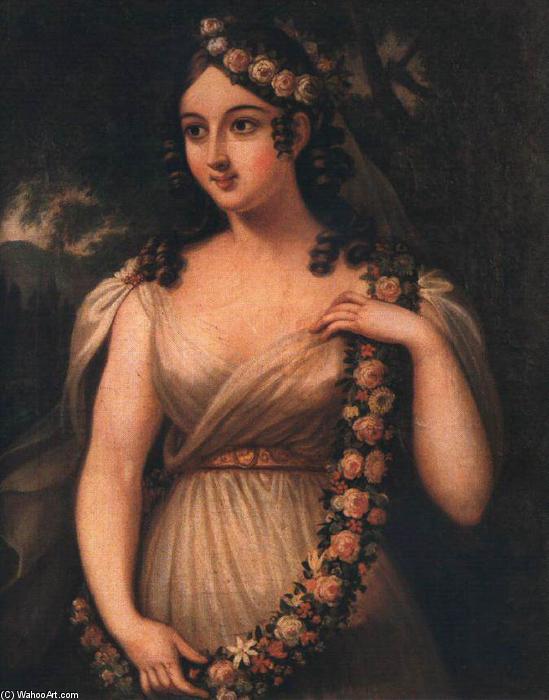
- Spring (Flora, May)
 Zamów reprodukcję Kup cyfrowy obraz
 Udostępnij
 Udostępnij
 Szczegóły dzieła
 Dodaj do ulubionych

 Pobierz
 Podobne obiekty
 RTG
RTG
 Pokaz slajdów
Spring (Flora, May)
 1830
1830 46.0 x 36.0 cm
 Mestská Galeria
 Rozwiń treść
Giclée / Wydruk artystyczny
Druk giclée lub płótno o jakości muzealnej z szybką realizacją i szerokim wyborem opcji wykończenia.




































Wybierz spośród naszych predefiniowanych rozmiarów, które zachowują oryginalne proporcje dzieła sztuki.

Możesz wprowadzić własne wymiary, aby dopasować dzieło do konkretnej ramy lub przestrzeni. Jeśli wybrany rozmiar nie będzie odpowiadał proporcjom oryginalnego obrazu, przytniecie dzieło lub rozszerzymy obraz za pomocą odbicia lustrzanego lub jednolitego wypełnienia krawędzi. Przed rozpoczęciem produkcji prześlemy cyfrową wizualizację do Twojej akceptacji.
Prosimy pamiętać, że podgląd na ekranie nie odzwierciedla faktycznego przycinania ani rozszerzania. Tylko wizualizacja dokładnie pokaże końcową kompozycję.
Mimo dostępności niestandardowych rozmiarów, zalecamy wybór wymiaru z listy zdefiniowanej, aby zachować oryginalne proporcje.
Dostawa na cały świat () w ciągu 2 tygodni zamiast standardowych 4/5 tygodni. (20 Lipiec)

Bezpłatna ekspresowa wysyłka na cały świat

Wysokiej jakości płótno lniane

Pełne ubezpieczenie przesyłki

Gwarancja zwrotu należności celnych

Gwarancja pełnego zgodności kolorystycznej

Polityka 60-dniowego zwrotu (tylko w przypadku wad)

Gwarancja 100% zwrotu pieniędzy

Zniżka przy większych zamówieniach
 Opcja szkła jest dostępna wyłącznie w rozmiarach poniżej 110 cm

Spring (Flora, May)
Giclée / Wydruk artystyczny
Wymiary reprodukcji
-


Cena całkowita
-
Opis obiektu kolekcjonerskiego
A Closer Look at the Painting
The painting depicts a young woman adorned with floral decorations, symbolizing the arrival of spring. Her serene expression and gentle gaze draw the viewer's attention, while the intricate details of the flowers and her attire showcase Rombauer's exceptional skill as an artist. The use of soft lighting and delicate brushwork adds to the overall sense of elegance and refinement. Key Features of the Painting:- The subject's facial expression and posture convey a sense of calmness and tranquility
- The floral decorations and garland around her neck add a touch of whimsy and playfulness
- The artist's use of color and composition creates a sense of balance and harmony
Artist and Museum Information
János Rombauer was a talented artist known for his beautiful and intricate paintings. To learn more about his work and other artists, visit OriginalUniqueArt.com, which offers a wide range of handmade oil painting reproductions, including works by Rombauer. The Mestská Galeria in Presov, Slovakia, is also worth exploring, as it features an impressive collection of artworks from local and international artists.For those interested in learning more about János Rombauer and his artwork, Wikipedia provides a comprehensive overview of his life and career. Additionally, OriginalUniqueArt.com's page on Rombauer offers a selection of his paintings, including Spring (Flora, May), which can be reproduced as a handmade oil painting.
Biografia artysty
The Enduring Vision of János Rombauer: A Portraitist of Hungarian Nobility
János Rombauer (1782-1849) stands as a pivotal figure in the artistic landscape of 18th and early 19th century Hungary, a master portraitist whose meticulous detail and subtle psychological insight continue to captivate viewers today. Born in Lőcse (Levoča), Slovakia – then part of the Kingdom of Hungary – Rombauer’s life was inextricably linked to the shifting political currents of Central Europe, shaping both his artistic development and his career trajectory. His early years were marked by a family rooted in craftsmanship; his father, David Rombauer, was a skilled woodcarver, instilling in János an appreciation for precision and material quality that would later inform his painting style. While formal training remained elusive, Rombauer’s talent quickly emerged, leading him to establish himself as a portraitist in Pest (Budapest) by the age of nineteen. Rombauer's artistic journey took a dramatic turn when he encountered Józef August Iliński, a Polish aristocrat serving the Russian government. Impressed by Rombauer’s burgeoning abilities, Iliński invited him to his estate near Romaniv, Ukraine, offering an unparalleled opportunity to hone his craft within the opulent circles of European nobility. This period in Saint Petersburg proved transformative, exposing Rombauer to the refined tastes and artistic conventions of Imperial Russia. He became a member of the Imperial Academy of Arts, participating in prestigious exhibitions and absorbing influences from renowned artists like Vladimir Borovikovsky and Orest Kiprensky. The influence of these masters is particularly evident in his later portraits – a subtle blending of classical formality with a heightened sense of psychological realism.A Portraiture of Hungarian Society: Themes and Techniques
Rombauer’s oeuvre is overwhelmingly defined by portraiture, yet it transcends mere likeness to offer profound glimpses into the social fabric and individual personalities of his subjects. He meticulously captured the nuances of aristocratic life – the leisurely pursuits, the intricate rituals, and the subtle power dynamics that governed Hungarian society. His portraits frequently depict members of the nobility, including landowners, merchants like the prominent Eperjes Merchant Art, and even visiting dignitaries from Russia. His ability to convey character through carefully observed details—the angle of a hand, the expression in an eye, the drape of clothing—is remarkable. Technically, Rombauer’s work is characterized by a meticulous attention to detail and a masterful use of light and shadow. He employed a refined technique reminiscent of the Biedermeier style – a popular artistic movement emphasizing realism and intimacy. His portraits are often executed in miniature format, requiring extraordinary precision and control. The delicate rendering of fabrics, the subtle gradations of color, and the meticulous portrayal of facial features all contribute to the overall sense of realism and immediacy. The “English Garden in the Csáky Castle at Hotkóc” exemplifies this skill, showcasing a grid-like composition filled with miniature Baroque landscapes, demonstrating his ability to create complex scenes within a limited space.Key Works and Notable Commissions
Among Rombauer’s most celebrated works are “Spring (Flora, May)” – a vibrant depiction of springtime in bloom – and “Young Man in a Landscape,” which captures the elegance and leisure of the Hungarian aristocracy. His portrait of Saint John the Baptist, housed at the Slovak National Gallery, is considered one of his finest achievements, demonstrating his mastery of composition and psychological insight. The meticulous detail with which he portrays the figure’s contemplative expression and the symbolic significance of the landscape surrounding him speaks volumes about Rombauer's artistic vision. He also undertook numerous commissions for Hungarian nobility, including portraits of faculty members at the Lutheran College in Pest, further solidifying his position as a leading portraitist within the kingdom.Legacy and Historical Significance
János Rombauer’s legacy extends beyond his individual artistic achievements. He played a crucial role in shaping the development of Hungarian portraiture during a period of significant social and political change. His work provides invaluable insights into the lives, customs, and values of Hungarian nobility throughout the early 19th century. His portraits are not merely representations of individuals; they are windows into a bygone era, offering a tangible connection to Hungary’s rich cultural heritage. Today, his paintings reside in prestigious collections across Europe, including the Hermitage Museum and the Tretyakov Gallery, ensuring that his enduring vision continues to inspire and captivate audiences worldwide. His influence can still be felt in contemporary portraiture, demonstrating the lasting impact of this remarkable artist.Further Resources

jános rombauer
1782 - 1849
Kluczowe informacje
- Artistic Movement Or Style: Biedermeier
- Artists Or Movements Influenced By This Artist: ['Borovikovsky']
- Artists Who Influenced This Artist: ['Stunder']
- Date Of Birth: May 28, 1782
- Date Of Death: February 12, 1849
- Full Name: János Rombauer
- Nationality: Hungarian
- Notable Artworks:
- Saint John the Baptist
- English Garden
- Place Of Birth: Lőcse, Hungary

