- Strona główna

- Reprodukcja obrazu olejnego
- Janko Alexy
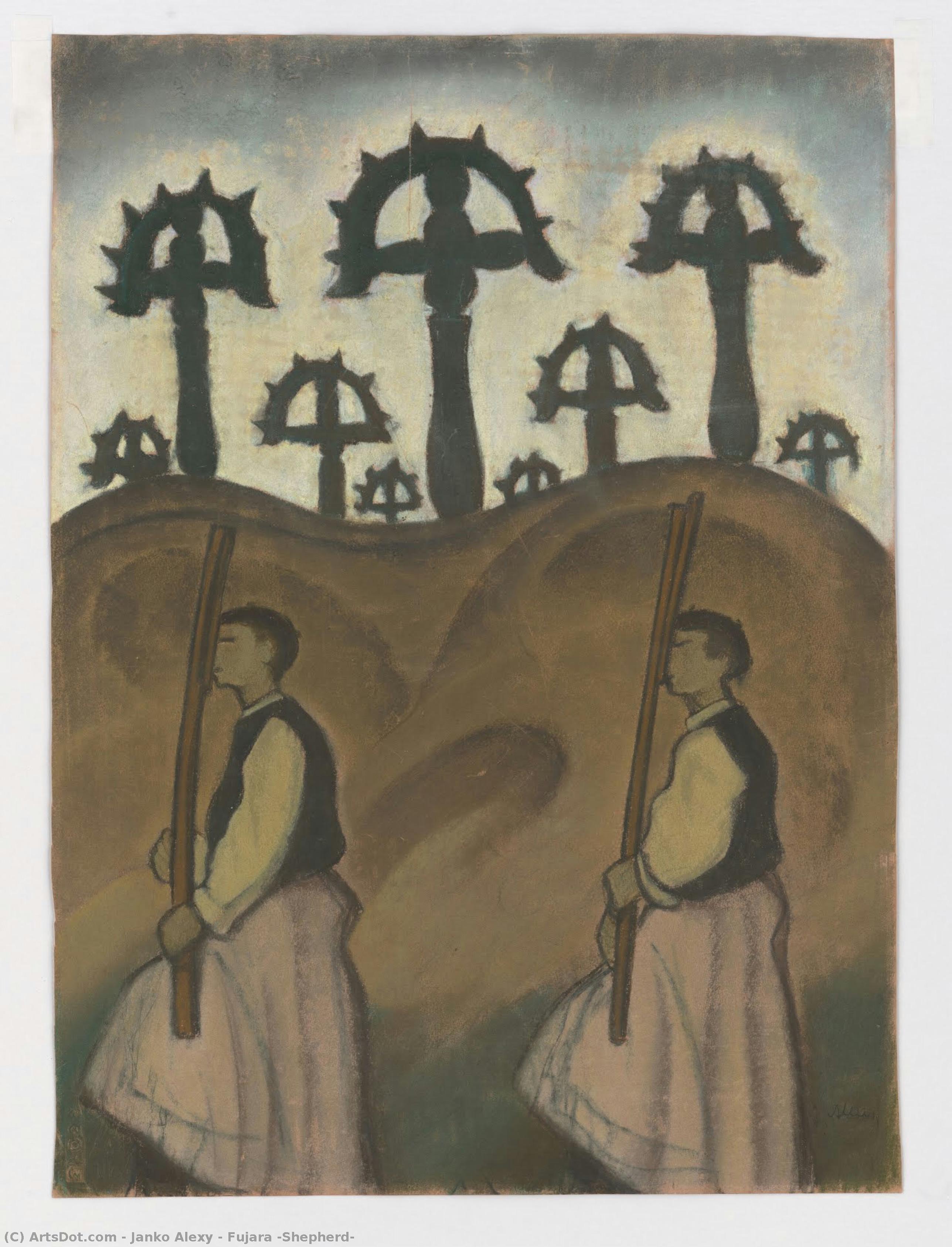
- Fujara (Shepherd
 Preview
 Zamów wydruk Kup cyfrowy obraz
 Udostępnij
 Udostępnij
 Szczegóły dzieła
 Dodaj do ulubionych

 Pobierz
 Podobne obiekty
 RTG
RTG
 Pokaz slajdów
Fujara (Shepherd
 43.0 x 58.0 cm
 Slovak National Gallery
 Rozwiń treść
Ręcznie malowana reprodukcja olejowa
Ręcznie malowany olej na płótnie w Twoim wymiarze i ramie, tworzony na zamówienie przez naszych artystów.




































Wybierz spośród naszych predefiniowanych rozmiarów, które zachowują oryginalne proporcje dzieła sztuki.

Możesz wprowadzić własne wymiary, aby dopasować obraz do konkretnej ramy lub przestrzeni. Jeśli wybrany rozmiar nie będzie odpowiadał proporcjom oryginału, przytniecie dzieło sztuki lub rozszerzymy je o dodatkowe elementy, ręcznie domalowane przez artystę. Przed rozpoczęciem produkcji wyślemy projekt cyfrowy do Twojej akceptacji.
Należy pamiętać, że podgląd na ekranie nie odzwierciedla rzeczywistego przycinania ani rozszerzania obrazu. Tylko projekt dokładnie pokaże ostateczną kompozycję.
Choć oferujemy możliwość zamówienia niestandardowych rozmiarów, zalecamy wybór wymiaru z gotowej listy, aby zachować oryginalne proporcje dzieła.
Po złożeniu zamówienia zespół OriginalUniqueArt.com skontaktuje się z klientem drogą mailową w celu uzyskania instrukcji i prześle wizualizację projektu
Dostawa na całym świecie () w ciągu 3/4 tygodni zamiast standardowych 5 tygodni. (25 Lipiec). Bez kompromisów w kwestii jakości.

Bezpłatna ekspresowa wysyłka na cały świat

Wysokiej jakości płótno lniane

Pełne ubezpieczenie przesyłki

Gwarancja zwrotu należności celnych

Gwarancja pełnego zgodności kolorystycznej

Polityka 60-dniowego zwrotu (tylko w przypadku wad)

Gwarancja 100% zwrotu pieniędzy

Zniżka przy większych zamówieniach
 Opcja szkła jest dostępna wyłącznie w rozmiarach poniżej 110 cm

Fujara (Shepherd
Technika reprodukcji
Wymiary reprodukcji
-


Cena całkowita
-
Opis dzieła
Biografia artysty
Janko Alexy (1894–1970): A Pioneer of Slovak Modernism
Janko Alexy stands as a monumental figure in the genesis of Slovak art, recognized alongside Martin Benka and Ľudovít Fulla as one of the foundational voices shaping the nation’s artistic identity at the dawn of the twentieth century. Born in Liptovský Mikuláš, Slovakia, in 1894, Alexy embarked on a prolific creative journey that spanned painting, writing, and public engagement—activities inextricably linked to his unwavering commitment to portraying the soul of Slovak culture and landscape.Early Life and Artistic Formation
Alexy’s formative years were steeped in the traditions of Liptov, a region renowned for its folklore and rural heritage. This environment profoundly influenced his artistic sensibilities, fostering an early fascination with balladry, folk songs, and legends—themes that would permeate much of his oeuvre throughout his life. His formal education commenced at Prague’s Akademie Výtvarných Umění (Academy of Visual Arts), where he studied under luminaries like Vlaho Bukovac, Maximilian Pirner, and Max Švabinský – masters who instilled in him the principles of Impressionism and Secession, shaping his artistic vocabulary. These influences would prove crucial in establishing Alexy’s distinctive style.Painting Style and Technique: Pastel as Emblematic Medium
Alexy's artistic signature is indelibly marked by pastel—a medium he championed with unparalleled dedication and innovation. Unlike many of his contemporaries who favored oil paints, Alexy skillfully harnessed the expressive potential of pastel to capture the essence of Slovak rural life and urban vistas alike. His technique involved layering thin washes of pigment onto paper, achieving remarkable tonal subtlety and textural richness. This method allowed him to convey mood and emotion with breathtaking precision—a hallmark of his artistic vision. Notably, he excelled at depicting cityscapes, albeit imbued with an unexpected element of abstractionism; a stylistic choice that distinguished him from many other Slovak artists of the era. The artist’s pastel genre paintings are characterized by asymmetrical compositions, loose brushwork, vibrant color palettes, and masterful blending—elements that contribute to their lyrical quality and evocative power.Themes and Influences: Folklore, Landscape, and Bohemian Spirit
Alexy's artistic program wasn’t merely decorative; it was driven by a deep engagement with Slovak cultural heritage. He drew inspiration from folklore tales and legends, meticulously documenting the traditions of his region—a practice that reflects a broader concern for preserving Slovak identity amidst rapid social change. Simultaneously, he devoted considerable attention to Slovak landscape, capturing its grandeur and serenity with sensitivity and artistic skill. Furthermore, Alexy’s literary endeavors explored themes from the bohemian milieu of Bratislava and Prague, delving into autobiographical narratives that offered glimpses into his personal life and intellectual convictions. His work reflects a profound understanding of human experience—a characteristic that resonates across his diverse artistic mediums.Notable Achievements and Legacy
Beyond his paintings and writings, Alexy’s contributions extended to architectural projects, notably the window-pane at Bratislava’s Pavol Országh Hviezdoslav Theatre – a testament to his versatility and collaborative spirit. He designed monumental decorative tapestries for Bratislava Castle—a project undertaken during a period of significant cultural revival—demonstrating his commitment to revitalizing Slovak artistic traditions. His influence on subsequent generations of Slovak artists is undeniable, cementing his place as one of the foremost figures in Slovak Modernism. Despite critiques suggesting that much of his oeuvre leans towards sentimental aesthetics and lacks intellectual depth (as noted by Ján Abelovský), Alexy remains universally recognized for his pioneering role in establishing Slovak art’s distinctive voice—a legacy that continues to inspire artists today.
Janko Alexy
1894 - 1970 , Slovakia
Kluczowe informacje
- Artistic Movement Or Style: Modern Slovak Art
- Artists Or Movements Influenced By This Artist: ['Secession']
- Artists Who Influenced This Artist:
- Vlaho Bukovac
- Maximilian Pirner
- Max Švabinský
- Date Of Birth: 1894
- Full Name: Janko Alexy
- Nationality: Slovak
- Notable Artworks: ['Woman of Kozárovce']
- Place Of Birth: Liptovsky Mikulas, Slovakia

