Text size

() ·

A painting made for you, by hand

Gamepiece with a Dead Heron

Ręcznie malowana reprodukcja olejowa

Ręcznie malowany obraz olejny na płótnie, wykonany na zamówienie przez naszych artystów w wybranym przez Ciebie wymiarze i oprawie. ( Przełącz na wydania drukowane Przejdź do wersji cyfrowej)

Opis obiektu

A haunting Dutch painting by Jan Weenix depicts a dead heron and other game, reflecting themes of mortality & the hunt within a rich, detailed landscape. Explore its symbolism & artistry.

Biografia artysty

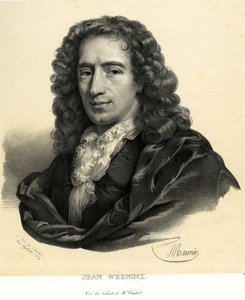
Jan Weenix (1641-1719): Mistrz holenderskiego baroku słynący z bogato szczegółowych martwych natur z polowaniem, obrazów z zwierzyną i pejzaży. Podziwiany za realizm oraz żywą kolorystykę.

from ·

Chapter 1

How large should it be?

Slide to change the size; the picture on the left shows the frame at its real width. The proportions of the original are kept.

Standardowy format
personalizowane
CM
INCH

Wybierz spośród naszych standardowych rozmiarów, które zachowują oryginalne proporcje dzieła sztuki.

szerokość
wysokość

Wpisz wymaganą szerokość i wysokość, aby obraz pasował do Twojej ramy lub ściany. Ponieważ jest to dzieło malowane ręcznie, w przypadku rozmiaru o innych proporcjach artysta może domalować nieco więcej wokół obrazu lub przyciąć jego fragmenty — wybór należy do Ciebie. Przed rozpoczęciem pracy prześlemy Ci cyfrową wizualizację do zatwierdzenia. Obraz widoczny na tej stronie nie przedstawia rzeczywistego efektu — jedynie wizualizacja oddaje realny rezultat.

Chapter 2

How should it arrive?

Choose the edges of the stretched canvas

Choose your frame

Corner sample of the WhiteWrap canvas edge finish, stretched on lite drewno bars
White zł1
Corner sample of the BlurSideWrap canvas edge finish, stretched on lite drewno bars
Blurside zł1
Corner sample of the ExtendedWrap canvas edge finish, stretched on lite drewno bars
Extended zł1
Corner sample of the P118B picture frame: polistyren formowany, 5 cm wide and 3 cm thick
P118B zł10
Corner sample of the P118H picture frame: polistyren formowany, 5 cm wide and 3 cm thick
P118H zł10
Corner sample of the P118W picture frame: polistyren formowany, 5 cm wide and 3 cm thick
P118W zł10
Corner sample of the P438Z picture frame: polistyren formowany, 5.5 cm wide and 3.5 cm thick
P438Z zł10
Corner sample of the P508JH picture frame: polistyren formowany, 7 cm wide and 3.5 cm thick
P508JH zł12
Corner sample of the P508YH picture frame: polistyren formowany, 7 cm wide and 3.5 cm thick
P508YH zł12
Corner sample of the P805H picture frame: polistyren formowany, 5 cm wide and 3.5 cm thick
P805H zł10
Corner sample of the P805Z picture frame: polistyren formowany, 5 cm wide and 3.5 cm thick
P805Z zł10
Corner sample of the P919BZ picture frame: polistyren formowany, 7 cm wide and 3.5 cm thick
P919BZ zł10
Corner sample of the P919G picture frame: polistyren formowany, 7 cm wide and 3.5 cm thick
P919G zł10
Corner sample of the P919XJ picture frame: polistyren formowany, 7 cm wide and 3.5 cm thick
P919XJ zł10
Corner sample of the P959ZH picture frame: polistyren formowany, 5 cm wide and 3 cm thick
P959ZH zł10
Corner sample of the P968JZ picture frame: polistyren formowany, 6 cm wide and 4 cm thick
P968JZ zł12
Corner sample of the W106C picture frame: lite drewno, 5 cm wide and 3 cm thick
W106C zł8
Corner sample of the W218G picture frame: lite drewno, 5 cm wide and 3 cm thick
W218G zł10
Corner sample of the W218JH picture frame: lite drewno, 5 cm wide and 3 cm thick
W218JH zł8
Corner sample of the W218Y picture frame: lite drewno, 5 cm wide and 3 cm thick
W218Y zł10
Corner sample of the W307PJ picture frame: lite drewno, 6 cm wide and 3 cm thick
W307PJ zł10
Corner sample of the W316G picture frame: lite drewno, 6 cm wide and 3 cm thick
W316G zł10
Corner sample of the W316PJ picture frame: lite drewno, 6 cm wide and 3 cm thick
W316PJ zł8
Corner sample of the W316Y picture frame: lite drewno, 6 cm wide and 3 cm thick
W316Y zł10
Corner sample of the W398PJ picture frame: lite drewno, 5 cm wide and 3 cm thick
W398PJ zł8
Corner sample of the W4111J picture frame: lite drewno, 6.5 cm wide and 3.5 cm thick
W4111J zł10
Corner sample of the W500HY picture frame: lite drewno, 7 cm wide and 5 cm thick
W500HY zł15
Corner sample of the W500JH picture frame: lite drewno, 7 cm wide and 5 cm thick
W500JH zł15
Corner sample of the W692G picture frame: lite drewno, 8 cm wide and 4 cm thick
W692G zł12
Corner sample of the W849H picture frame: lite drewno, 5 cm wide and 3 cm thick
W849H zł8
Corner sample of the W940BG picture frame: lite drewno, 7.5 cm wide and 4.5 cm thick
W940BG zł15
Corner sample of the W953PJ picture frame: lite drewno, 6 cm wide and 3.5 cm thick
W953PJ zł8
Corner sample of the H24-GOLD picture frame: rzeźbione drewno pokryte gipsem, 10 cm wide and 6 cm thick
H24-GOLD zł30
Corner sample of the H24-SILVER picture frame: rzeźbione drewno pokryte gipsem, 10 cm wide and 6 cm thick
H24-SILVER zł30
Corner sample of the H36-GOLD picture frame: rzeźbione drewno pokryte gipsem, 15 cm wide and 6.5 cm thick
H36-GOLD zł45
Corner sample of the H36-SILVER picture frame: rzeźbione drewno pokryte gipsem, 15 cm wide and 6.5 cm thick
H36-SILVER zł45

Moulding: . Overall size with the frame: .

Chapter 3

Who paints it, and should anything change?

Examples of what can be changed: Replace face with customer photo; Add pet (e.g., replace cat with dog); Include hidden message in background; Change background landscape or elements.
After order, OriginalUniqueArt.com team will email client for instructions and provide a mockup preview

Dostawa na całym świecie () w ciągu 3–4 tygodni zamiast standardowych 5 tygodni. (31 Październik). Bez kompromisów w kwestii jakości.

Chapter 4

The finishing touches

A nameplate, as in a museum?

Szczegóły grawerowanej brązowej tabliczki

This elegant plaque features the artist's name and the title of the artwork, finely engraved for a timeless presentation.

It is made from bronze with a refined, elegant finish. The text is precisely laser-engraved for a sharp and permanent result. Measuring 9x2 cm, the plaque is compact yet easy to read. It's built to be durable and scratch-resistant, offering a professional, museum-quality look. Mounting is simple thanks to the included adhesive backing.

Szczegóły przezroczystej tabliczki akrylowej

The plaque includes essential engraved details such as the artist's name, the title of the artwork, the date it was created, the type of media used-like oil on canvas or watercolor-a brief description of the piece, and a QR code that links to the complete artwork information.

It is crafted from clear acrylic, offering a sleek, modern appearance. The text is UV-engraved in black to ensure strong visual contrast. With a size of 10x15 cm, it ensures optimal readability. It comes equipped with two metal hooks for secure wall mounting. The plaque is designed to be weather-resistant, making it suitable for various environments, and it includes interactive features that work seamlessly with smartphone scanning.

Szczegóły czarnej tabliczki akrylowej

This elegant plaque includes engraved information such as the artist's name, the title of the artwork, the date it was created, the type of media used (like oil on canvas or watercolor), a short description of the artwork, and a QR code for quick access to more information.

The plaque itself is made from refined black acrylic with a premium finish. The text is laser-engraved in white for high contrast and readability. Its size is 10x15 cm, designed to be easy to read. It comes with two metal hooks for professional mounting. The design is sleek and fits any interior style. It is also weather-resistant and durable, with built-in digital integration for mobile compatibility.

A protective varnish?

When do you need it?

Chapter 5

Your painting, as you ordered it

Gamepiece with a Dead Heron

Technika reprodukcji

Wymiary reprodukcji

-

Wybitny mistrz artystyczny

Większa szczegółowość, finezja i dodatkowy czas na realizację

-

Opcje oprawy reprodukcji

-

-

W przypadku dzieł sztuki lub reprodukcji, których którykolwiek z boków przekracza 105 cm (około 41 cali), rama zostanie wysłana w formie zestawu do samodzielnego montażu. Metoda ta zapewnia bezpieczną dostawę i zapobiega uszkodzeniom podczas transportu.

Wymagany profesjonalny montaż – nie jest to produkt typu DIY.
Zestaw musi zostać złożony, a płótno naciągnięte przez doświadczonego profesjonalnego ramiarza, przy użyciu kleju do drewna (brak w zestawie), kleszczy do naciągania płótna oraz ścisków, które utrzymają krosna w równej pozycji podczas schnięcia kleju. Nieprawidłowy montaż lub nierównomierne napięcie płótna może trwale uszkodzić dzieło sztuki i nie podlega naszej gwarancji.

  • W zestawie znajdują się wszystkie listwy z litego drewna, precyzyjnie docięte do wymiarów.

  • Montaż odbywa się przy użyciu dołączonych wkrętów oraz kleju do drewna do łączenia narożników, którego zestaw nie zawiera i który musi zostać dostarczony przez ramiarza.

  • Wymagane są profesjonalne narzędzia, których nie ma w zestawie: kleszcze do naciągania płótna (napinacz) oraz zaciski, które pozwolą utrzymać listwy w równej pozycji podczas schnięcia kleju.

Ważne:
Do połączenia narożników niezbędny jest klej do drewna, listwy należy unieruchomić za pomocą ścisków do momentu całkowitego wyschnięcia kleju, a naciągnięcie płótna na złożoną ramę wymaga użycia kleszczy do naciągania płótna. Żaden z tych elementów nie jest dołączony do zestawu. Przed zamówieniem tego rozmiaru zalecamy konsultację z doświadczonym ramiarzem.

Etykieta obiektu

-

-

Lakier ochronny

Lakier z połyskiem (pogłębia kolory, chroni przed światłem i wilgocią)

-

Personalizacja dzieła

Przykłady możliwości personalizacji: zastąp twarz zdjęciem klienta; dodaj zwierzę domowe (np. zamień kota na psa); umieść ukrytą wiadomość w tle; zmień krajobraz lub elementy tła.

-

Ekspresowa

Dostawa na cały świat () w ciągu 3–4 tygodni zamiast standardowych 5 tygodni. (31 Październik). Bez kompromisów w kwestii jakości.

-

Przesyłka ekspresowa

Dostawa na cały świat () w ciągu 5 tygodni. (7 Listopad).

W cenie

Cena całkowita

zł 1167

Suma całkowita zł 1167

Opcja ze szkłem jest dostępna wyłącznie w rozmiarach poniżej 110 cm

Included with every order

  • Bezpłatna ekspresowa wysyłka na cały świat
  • Wysokiej jakości płótno lniane
  • Pełne ubezpieczenie przesyłki
  • Gwarancja zwrotu należności celnych i podatków importowych
  • Gwarancja wiernego odwzorowania kolorów
  • 100-dniowa polityka zwrotów (tylko w przypadku wad)
  • Gwarancja 100% zwrotu pieniędzy
  • Zniżka przy zakupie wielu sztuk

A Study in Mortality and Courtly Grace: Jan Weenix’s “Gamepiece with a Dead Heron”

Jan Weenix's "Gamepiece with a Dead Heron," painted in 1695, is more than just a still life; it’s a meticulously crafted tableau of aristocratic leisure intertwined with the poignant beauty of death. This remarkable canvas, now housed within The Metropolitan Museum of Art, offers a captivating glimpse into the Dutch Golden Age, revealing not only the artist's exceptional technical skill but also his astute understanding of social dynamics and the evolving aesthetics of the time. The painting immediately draws the eye to its central subject: a heron lying prone on a bed of moss, its elegant neck outstretched in a gesture both vulnerable and dignified. Around it, a carefully arranged collection of game – rabbits, partridges, and other birds – contributes to the composition’s rich tapestry of textures and colors. Yet, it's not merely a display of hunting trophies; Weenix masterfully integrates these elements into a broader scene, suggesting a sophisticated courtly setting.

The Anatomy of a Hunting Trophy: Technique and Detail

Weenix was renowned for his ability to render the textures of animal hides with astonishing realism – a skill honed through years of observation and practice. Notice the subtle variations in color and sheen across the heron’s feathers, meticulously captured with delicate brushstrokes. The artist's use of chiaroscuro—the dramatic interplay of light and shadow—further enhances the sense of depth and volume, imbuing each animal with a palpable presence. Beyond the individual animals, Weenix demonstrates an impressive command of composition, arranging the trophies in a way that feels both natural and deliberately staged. The inclusion of a large neoclassical urn, partially obscured by the fallen birds, adds a layer of formality to the scene, hinting at the wealth and status of its intended patron – likely a member of the European aristocracy. The painting’s palette is rich and earthy, dominated by browns, greens, and ochres, creating a sense of groundedness and realism that was characteristic of Dutch still life painting during this period.

Symbolism and Social Commentary: Beyond the Hunt

While ostensibly depicting a successful hunt, “Gamepiece with a Dead Heron” carries deeper symbolic weight. The presence of dead animals speaks to the transient nature of beauty and the inevitability of death – a recurring theme in Dutch Golden Age art. However, Weenix doesn’t present this mortality as morbid; instead, he frames it within the context of aristocratic leisure, suggesting that even amidst the pursuit of pleasure, death is an unavoidable aspect of life. The inclusion of figures strolling in the background—likely members of the noble class—further reinforces this idea, implying a detachment from the realities of everyday existence. The urn itself can be interpreted as a symbol of wealth and status, while its partially obscured position suggests a subtle critique of excessive materialism. It’s a delicate balancing act – celebrating the opulence of the court while simultaneously acknowledging its inherent fragility.

A Legacy of Dutch Realism: Jan Weenix and His Artistic Circle

Jan Weenix's work is inextricably linked to his father, Jan Baptist Weenix, with whom he shared a workshop and artistic vision. Both artists were masters of depicting hunting scenes and still lifes of game, but Jan Weenix developed a distinctive style characterized by greater detail, richer colors, and a more sophisticated understanding of composition. He was part of a vibrant artistic circle in Antwerp, alongside figures like Frans Snyders and Peter Paul Rubens, all of whom contributed to the flourishing of Flemish Baroque painting. His work reflects both the influence of his father’s legacy and his own innovative approach to rendering natural forms. The painting's provenance—having been seized by the Nazis during World War II and subsequently restituted to its rightful owner—adds another layer of historical significance, reminding us of the enduring power of art to transcend political boundaries. Today, reproductions of “Gamepiece with a Dead Heron” continue to captivate viewers, offering a timeless meditation on beauty, mortality, and the complexities of aristocratic life.

Pytania i odpowiedzi

Jakie emocje budzi "Gamepiece with a Dead Heron"?

„Gamepiece with a Dead Heron” – Jan Weenix emanuje Melancholic emocjonalnym nastrojem.

Jaka technika została użyta w przypadku "Gamepiece with a Dead Heron" i kiedy powstało to dzieło?

Technika wykonania dzieła „Gamepiece with a Dead Heron” – Jan Weenix to Acrylic On Canvas, a datowanie pracy pochodzi z 1695.

Czy mogę zobaczyć „Gamepiece with a Dead Heron” – Jan Weenix w różnym oświetleniu?

Widok rentgenowski dzieła „Gamepiece with a Dead Heron” – Jan Weenix jest dostępny na stronie Analiza rentgenowska: to interaktywna analiza obrazu obejmująca jedenaście warstw optycznych.

More about this painting

Podgląd w skali 1:1 Podgląd AR Przełącz na wydania drukowane Przejdź do wersji cyfrowej Wyślij jako kartkę
Szczegóły dzieła Przewodnik Dodaj do ulubionych Pobierz obraz Podobne obiekty RTG Pokaz slajdów Q&A Statystyki

In numbers

  • 1695the year it was painted
  • 29frames to choose from
  • standard sizes, in its own proportions
  • 5weeks to paint and deliver it
Jan Weenix

Jan Weenix

1641 - 1719, Holandia

Quick facts about Jan Weenix

  • Artistic Movement Or Style: Barok holenderski
  • Artists Or Movements Influenced By This Artist: ['Maria Weenix']
  • Artists Who Influenced This Artist:
    • Jan Baptist Weenix
    • Hendrick Vroom
  • Date Of Birth: 1641
  • Date Of Death: 1719
  • Full Name: Jan Weenix
  • Nationality: Holender
  • Notable Artworks:
    • Martwa natura z polowaniem i owocami
    • Martwa natura z zającem
    • Siedząca małpa
    • Biały paw
  • Place Of Birth: Amsterdam, Holandia

Biografia artysty

Dziedzictwo holenderskiego realizmu: Życie i twórczość Jana Weenixa

Jan Weenix, urodzony w Amsterdamie w 1641 roku, wywodził się z rodu głęboko zakorzenionego w artystycznej tradycji, odziedziczywszy pasję do malarstwa po swoim ojcu, szanowanym Janie Baptiście Weenixie. Choć precyzyjne szczegóły dotyczące jego wczesnych lat pozostają nieco nieuchwansłe, jest jasne, że młody Jan przeszedł fundamentalne szkolenie w warsztacie ojca, przyswajając techniki kluczowe dla przedstawiania zarówno martwej natury, jak i tematów zwierzęcych – co stanowiło znak rozpoznawczy sztuki Złotego Wieku w Holandii. Ten rodzinny wpływ nie miał charakteru wyłącznie technicznego; zaszczepił on w nim głęboką umiejętność skrupulatnej obserwacji natury oraz oddanie, by malować jej piękno z uderzającym realizmem. Własna artystyczna podróż starszego Weenixa, obejmująca pobyty we Włoszech, które nasyciły jego dzieła włoską wrażliwością, bez wątpienia ukształtowała także rozwijającą się estetykę Jana. Choć początkowo pozostawał w cieniu reputacji ojca, Jan szybko zaznaczył swoją własną obecność, wytyczając unikalną ścieżkę w tętniącym życiem krajobrazie holenderskiego malarstwa XVII wieku.

Rozkwit stylu barokowego

Styl artystyczny Weenixa rozkwitł u szczytu epoki baroku, odzwierciedlając zamiłowanie tej ery do dramatyzmu, bogactwa detali i dynamicznej kompozycji. Nie tworzył on w izolacji; na jego podejście subtelnie wpływały dzieła współczesnych mu mistrzów, takich jak Hendrick Cornelisz Vroom, słynący z malarstwa morskiego, czy potencjalnie innych specjalistów od tematyki zwierzęcej, jak Melchior de Hondecoeter i Gillis Claesz d'Hondecoeter. Jednak Weenix dokonał syntezy tych inspiracji, tworząc styl wyraźnie własny. Jego płótna charakteryzują się niemal fotograficzną precyzją w oddawaniu tekstur – połysku piór, miękkości futra czy delikatnej przezroczystości owoców – co osiągnięto dzięki mistrzowskiemu pociągnięciu pędzla oraz głębokiemu zrozumieniu światła i cienia. Chiaroscuro, czyli dramatyczna gra świateł i mroku, jest wykorzystywane do budowania głębi i wizualnego zainteresowania, wciągając widza w scenę z przekonującym realizmem. Żywa paleta barw dodatkowo ożywia jego tematy, nadając im poczucie bezpośredniości i witalności. Artysta posiadał wyjątkową umiejętność aranżowania elementów wewnątrz ramy, tworząc zrównoważone i harmonijne kompozycje, które są jednocześnie atrakcyjne wizualnie i angażujące narracyjnie.

Arcydzieła i mecenat

W trakcie swojej kariery Jan Weenix stworzył imponujący dorobek, ceniony za techniczną biegłość i pociągającą tematykę. Obrazy takie jak Martwa natura z polowaniem i owocami obok ogrodowej wazy (1714) stanowią przykład jego zdolności do płynnego łączenia różnorodnych elementów – ptactwa łownego, soczystych owoców i detali architektonicznych – w złożoną i wizualnie oszałamiającą aranżację. Martwa natura z zającem i innym zwierzyną (1697) ukazuje jego mistrzostwo w oddawaniu anatomii zwierząt i tekstury, uchwyconą z niezwykłą dokładnością. Nawet mniejsze dzieła, jak Siedzący małpiszon (przed 1685 r.), ujawniają jego talent do nadawania zwierzętom osobowości i ekspresyjnego charakteru. Ta umiejętność nie umknęła uwadze znamienitych patronów. W 1702 roku Weenix otrzymał zaproszenie na dwór Jana Wilhelma, Elektora Palatynatu, gdzie pracował u boku innych sławnych artystów, tworząc wielkoformatowe sceny łowieckie dla Schloss Bensberg – co stanowi świadectwo jego rosnącej sławy i kunsztu. Te zlecenia zapewniły mu zarówno bezpieczeństwo finansowe, jak i możliwości dalszego doskonalenia swoich umiejętności.

Trwały wpływ na sztukę holenderską

Jan Weenix odegrał kluczową rolę w popularyzacji martwych natur łowieckich oraz malarstwa przedstawiającego zwierzynę w okresie baroku, wynosząc te gatunki ponad zwykłą dekoracyjność. Jego prace były niezwykle pożądane przez kolekcjonerów, co znacząco przyczyniło się do rozwoju holenderskich tradycji artystycznych. Nie tylko kopiował naturę; interpretował ją przez własny, unikalny pryzmat, nasycając swoje obrazy realizmem, dramatyzmem i estetycznym pięknem, które głęboko rezonowało z ówczesną publicznością. Jego dziedzictwo wykracza poza jego własne dzieła; jego córka, Maria Weenix, kontynuowała rodzinną tradycję jako utalentowana malarka kwiatów, dbając o to, by nazwisko Weenix pozostało synonimem artystycznej doskonałości przez kolejne pokolenia. Dziś obrazy Jana Weenixa są cenione w muzeach i prywatnych kolekcjach na całym świecie, nieustannie inspirując artystów i zachwycając widzów mistrzowskim przedstawieniem świata natury – co stanowi dowód jego trwałego wkładu w bogatą tkaninę historii sztuki holenderskiej.

Najważniejsze informacje

  • Year: 1695
  • Title: Gamepiece with a Dead Heron
  • Location: Metropolitan Museum
  • Artistic style: Realism, Still Life
  • Movement: Dutch Baroque
  • Medium: Oil on canvas

Quiz o sztuce

Do każdego pytania dotyczy tylko jedna poprawna odpowiedź.

Pytanie 1:
What is the primary subject depicted in Jan Weenix’s ‘Gamepiece with a Dead Heron’?
Pytanie 2:
In what year was ‘Gamepiece with a Dead Heron’ painted?
Pytanie 3:
Which of the following best describes Jan Weenix’s artistic style?
Pytanie 4:
The painting incorporates elements of what artistic movement?
Pytanie 5:
What is the significance of the urn in ‘Gamepiece with a Dead Heron’?
Odkryj dzieła sztuki uporządkowane według tematów, stylów i cech charakterystycznych.