
 Podgląd w skali
 Wyślij jako kartkę
 Udostępnij
 Szczegóły dzieła

 Pobierz
 Podobne obiekty
 RTG
RTG Pokaz slajdów
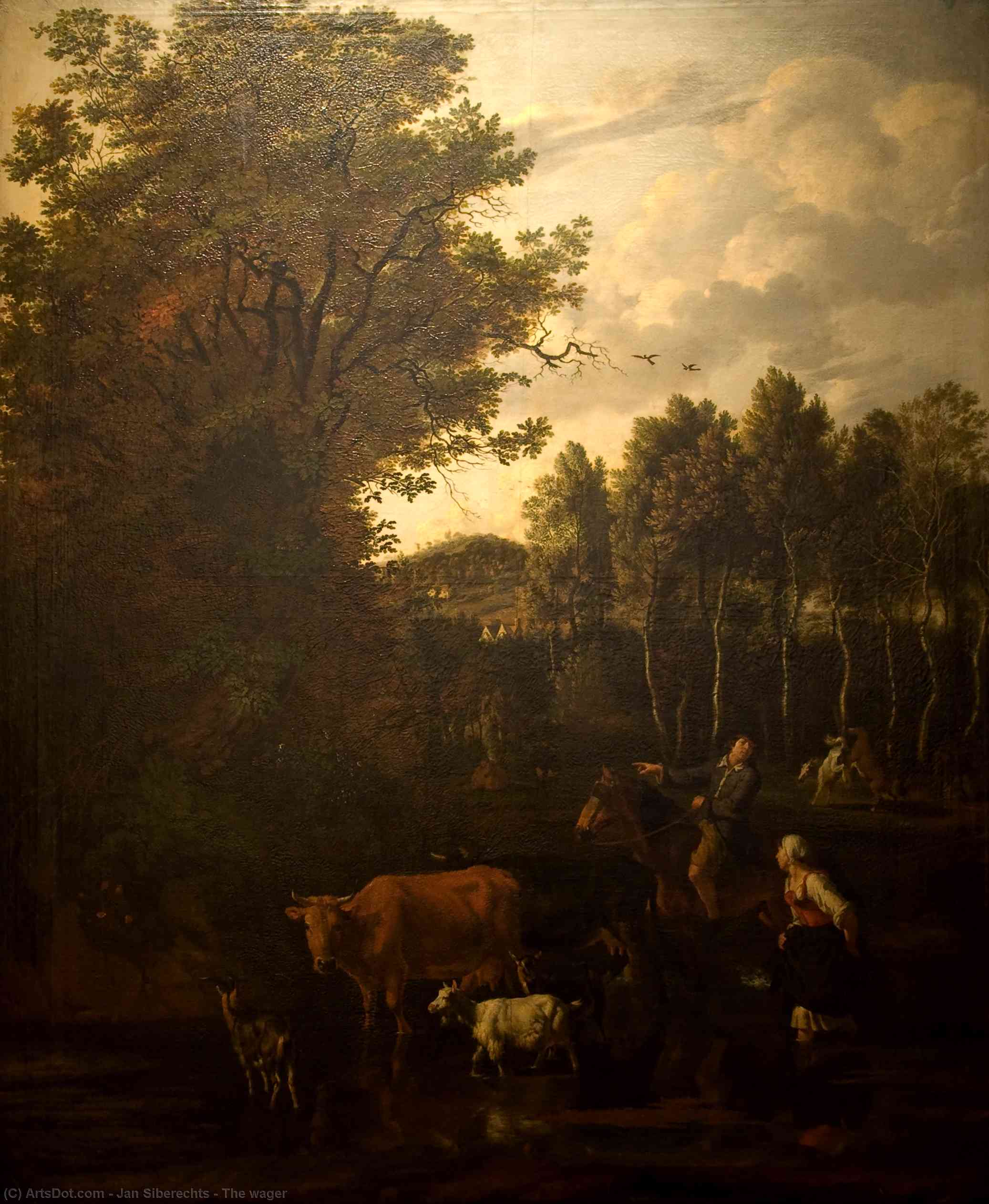
The wager


 Rozwiń treść
Kup wysokiej rozdzielczości, ulepszony obraz cyfrowy o znacznie wyższej jakości niż podgląd online.
Każdy plik jest starannie przygotowywany przez naszych specjalistów przy użyciu zaawansowanych narzędzi oraz profesjonalnej, ręcznej retuszy. Dbamy o to, aby każdy obraz cechował się wyjątkową ostrością, precyzyjnym odwzorowaniem kolorów i subtelnymi detalami.
Ostateczny plik dostarczany jest drogą mailową w ciągu 72 godzin, zoptymalizowany do natychmiastowego wykorzystania w profesjonalnych zastosowaniach redakcyjnych i poligraficznych. To ta sama jakość, której ufają czołowe studia projektowe, wydawnictwa oraz galerie sztuki.
Obraz cyfrowy
Pobierz plik o wysokiej rozdzielczości do osobistego wyświetlania, druku oraz projektów kreatywnych. ( Zamów wydruk Zamów ręcznie malowaną reprodukcję)
W każdym zamówieniu na obraz cyfrowy znajduje się
Profesjonalna dostawa cyfrowa z gwarancją
Wybierając OriginalUniqueArt.com, nie otrzymujesz jedynie obrazu – otrzymujesz profesjonalnie udoskonalone cyfrowe dzieło sztuki, stworzone z najwyższą precyzją i objęte gwarancją satysfakcji. Oto wszystko, co automatycznie dołączane jest do Twojego zamówienia:

Błyskawiczna wysyłka e-mailowa
Plik z obrazem cyfrowym w wysokiej rozdzielczości zostanie przesłany na Twój adres e-mail w ciągu 72 godzin od złożenia zamówienia – gotowy do natychmiastowego użycia.

Plik cyfrowy wzbogacony przez AI
Twoja grafika została profesjonalnie zoptymalizowana przy użyciu zaawansowanych narzędzi AI oraz ręcznej edycji, co zapewnia maksymalną szczegółowość, klarowność i wierność kolorów.

Dożywotnia darmowa ponowna dostawa
Przypadkowo usunąłeś lub zgubiłeś swój plik? Bez obaw – prześlemy go Tobie ponownie w dowolnym momencie, bez żadnych opłat.

Bez opłat importowych – zawsze
Ciesz się swoją sztuką natychmiast, bez żadnych opłat celnych, należności ani kosztów dostawy – pliki cyfrowe są zawsze wolne od podatku.

Gwarancja wierności kolorów
Dzięki zastosowaniu profesjonalnych narzędzi i procesów zarządzania barwą zapewniamy, że Twoje cyfrowe zdjęcie odzwierciedla oryginalne kolory tak wiernie, jak to tylko możliwe.

60-dniowa gwarancja satysfakcji
Jeśli nie będziesz zadowolony ze swojego cyfrowego obrazu, dokonamy jego poprawki lub zwrócimy 100% kosztów w ciągu 60 dni – bez żadnych pytań.

100% Gwarancja zwrotu pieniędzy
Nie jesteś zadowolony? Otrzymaj pełny zwrot kosztów w ciągu 60 dni od otrzymania pliku cyfrowego – bez zbędnych pytań.

Rabaty przy zamówieniach hurtowych
Kup 3 obrazy, oszczędź 10% - Kup 5, oszczędź 15% - Kup 10+, oszczędź 20%. Idealne do projektów kreatywnych, galerii i agencji.
Biografia artysty
A Flemish Vision in England: The Life and Art of Jan Siberechts
Jan Siberechts, born in Antwerp in 1627, occupies a fascinating position in the history of European art—a bridge between the vibrant traditions of Flemish painting and the burgeoning landscape tradition of England. His story is one of artistic development, fortunate patronage, and ultimately, pioneering influence. The son of a sculptor also named Jan Siberechts, he received his initial training within the family workshop, absorbing the skills and aesthetic sensibilities that would form the foundation of his career. By 1648, he had achieved master status in the prestigious Guild of Saint Luke in Antwerp, signaling his recognition as a skilled craftsman. While concrete evidence remains elusive, art historians speculate about a possible sojourn to Italy during the late 1640s or early 1650s. Though unconfirmed, this potential exposure to Italianate landscape painting—with its emphasis on classical compositions and atmospheric perspective—undoubtedly left an imprint on his evolving style, visible in the early works that showcase a delicate balance between Flemish realism and Italianate ideals. His marriage to Maria-Anna Croes in 1652 marked a period of stability as he honed his craft, initially drawing inspiration from Dutch masters like Nicolaes Berchem and Karel Dujardin, whose pastoral scenes and nuanced light effects resonated with his artistic inclinations.Early Training and Flemish Roots
Siberechts’ formative years were steeped in the traditions of Antwerp’s artistic milieu. His father, also a sculptor, instilled in him a deep appreciation for craftsmanship and sculptural form—influences that would permeate Siberechts’ own artistic endeavors. Becoming a master in Saint Luke’s Guild by 1648 demonstrated not only his technical prowess but also his acceptance within the established artistic hierarchy of Antwerp. This recognition afforded him access to resources and opportunities crucial for furthering his artistic pursuits. Although biographical details about Siberechts remain sparse, scholarly research suggests he may have traveled to Italy sometime around 1650 or 1651—a journey that would expose him to the stylistic innovations emerging from Rome during this period. The Italian landscape tradition, characterized by its embrace of classical ideals and meticulous attention to atmospheric effects, profoundly impacted Siberechts’ artistic sensibilities. This influence is particularly evident in his early paintings, where a subtle fusion of Flemish realism and Italianate aesthetics creates a distinctive visual language.The Influence of Dutch Masters
Siberechts’ artistic trajectory was significantly shaped by the works of prominent Dutch painters who dominated the art scene during his formative years. Nicolaes Berchem and Karel Dujardin—masters of pastoral landscapes and luminous chiaroscuro—served as pivotal models for Siberechts, inspiring him to emulate their techniques and stylistic choices. These artists skillfully captured the beauty of rural life through delicate brushstrokes and masterful use of light, establishing a precedent for Siberechts’ own artistic explorations. Berchem's paintings, renowned for their ethereal quality and symbolic richness, conveyed profound emotional depth—a characteristic that Siberechts would later adopt in his compositions. Similarly, Dujardin’s landscapes celebrated the tranquility of the countryside while simultaneously conveying an awareness of humanist ideals. These influences undoubtedly contributed to Siberechts’ ability to create evocative scenes imbued with both visual splendor and intellectual contemplation.From Flemish Countryside to English Estates
The 1660s marked a decisive turning point in Siberechts’ artistic journey—a period during which he decisively embraced the landscape tradition of Flanders and began to forge his own distinctive style. Departing from the conventions of earlier Flemish painters, Siberechts focused on depicting scenes of rural life with unprecedented vibrancy and detail. Unlike many of his contemporaries who favored idealized depictions of nature, Siberechts presented a realistic portrayal of the Flemish countryside populated by robust figures—often women engaged in everyday tasks—dressed in brilliantly colored clothing that punctuated the verdant landscapes. He skillfully manipulated water reflections, creating visual echoes and adding depth to his compositions. These paintings weren’t merely topographical representations; they were immersive explorations of human experience within the natural world. Siberechts' meticulous attention to detail—particularly in capturing the textures of foliage and the subtleties of light—established him as a leader among Flemish landscape painters.A Pioneer of English Landscape Painting
Siberechts’ artistic reputation extended beyond Flanders when he accepted an invitation from George Villiers, the Second Duke of Buckingham, to decorate Cliveden House in England around 1672. This commission represented a significant step forward in Siberechts’ career—providing him with both financial stability and invaluable experience working on grand architectural projects. However, it was his subsequent travels throughout England that cemented his legacy as a pioneer of the English landscape tradition. He undertook numerous commissions to document the estates of aristocratic clients—a practice that would establish him as one of the foremost artists of his time. Siberechts’ landscapes captured not only the physical beauty of these estates but also their social and cultural significance, reflecting the prevailing ethos of the era. His innovative approach to composition—employing a bird's-eye perspective and utilizing misty atmospheric haze—influenced generations of English landscape painters who followed. Siberechts’ contribution lies not merely in his technical mastery but also in his ability to convey a sense of place and belonging—a quality that continues to resonate with viewers today. His paintings stand as enduring monuments to the artistic spirit of the seventeenth century, embodying both Flemish tradition and the burgeoning dynamism of English culture.
Jan Sibeckts
1627 - 1703 , Belgia
Krótka nota
- Artistic Movement Or Style: Barok
- Artists Or Movements Influenced By This Artist: ['David Teniers the Younger']
- Artists Who Influenced This Artist:
- Nicolaes Berchem
- Karel Dujardin
- Date Of Birth: 1627
- Date Of Death: 1703
- Full Name: Jan Siberechts
- Nationality: Flamandzki
- Notable Artworks:
- PAYSAGE AVEC FIGURES
- The Ford
- Belsize Estate
- Place Of Birth: Antwerp, Belgia

