
 Podgląd w skali
 Wyślij jako kartkę
 Udostępnij
 Szczegóły dzieła

 Pobierz
 Podobne obiekty
 RTG
RTG Pokaz slajdów
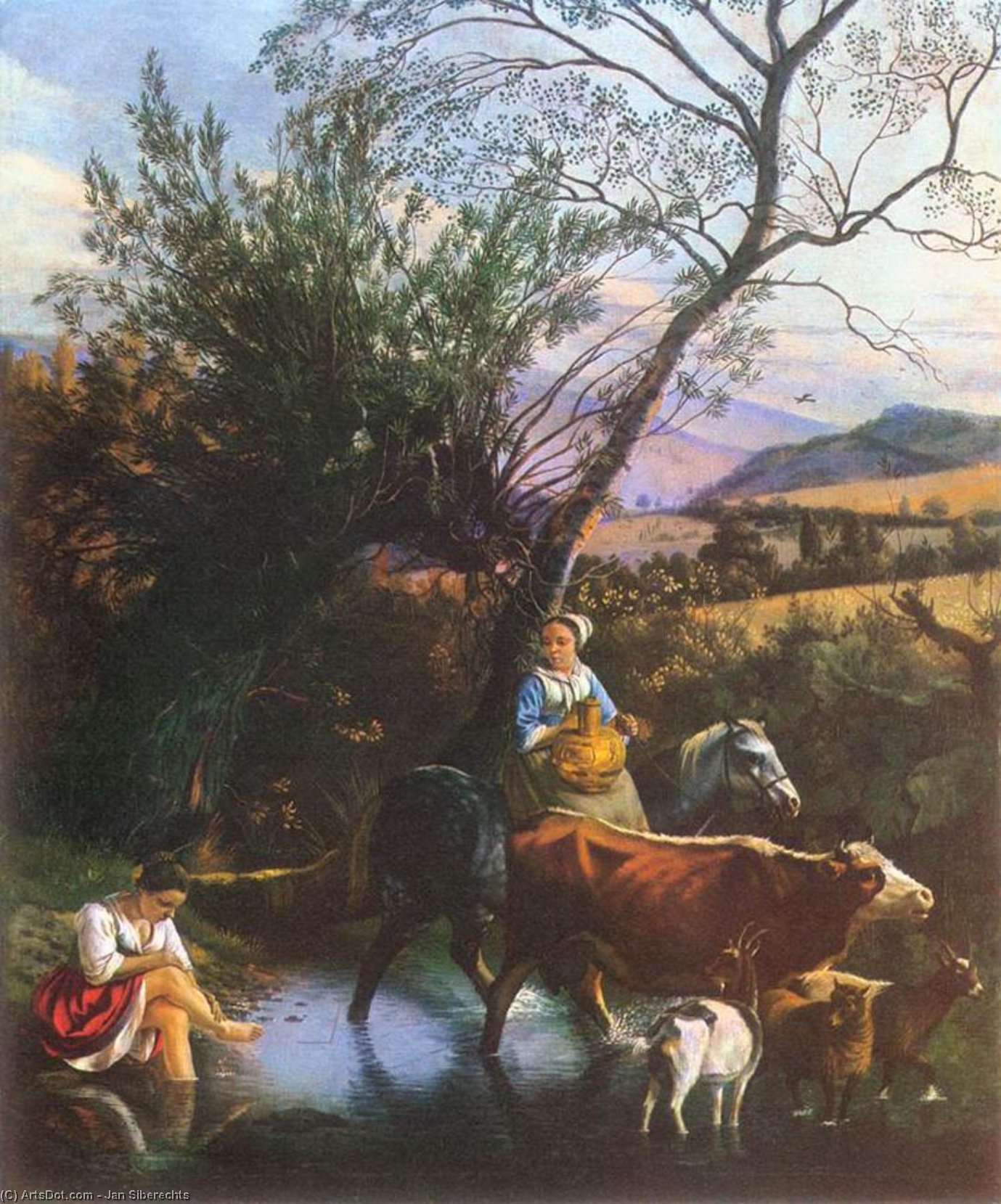
The Ford
 Oil On Canvas
- WallArt
- Romanticism
 1672
1672 71.0 x 59.0 cm
 Muzeum Sztuki w Budapeszcie
 Rozwiń treść
Giclée / Wydruk artystyczny
Druk giclée lub płótno o jakości muzealnej, szybka realizacja i szeroki wybór opcji wykończenia. ( Kup ręcznie malowany obraz Kup obraz cyfrowy)




P118B $10

P118H $10

P118W $10

P438Z $10

P508JH $12

P508YH $12

P805H $10

P805Z $10

P919BZ $10

P919G $10

P919XJ $10

P959ZH $10

P968JZ $12

W106C $8

W218G $10

W218JH $8

W218Y $10

W307PJ $10

W316G $10

W316PJ $8

W316Y $10

W398PJ $8

W4111J $10

W500HY $15

W500JH $15

W692G $12

W849H $8

W940BG $15

W953PJ $8




Wybierz spośród naszych standardowych rozmiarów, które zachowują oryginalne proporcje dzieła sztuki.

Możesz wprowadzić własne wymiary, aby dopasować dzieło do konkretnej ramy lub przestrzeni. Jeśli wybrany rozmiar nie będzie odpowiadał proporcjom oryginalnego obrazu, przytniecie dzieło lub rozszerzymy obraz za pomocą odbicia lustrzanego lub jednolitego wypełnienia krawędzi. Przed rozpoczęciem produkcji prześlemy cyfrową wizualizację do Twojej akceptacji.
Prosimy pamiętać, że podgląd na ekranie nie odzwierciedla faktycznego przycinania ani rozszerzania. Tylko wizualizacja dokładnie pokaże końcową kompozycję.
Mimo dostępności niestandardowych rozmiarów, zalecamy wybór wymiaru z listy zdefiniowanej, aby zachować oryginalne proporcje.
Dostawa na cały świat () w ciągu 2 tygodni zamiast standardowych 4/5 tygodni. (12 Sierpień)

Bezpłatna ekspresowa wysyłka na cały świat

Wysokiej jakości płótno lniane

Pełne ubezpieczenie przesyłki

Gwarancja zwrotu należności celnych i podatków importowych

Gwarancja wiernego odwzorowania kolorów

Polityka 60-dniowego zwrotu (tylko w przypadku wad)

Gwarancja 100% zwrotu kosztów

Zniżka przy zamówieniu wielu produktów
 Opcja ze szkłem jest dostępna wyłącznie w rozmiarach poniżej 110 cm

The Ford
Giclée / Wydruk artystyczny
Wymiary reprodukcji
-


Cena całkowita
$ 80
Opis kolekcjonerski
Jan Siberechts’ “The Ford”: A Pastoral Vision of Elizabethan England
Jan Siberechts' "The Ford" (1672) stands as a testament to the burgeoning landscape tradition in England during the reign of Charles II, skillfully blending Flemish artistic sensibilities with an idealized depiction of rural tranquility. Painted in Antwerp, Belgium, this oil on canvas masterpiece captures a serene scene of pastoral life—a woman carrying water alongside livestock – cows, horses and a goat – nestled within rolling hills leading to distant mountains under a cloudy sky. The artwork’s enduring appeal lies not only in its exquisite detail but also in its profound symbolic resonance, reflecting the Romantic movement's fascination with nature as a source of spiritual contemplation.- Style & Technique: Siberechts employed a characteristic Flemish style—broad brushstrokes layered to build up rich textures and create an atmospheric haze—a technique that prioritizes capturing the essence of light and shadow rather than precise topographical accuracy. The meticulous rendering of foliage, livestock, and figures demonstrates mastery of chiaroscuro, enhancing the painting’s dramatic effect.
- Historical Context: Commissioned during Charles II's Restoration, “The Ford” embodies the revival of classical ideals following Puritan rule. Landscape painting gained prominence as a genre reflecting humanist values—harmony with nature and contemplation of beauty—a deliberate contrast to the austere moralizing tendencies of earlier Protestant art.
- Composition & Perspective: The horizontal lines dominating the hillside emphasize the expansive landscape, while vertical elements – notably the trees – contribute to depth perception. Siberechts skillfully utilizes atmospheric perspective, subtly diminishing colors and details in the background mountains to convey a sense of distance and grandeur.
- Materials: Traditional oil paints on canvas ensured durability and luminosity, preserving Siberechts’ vision for centuries to come.
O artyście
A Flemish Vision in England: The Life and Art of Jan Siberechts
Jan Siberechts, born in Antwerp in 1627, occupies a fascinating position in the history of European art—a bridge between the vibrant traditions of Flemish painting and the burgeoning landscape tradition of England. His story is one of artistic development, fortunate patronage, and ultimately, pioneering influence. The son of a sculptor also named Jan Siberechts, he received his initial training within the family workshop, absorbing the skills and aesthetic sensibilities that would form the foundation of his career. By 1648, he had achieved master status in the prestigious Guild of Saint Luke in Antwerp, signaling his recognition as a skilled craftsman. While concrete evidence remains elusive, art historians speculate about a possible sojourn to Italy during the late 1640s or early 1650s. Though unconfirmed, this potential exposure to Italianate landscape painting—with its emphasis on classical compositions and atmospheric perspective—undoubtedly left an imprint on his evolving style, visible in the early works that showcase a delicate balance between Flemish realism and Italianate ideals. His marriage to Maria-Anna Croes in 1652 marked a period of stability as he honed his craft, initially drawing inspiration from Dutch masters like Nicolaes Berchem and Karel Dujardin, whose pastoral scenes and nuanced light effects resonated with his artistic inclinations.Early Training and Flemish Roots
Siberechts’ formative years were steeped in the traditions of Antwerp’s artistic milieu. His father, also a sculptor, instilled in him a deep appreciation for craftsmanship and sculptural form—influences that would permeate Siberechts’ own artistic endeavors. Becoming a master in Saint Luke’s Guild by 1648 demonstrated not only his technical prowess but also his acceptance within the established artistic hierarchy of Antwerp. This recognition afforded him access to resources and opportunities crucial for furthering his artistic pursuits. Although biographical details about Siberechts remain sparse, scholarly research suggests he may have traveled to Italy sometime around 1650 or 1651—a journey that would expose him to the stylistic innovations emerging from Rome during this period. The Italian landscape tradition, characterized by its embrace of classical ideals and meticulous attention to atmospheric effects, profoundly impacted Siberechts’ artistic sensibilities. This influence is particularly evident in his early paintings, where a subtle fusion of Flemish realism and Italianate aesthetics creates a distinctive visual language.The Influence of Dutch Masters
Siberechts’ artistic trajectory was significantly shaped by the works of prominent Dutch painters who dominated the art scene during his formative years. Nicolaes Berchem and Karel Dujardin—masters of pastoral landscapes and luminous chiaroscuro—served as pivotal models for Siberechts, inspiring him to emulate their techniques and stylistic choices. These artists skillfully captured the beauty of rural life through delicate brushstrokes and masterful use of light, establishing a precedent for Siberechts’ own artistic explorations. Berchem's paintings, renowned for their ethereal quality and symbolic richness, conveyed profound emotional depth—a characteristic that Siberechts would later adopt in his compositions. Similarly, Dujardin’s landscapes celebrated the tranquility of the countryside while simultaneously conveying an awareness of humanist ideals. These influences undoubtedly contributed to Siberechts’ ability to create evocative scenes imbued with both visual splendor and intellectual contemplation.From Flemish Countryside to English Estates
The 1660s marked a decisive turning point in Siberechts’ artistic journey—a period during which he decisively embraced the landscape tradition of Flanders and began to forge his own distinctive style. Departing from the conventions of earlier Flemish painters, Siberechts focused on depicting scenes of rural life with unprecedented vibrancy and detail. Unlike many of his contemporaries who favored idealized depictions of nature, Siberechts presented a realistic portrayal of the Flemish countryside populated by robust figures—often women engaged in everyday tasks—dressed in brilliantly colored clothing that punctuated the verdant landscapes. He skillfully manipulated water reflections, creating visual echoes and adding depth to his compositions. These paintings weren’t merely topographical representations; they were immersive explorations of human experience within the natural world. Siberechts' meticulous attention to detail—particularly in capturing the textures of foliage and the subtleties of light—established him as a leader among Flemish landscape painters.A Pioneer of English Landscape Painting
Siberechts’ artistic reputation extended beyond Flanders when he accepted an invitation from George Villiers, the Second Duke of Buckingham, to decorate Cliveden House in England around 1672. This commission represented a significant step forward in Siberechts’ career—providing him with both financial stability and invaluable experience working on grand architectural projects. However, it was his subsequent travels throughout England that cemented his legacy as a pioneer of the English landscape tradition. He undertook numerous commissions to document the estates of aristocratic clients—a practice that would establish him as one of the foremost artists of his time. Siberechts’ landscapes captured not only the physical beauty of these estates but also their social and cultural significance, reflecting the prevailing ethos of the era. His innovative approach to composition—employing a bird's-eye perspective and utilizing misty atmospheric haze—influenced generations of English landscape painters who followed. Siberechts’ contribution lies not merely in his technical mastery but also in his ability to convey a sense of place and belonging—a quality that continues to resonate with viewers today. His paintings stand as enduring monuments to the artistic spirit of the seventeenth century, embodying both Flemish tradition and the burgeoning dynamism of English culture.
Jan Sibeckts
1627 - 1703 , Belgia
Krótka nota
- Artistic Movement Or Style: Barok
- Artists Or Movements Influenced By This Artist: ['David Teniers the Younger']
- Artists Who Influenced This Artist:
- Nicolaes Berchem
- Karel Dujardin
- Date Of Birth: 1627
- Date Of Death: 1703
- Full Name: Jan Siberechts
- Nationality: Flamandzki
- Notable Artworks:
- PAYSAGE AVEC FIGURES
- The Ford
- Belsize Estate
- Place Of Birth: Antwerp, Belgia
Powiązane artykuły

Jan van Goyen: Master of Dutch Landscape & Atmospheric Perspective
Discover Jan van Goyen, the master of Dutch landscape painting. Explore his subtle technique, atmospheric realism & lasting influence on art history. Learn about this 17th-century pioneer at OriginalUniqueArt.

Golden Light & Dutch Skies: The Timeless Magic of Dutch Golden Age Landscapes
Discover the breathtaking beauty of Dutch Golden Age landscapes. Explore the mastery of light, chiaroscuro, and 17th-century realism through an expert art history lens, celebrating the enduring legacy of the Dutch Masters for discerning collectors and art lovers.

Golden Light & Dutch Skies: Bringing the Magic of Dutch Golden Age Landscapes into Your Home
Transform your home with the breathtaking light of Dutch Golden Age landscapes. Discover how hand-painted oil reproductions of masterworks like Ruisdael and Vermeer bring timeless elegance, atmosphere, and soulful texture to modern interiors. Elevate your space with museum-quality art.

John Constable: 25 Najlepszych Obrazów Mistrza Angielskiego Krajobrazu | OriginalUniqueArt
Odkryj 25 arcydzieł Johna Constable'a – mistrza angielskiego krajobrazu! Poznaj romantyczne pejzaże, technikę malarską i inspiracje z Dedham Vale. Reprodukcje obrazów najwyższej jakości na OriginalUniqueArt.com. Eksploruj pełną kolekcję online!
Krajobraz w sztuce: 10 arcydzieł, które inspirują (malarstwo, dekoracje wnętrz)
Odkryj 10 arcydzieł krajobrazu w sztuce! Poznaj historie Moneta, van Gogha i Turnera. Inspiracje pejzażami, techniki malarskie i reprodukcje najwyższej jakości na OriginalUniqueArt.com. Znajdź idealny obraz do Twojego wnętrza!

