Podgląd w skali 1:1
 Wyślij jako kartkę
 Udostępnij
 Szczegóły dzieła
 Przewodnik

 Pobierz obraz
 Podobne obiekty
 RTG
RTG Pokaz slajdów
 Q&A
Q&A Statystyki
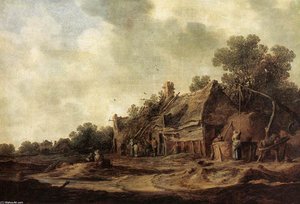
River scene

- 40.0 x 56.0 cm


 Rozwiń treść
Giclée / Wydruk artystyczny
Wydruki giclée lub płótna o jakości muzealnej, szybka realizacja i szeroki wybór opcji wykończenia. ( Zamów ręcznie malowaną reprodukcję Przejdź do wersji cyfrowej)




P118B zł10

P118H zł10

P118W zł10

P438Z zł10

P508JH zł12

P508YH zł12

P805H zł10

P805Z zł10

P919BZ zł10

P919G zł10

P919XJ zł10

P959ZH zł10

P968JZ zł12

W106C zł8

W218G zł10

W218JH zł8

W218Y zł10

W307PJ zł10

W316G zł10

W316PJ zł8

W316Y zł10

W398PJ zł8

W4111J zł10

W500HY zł15

W500JH zł15

W692G zł12

W849H zł8

W940BG zł15

W953PJ zł8




Wybierz spośród naszych standardowych rozmiarów, które zachowują oryginalne proporcje dzieła sztuki.

Wpisz wymaganą szerokość i wysokość, aby dopasować grafikę do ramy lub ściany. Wydruk można jedynie przyciąć, nigdy nie powiększając go poza oryginalny obraz, dlatego format o innych proporcjach spowoduje utratę części kompozycji. Przed rozpoczęciem druku prześlemy Ci cyfrowy podgląd do zatwierdzenia. Obraz wyświetlany na tej stronie nie pokazuje rzeczywistego przycięcia — jedynie podgląd oddaje ten efekt.
Dostawa na cały świat () w ciągu 2 tygodni zamiast standardowych 4/5 tygodni. (1 Listopad)

Bezpłatna ekspresowa wysyłka na cały świat

Wysokiej jakości płótno lniane

Pełne ubezpieczenie przesyłki

Gwarancja zwrotu należności celnych i podatków importowych

Gwarancja wiernego odwzorowania kolorów

100-dniowa polityka zwrotów (tylko w przypadku wad)

Gwarancja 100% zwrotu pieniędzy

Zniżka przy zakupie wielu sztuk
 Opcja ze szkłem jest dostępna wyłącznie w rozmiarach poniżej 110 cm

River scene
Giclée / Wydruk artystyczny
Wymiary reprodukcji
-


Cena całkowita
zł 311
Jan van Goyen: A Pioneer of Atmospheric Landscape Painting
Jan Josephszoon van Goyen (1596 – 1656) stands as an enduring icon of Dutch Golden Age art, celebrated for his masterful depictions of the serene beauty of the Dutch countryside. More than just capturing scenery, Van Goyen achieved a profound emotional resonance through his distinctive style—a quiet contemplation of nature imbued with subtle tonal variations and an unwavering commitment to realism. His legacy continues to inspire artists and captivate audiences today.Early Life and Artistic Training
Born in Leiden on January 13, 1596, Van Goyen’s artistic journey began humbly, apprenticing under Esaias van de Velde in Haarlem. This formative experience instilled in him a foundational understanding of perspective and tonal painting—skills that would become hallmarks of his oeuvre. Unlike many contemporaries who embraced flamboyant color palettes, Van Goyen deliberately eschewed ostentation, prioritizing instead the quiet observation of natural light and shadow to convey mood and space effectively.A Distinctive Style: Simplicity and Atmospheric Perspective
Van Goyen’s artistic style is instantly recognizable for its remarkable simplicity. He rejected elaborate ornamentation, focusing solely on conveying the essence of his subjects—typically Dutch riverscapes—through a restrained palette dominated by grays, browns, and greens. Crucially, he pioneered the technique of atmospheric perspective, skillfully rendering distant landscapes with muted colors and softened contours to simulate the effects of air and haze. This approach wasn’t merely stylistic; it reflected Van Goyen's deep conviction that true beauty resided in capturing the subtle nuances of the natural world.Prolific Output and Notable Works: Reflecting Dutch Identity
Van Goyen was an extraordinarily prolific artist, producing approximately twelve hundred paintings—a staggering output considering the artistic standards of his time. His subjects ranged from expansive forest vistas to tranquil river scenes bathed in golden light, reflecting the cultural values of the Netherlands during the Golden Age. Among his most celebrated works is “A View on the Maas near Dordrecht,” a breathtaking panorama showcasing Van Goyen’s mastery of tonal painting and atmospheric perspective—a testament to his ability to evoke profound emotion through understated visual elements. This piece exemplifies the artist's dedication to portraying Dutch landscapes with unwavering accuracy and sensitivity, cementing his place as one of the foremost landscape painters of his era.Symbolism and Emotional Impact: Capturing Tranquility and Reflection
Beyond mere representation, Van Goyen’s paintings convey a deeper symbolic significance—a celebration of Dutch identity and a contemplation of the sublime beauty inherent in nature. The muted colors and hazy landscapes invite viewers to pause and consider the grandeur of the natural world alongside its quiet serenity. His works resonate with an enduring emotional impact, transporting audiences back to 17th-century Holland and reminding us of the power of art to inspire awe and introspection.Further Exploration: Resources for Art Enthusiasts
For those eager to delve deeper into Jan van Goyen’s artistic legacy, several valuable resources are available:- National Gallery of Art: River Landscape with a Distant Bridge
- Wikipedia Article:Jan van Goyen
Discover more about Jan van Goyen’s life and work at OriginalUniqueArt.
Pytania i odpowiedzi
Do jakiego nurtu artystycznego należy „River scene” – Jan van Goyen?
Nurt związany z „River scene” – Jan van Goyen to Dutch Golden Age Landscape. Ta klasyfikacja sytuuje dzieło wśród pokrewnych artystów i dzieł sztuki.
Czy istnieją dzieła podobne do „River scene”?
Dzieła podobne do „River scene” można znaleźć na stronie Podobne dzieła danego dzieła.
Jakie emocje budzi "River scene"?
„River scene” – Jan van Goyen emanuje Calm emocjonalnym nastrojem.
Biografia artysty
Jan Josephszoon van Goyen: Holenderski Mistrz Pejzażu Złotego Wieku
Jan Josephszoon van Goyen, urodzony 13 stycznia 1596 roku w Lejdzie, a zmarły 27 kwietnia 1656 roku w Hadze, to postać niezwykle ważna dla holenderskiego malarstwa Złotego Wieku. Jego twórczość, choć na pozór prosta i skromna, kryje w sobie głęboką wrażliwość na piękno otaczającego go świata – krajobrazów Holandii, z ich rozległymi rzekami, spokojnymi jeziorami, piaszczystymi wydmami i niekończącym się niebem. Van Goyen był jednym z pionierów realistycznego pejzażu, odrywając się od bardziej dekoracyjnych i kolorowych przedstawień popularnych w jego czasach.
Początki artystycznej drogi van Goyena były naznaczone nauką u różnych mistrzów. Najpierw odbył praktykę w Lejdzie, a następnie kontynuował studia pod okiem Esaiasa van de Velde w Haarlemie. To właśnie tam, pod wpływem Van de Velde, nabył podstawowych umiejętności malarskich, jednak szybko zaczął rozwijać własny, niepowtarzalny styl. Zamiast skupiać się na szczegółowym oddawaniu detali i bogatej kolorystyce, van Goyen postawił na uchwycenie esencji krajobrazu – jego atmosfery, nastroju, subtelnych zmian światła i cienia.
Charakterystyczną cechą twórczości van Goyena jest jego oszczędna paleta barw. Dominują w niej odcienie szarości, brązów i zieleni, które artysta z niezwykłą biegłością łączy ze sobą, tworząc harmonijne i pełne subtelności kompozycje. Jego pejzaże emanują spokojem i melancholią, a pozornie proste sceny kryją w sobie głęboką poetyckość. Van Goyen malował z natury, uważnie obserwując zmiany pogody, ruch wody i grę światła na powierzchniach. Dzięki temu jego obrazy są niezwykle realistyczne i oddają autentyczny charakter holenderskiego krajobrazu.
Van Goyen był niezwykle płodnym artystą – przypisuje mu się autorstwo około 1200 obrazów i ponad 1000 rysunków. Do jego najbardziej znanych dzieł należą m.in. "Rzeka z wiatrakiem", będący doskonałym przykładem jego charakterystycznego stylu tonalnego, oraz "Rybały nad brzegiem jeziora”, ukazujące spokój i harmonię natury. Często przedstawiał sceny z życia wiejskiego – rolników pracujących na polach, rybaków wracających z połowu, wozów jadących przez malownicze krajobrazy. Jego obrazy to nie tylko wierne odwzorowanie rzeczywistości, ale również wyraz głębokiego uczucia i szacunku dla natury.
Życie Osobiste i Trudności Finansowe
Pomimo artystycznego sukcesu, życie van Goyena nie zawsze było usłane różami. Artysta borykał się z poważnymi problemami finansowymi, które w znacznym stopniu wpłynęły na jego losy. Podejmował różne przedsięwzięcia biznesowe, w tym spekulacje tulipanowe podczas słynnego "Tulip Mania", oraz inwestycje w nieruchomości, jednak często kończył z głową pełną długów. W chwili śmierci, w 1656 roku, van Goyen był zadłużony na kwotę 18 000 guldenów – ogromna suma jak na tamte czasy.
Dziedzictwo i Wpływ
Jan Josephszoon van Goyen odegrał kluczową rolę w rozwoju holenderskiego pejzażu. Jego innowacyjne podejście do malarstwa, skupienie się na realizmie i atmosferze, wywarło ogromny wpływ na kolejne pokolenia artystów. Był mentorem dla wielu młodych malarzy, w tym dla Jana Steena, który czerpał z jego twórczości inspirację i rozwijał własny styl. Dziedzictwo van Goyena jest nadal żywe – jego obrazy zachwycają do dziś swoją prostotą, elegancją i głębokim zrozumieniem natury. Stanowią one bezcenny wkład w światową sztukę i świadectwo niezwykłego talentu holenderskiego mistrza.

Jan van Goyen
1596 - 1656 , Holandia
Krótka nota
- Artistic Movement Or Style: Dutch Golden Age painting
- Artists Or Movements Influenced By This Artist: Jan Steen
- Artists Who Influenced This Artist: Esaias van de Velde
- Date Of Birth: January 13, 1596
- Date Of Death: April 27, 1656
- Full Name: Jan Josephszoon van Goyen
- Nationality: Dutch
- Notable Artworks:
- River Landscape with Windmill
- Fishermen by the Lakeshore
- Place Of Birth: Leiden, Netherlands
Powiązane artykuły

Złoty Wiek Niderlandów: Światło, Realizm i Kulturowe Innowacje w Malarstwie Barokowym
Odkryj fascynujący świat malarstwa holenderskiego Złotego Wieku! Poznaj arcydzieła Rembrandta, Vermeera i innych mistrzów. Analiza technik, gatunków i wpływu na sztukę europejską.

Rembrandt van Rijn: 25 Najwybitniejszych Dzieł Sztuki – Reprodukcje i Inspiracje do Wnętrz
Poznaj 25 arcydzieł Rembrandta van Rijn! Odkryj fascynujące historie, techniki i wpływ holenderskiego mistrza baroku na świat sztuki. Reprodukcje obrazów najwyższej jakości – inspiracje do wnętrz na OriginalUniqueArt.com

Złoty Wiek Holandii: 10 arcydzieł, które zmieniły historię sztuki | OriginalUniqueArt.com
Odkryj 10 arcydzieł Złotego Wieku Holandii! Poznaj historię Rembrandta, Vermeera i innych mistrzów. Reprodukcje obrazów najwyższej jakości do Twojego wnętrza – OriginalUniqueArt.com.

Jan van Goyen: Master of Dutch Landscape & Atmospheric Perspective
Discover Jan van Goyen, the master of Dutch landscape painting. Explore his subtle technique, atmospheric realism & lasting influence on art history. Learn about this 17th-century pioneer at OriginalUniqueArt.
Jan Steen: A Master of Dutch Genre Painting & the Golden Age
Explore the life & art of Jan Steen, a leading Dutch Golden Age painter renowned for his humorous genre scenes & insightful social commentary. Discover his techniques, legacy, and collecting tips.